
 By Azzam Bilal Chamdy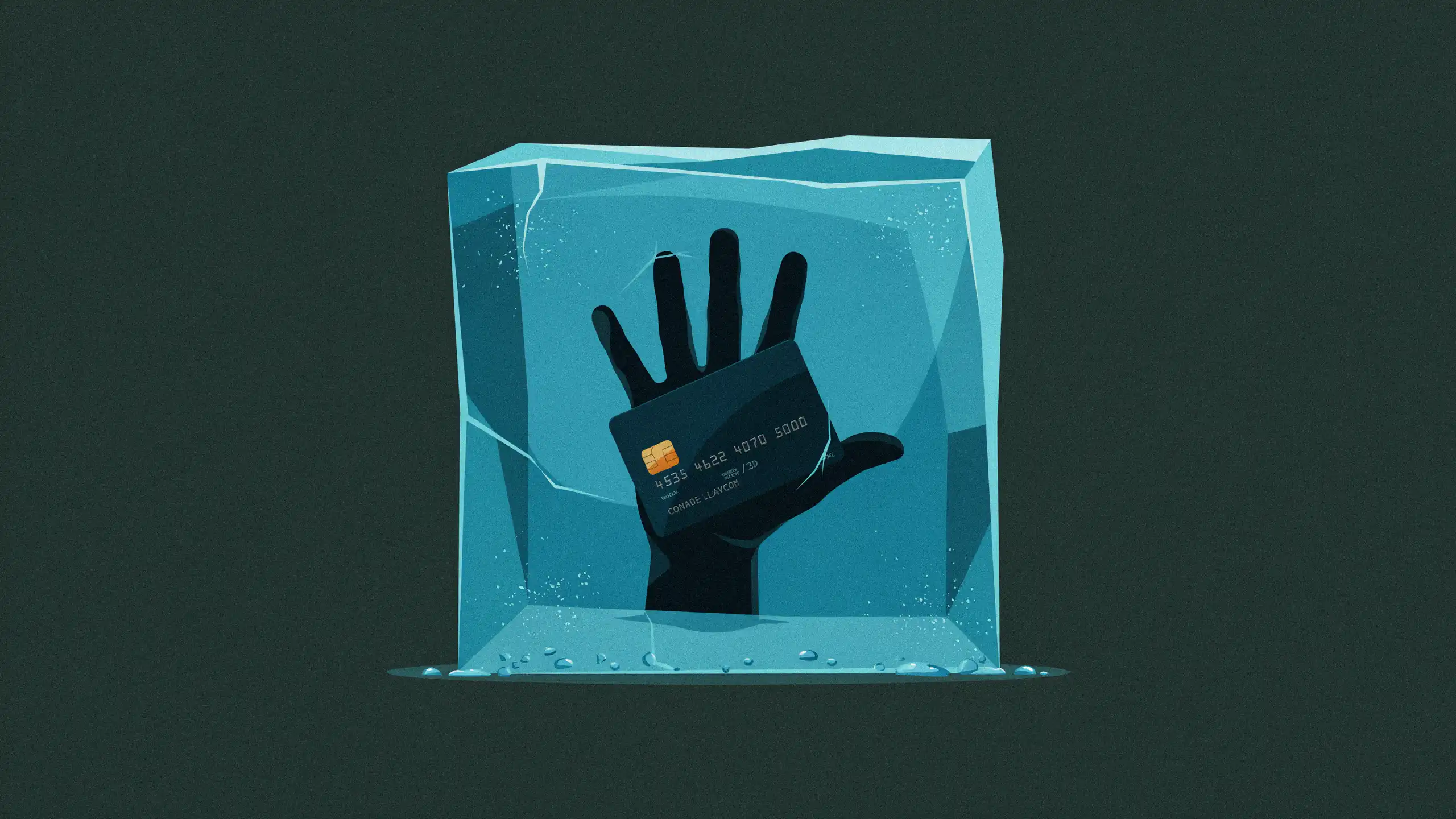
In the digital age, your personal information is a commodity. From massive corporate data breaches to sophisticated phishing campaigns, the barrier between your financial identity and a global network of cybercriminals has never been thinner. While many consumers rely on credit monitoring services to track their financial health, experts are increasingly advocating for a more proactive, ironclad solution: the credit freeze.
A credit freeze—or security freeze—is a powerful tool that prevents potential creditors from accessing your credit report. Because most lenders require a review of your credit history before opening a new account, a freeze effectively halts identity thieves in their tracks. Unlike monitoring, which alerts you after a crime has occurred, a freeze acts as a locked deadbolt, preventing the fraudulent account from ever being created.
The Evolution of Data Vulnerability: A Chronological Look
The necessity of credit freezes is rooted in the history of systemic data failures. While identity theft has existed as long as commerce itself, the scale of the threat shifted dramatically in the 21st century.
The Turning Point: The 2017 Equifax Breach
Perhaps the most significant inflection point in modern identity security was the 2017 Equifax data breach. Hackers gained access to the sensitive personal information of approximately 147 million Americans. Names, Social Security numbers, and birth dates were exposed, effectively placing half the U.S. population’s financial identity on the black market.
The "New Normal"
Following the Equifax disaster, the frequency of data breaches became a constant background noise. In subsequent years, massive incidents at retailers, healthcare providers, and social media platforms have ensured that, for the average adult, the assumption must be that one’s Social Security number is already circulating on the dark web. This shift has moved the conversation from "if" your data will be compromised to "when."
How a Credit Freeze Functions
To understand why a freeze is so effective, one must understand the mechanics of credit approval. When a person applies for a loan, a credit card, or a mortgage, the lender performs a "hard pull" on the applicant’s credit report from one of the three major bureaus: Equifax, Experian, or TransUnion.
If your credit is frozen, that request for information is denied. The lender, unable to verify your creditworthiness, will automatically reject the application. This creates a firewall between your identity and the perpetrator.
Freeze vs. Lock: Understanding the Difference
Consumers are often confused by the marketing tactics used by credit bureaus. Bureaus frequently promote "credit locks," which are often subscription-based products. It is vital to note that a security freeze is a federally mandated, free service. Under the Economic Growth, Regulatory Relief, and Consumer Protection Act of 2018, all three major credit bureaus are required to provide freezes for free. Do not be upsold on premium "lock" services when the government-mandated freeze provides the same level of protection without a monthly fee.
Implementation: How to Secure Your Financial Perimeter
Securing your credit is a straightforward, albeit manual, process. Because the three bureaus operate as independent entities, you must contact each one separately.
- Visit the official websites: Navigate directly to the portals for Equifax, Experian, and TransUnion.
- Verify your identity: You will need to provide standard identifying information, such as your full name, Social Security number, address, and potentially answers to security questions based on your financial history.
- Establish credentials: Create a unique, secure login for each bureau. Given the sensitivity of these accounts, use a password manager to generate and store complex, unique passwords.
- The "Thaw" Process: Life happens, and you will eventually need to apply for legitimate credit. The law requires bureaus to lift a freeze within one hour of a request made online or by phone. You can also schedule a "thaw window," allowing you to apply for a loan or apartment during a specific timeframe before the freeze automatically reactivates.
Protecting the Most Vulnerable: Minors and the Elderly
Identity thieves often target the credit files of minors. Because children typically have no credit history and are unlikely to check their reports until they turn 18, their Social Security numbers are "clean slates" highly valued by criminals. Parents can and should freeze their children’s credit files to prevent this long-term exploitation.
Similarly, the elderly are frequent targets for financial abuse. Helping senior family members set up a freeze can prevent them from becoming victims of sophisticated social engineering or identity theft schemes.
Supporting Data and Security Implications
The primary advantage of a freeze is that it is a proactive measure. While credit monitoring—often provided for free by credit card issuers—is useful, it is purely reactive. Monitoring tells you when your car has been stolen; a freeze keeps the thief from ever opening the garage door.
Recent studies by the Federal Trade Commission (FTC) indicate that while the total number of identity theft reports fluctuates, the financial losses associated with "new account fraud" remain a leading category of consumer complaints. By blocking the ability to open these accounts, consumers eliminate the risk of damage to their credit scores, the subsequent loss of time required to file police reports, and the psychological burden of recovering a stolen identity.
Official Responses and Consumer Rights
Regulatory bodies, including the Consumer Financial Protection Bureau (CFPB), have been vocal about the importance of consumer-driven security. The legislative move to make freezes free and accessible was a direct response to the inadequacy of corporate data protection.
The official stance of most financial experts is clear: If you are not in the active process of shopping for a loan or a new line of credit, there is no downside to having a freeze in place. It does not affect your current credit score, nor does it impact the functionality of your existing credit cards or bank accounts.
Beyond the Freeze: A Holistic Approach to Security
While a credit freeze is the single most effective barrier against new account fraud, it is not a silver bullet for all financial risks. Consumers should maintain a layered approach to security:
- Transaction Alerts: Enable push notifications for all credit and debit card activity. This allows you to catch fraudulent charges on existing accounts immediately.
- Multi-Factor Authentication (MFA): Ensure that every financial account—from your bank to your brokerage—is protected by MFA, preferably via an authenticator app rather than SMS.
- Annual Credit Reviews: Even with a freeze, you should periodically pull your credit reports from AnnualCreditReport.com to ensure that the information being reported is accurate and that no erroneous accounts have slipped through the cracks.
Conclusion: The Case for Precaution
In an era where personal data is constantly vulnerable, the credit freeze stands out as a rare, highly effective, and free defense. By taking fifteen minutes to secure your files at the three major bureaus, you remove yourself from the list of "low-hanging fruit" for cybercriminals.
The convenience of "instant" credit approval is a luxury few of us need on a daily basis. The peace of mind provided by a locked credit report, however, is an essential component of modern financial health. Do not wait for a breach to occur; take control of your financial identity today. Freeze your credit, monitor your existing accounts, and rest easier knowing that you have effectively slammed the door on those looking to profit from your reputation.
 Lina Irawan
  Dwi Wanna
  Nana Wu