
 By rifanmuazin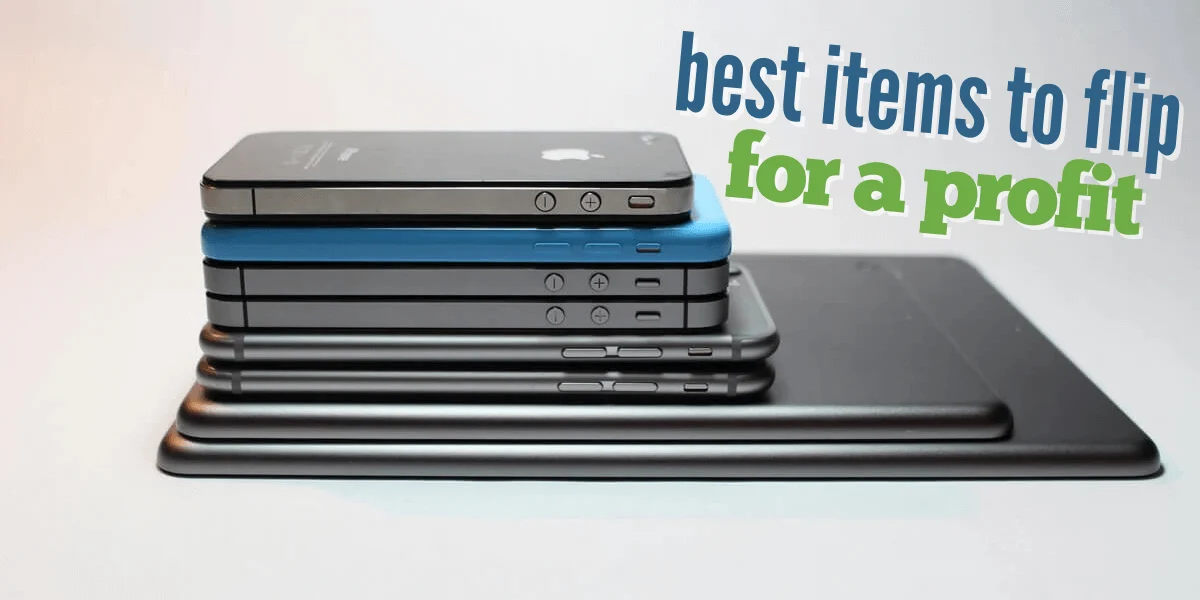
The timeless adage "buy low, sell high" is the bedrock of global commerce, powering retail giants from Amazon to Walmart. Yet, in the digital age, this fundamental strategy has evolved into a accessible, high-growth side hustle for millions: product flipping. Whether you are scouring suburban garage sales, local thrift stores, or digital marketplaces, the ability to identify undervalued goods and connect them with eager buyers is a skill that can transform spare time into a significant secondary income stream.

The Mechanics of Modern Reselling
At its core, flipping is a low-barrier-to-entry business. Unlike starting a traditional brick-and-mortar storefront or a complex dropshipping operation, flipping requires minimal upfront capital and rewards those with keen observational skills and a bit of "elbow grease."

However, not all items are created equal. Successful flippers move away from speculative buying and toward a data-driven approach. By focusing on high-demand categories, understanding local market dynamics, and mastering the logistics of shipping and storage, resellers can optimize their margins and reduce their time-to-sale. As any seasoned pro will tell you, the secret isn’t just finding a deal—it’s knowing the true market value of an item before you commit your capital.

Chronology of a Successful Flip: From Sourcing to Sale
The lifecycle of a flip typically follows a predictable, yet critical, path:

- Inventory Sourcing: This is where the profit is made. Whether it is a neglected piece of furniture at a yard sale or a rare vintage sneaker online, the initial acquisition price dictates your ceiling.
- Assessment and Rehabilitation: Many items require cleaning, minor repairs, or professional photography to realize their full market potential.
- Market Placement: Choosing the right platform—be it eBay for collectibles, Facebook Marketplace for bulky items, or specialized sites like Swappa for tech—is vital.
- Logistics: The often-overlooked phase involves calculating shipping costs, insurance, and the physical space required for inventory management.
- Liquidation: The final sale, where the "spread" between your acquisition cost and the final price represents your net profit.
Supporting Data: Where the Money Moves
The resale economy is not a niche trend; it is a booming industry. According to reports from platforms like ThredUp, the U.S. secondhand apparel market alone is projected to reach $70 billion by 2027, growing five times faster than the broader retail sector.

Similarly, niche markets—such as vintage electronics, retro gaming, and even commercial-grade machinery—have seen massive surges in activity. For instance, professional resellers have reported consistent monthly earnings ranging from $3,000 to over $10,000, depending on their scale and the specific vertical they dominate.

Top Categories for Profitable Flipping
1. Bed-in-a-Box Mattress Returns
Thanks to the "100-night guarantee" offered by many direct-to-consumer mattress brands, thousands of nearly new beds are returned annually. Companies like Sharetown specialize in reverse logistics, allowing local representatives to pick up these returns and resell them. This is a low-risk model because, in many cases, you do not pay for the inventory until it is sold.

2. Furniture Restoration
Wood and upholstered furniture remain staples of the flipping world. While basic pieces are common, high-quality, solid wood furniture often suffers from aesthetic neglect. A simple sanding, staining, or reupholstering project can double or triple the value of a piece found at a local estate sale.

3. Tech and Electronics
Smartphones, MacBooks, and gaming consoles retain value longer than most consumer goods. Experts in this space often target a specific "profit-per-unit" goal—frequently $100 per device—and leverage sites like Swappa to track real-time market pricing to ensure their buy-in price remains competitive.

4. Commercial and Heavy Equipment
Perhaps the most lucrative, yet logistically challenging, category involves items like riding lawnmowers, scissor lifts, and industrial ovens. Because these items are bulky and difficult to transport, many sellers are highly motivated to offload them quickly. Those with a truck and the capacity to store heavy items can secure massive margins, with some individual flips netting over $6,000 in profit.

5. Rare Collectibles: Tapes, Cards, and Toys
Nostalgia is a powerful economic engine. Whether it is factory-sealed VHS tapes of 1980s classics, retired LEGO sets, or vintage Pokémon cards, there is a fervent market for items that tap into the childhood memories of Gen X and Millennials.

Strategic Implications for the Aspiring Reseller
Success in flipping requires more than just finding a bargain; it requires professional discipline.

- Financial Literacy: Utilizing a business credit card for your inventory purchases allows you to earn points and rewards, effectively lowering your cost of goods sold.
- Legal Considerations: For those scaling into high-volume businesses, such as car flipping, it is critical to understand state-specific "dealer" laws, which may require licensing once a certain number of units are sold annually.
- Logistical Efficiency: As your business grows, the bottleneck will likely be space and shipping. Developing a system for inventory management is the difference between a side hustle and a chaotic garage.
Official Guidance and Training
For those looking to move beyond the basics, industry experts like Rob and Melissa Stephenson offer structured training. Their approach emphasizes the "flea market" model, which focuses on identifying hidden gems that require minimal investment but offer high emotional or utility value to the end buyer. Their workshops often focus on the critical first two weeks of operation, aiming to help beginners secure their first profit within that window.
Final Thoughts: The Path Forward
The world of product flipping is dynamic. Trends change, and today’s "must-have" item may be tomorrow’s shelf-warmer. Consequently, the most successful resellers are those who stay curious. They don’t just sell products; they study markets, monitor sold-listing data on platforms like eBay, and remain agile.

Ultimately, your success will be determined by your willingness to learn, your capacity to handle logistics, and your eye for value. Whether you are starting with the items in your own closet or investing in your first high-end flip, the resale market offers a tangible way to build wealth, one transaction at a time.

Pro Tip: If you are ready to take the next step, start by setting a modest goal. Whether it is $500 or $5,000 a month, document your costs, respect the shipping process, and never underestimate the value of a well-photographed, honest listing. The inventory is out there—you just have to know where to look.
 Ali Ikhwan
  Basiran
  Layla Zulfa