
 By Lina Hope
In the rapidly accelerating arms race of generative artificial intelligence, the prevailing wisdom has long been that "bigger is better." The industry’s titans—OpenAI, Google, and Meta—have historically secured their dominance through the sheer application of brute force: billions of dollars in capital, massive datasets, and tens of thousands of high-end GPUs. However, the release of Reve 2.0 on June 3 has fundamentally challenged this paradigm, proving that architectural ingenuity can occasionally outpace the raw power of the "trillion-dollar giants."
Upon its debut, Reve 2.0 bypassed established incumbents to claim the #2 spot on the prestigious Arena text-to-image leaderboard. It currently sits in a narrow margin behind OpenAI’s GPT Image 2 and, notably, ahead of Google’s Nano Banana 2. Perhaps most striking is the company’s claim that this performance was achieved using ten times fewer GPUs than its primary competitors. This efficiency represents a significant shift in the AI landscape, signaling a move away from "black box" diffusion toward more structured, controllable, and cost-effective generation.
The Core Innovation: From Paragraphs to Layouts
The primary technical differentiator for Reve 2.0 is its departure from traditional prompt-to-pixel workflows. Most contemporary image models operate by expanding a user’s short prompt into a dense paragraph of descriptive English, which is then fed into a diffusion engine. While effective for creating "pretty" images, this method often results in a "slot machine" experience where the user has little control over the placement or specific attributes of individual objects.
Reve has discarded this approach in favor of what it terms a "layout" system. In this architecture, the model first generates a structured, editable description of the scene—analogous to how HTML structures a webpage. Each object in the prompt is assigned specific coordinates, dimensions, and individual captions. The model then executes a "thinking trace" to reason about the spatial relationships and lighting before rendering the final pixels at a native 4K resolution (approximately 16 megapixels).
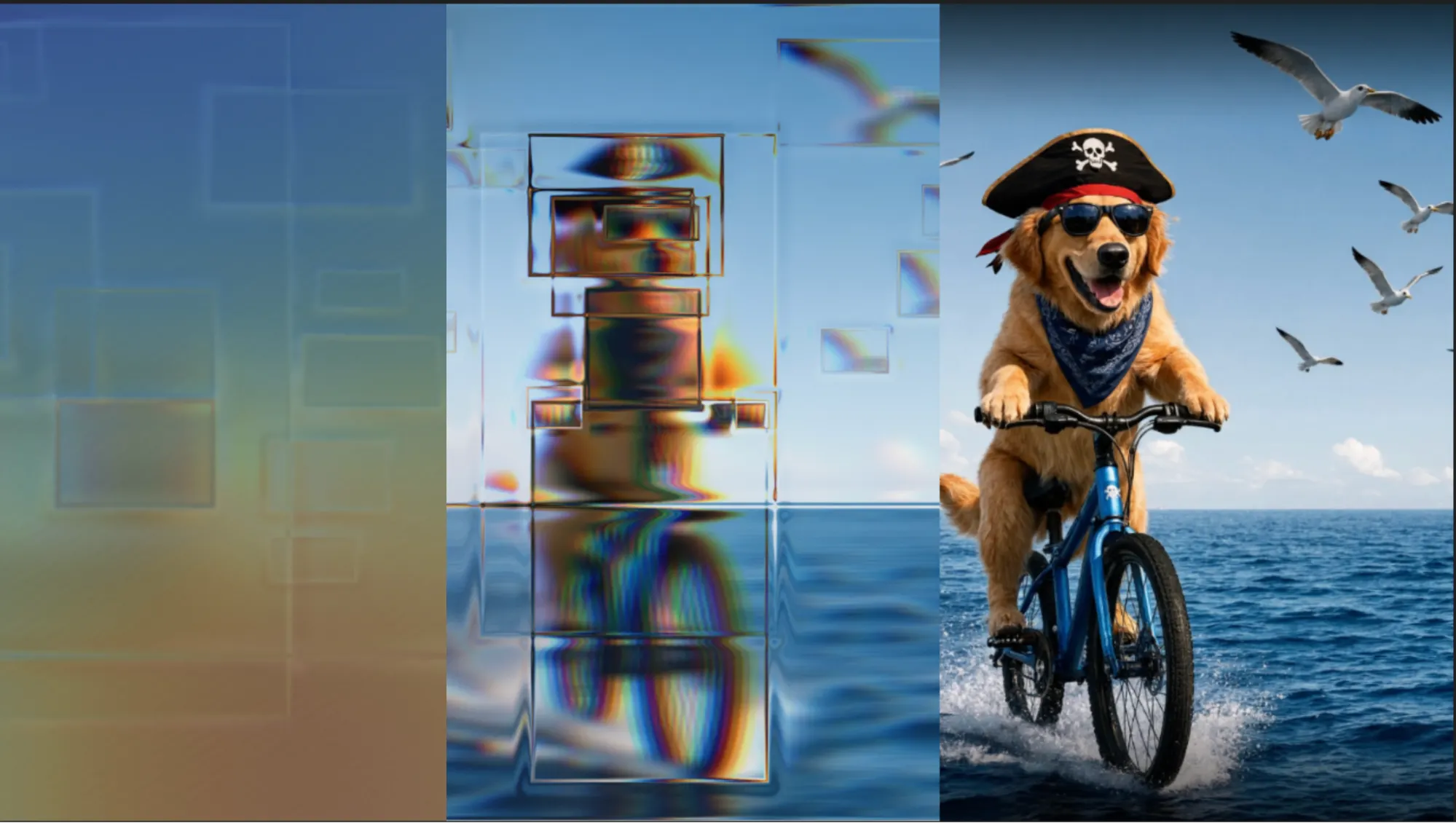
This design choice allows for unprecedented granular control. Because the image is planned as a piece of structured data, users can modify specific elements—such as moving a subject from left to right or rewriting text on a background sign—without necessitating a complete "re-roll" of the entire image. For professional workflows, this translates to a level of iterative precision that has previously been the exclusive domain of human digital artists using software like Photoshop.
Chronology of the Reve Evolution
The rise of Reve has been meteoric. Just twelve months ago, the startup was virtually unknown to the broader public. The timeline of its ascent highlights a focused trajectory toward efficiency:

- Mid-2023: Reve enters the scene with its initial model, gaining a niche following among developers for its "filmic" aesthetic and extremely low API costs.
- Late 2023: Early testing by independent analysts highlights that the original Reve model could compete with industry heavyweights like Midjourney and Flux, but at a price point of roughly one cent per image.
- Early 2024: The company begins training its 2.0 iteration, focusing on a "layout-first" architecture designed to minimize GPU overhead while maximizing resolution.
- June 3, 2024: Reve 2.0 is officially released. Within days, it secures the #2 position on the Arena leaderboard.
- Present: Reve 2.0 is being integrated into agentic pipelines, where its ability to follow complex spatial instructions makes it a preferred choice for automated content creation.
Supporting Data: A Comprehensive Performance Analysis
To determine whether Reve 2.0’s leaderboard ranking translates to real-world utility, a series of rigorous stress tests were conducted across eight critical domains.
1. Photorealism and Texture
In a baseline test featuring a woman on a Manhattan rooftop during "golden hour," Reve 2.0 demonstrated a significant departure from the "AI look." Traditional models often suffer from a waxy, over-smoothed skin texture. Reve, conversely, maintained realistic skin pores and natural light interactions. The model successfully simulated a shallow depth of field, with the Manhattan skyline blurring in a manner consistent with a high-end mirrorless lens. While some minor artifacts remained—such as asymmetrical clothing straps and "mushy" textures in distant building windows—the overall output remained competitive with OpenAI’s GPT Image 2.

2. Spatial Awareness and Lighting
The "layout" architecture was most evident in complex scenes involving multiple light sources. A test prompt involving a Renaissance astronomer lit by a candle, cold moonlight, and a green glowing jar showed that the model could successfully isolate lighting zones. Unlike traditional diffusion models that often "muddy" competing light sources, Reve 2.0 correctly aimed the warm, cool, and green light at their respective subjects.
3. Text Rendering
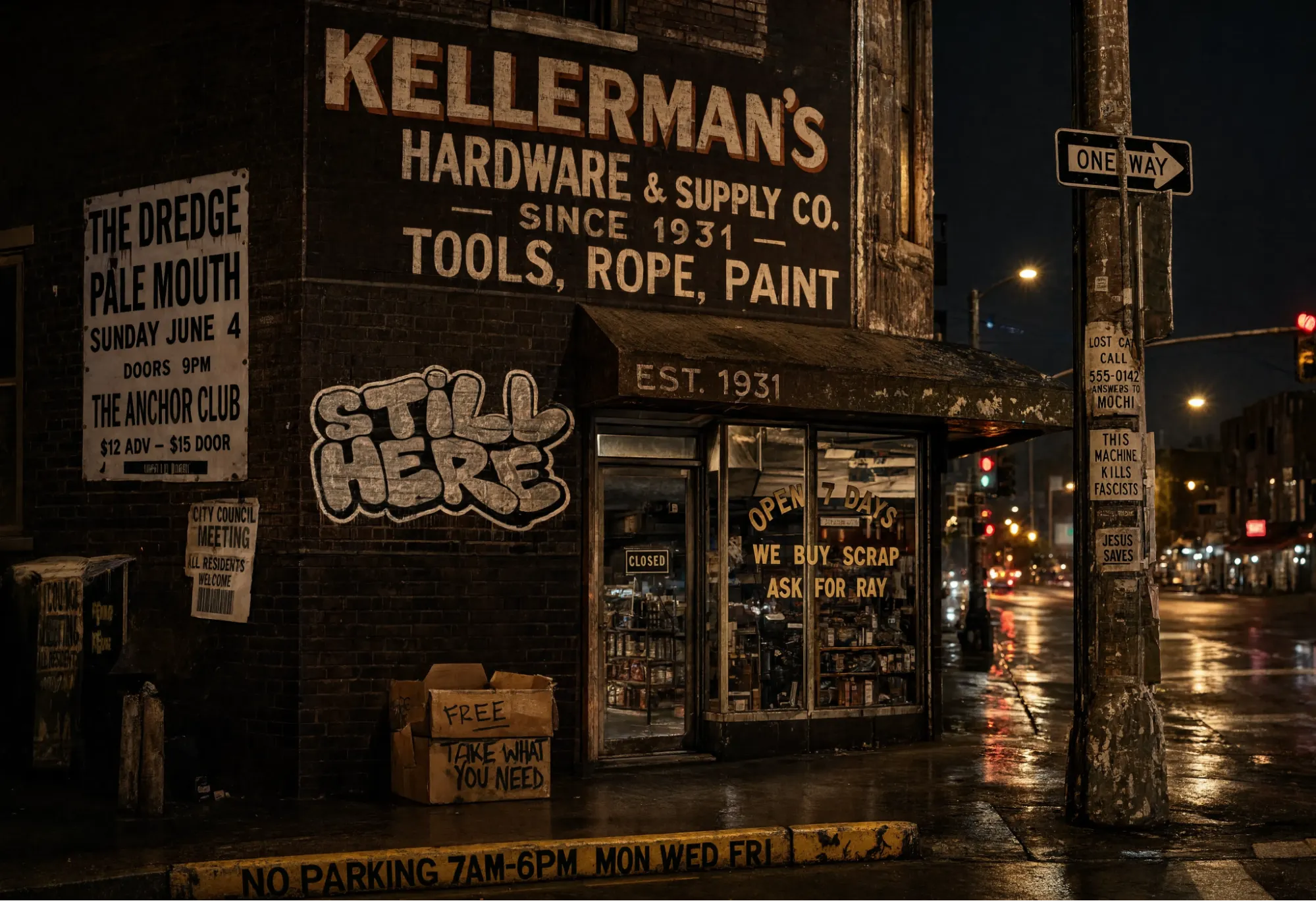
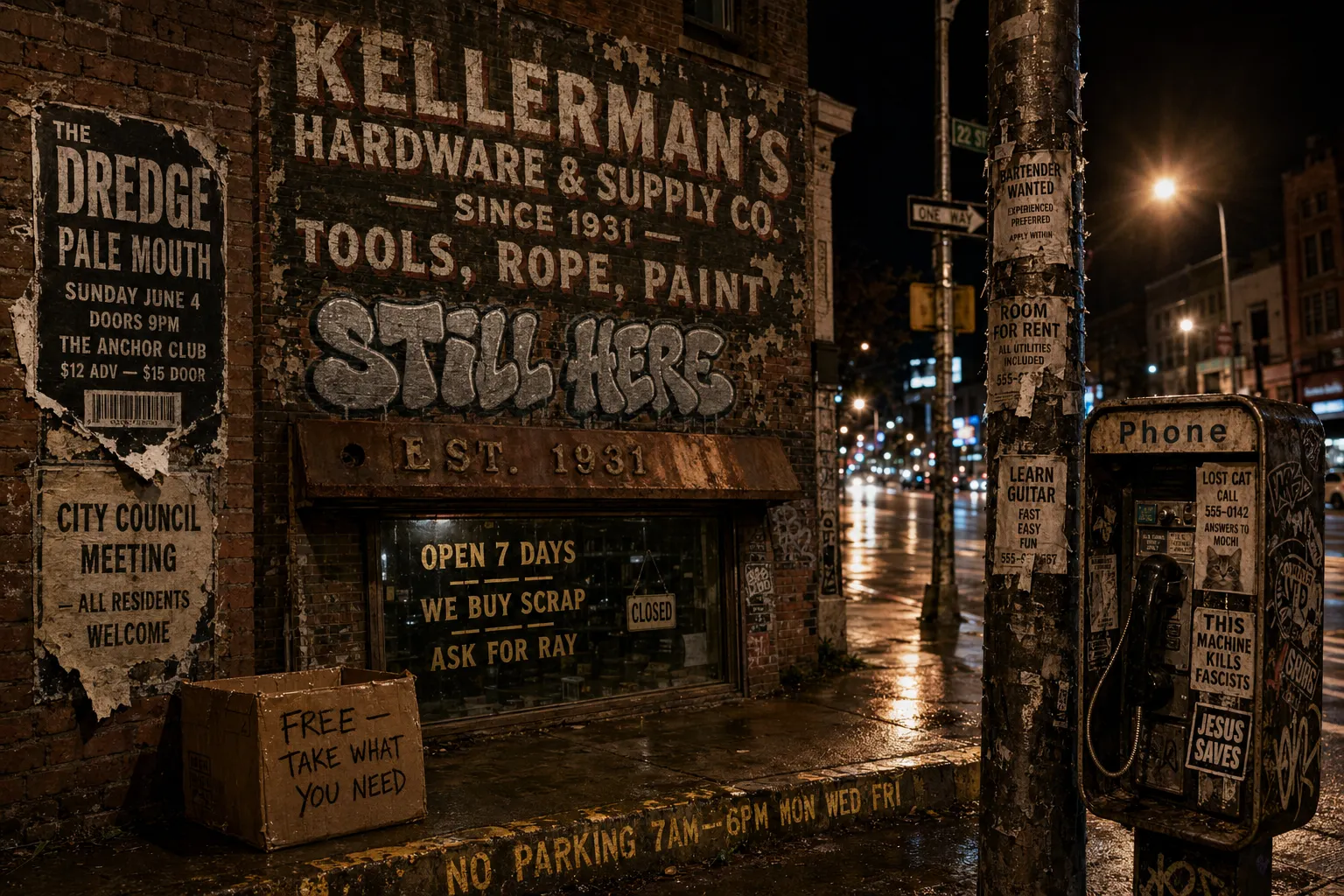
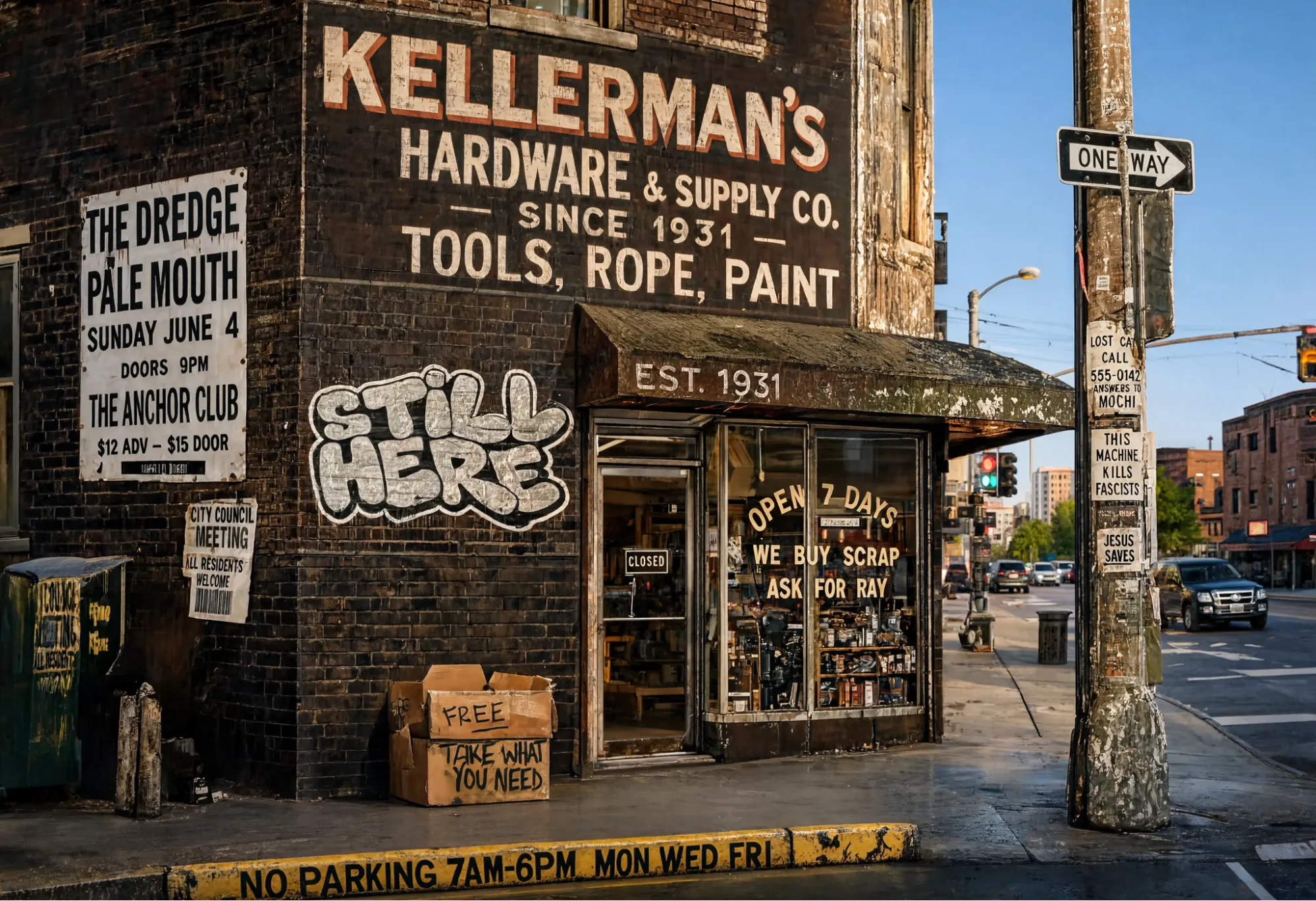
Text has historically been the "Achilles’ heel" of AI image generation. Reve 2.0, however, excelled in rendering complex signage. In a test involving a hardware store front with multiple signs (e.g., "KELLERMAN’S HARDWARE & SUPPLY CO."), the model produced legible, correctly spelled text across various surfaces. While GPT Image 2 matched this accuracy, Reve’s output was notably smoother and lacked the graininess found in OpenAI’s high-detail renders.
4. Illustration and Style Fidelity
The transition from Reve 1.0 to 2.0 showed a massive leap in raw fidelity but a slight shift in prompt adherence. In a pen-and-ink illustration test of a giant spider, Reve 2.0 produced a stunning, near-photorealistic grayscale image. Interestingly, the older Reve 1.0 actually adhered closer to the "sketchy, cross-hatched" requirement of the prompt. This suggests that while Reve 2.0 is more powerful, it may have a slight bias toward high-fidelity rendering that requires more explicit prompting to override.
5. Agentic Generation and Research
Reve 2.0 includes an "agentic" component, meaning it can research information to satisfy a prompt. When asked for a Van Gogh-style painting of a robot reading a "Decrypt" book, the model successfully scraped the web for the brand’s logo. It correctly integrated two different versions of the logo—the primary site logo and a secondary "Decrypt University" logo—into the robot’s design, showcasing its ability to handle brand-specific requirements autonomously.
6. Multi-Subject Editing
One of the most difficult tasks for AI is maintaining the identity of real human subjects when placing them in fictional environments. Reve 2.0 successfully merged two separate photos of individuals into a composite "moon beach" scene. While it lacked the 1:1 pixel-perfect accuracy of Google’s Nano Banana 2, it preserved the distinct skin tones and clothing colors of the subjects while creating a natural-looking physical interaction between them.
Official Stance and Competitive Positioning
The company behind Reve has positioned itself as the "champion of the independent developer." By achieving elite performance on a fraction of the hardware used by trillion-dollar tech giants, Reve is making an implicit argument for the democratization of AI.
"We believe the best image model shouldn’t only be accessible to companies with a trillion-dollar market cap," the company stated during the launch. Their internal data suggests that by focusing on "layout reasoning" rather than just "pixel guessing," they have created a more sustainable path for AI development.
In contrast, OpenAI and Google have maintained a more guarded, "safety-first" approach. This leads to a significant discrepancy in content limits. During testing, Reve 2.0 was willing to generate cinematic, albeit violent, scenes (such as a battlefield "final reckoning") that were flatly refused by Google’s Nano Banana 2 and heavily sanitized by OpenAI’s GPT Image 2. This permissive stance, combined with its "Pro" plan priced under $20 a month, positions Reve as the primary choice for "power users" and creative professionals who find the mainstream models too restrictive.

Implications for the AI Industry
The success of Reve 2.0 has three major implications for the future of generative media:
1. The End of the "GPU Brute Force" Era: Reve has proven that architectural innovation—specifically the use of structured layouts and thinking traces—can compensate for a lack of massive hardware clusters. This could lead to a wave of smaller, more efficient models that are easier to run locally or at a lower cost.

2. Image Generation as a Structured Process: By moving away from the "slot machine" model of prompting, Reve is turning image generation into a professional tool. The ability to edit specific parts of an image via code-like layouts makes AI generation more compatible with professional design pipelines, where precision is more valuable than randomness.
3. The Economic Shift in API Pricing: With Reve’s API generations costing a fraction of a cent—compared to the 7 to 13 cents charged by competitors—the model is significantly more viable for large-scale enterprise use. For companies building "agentic" apps that need to generate thousands of images daily, the cost savings offered by Reve 2.0 are not just a benefit; they are a necessity for a viable business model.

Conclusion
Reve 2.0 is not merely another entry into a crowded market; it is a fundamental rethinking of how AI should interact with visual data. While it may occasionally drop minor prompt elements or struggle with the absolute 1:1 identity preservation found in more expensive models, its combination of spatial control, text accuracy, and aggressive pricing makes it a formidable challenger to the established order. For those who view AI generation as a collaborative process rather than a one-click gamble, the "layout" approach of Reve 2.0 represents the new gold standard in the industry.
 Reynand Wu
  Suro Senen