
 By Lina Hope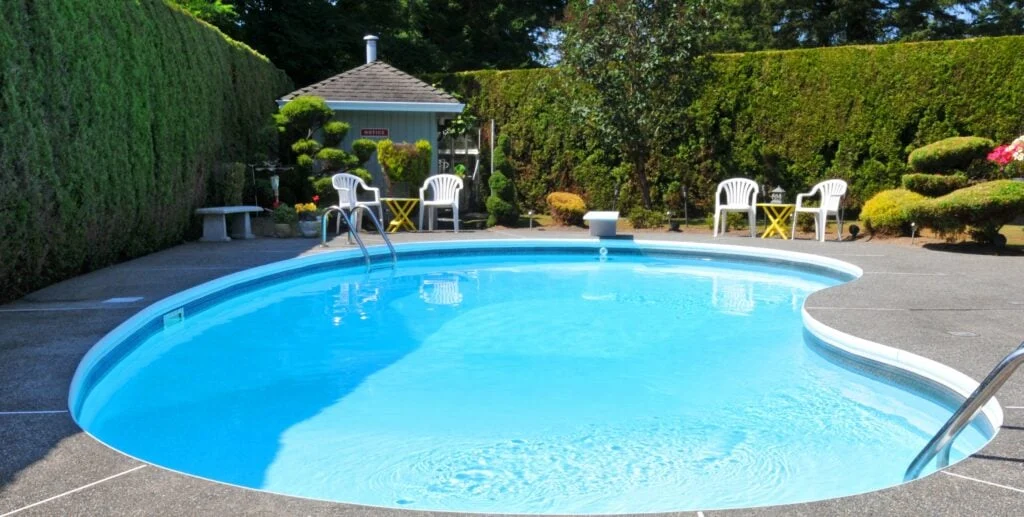
For the short-term rental (STR) investor, the arrival of summer represents the zenith of the business cycle. As temperatures climb, occupancy rates soar, and booking windows extend, the financial projections modeled during the initial underwriting phase finally manifest in the calendar. However, this peak season brings a silent, high-stakes variable that can transform a lucrative asset into a catastrophic legal liability in a matter of seconds: the backyard water amenity.
Whether it is a shimmering swimming pool, a bubbling hot tub, or a sprawling wet deck, these features are statistically proven to drive revenue. Yet, they are also "attractive nuisances" that carry a level of risk that many amateur and even seasoned hosts fail to adequately mitigate. This report examines the critical intersection of hospitality, safety, and insurance, offering a comprehensive look at why your backyard oasis might be your greatest professional vulnerability.
The Statistical Weight of Water Risks
To understand the gravity of the situation, one must look at the data provided by the Centers for Disease Control and Prevention (CDC). Annually, the United States records over 4,000 fatal unintentional drownings—an average of 11 lives lost every single day. Furthermore, for every fatality, there are approximately two nonfatal drowning incidents requiring emergency medical intervention, totaling over 8,000 cases per year.
For families, the statistics are harrowing. Drowning remains the leading cause of death for children aged 1 to 4 and the second-leading cause of unintentional injury death for those aged 5 to 14. Perhaps most alarming for the rental host is the location of these tragedies: according to Pool Guard USA, roughly 81% of fatal child pool and spa drownings occur in residential settings rather than public parks or commercial facilities. These residential properties are often indistinguishable from the average vacation rental listed on major booking platforms. Because these accidents peak between May and August, the window of highest revenue generation is also the window of highest risk exposure.
The "Small and Safe" Fallacy: The Hot Tub Paradox
Many STR operators operate under a dangerous assumption: that a hot tub is inherently safer than a swimming pool due to its limited surface area and depth. Industry data, however, contradicts this comfort.
Hospitality safety reports derived from Consumer Product Safety Commission (CPSC) data suggest that more than 300 individuals die in hot tub-related accidents in the U.S. every year. Children under the age of five account for approximately 20% of these fatalities. The dangers extend beyond drowning; nearly 50% of all hot tub injuries are attributed to slip-and-fall incidents on slick decking. Another 10% of reported injuries involve heat overexposure or dehydration.
A particularly insidious risk is entrapment. Drain covers that have not been professionally inspected, or those that have degraded over time, can create suction hazards that trap hair or limbs. When combined with a guest’s failure to read or adhere to posted temperature warnings, these factors create a perfect storm for litigation. These are not minor accidents; they are the exact mechanisms of injury that trigger wrongful death lawsuits against property owners.
The Financial Implications of a Liability Claim
The cost of negligence in a vacation rental context is rarely confined to the property itself. While there is no public database of "average drowning settlement amounts" for STRs, premise liability data provides a sobering perspective on potential financial exposure.
Recent legal analyses of wrongful death settlements indicate that cases involving clear negligence frequently result in payouts ranging from $500,000 to well over $1 million. In instances where the victim was a minor or the case involves substantial lost future earnings, settlements can escalate into the multi-million-dollar range.
Even non-fatal incidents carry significant weight. A 2026 premises liability review estimated the average residential slip-and-fall settlement at approximately $105,000, with catastrophic injury cases exceeding the $1 million threshold. When an unlit path, a slippery pool deck, or an improperly secured hot tub cover results in an injury, the host becomes the primary target of litigation. For an investor, a single claim of this magnitude can effectively erase years of rental income and threaten the entirety of their real estate portfolio.
The Coverage Gap: Why Your Policy May Fail You
Perhaps the most dangerous misconception held by property owners is the belief that their standard homeowner’s insurance policy provides adequate protection. In the insurance industry, a swimming pool is classified as an "attractive nuisance," a legal term that elevates the duty of care the property owner owes to visitors.
Standard homeowner’s policies are designed for personal living and occasional social guests, not for the high-frequency, commercial-grade activity of a short-term rental. Most insurance providers have explicit clauses that exclude or severely limit coverage for "business activity." If a policyholder is using their property as a business—as is the case with an STR—and fails to secure a specialized policy, the insurer may deny a claim entirely.
In some cases, the discovery of regular short-term rental activity, coupled with the presence of a pool, may lead an insurer to cancel a policy or refuse renewal. This leaves the investor in a position of "naked" liability, personally responsible for the costs of defense and any potential judgment.
Structuring the Right Protection
A professional-grade landlord or STR-specific insurance policy treats the property as the business it is. Unlike a standard policy, these products are designed to cover:
- Commercial Liability: Protection that specifically accounts for the increased foot traffic and commercial nature of vacation rentals.
- Property Damage: Coverage for the specialized maintenance and repair of pools, pumps, and decking.
- Loss of Income: Protection in the event the property becomes uninhabitable following a safety-related shutdown.
While these specialized policies command a higher premium, the cost is a minor operational expense when weighed against the seven-figure exposure of an uncovered claim. Investors are encouraged to utilize resources like the BiggerPockets landlord insurance calculator, powered by Steadily, to assess the financial gap between their current coverage and the level of protection required to safeguard their business.
The Operational Checklist: A Proactive Approach
Insurance is only the final line of defense; operational excellence is the first. Before the peak summer season begins, every host with a water amenity should conduct a comprehensive safety audit. This is not merely a suggestion—it is a critical business practice.
1. Physical Security Barriers: Ensure all pools and hot tubs have self-closing, self-latching gates that meet local safety codes. For pools, consider a physical alarm system that detects surface disturbances.
2. Clear Communication: Place laminated, high-visibility signage detailing water depth, temperature limits, and safety protocols. Use your welcome book to provide detailed instructions on pool and tub usage.
3. Maintenance Logs: Maintain a rigorous, dated log of chemical levels, drain cover inspections, and hardware checks. Documentation is your primary evidence in the event of a dispute.
4. Lighting and Access: Ensure that the path from the dwelling to the water feature is well-lit and that slip-resistant surfaces are installed around all transition points.
5. Emergency Equipment: Keep a rescue pole and life ring clearly visible and accessible at all times.
Implications for the Future of STR Investing
The industry is moving toward a more regulated environment, and insurance requirements are tightening across the board. As the market matures, the "casual" host—the one who neglects safety protocols and under-insures their assets—is becoming an endangered species.
The most successful investors are those who view insurance, physical safety, and guest communication as a unified, essential system. They understand that the revenue boost provided by a pool or hot tub is a privilege, not a right, and that it requires a proportional commitment to risk management.
Summer is, indeed, the most profitable time of the year for the STR operator. It is also the time when the gap between a successful season and a permanent setback is at its narrowest. By auditing your insurance coverage, hardening your physical safety measures, and treating your property with the professional rigor it demands, you can ensure that your summer success remains protected long after the final guest checks out.
This report is provided for informational purposes and is sponsored by Steadily, the official landlord insurance provider of BiggerPockets. For those looking to secure their investments, utilizing tools like the BiggerPockets landlord insurance calculator is the first step toward closing the coverage gap.
 Jia Lissa
  Raul Delapena Setiawan
  Neng Nana