
 By Basiran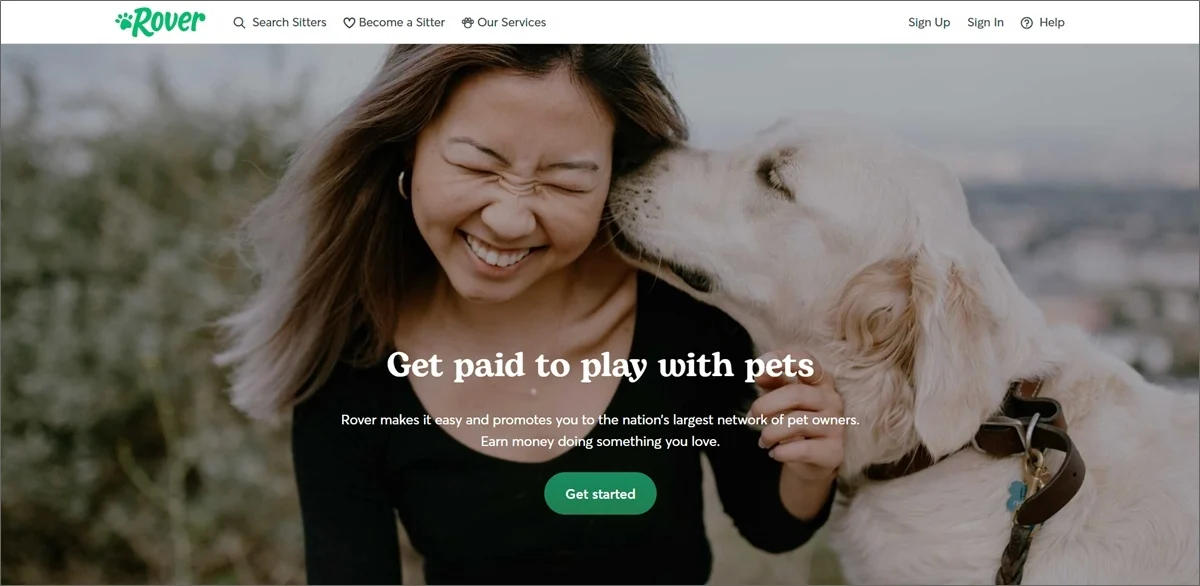
In the modern gig economy, the barrier to entry for supplemental income has never been lower. Whether you are looking to bridge a gap between paychecks, save for a specific financial goal, or transition into full-time self-employment, "odd job" apps have revolutionized the way we trade labor for capital. By leveraging mobile technology, these platforms connect individuals with immediate, flexible, and often lucrative opportunities right in their local neighborhoods.

This guide explores the landscape of the gig economy, categorizing the most effective platforms for manual labor, delivery services, shift work, and online tasks to help you maximize your personal profitability.

The Evolution of the Gig Economy
The gig economy is no longer a fringe movement; it is a multi-hundred-billion-dollar industry that continues to reshape the labor market. Historically, finding odd jobs required community networking or checking local classifieds. Today, sophisticated algorithms manage the logistics, scheduling, and payment processing, allowing workers to "turn on" their income stream at the touch of a button.

For the modern worker, this shift offers unprecedented autonomy. You choose when, where, and how you work. However, this freedom comes with the responsibility of managing your own taxes, equipment, and efficiency.

Local Service Platforms: Putting Skills to Work
If you have a knack for repairs, cleaning, or pet care, several platforms allow you to monetize your existing skills.

1. Rover: The Gold Standard for Pet Lovers
For those who enjoy animal companionship, Rover remains the premier choice. With the rise of pet ownership, demand for reliable walkers and sitters is at an all-time high. Users report earning upwards of $1,000 per month by offering boarding or drop-in visits.

- The Benefit: Low overhead and the ability to work from home or your neighborhood.
2. TaskRabbit: The Original Handyman Marketplace
TaskRabbit continues to lead the space for general labor. Whether it is furniture assembly, mounting televisions, or helping someone move, TaskRabbit allows you to set your own rates. Highly skilled "Taskers" specializing in complex handyman work can command over $100 per hour, making it one of the most profitable apps for those with trade skills.

3. Angi Services (Formerly Handy)
Specializing in home maintenance, Angi Services is ideal for cleaners and skilled tradespeople. With top professionals reporting earnings exceeding $1,000 per week, it is a robust platform for those who want a steady stream of requests in painting, plumbing, or residential cleaning.

4. Airtasker: The Rising Challenger
Gaining massive traction in the U.S. after success in Australia, Airtasker offers a diverse marketplace. From administrative tasks to manual labor, the app functions as a community-driven auction for work. Top performers on this platform have been known to earn over $10,000 a month, proving that specialized service and high ratings pay dividends.

Delivery and Specialized Logistics
Beyond basic services, there is a thriving sector dedicated to the movement of goods and people.

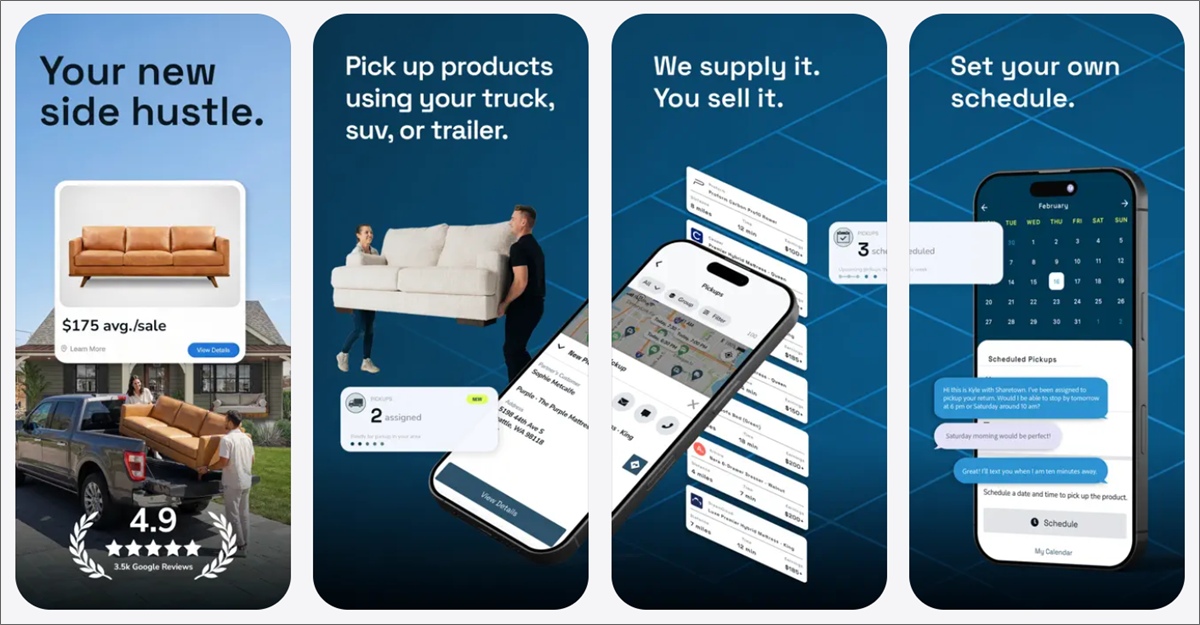
5. Sharetown: The Furniture Flipping Giant
Sharetown represents a unique business model. It connects local representatives with "bed-in-a-box" mattress companies and furniture retailers to manage returns. Since these companies cannot restock used items, they pay representatives to pick up, store, and resell the furniture. Reps often earn between $150 and $250 per item, with top earners pulling in over $4,000 monthly.

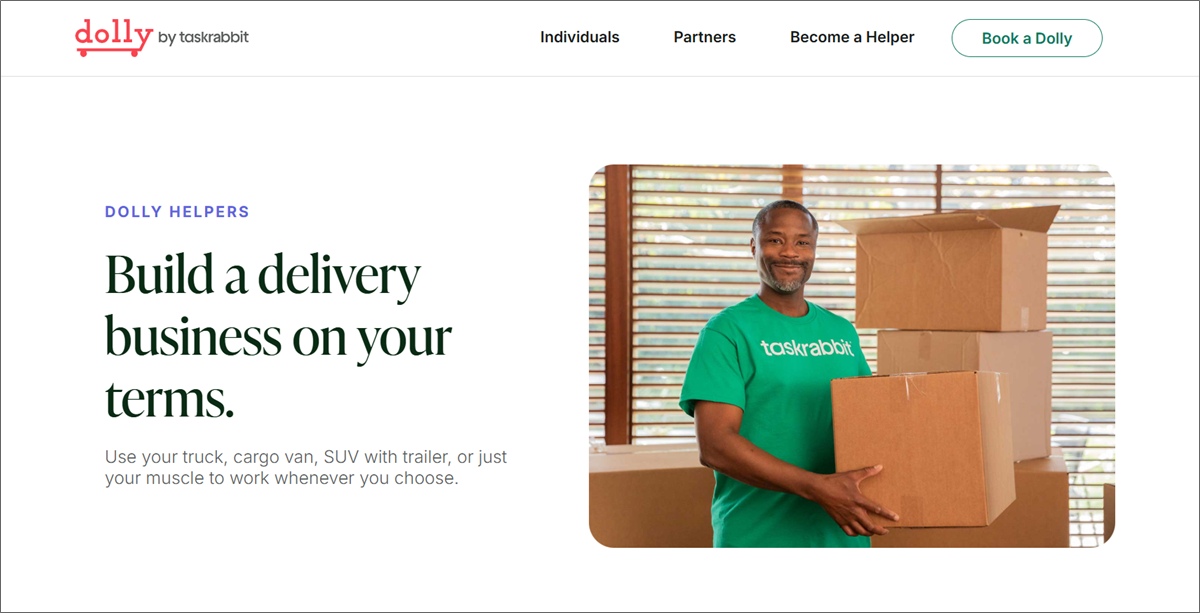
6. Dolly: Heavy Lifting for High Pay
If you own a truck or van and possess a strong back, Dolly is a peer-to-peer moving platform that pays significantly more than traditional courier apps. Helpers can earn between $35 and $50 an hour, providing a premium alternative to standard gig-driving apps.

The Shift-Work Revolution
For those who prefer a structured environment without the commitment of a full-time contract, several "staffing-on-demand" apps have emerged.
7. Upshift and Wonolo
These platforms partner with local businesses in hospitality, logistics, and retail to fill temporary gaps.
- Upshift: Operates as a staffing agency, providing employees with benefits and consistent shift options. It is currently available in select metro areas.
- Wonolo: Focuses on immediate, same-day fulfillment. It is ideal for individuals who need quick access to work and faster payout cycles.
8. Indeed Flex
Leveraging the massive database of Indeed, Indeed Flex allows "flexers" to pick up short-term shifts. With weekly pay and options for benefits, it bridges the gap between the gig economy and traditional employment.
Maximizing Your Earning Potential
To truly succeed in the gig economy, one must treat these apps not just as "pocket money" sources, but as small business ventures.

Chronology of Success
- Onboarding: Complete your profile with high-quality photos and detailed skill descriptions.
- Reputation Building: Start with smaller, lower-paying jobs to secure 5-star reviews. These reviews are your most valuable currency.
- Optimization: Use tools like MileIQ to track your travel expenses for tax deductions.
- Diversification: Do not rely on a single app. Use apps like AppJobs to cross-reference opportunities and ensure you are never "off the clock" unless you choose to be.
Supporting Data: The Economics of the Gig
- Hourly Ranges: While entry-level tasks may start at $15/hour, specialized tasks (mechanics, electrical, advanced assembly) often exceed $70/hour.
- Flexibility vs. Stability: While income can be inconsistent, the ability to "stack" gigs—such as pet sitting during the day and performing market research in the evening—allows users to stabilize their monthly cash flow.
- Market Research: Platforms like UserInterviews and Respondent pay an average of $75 to $120 per session for consumer feedback. These are "low-labor, high-intellect" tasks that offer some of the highest hourly rates in the industry.
Implications and Future Outlook
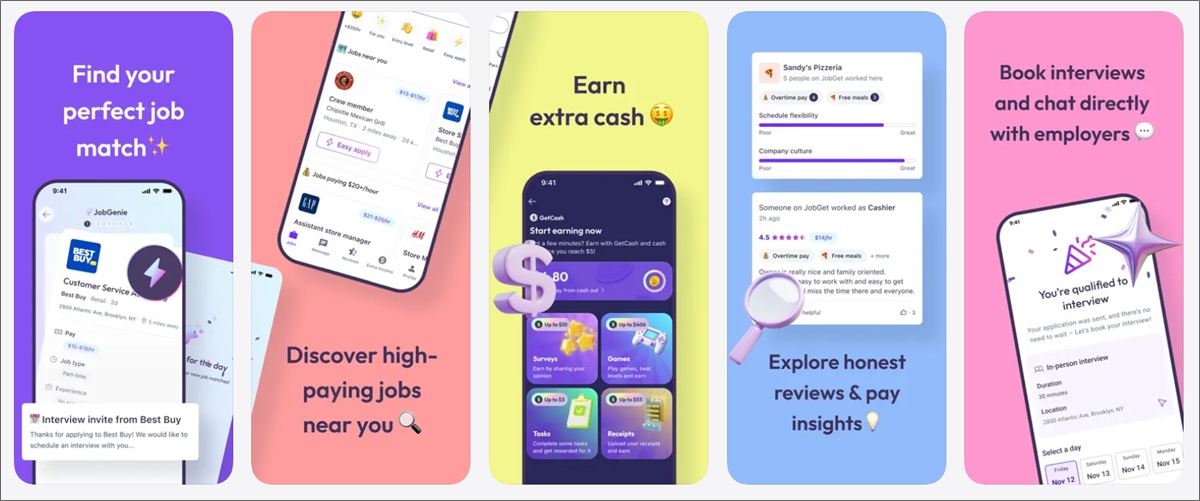
The rise of the "side hustle" has shifted the psychological relationship between employees and their time. Workers now have a safety net; if a primary employer lets them go, they can immediately pivot to apps like JobGet or Instawork to maintain their income.

However, the primary implication for the future is the need for financial literacy among gig workers. Without employer-provided health insurance or 401(k) plans, users must be diligent about setting aside funds for taxes and personal benefits.

Final Thoughts: Taking the First Step
The "best" app is the one that aligns with your specific schedule and physical capabilities. If you enjoy the outdoors, try Oppizi for brand ambassador work. If you prefer the comfort of home, explore Fiverr or Outlier.ai.

The goal is to diversify your income sources. By signing up for multiple platforms, you ensure that you are always in a position to choose the most profitable task at any given moment. Remember, your profitability is in your hands—or rather, in your phone.
Disclaimer: Side Hustle Nation partners with some of the companies mentioned above. If you sign up or make a purchase through our links, we may receive compensation at no extra cost to you.
 rifanmuazin
  Ali Ikhwan
  Layla Zulfa