
 By Asep Darmawan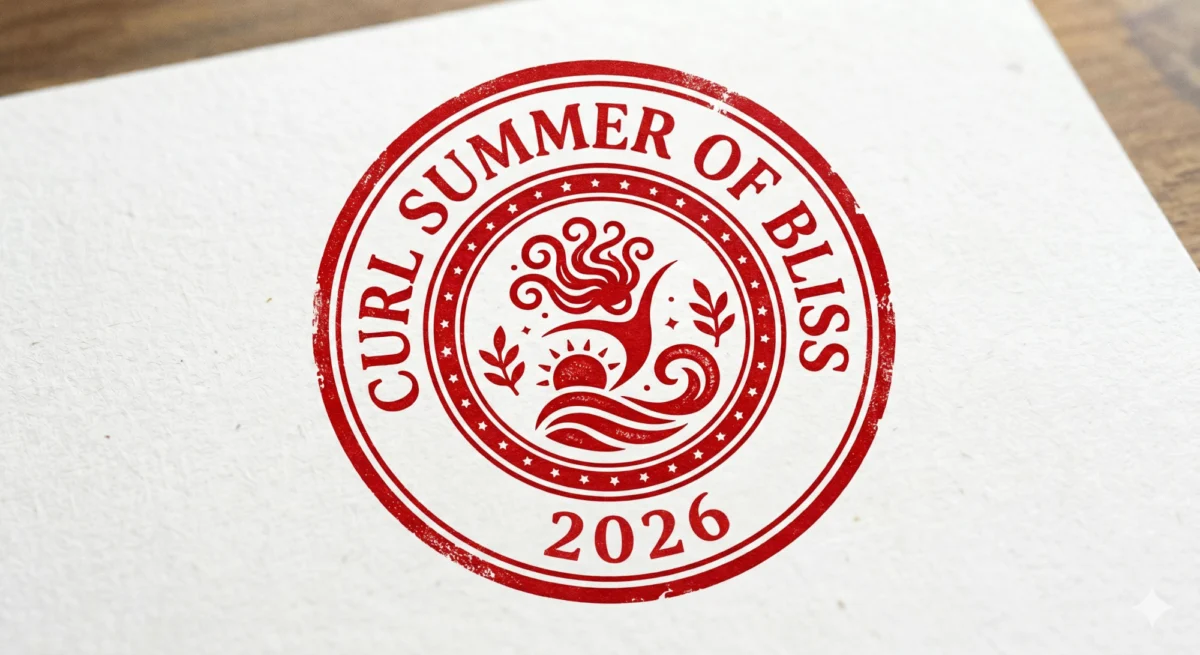
In a bold move that highlights the mounting human toll of maintaining critical global infrastructure, the core team behind the ubiquitous open-source data transfer project curl has announced a radical operational shift. For the entire month of July 2026, the curl project will officially cease the acceptance and processing of all vulnerability reports.
Dubbed the "curl summer of bliss," this temporary cessation of security operations marks a significant departure from standard industry practices, where critical software maintainers are typically expected to provide 24/7 responsiveness. The project, which serves as the backbone for billions of devices ranging from smart refrigerators to cloud server architectures, is prioritizing the mental well-being and sustainability of its volunteer-driven team over the constant, high-pressure demands of the cybersecurity ecosystem.
Main Facts: A Total Pause on Security Triage
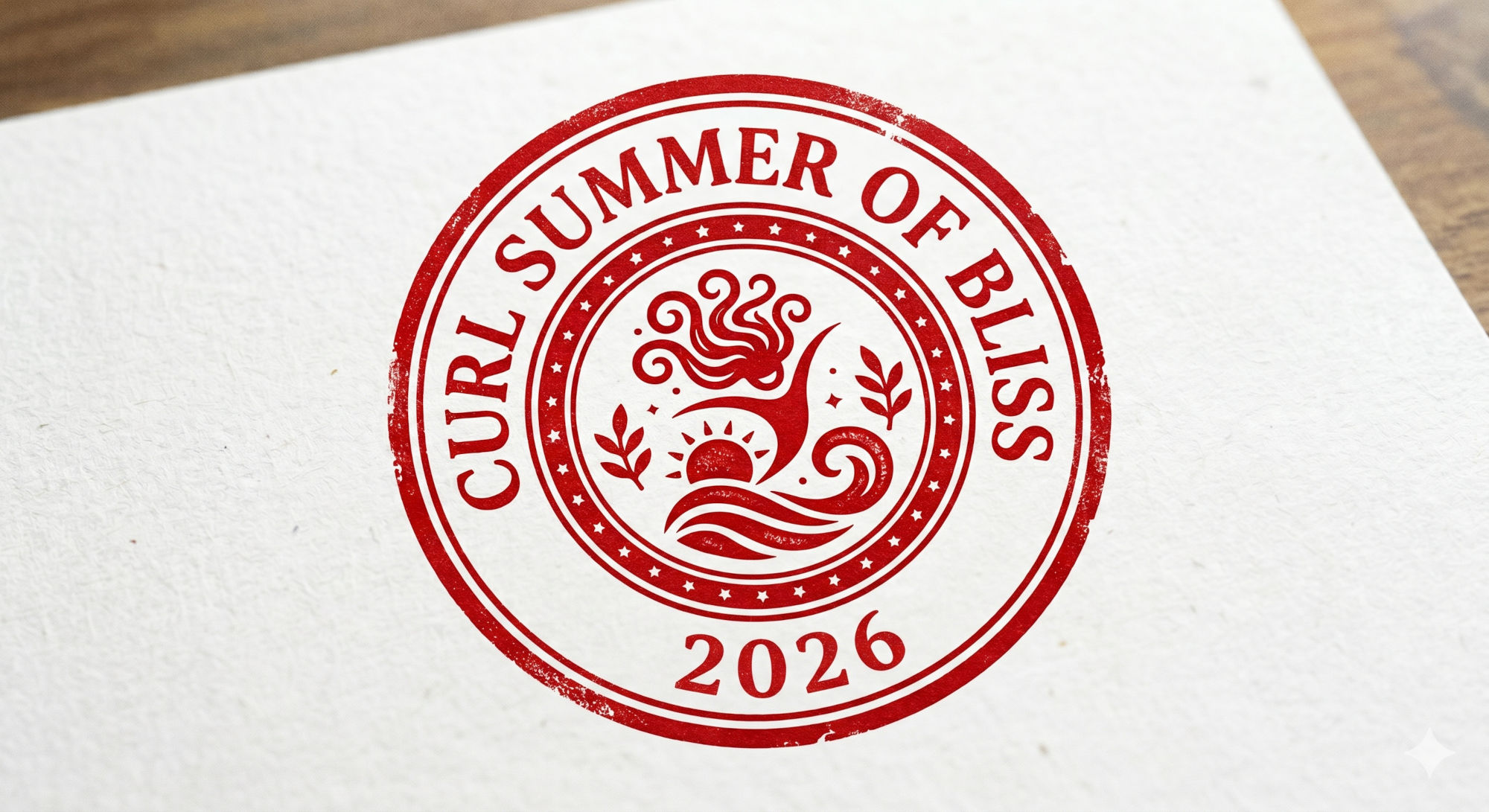
The policy is absolute: beginning at 00:00 CEST on July 1, 2026, the project’s dedicated submission portal on HackerOne will be shuttered. Simultaneously, the security-specific email channels will be monitored by an automated "dead end" system, ensuring that any reports sent during this window will not be processed, acknowledged, or acted upon until the team returns.
The hiatus is strictly time-bound. Submissions will resume on Monday, August 3, 2026, at 09:00 CEST. While this might alarm security researchers and organizations relying on the curl library, the project maintainers have been clear: if a discovery is made during July, it must remain private or be withheld until the project returns to an active state in August.
Crucially, this pause does not extend to the general development workflow. The curl GitHub repositories, including issue trackers for non-security bugs and pull-request queues, will remain fully functional. The team is not going dark; they are simply stepping back from the high-stress, "always-on" nature of security vulnerability management.

Chronology of the "Summer of Bliss"
- June 2026: The official announcement of the policy shift, framed as a necessary measure following months of intense pressure.
- July 1, 2026 (00:00 CEST): Official start of the "Summer of Bliss." HackerOne portals and security email channels are deactivated.
- July 2026: The project enters a "maintenance-only" phase for general code, with developers encouraged to take personal leave, pursue side projects, or focus on non-urgent refactoring.
- August 3, 2026 (09:00 CEST): Official resumption of security vulnerability intake.
- September 2, 2026: The rescheduled release date for version 8.22.0, pushed back by two weeks to accommodate the backlog of post-vacation work.
Supporting Data: The Cost of Perpetual Vigilance
The decision to pause operations follows a sustained period of "huge pressure" that has defined the project’s trajectory for the first half of 2026. Maintaining a piece of software as widely distributed as curl requires a level of constant scrutiny that often leads to developer burnout.
By analyzing the cadence of recent releases and the volume of incoming security reports, it becomes clear that the project has been operating at an unsustainable tempo. The "Summer of Bliss" serves as a controlled decompression chamber for the maintainers. This is not merely a vacation; it is a structural intervention aimed at preventing the "leaky bucket" syndrome common in open-source development, where maintainers are so overwhelmed by incoming reports that the quality of both security triage and long-term feature development suffers.
The delay of the 8.22.0 release, now slated for September 2, 2026, is a direct consequence of this policy. The team has explicitly stated that they require a two-week "cushion" upon returning in August to process the inevitable backlog that will have accumulated during their absence, illustrating the sheer volume of work the project handles in a standard 30-day window.
Official Responses and Strategic Rationale
Daniel Stenberg, the lead maintainer of curl, has been the primary architect of this initiative. In his correspondence, the message is consistent: sustainability is a prerequisite for security.
"The curl maintainers will use this time of less pressure to take in some extra air and to enjoy the summer," the project stated in a recent dispatch. The team emphasizes that while the "bad guys" may not rest, the project’s own health is the top priority. If the maintainers burn out, the project dies—an outcome far more dangerous to the global software ecosystem than a one-month pause in report processing.
The project has explicitly excluded users with paid support contracts from this hiatus. Clients who have invested in formal support structures will continue to receive uninterrupted service. This distinction highlights a growing trend in open source: the bifurcation of "community-supported" software, which functions on a best-effort basis, and "enterprise-grade" support, which remains a contractual obligation even when the community team is offline.
Implications: A Shift in Open Source Culture?
The "Summer of Bliss" serves as a case study for the future of open-source sustainability. For years, the industry has operated under the implicit assumption that open-source software is an infinite resource—free, high-quality, and infinitely responsive. The curl project’s refusal to accept this paradigm challenges the industry to reconsider how it values volunteer labor.
1. The Normalization of Boundaries
By institutionalizing a "break," curl is providing a blueprint for other projects to follow. If the core team behind one of the most important pieces of software on the planet can demand a month of rest, it empowers smaller, less-resourced projects to set similar boundaries.
2. Risk Mitigation for Security Researchers
Security researchers who habitually submit to curl may find themselves in a precarious position during July. If a zero-day vulnerability is discovered, the standard disclosure protocols are essentially nullified for thirty days. This creates a "blackout" period that could theoretically be exploited by bad actors. However, the project counters that a well-rested team is more capable of handling complex security incidents than an exhausted, over-burdened one.
3. The "Contractual" Future of Security
The exclusion of paid support contracts from this hiatus suggests that the most critical components of the internet may eventually move toward a model where security is only guaranteed for paying entities. This raises questions about the "free" internet, implying that as open-source projects reach a certain level of criticality, they may become unable to sustain themselves through volunteerism alone.
4. Setting a Precedent
The project has actively encouraged other open-source maintainers to adopt their own versions of a "Summer of Bliss." Whether this leads to a widespread movement or remains a unique quirk of the curl project remains to be seen. However, the conversation regarding "developer health" has moved from the fringes of social media to the center of software project management.
Conclusion: A Necessary Reset
The curl "Summer of Bliss" is a defiant act of self-preservation. It is a reminder that behind every line of code, every patch, and every security advisory, there is a human being. By choosing to step back, the curl maintainers are not abandoning their responsibility; they are ensuring that they have the longevity to continue their work for years to come.
As the digital world becomes increasingly dependent on foundational libraries like curl, the sustainability of the individuals who build and protect them is not just a secondary concern—it is a critical security imperative. When the team returns in August, refreshed and ready to tackle the complexities of version 8.22.0, the project will likely be more resilient for having taken the time to breathe.
For the rest of the open-source world, July 2026 will serve as a bellwether. If the project survives the month unscathed, it may well prove that the most radical thing an open-source project can do to improve its security is to simply stop working for a while.
 Reynand Wu
  Layla Zulfa
  Nana Wu