
 By Ali Ikhwan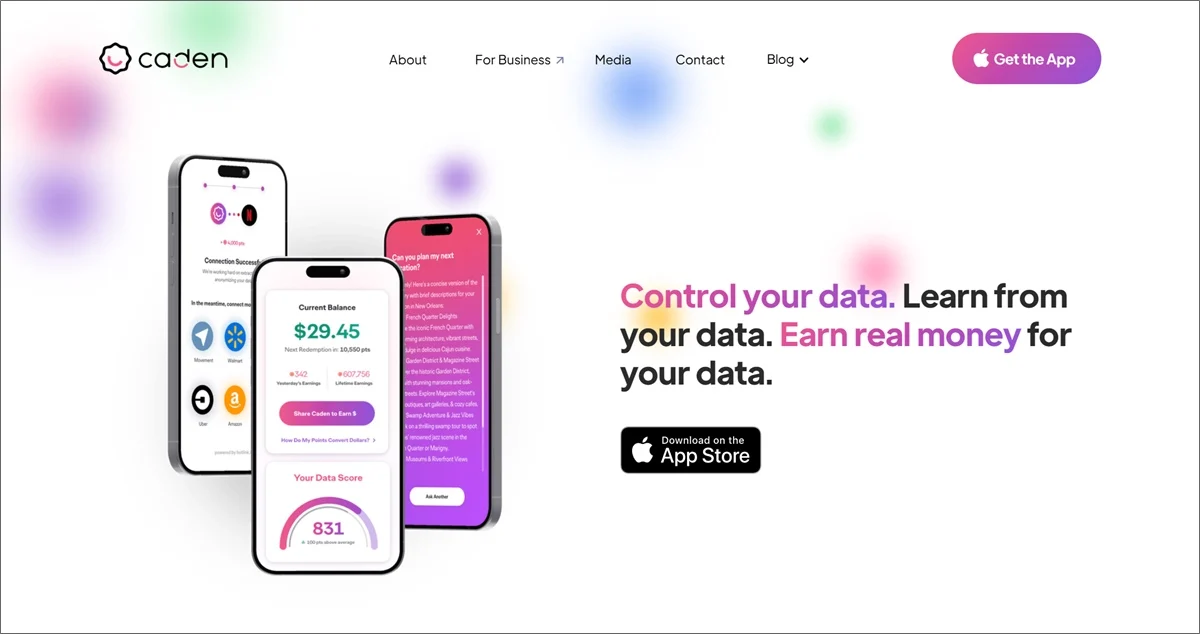
In an era where data is frequently described as the "new oil," the average individual generates a staggering amount of digital exhaust. Every search query, every GPS coordinate, every online purchase, and even the ambient audio captured by smart devices contributes to a global big data market projected to reach an estimated $516 billion by 2031. For decades, this information was harvested by tech giants—Google, Meta, and others—without direct compensation to the user. However, a shifting landscape is empowering consumers to reclaim ownership of their digital footprint, turning passive daily activities into a legitimate, albeit modest, revenue stream.

The Evolution of Data Monetization
The concept of "data for dollars" is not entirely new, but its accessibility has surged alongside the growth of mobile computing. Historically, participating in market research required long-form surveys or attending in-person focus groups. Today, the process has become nearly frictionless, thanks to background-running applications and automated tracking services.

The shift is largely driven by a demand for high-fidelity consumer insights. Companies are willing to pay for "anonymized" usage patterns to better understand consumer trends, competitive pricing, and media consumption habits. As individuals now generate an estimated 146MB of data every single day, the cumulative value of this information has prompted the rise of "data-sharing" platforms that offer a slice of the pie back to the user.

Primary Methods for Generating Data Income
There are three main categories through which individuals are currently monetizing their data: passive background tracking, receipt and transaction scanning, and active participation in consumer panels.

1. Passive Background Tracking
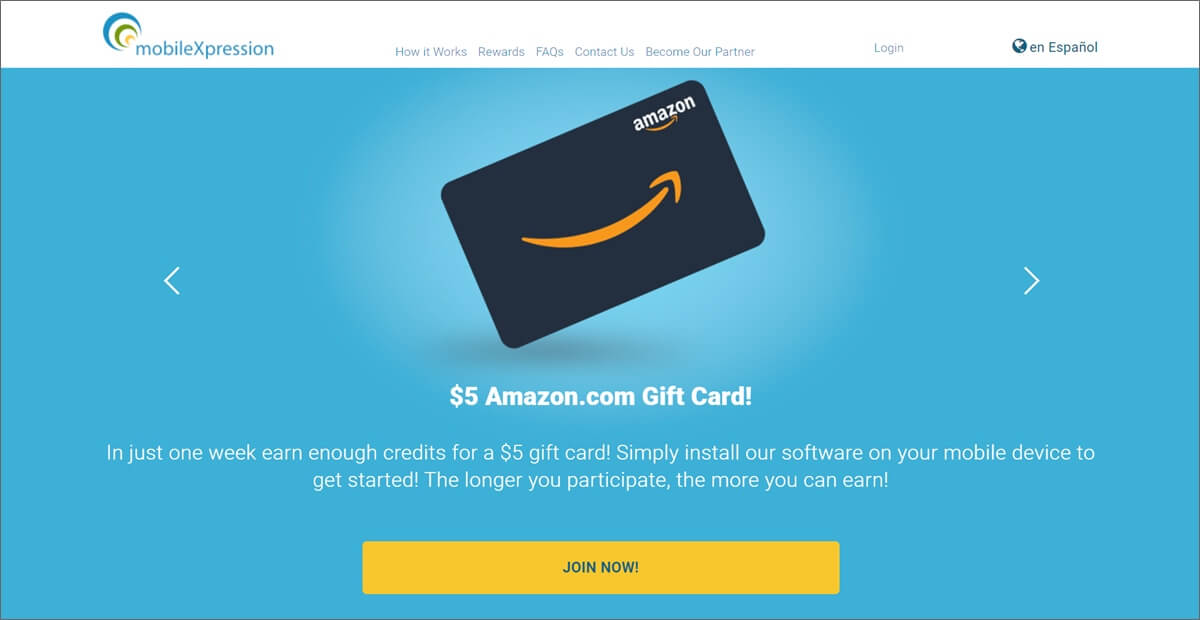
This is the most "set-it-and-forget-it" method available. Platforms like the Nielsen Computer and Mobile Panel and MobileXpression rely on users installing lightweight software on their devices. These apps operate in the background, observing how you browse the web and which apps you utilize.

- Nielsen Computer & Mobile Panel: Leveraging the brand recognition of the long-standing TV ratings giant, this service rewards users for simply keeping their software active. Users can earn up to $60 annually in gift cards.
- SavvyConnect: Similar to Nielsen, this program focuses on desktop and mobile web surfing. By keeping the app active across multiple devices, users can potentially earn upwards of $180 per year.
- Honeygain: This represents a more technical approach, where users share their unused internet bandwidth with data scientists for web scraping and market research purposes. While it promises earnings of up to $50 a month, users must remain mindful of their data caps and network security.
2. Receipt and Transaction Scanning
For those who prefer not to have background tracking software on their phones, receipt-based rewards programs offer a more controlled, manual alternative.
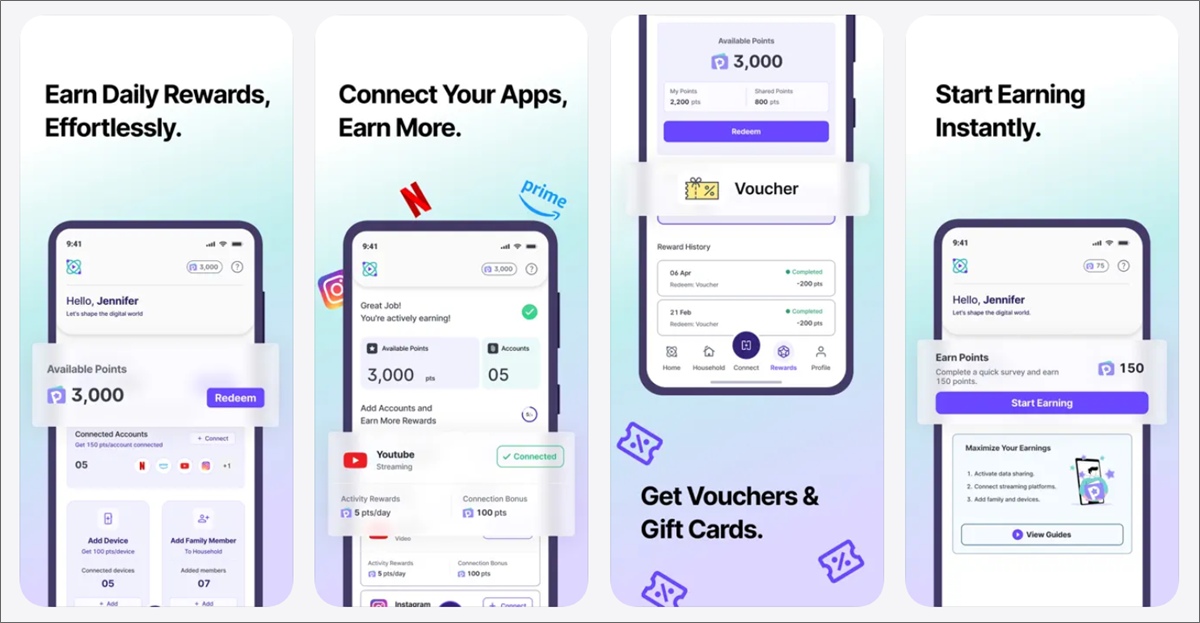
- Fetch: This app allows users to scan any grocery or retail receipt to earn points, which are then converted into gift cards. It is widely considered one of the easiest ways to earn cash back on everyday purchases.
- Ibotta: A veteran in the space, Ibotta requires users to select specific offers before scanning their receipts. Because it provides higher incentives for specific brand engagement, it can be significantly more lucrative than passive scanning, with some users reporting over $100 in annual earnings.
- CoinOut: Designed for simplicity, CoinOut allows users to upload receipts for instant, albeit smaller, rewards, making it a low-effort addition to one’s financial routine.
3. Specialized Consumer Panels
For a more active role, organizations like the National Consumer Panel (NCP) invite users to scan product barcodes. This provides researchers with granular data on what items are entering American households, offering a direct link between physical shopping habits and financial incentives.

Supporting Data and Financial Realities
It is essential to maintain a realistic perspective on these side hustles. While the "Big Data" industry is worth hundreds of billions, the individual slice of that market is relatively small.

- Earning Potential: If an individual were to utilize a combination of the services mentioned above, the annual return would likely cap out at approximately $500. This is not a replacement for a full-time income, but rather a "micro-earning" strategy.
- The "Cost" of Data: The primary cost is not monetary, but privacy. Users must be comfortable with the fact that their browsing habits, location history, and purchase logs are being commodified. While companies emphasize that data is "anonymized," the trade-off remains a personal decision for every consumer.
Official Stances and Security Implications
The companies operating in this space, such as Nielsen and Comscore (the parent of MobileXpression), often operate under strict regulatory frameworks. They emphasize that the data collected is aggregated and stripped of personally identifiable information (PII).

However, privacy advocates suggest that even anonymized data can be "de-anonymized" when cross-referenced with other data sets. Before signing up, users are advised to:
- Read the Privacy Policy: Understand exactly what data points (e.g., location, keystrokes, contact lists) are being accessed.
- Verify the Company: Stick to established, publicly traded, or well-vetted market research firms.
- Audit Permissions: Regularly review the permissions granted to these apps on your smartphone settings.
Alternative Income Streams
If the data-for-dollars trade-off feels insufficient, many of these platforms are gateways to more robust "side hustles" that leverage the same research ecosystem but provide higher hourly rates.

Online Focus Groups and Research
Platforms like UserInterviews or Prolific serve as intermediaries for academic and corporate research. Unlike passive data tracking, these platforms require active participation—usually 30 to 60 minutes of your time in an online interview. The compensation is significantly higher, often ranging from $50 to $150 per study.

Leveraging Spending Habits
The most effective way to "make money" from your data is to use the data-collection mechanisms already employed by credit card issuers. By utilizing cards like the Capital One Quicksilver, consumers earn cash back on every dollar spent. When combined with a strategic sign-up bonus, the return on your daily spending often dwarfs what you could earn from passive tracking apps.

Asset-Based Side Hustles
For those interested in more substantial ventures, platforms like Arrived allow for fractional real estate investing, enabling individuals to earn passive income from rentals with as little as $100. Similarly, Sharetown allows individuals to act as local representatives for furniture returns, turning logistics into a side business that can yield $150–$250 per item.

Implications for the Future
The rise of data-monetization apps suggests a fundamental shift in how we view digital privacy. We are moving toward a "data dividend" model where the user is no longer the product, but a participant in a market transaction.

As regulatory bodies like the EU’s GDPR and California’s CCPA continue to strengthen digital rights, we may see more companies forced to offer value in exchange for user data. For the individual, the path forward is clear: the most successful participants will be those who curate their digital footprint, choosing which data to sell for a profit and which to keep private for security.

Frequently Asked Questions (FAQ)
Q: Is it safe to give these apps my data?
A: Reputable companies like Nielsen and Comscore have been in business for decades and use data for legitimate market research. However, always ensure you are downloading apps from official app stores and understand the level of access you are granting to your device.

Q: Can I really get rich by selling my data?
A: No. Selling your data is a micro-earning strategy. Even with multiple apps, the realistic expectation is around $500 per year.

Q: Do these apps slow down my computer or phone?
A: Because these apps run in the background, they can consume device resources. Users with older hardware may notice a performance impact, particularly with apps that require persistent connectivity.

Q: Are there tax implications for these earnings?
A: In most jurisdictions, rewards and cash-back incentives are considered rebates on purchases rather than taxable income, but it is always best to consult with a tax professional regarding your specific total earnings.

Disclaimer: The information provided in this article is for educational purposes only. All earnings mentioned are estimates and vary based on individual usage and platform availability. Always perform your own due diligence before installing third-party software or linking financial accounts to any service.
 rifanmuazin
  Basiran
  Layla Zulfa