
 By Azzam Bilal Chamdy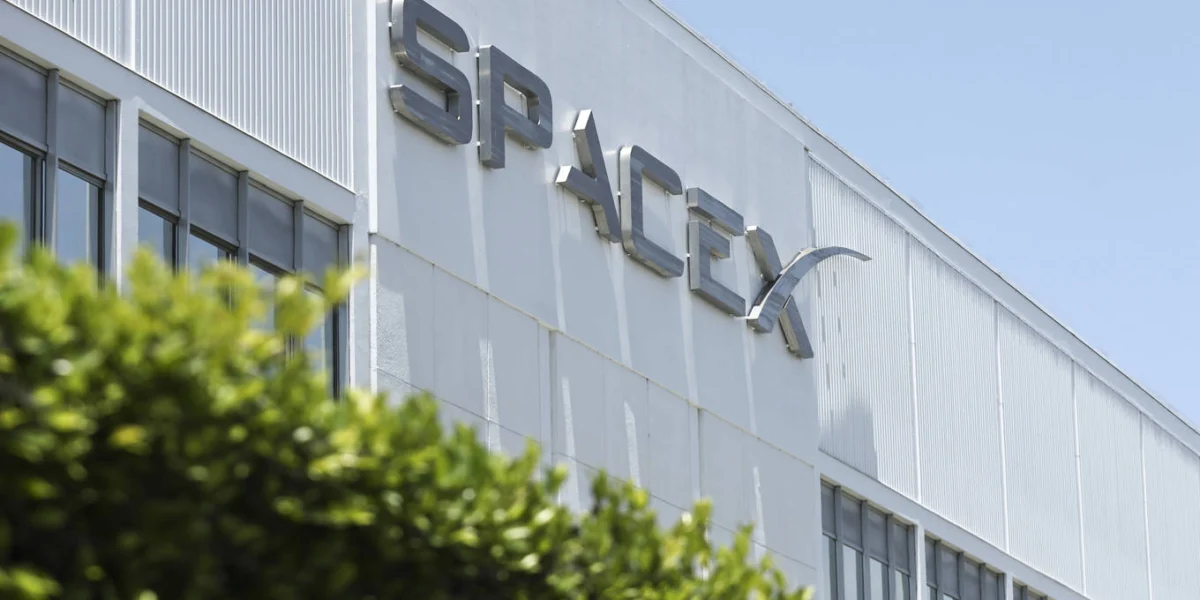
The Big Picture: A Market Built on Silicon Foundations
The global financial landscape has reached a precarious inflection point. As of mid-2026, the United States and international markets exhibit a profound, perhaps dangerous, dependency on the technology sector. Recent stock-market gyrations serve as a sharp reminder that the modern economy is increasingly tethered to the "insatiable appetite" of investors for tech equities. This concentration of wealth and influence—centered around a handful of firms—has created a paradox: while the market expresses extreme volatility, the structural dominance of Big Tech appears more resilient than ever.
The central question facing economists today is not merely whether a market correction is coming, but whether the traditional mechanisms of regulatory oversight and competitive pressure are still capable of reining in companies that have effectively outgrown the frameworks intended to govern them.
Chronology: The Ascent of the Tech Hegemony
To understand the current state of the markets, one must look back at the trajectory of the last decade:
- 2020–2022 (The Pandemic Catalyst): The rapid digitalization forced by global lockdowns accelerated the growth of Big Tech, turning essential digital infrastructure providers into the primary beneficiaries of the global economy.
- 2023–2024 (The AI Arms Race): Massive capital expenditure into Generative AI solidified the dominance of the "Cloud Giants." By monopolizing the computing power and talent required for AI, these firms created high barriers to entry that have effectively frozen out smaller competitors.
- 2025 (Regulatory Friction): Global regulators, particularly in the EU and the US, launched a series of antitrust probes. However, these were largely met with "regulatory capture" or superficial settlements that did little to alter the underlying business models of the tech giants.
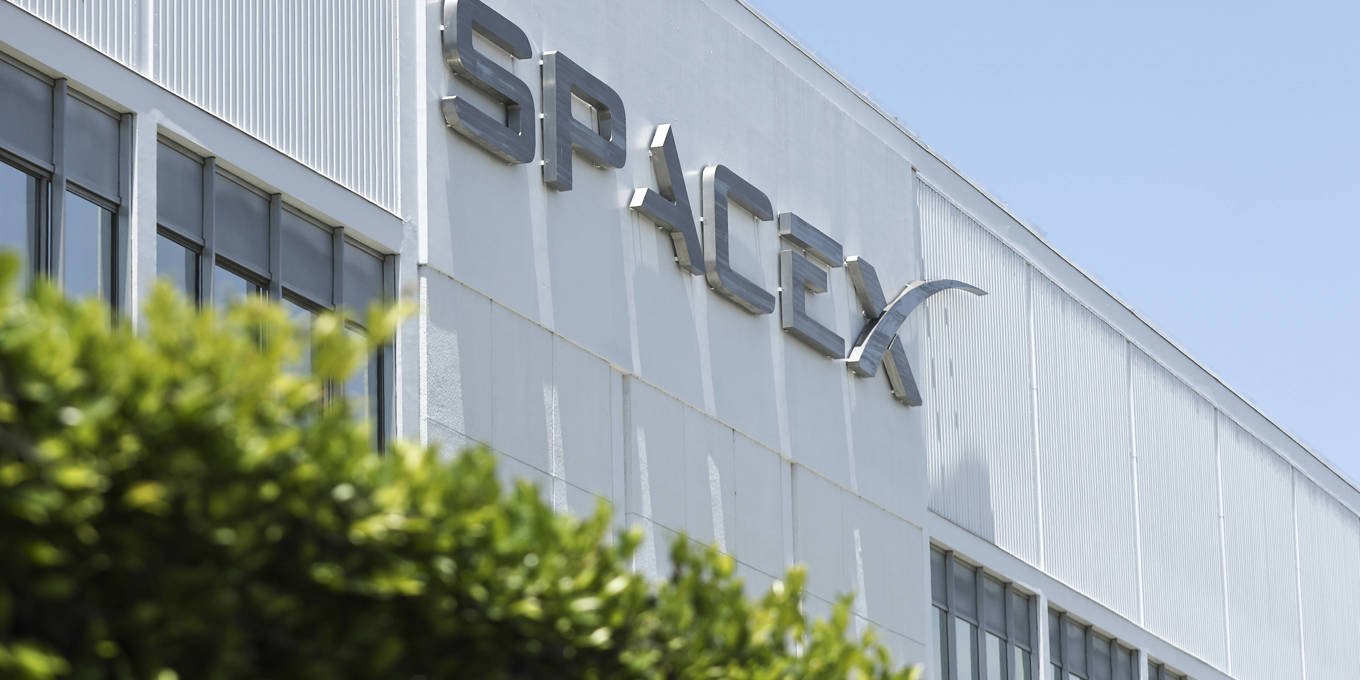
- June 2026 (The Current Inflection): As markets show signs of exhaustion, the impending SpaceX IPO looms as a massive liquidity vacuum, poised to draw in further leveraged investment, potentially masking underlying weaknesses in the broader tech index.
Supporting Data: The Concentration of Capital
The data paint a stark picture of modern market composition. In 2026, the top five technology companies by market capitalization account for an unprecedented percentage of the S&P 500’s total valuation.

Market Concentration Metrics
- Index Dependency: Over 30% of the S&P 500’s performance in the first half of 2026 can be attributed to just three firms. This concentration creates a "single point of failure" for pension funds and retail portfolios alike.
- Leverage Ratios: Institutional data suggests that margin debt used specifically for tech-sector exposure is at a ten-year high. Investors are borrowing against their current gains to double down on the perceived inevitability of tech growth.
- R&D vs. Acquisitions: While companies claim to be focused on innovation, the majority of their growth continues to come from "killer acquisitions"—the practice of buying nascent competitors before they can threaten existing market share, a strategy that regulators have historically struggled to prove in court.
Official Responses and Regulatory Silence
Government agencies find themselves in a precarious position. The Federal Trade Commission (FTC) and the Department of Justice (DOJ) have issued multiple statements regarding the need for "fair competition in the digital age." Yet, the reality on the ground is more complex.
The Regulatory Dilemma
Most regulators acknowledge that breaking up these firms could lead to immediate, catastrophic market instability. As one anonymous senior advisor to the Treasury noted, "We are in a position where the health of the American retirement system is functionally identical to the health of the Big Tech balance sheet. Any aggressive move to dismantle these entities triggers a market-wide selloff that we are currently ill-equipped to manage."

Meanwhile, industry lobbyists argue that the sheer scale of these companies is necessary to compete with state-backed technological initiatives from abroad. This "national interest" narrative has become the primary defense for tech giants against antitrust enforcement, effectively stalling legislative efforts to impose structural change.
Implications: The Long-Term Economic Outlook
The implications of this trajectory are profound, impacting everything from labor markets to the stability of the global currency.

1. The Death of Competitive Innovation
When venture capital is funneled exclusively into startups that are "exit-ready" (meaning they are designed to be bought by a tech giant), true innovation is stifled. The "ecosystem" of the tech sector has become a feeding ground rather than a competitive landscape. This leads to long-term stagnation, as companies prioritize features that defend their moat over those that create genuine consumer value.
2. The SpaceX IPO and Systemic Risk
The upcoming SpaceX IPO is viewed by analysts as a "market-clearing event" in the wrong direction. By drawing in more capital, it may provide a temporary boost to sentiment. However, if the broader tech sector begins to contract, the debt-leveraged nature of this investment will exacerbate the downside, potentially triggering margin calls that force the liquidation of more stable assets to cover tech losses.

3. The Shift in Political Power
The power wielded by these corporations now exceeds that of many medium-sized nation-states. Their ability to influence public discourse, set standards for data privacy, and control the flow of information gives them a "soft power" that regulators are not equipped to handle. The democratic oversight of the digital economy has effectively been outsourced to private corporate boards.
4. Societal Inequality
The wealth generated by the tech surge has been highly concentrated, exacerbating the divide between the "tech-invested" class and the wage-earning population. As the stock market becomes decoupled from the realities of the labor market, the political pressure for populist economic policy will likely intensify, leading to an era of heightened social friction.

Conclusion: Preparing for the Unavoidable Correction
While the tech giants have perfected the art of dodging regulatory scrutiny, they cannot indefinitely escape the laws of economic gravity. The reliance on cheap capital, fueled by low interest rates of the past and the recent AI hype cycle, is beginning to fray.
Investors are advised to look beyond the "big picture" headlines. True resilience in the coming years will not be found in the inflated valuations of firms that rely on anti-competitive tactics, but in sectors that provide tangible utility and are less susceptible to the whims of tech-centric market bubbles. Whether this correction happens through a slow, painful deflation or a sudden, sharp crash, one thing is clear: the era of unchecked Big Tech expansion is reaching its inevitable limit.

As we look toward the second half of 2026, the question is not whether the tech giants will fall—but how much of the global economy they will take with them when the bubble finally bursts. Investors, regulators, and citizens must brace for a transition period defined by volatility, restructuring, and a fundamental reassessment of the role technology plays in our democratic and economic life.
 Dwi Wanna
  rifanmuazin
  Evan Lee Salim