
 By Iffa Jayyana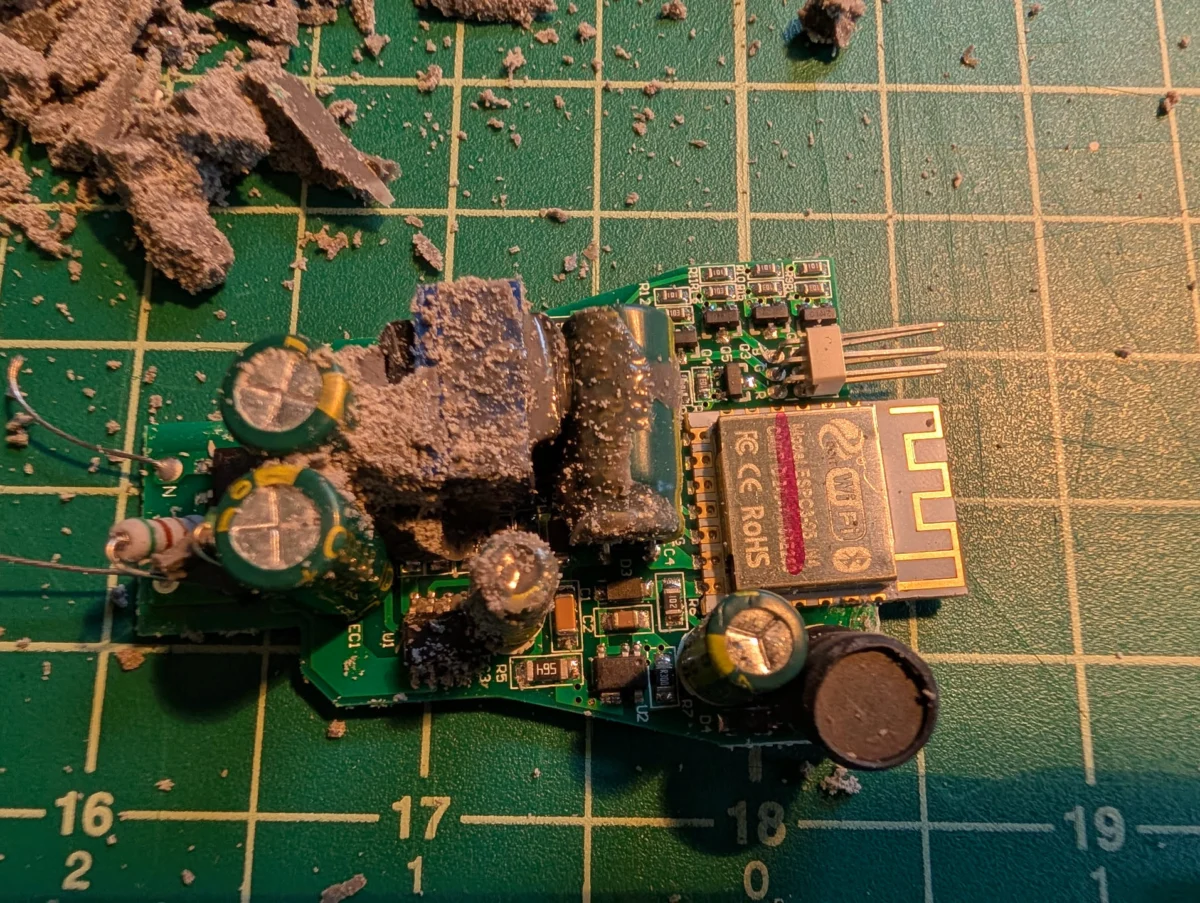
In an era of increasing digital censorship and the fragility of cloud-dependent smart home ecosystems, a quiet, hardware-focused revolution is taking shape. Richard Osgood, an engineer and tinkerer, has unveiled the "Banned Book Library"—a project that repurposes ubiquitous, inexpensive WiFi-enabled smart light bulbs into clandestine, localized information distribution points. By transforming everyday IoT (Internet of Things) hardware into "digital dead drops," Osgood aims to ensure that marginalized or restricted literature remains accessible, even in environments where the open internet is heavily filtered or entirely blocked.

The Genesis of a Cyberpunk Dead Drop
The conceptual roots of the Banned Book Library trace back to a short story titled Library by Ben Brown. The narrative explores a future where citizens maintain clandestine archives of human knowledge—manuals, literature, and 3D models—to prevent their erasure from a volatile, centralized internet. Inspired by this, Osgood envisioned a device that could be deployed in public spaces to host local digital repositories.
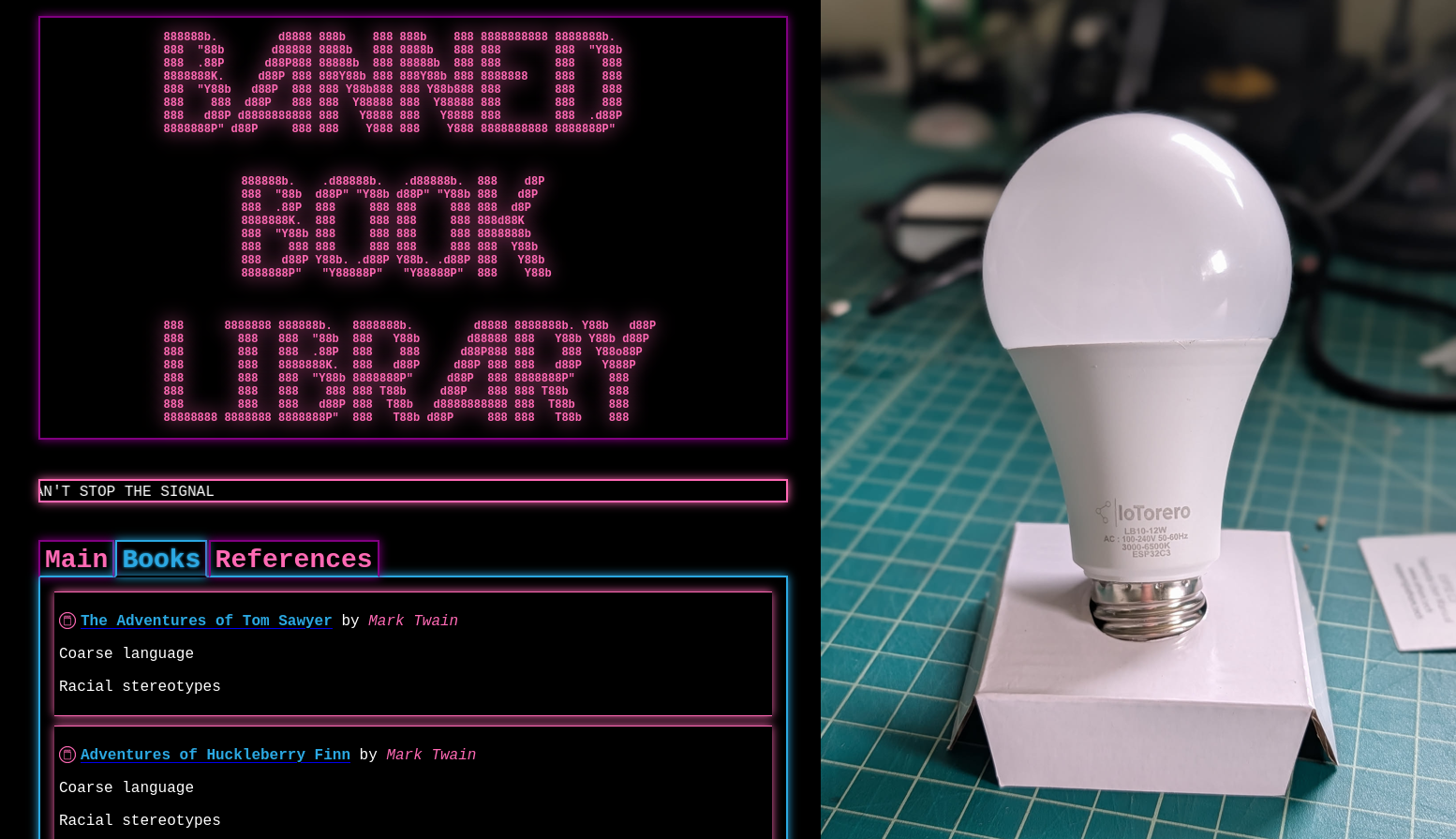
"The idea was that if you lived somewhere that banned books you thought were important, you could theoretically stick a digital copy on one of these light bulbs," Osgood explains. Because smart bulbs are inexpensive and inherently designed to blend into the background of a community, they serve as the perfect physical vessel for a "cyberpunk digital dead drop." As long as the bulb is powered, anyone in the immediate vicinity can connect via WiFi and browse the stored material on their own devices.
Chronology: From Concept to Circuitry
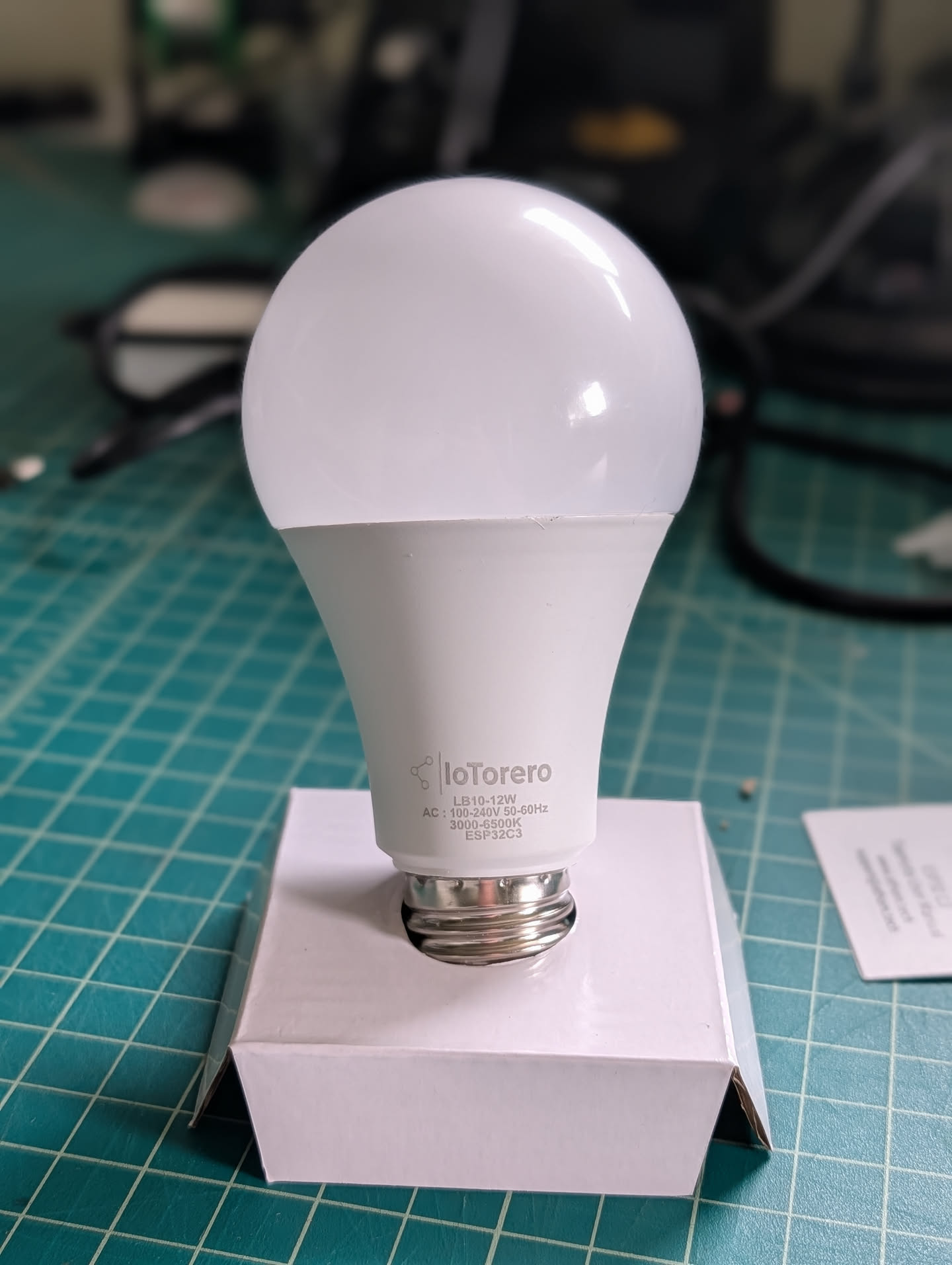
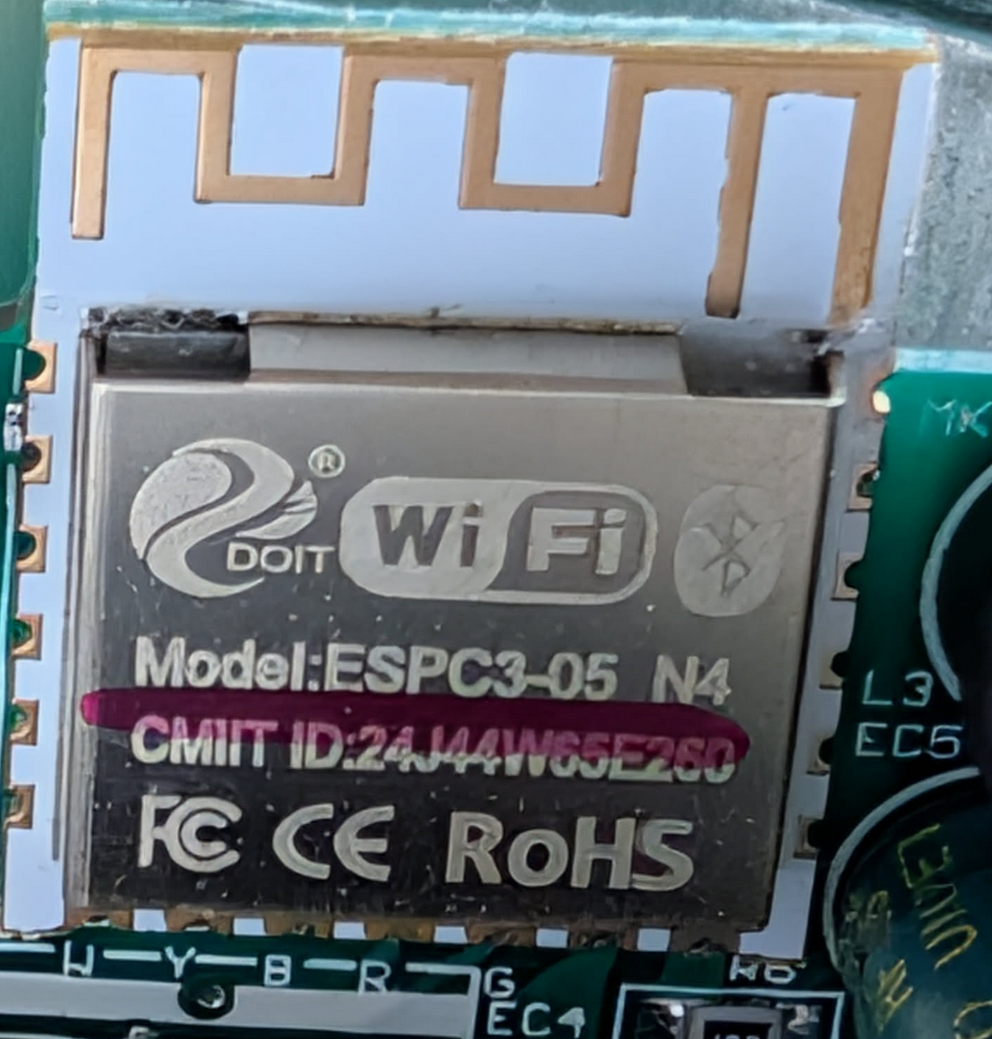
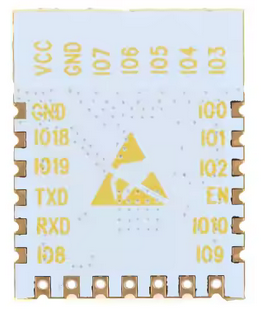
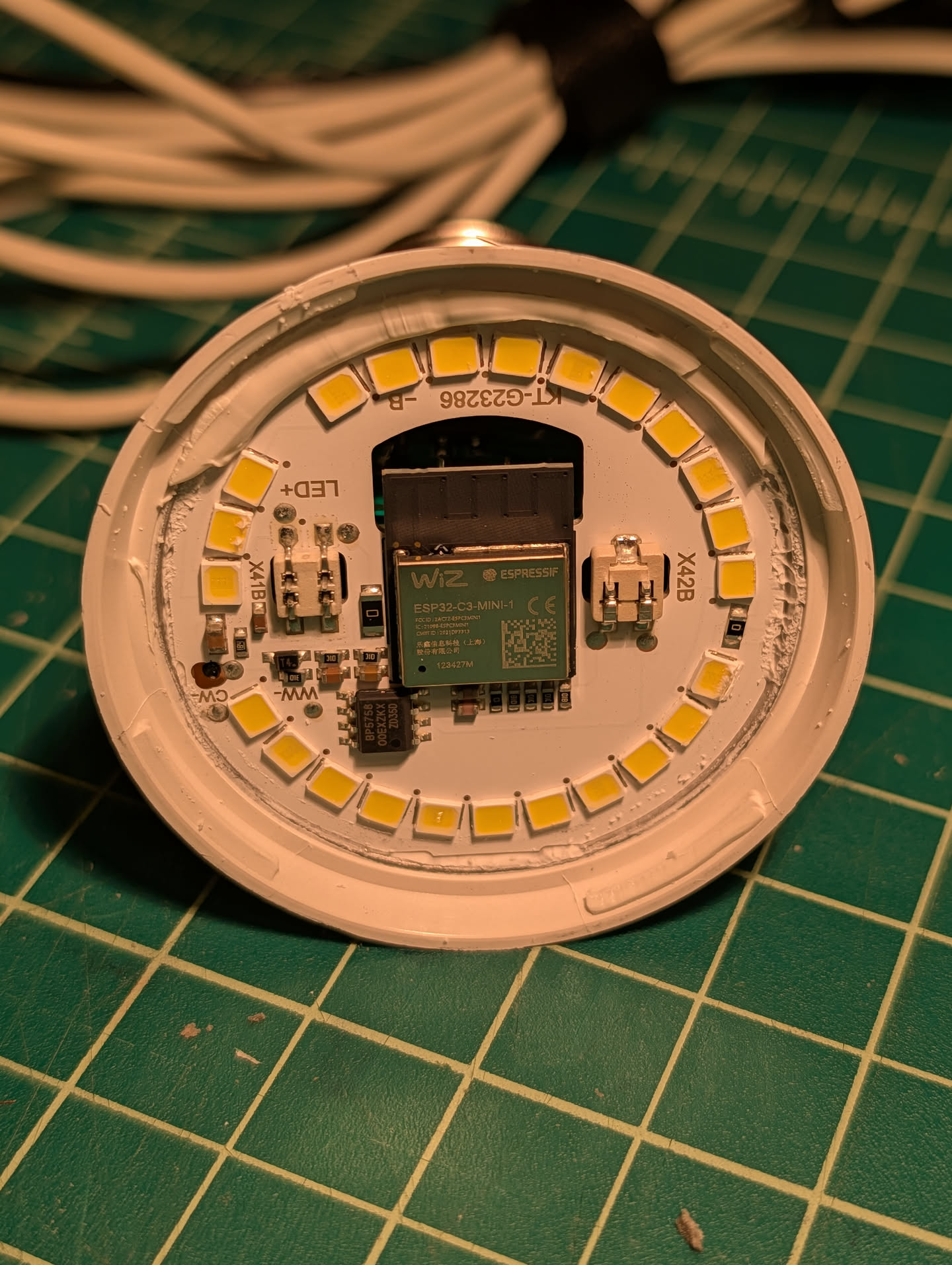
The project began in earnest a few months ago, following discussions at a DEFCON local meetup. The initial challenge was selecting hardware that provided both flexibility and anonymity. Osgood settled on off-the-shelf WiFi light bulbs utilizing the ESP32C3 microcontroller. These chips are powerful, inexpensive, and widely supported by the open-source community.
The Teardown Process
Osgood’s initial research led him to Tasmota, an open-source firmware designed to liberate IoT devices from restrictive, cloud-dependent manufacturers. However, Osgood soon realized that a standard Tasmota implementation would not suffice for his specific storage needs.
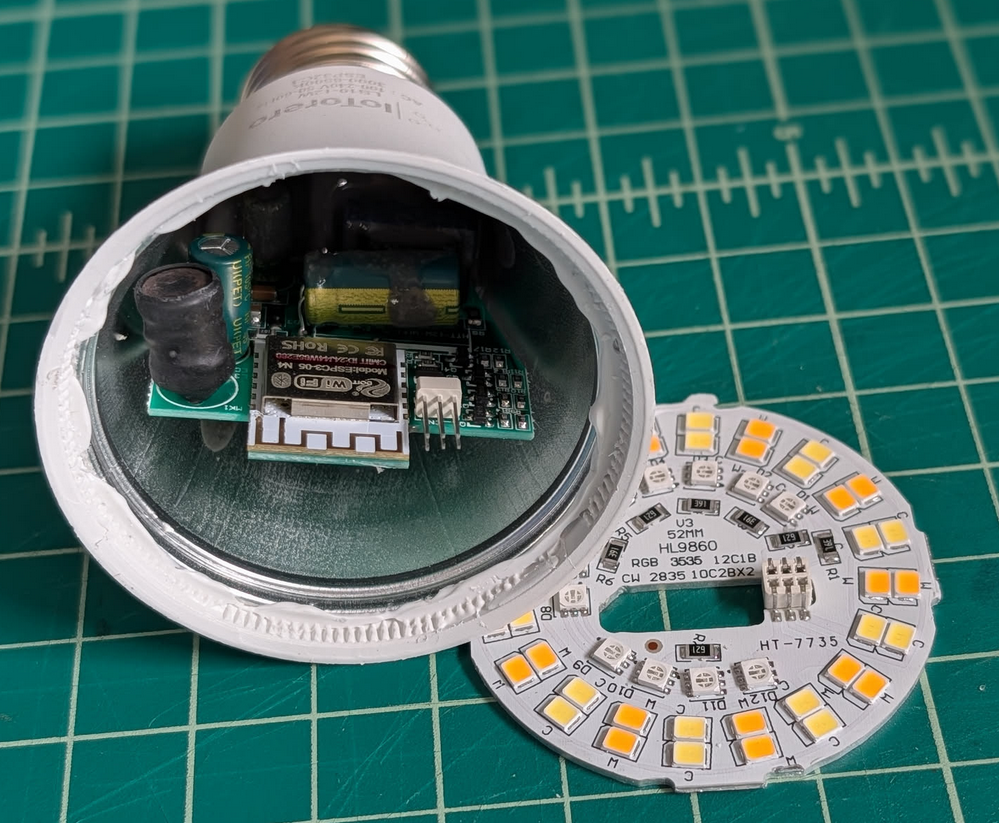
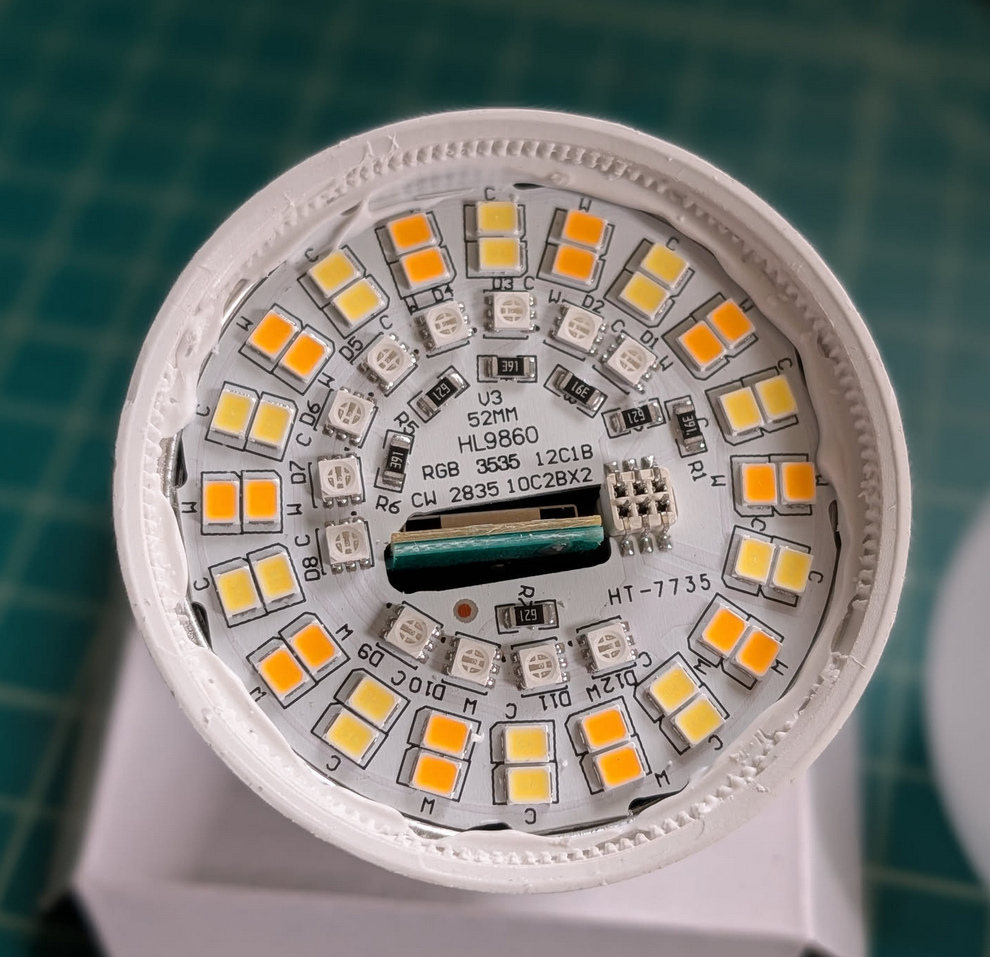
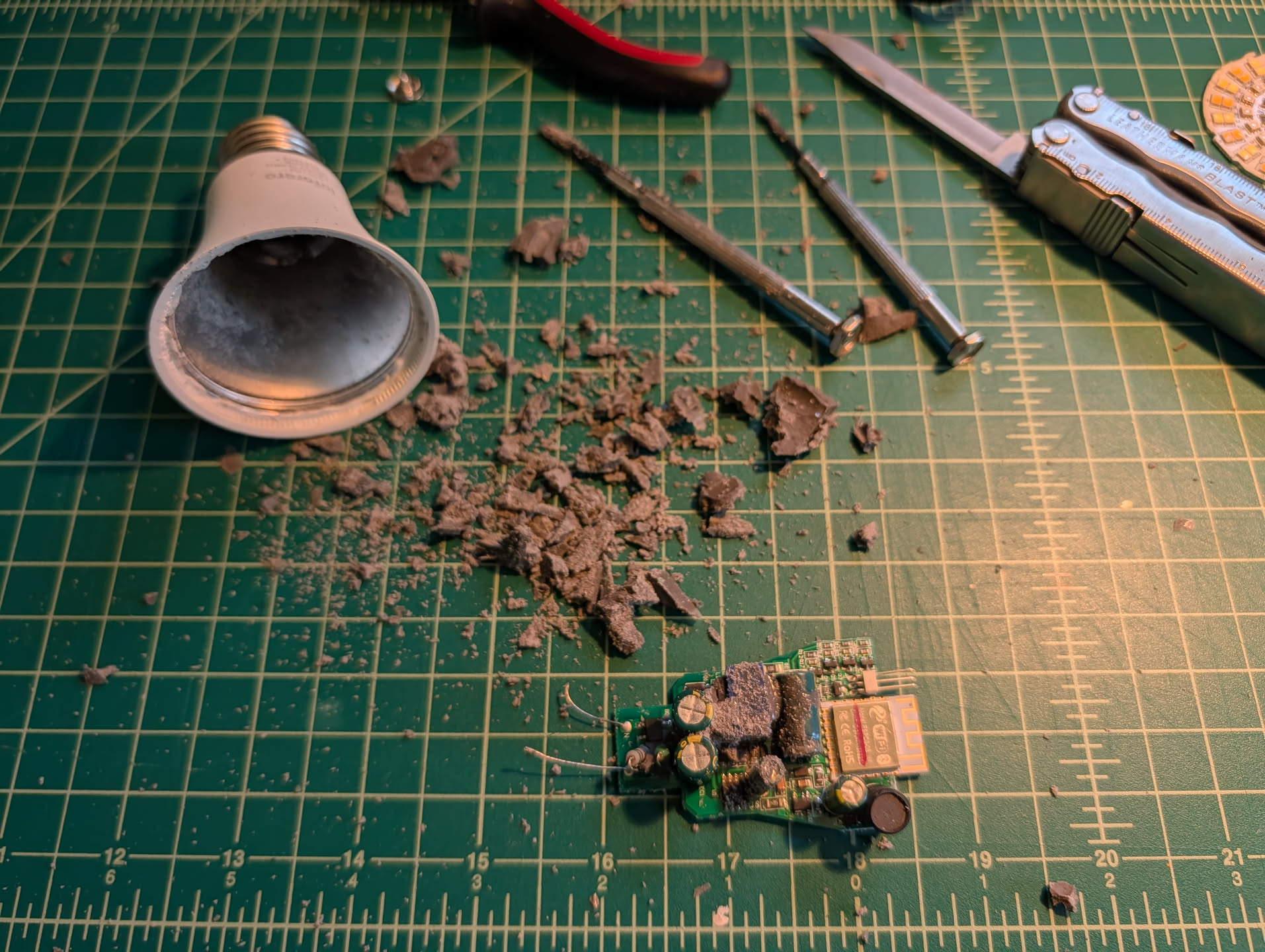
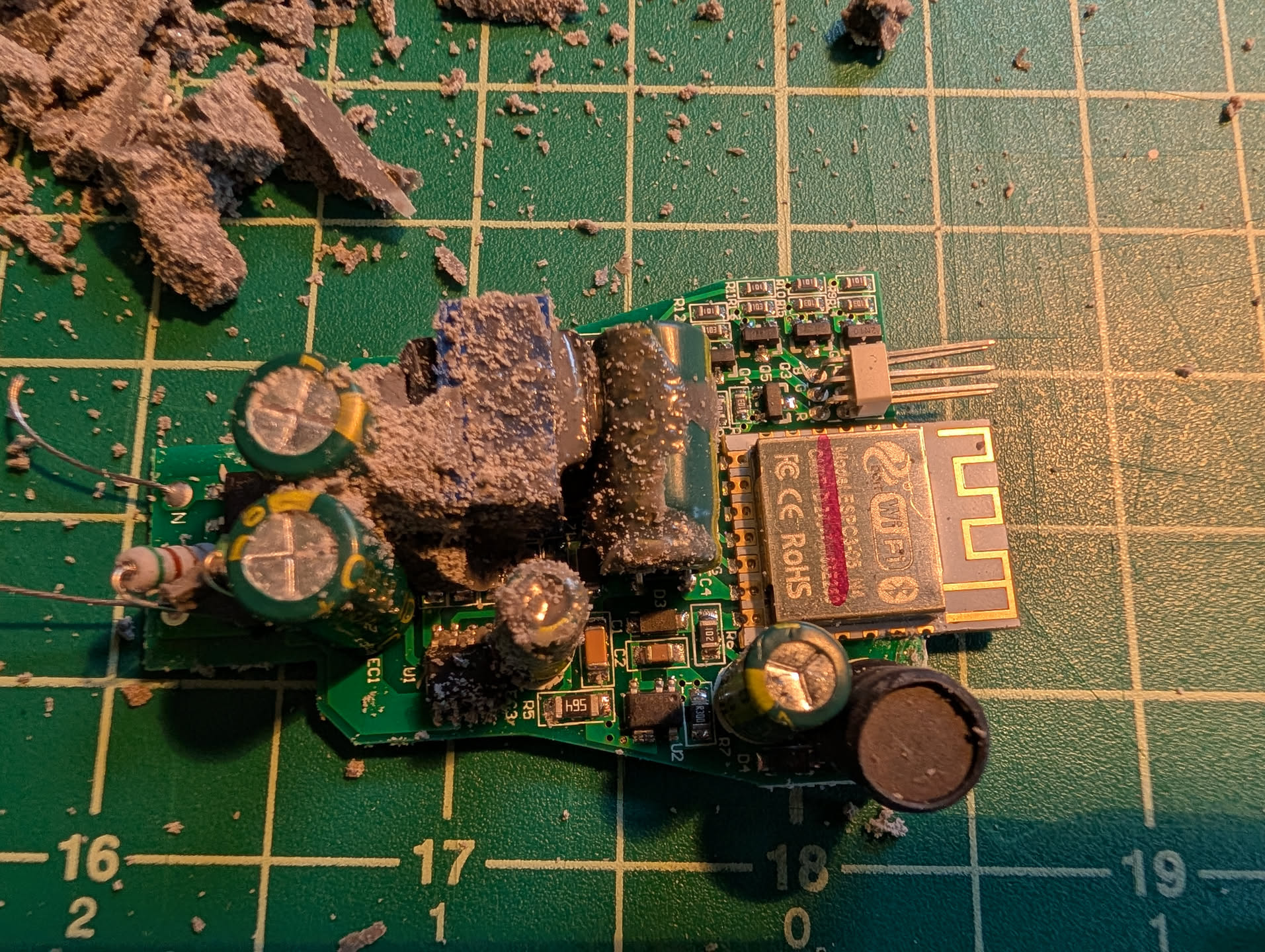
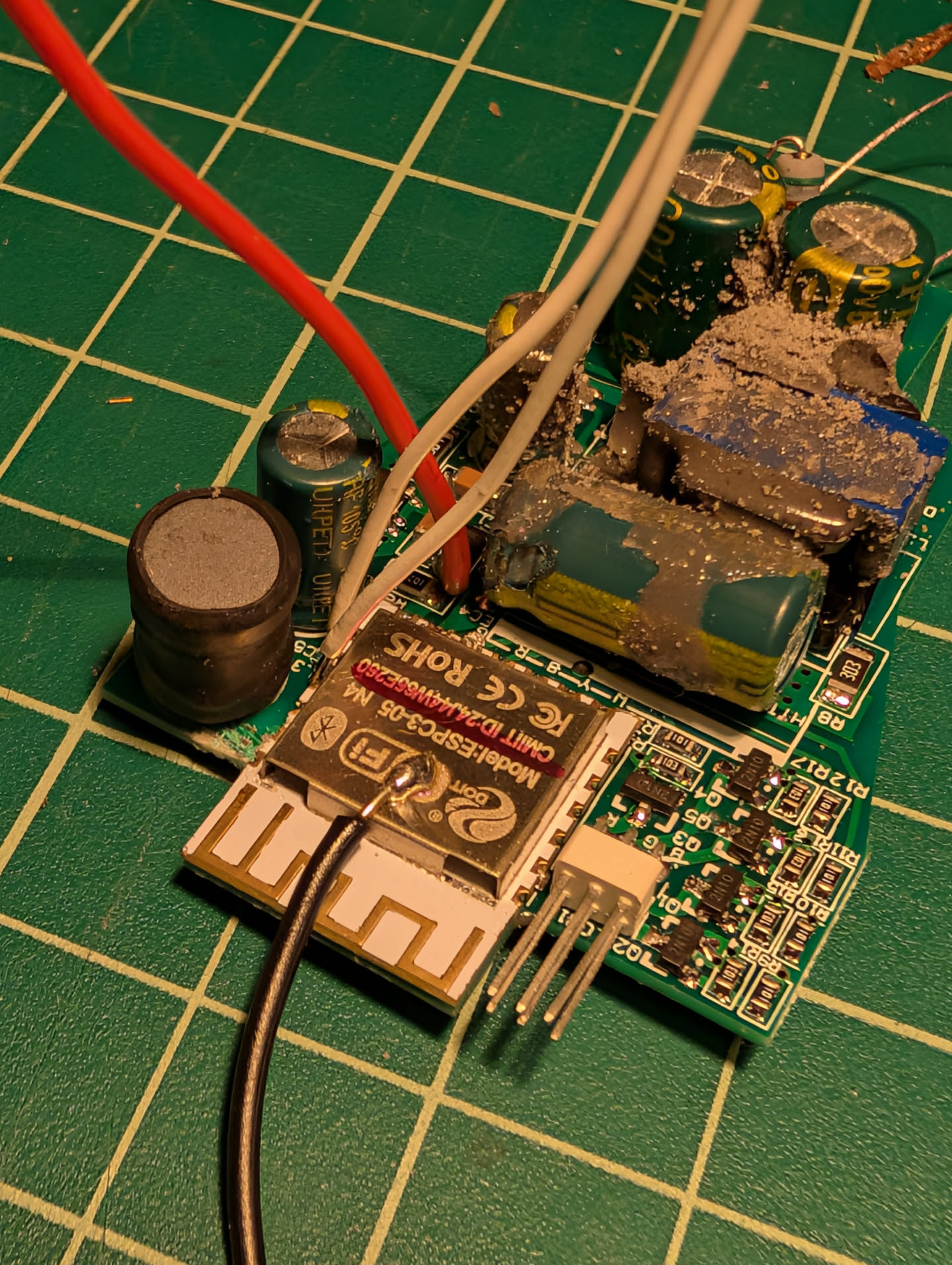
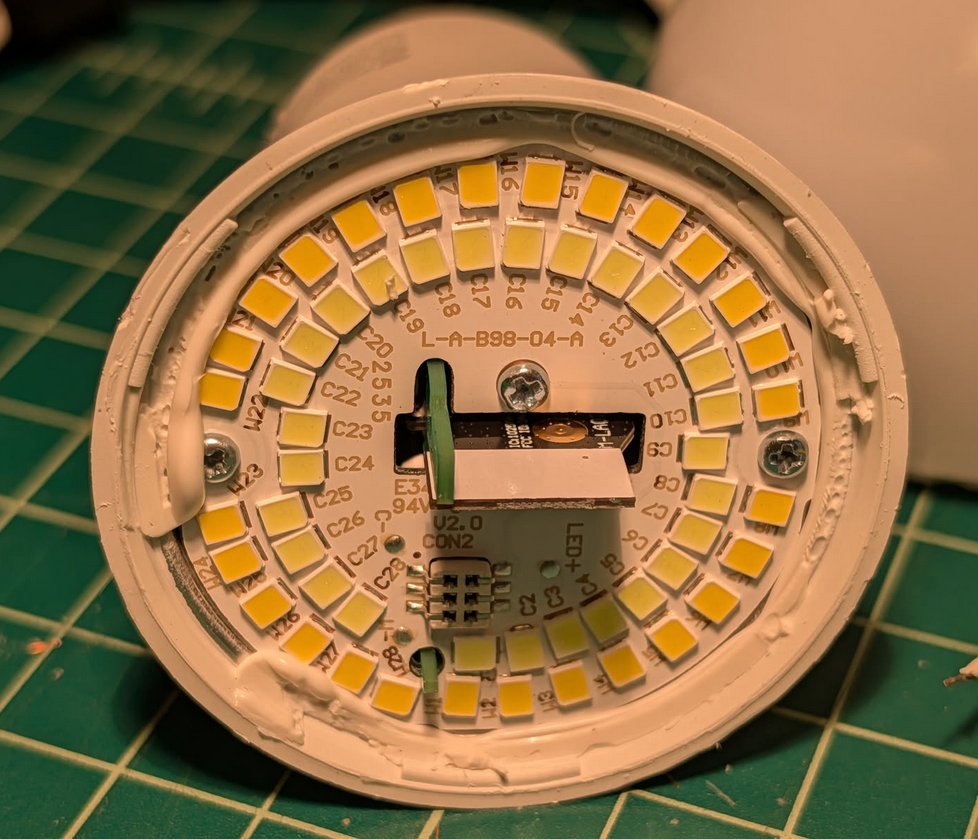
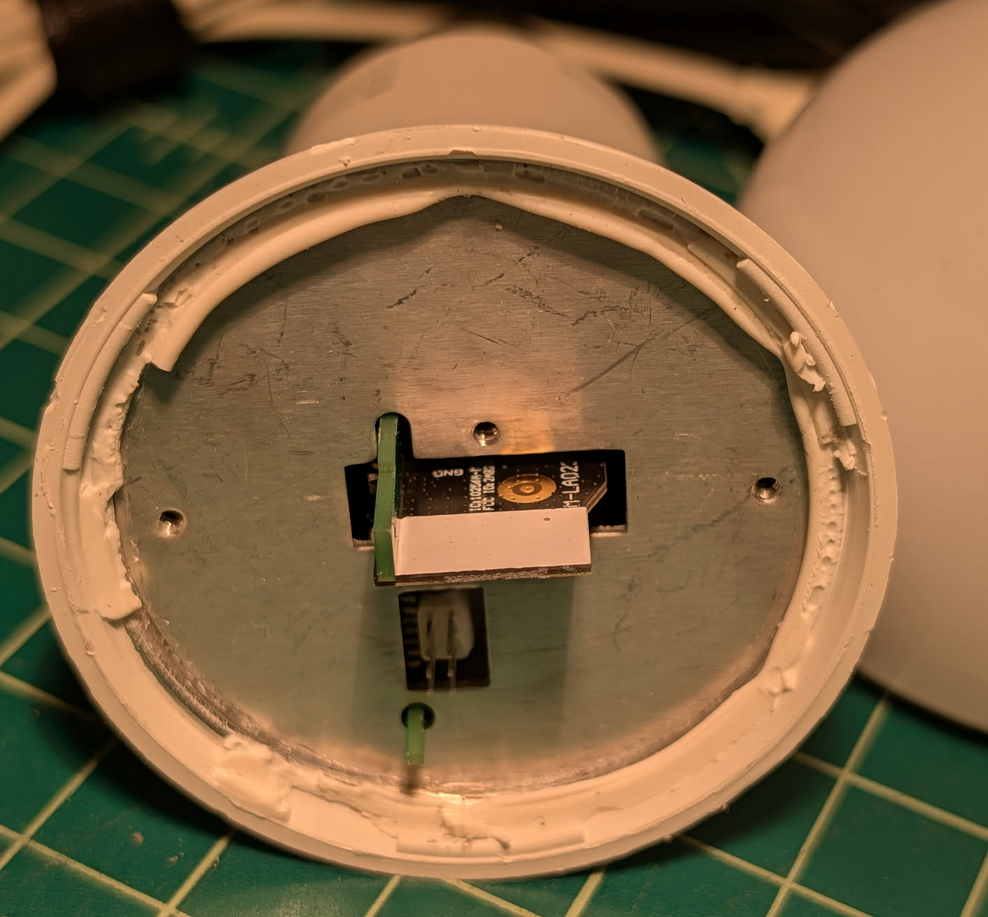
The teardown process proved to be the most physically demanding phase. To access the motherboard, Osgood had to carefully cut through the bulb’s sealant, navigating a complex assembly of aluminum daughter boards and heat-conductive potting compounds. Once exposed, the internal architecture revealed the ESP32C3 chip, but with very little overhead for additional storage. With only 4MB of flash memory to host the firmware, the web server, and the library itself, Osgood was forced to innovate.
Firmware Engineering
The project necessitated a pivot from standard Tasmota firmware to a custom ESP-IDF (Espressif IoT Development Framework) build. By manually editing the partition table, Osgood was able to shrink the firmware footprint and reallocate space to the SPIFFS (SPI Flash File System) partition. This granted him 2MB of dedicated space for hosting files—a modest but functional amount for a curated collection of ebooks.
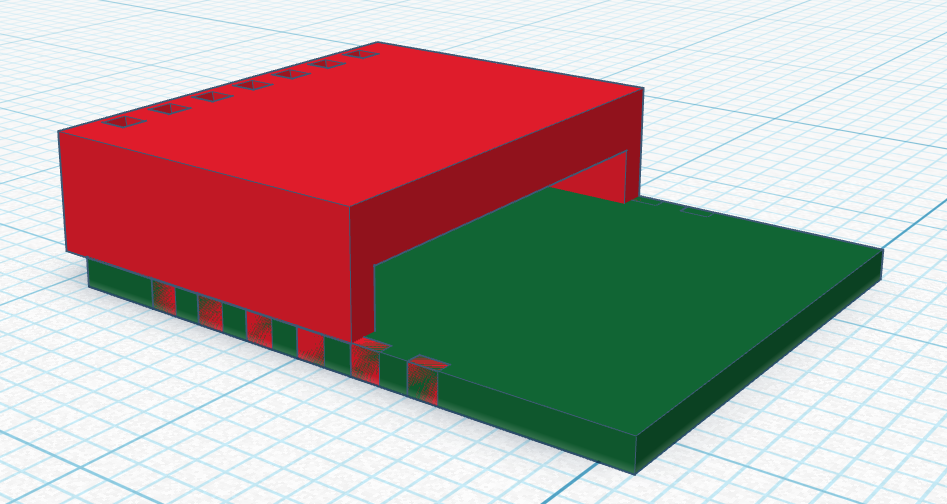
The development phase was not without peril. Modifying partition tables carries the risk of "bricking" the hardware, requiring serial programming to restore functionality. After several iterations and failed experiments with external hardware clamps and microSD breakout boards, Osgood successfully optimized the software to handle the storage constraints, ensuring that the device could function as a standalone web server without the need for an external internet connection.
Supporting Data: The Architecture of Access
To understand the project’s technical viability, one must look at the partition table configuration. By shrinking the app0 (application) partition, Osgood created a significant 2MB "data" sector. This allows for roughly five to ten standard-length EPUB files. While this might seem minimal compared to modern cloud storage, Osgood posits that this constraint is a feature, not a bug.
Captive Portal Technology
A critical hurdle for the project was the user experience. If a user connects to an open WiFi network and sees no internet access, they typically disconnect immediately. To circumvent this, Osgood implemented a "captive portal."
Using a DNS server configured to resolve every request to the internal IP of the light bulb, the device forces a redirection. When a mobile device connects to the bulb’s WiFi, the OS automatically detects a "login required" state and triggers a browser window that lands directly on the Banned Book Library’s homepage. This simulates the experience of connecting to hotel or airport WiFi, effectively "tricking" the user into viewing the library content.
Security and OPSEC
Operational Security (OPSEC) was a paramount concern. Osgood noted that standard smart home firmware often stores WiFi credentials in plaintext within the NVS (Non-Volatile Storage) partition. To prevent the light bulbs from becoming security liabilities, the custom firmware explicitly erases the NVS partition upon installation, ensuring no sensitive data from the previous owner or the installer persists on the device.
Official Perspectives and Ethical Implications
While Osgood’s project is a hobbyist endeavor, it touches upon significant legal and ethical debates regarding "the right to read" and the ownership of digital hardware.
The project finds spiritual alignment with the work of digital rights advocate Cory Doctorow, specifically his story Unauthorized Bread, which critiques the way manufacturers restrict the use of IoT appliances through software locks. By "liberating" a commercial product, Osgood is participating in the broader movement of hardware hacking and the right-to-repair movement.
However, the implications of such technology are complex. Critics of distributed, anonymous information systems often cite the potential for the dissemination of harmful content. Conversely, human rights groups have long advocated for "offline-first" information distribution in regions where the government engages in "internet shutdowns." The Banned Book Library serves as a proof-of-concept that local, decentralized mesh networks can bypass national firewalls by utilizing hardware that is already ubiquitous in the urban landscape.

Implications for Future Distributed Networks
The Banned Book Library is not merely a novelty; it is a blueprint for resilient, low-cost information infrastructure. Osgood’s final thoughts suggest that the limitation of 4MB of storage creates a "curated" experience. Each bulb becomes a reflection of its creator’s values—a digital time capsule left in a public space.
Future Development Paths
Osgood identifies three primary directions for the project’s evolution:
- Color Calibration: Implementing finer control over LED temperature to ensure the bulbs can match the aesthetic of any environment, making them virtually invisible to casual observers.
- Mesh Networking: Exploring the use of Distributed Hash Tables (DHT) to allow multiple bulbs in a single neighborhood to share their file indexes. This would effectively turn a collection of bulbs into a larger, coherent library.
- Hardware Diversification: Moving beyond the specific Tasmota-compatible bulb to explore other ESP32-based devices, potentially creating a "toolkit" for converting various smart devices into library nodes.
As Osgood notes, "These ESP32 chips are so cool! They are dirt cheap and very capable." By leveraging the discarded or repurposed remnants of the IoT boom, the Banned Book Library demonstrates that even the most "sinister" or "sinister-seeming" IoT devices can be reclaimed to foster a more open and informed society. Whether as a protest, a piece of performance art, or a genuine tool for information access, Osgood’s project stands as a testament to the power of open-source engineering to subvert centralized control.
 Lina Irawan
  Nana Wu
  Muslim