
 By Jia Lissa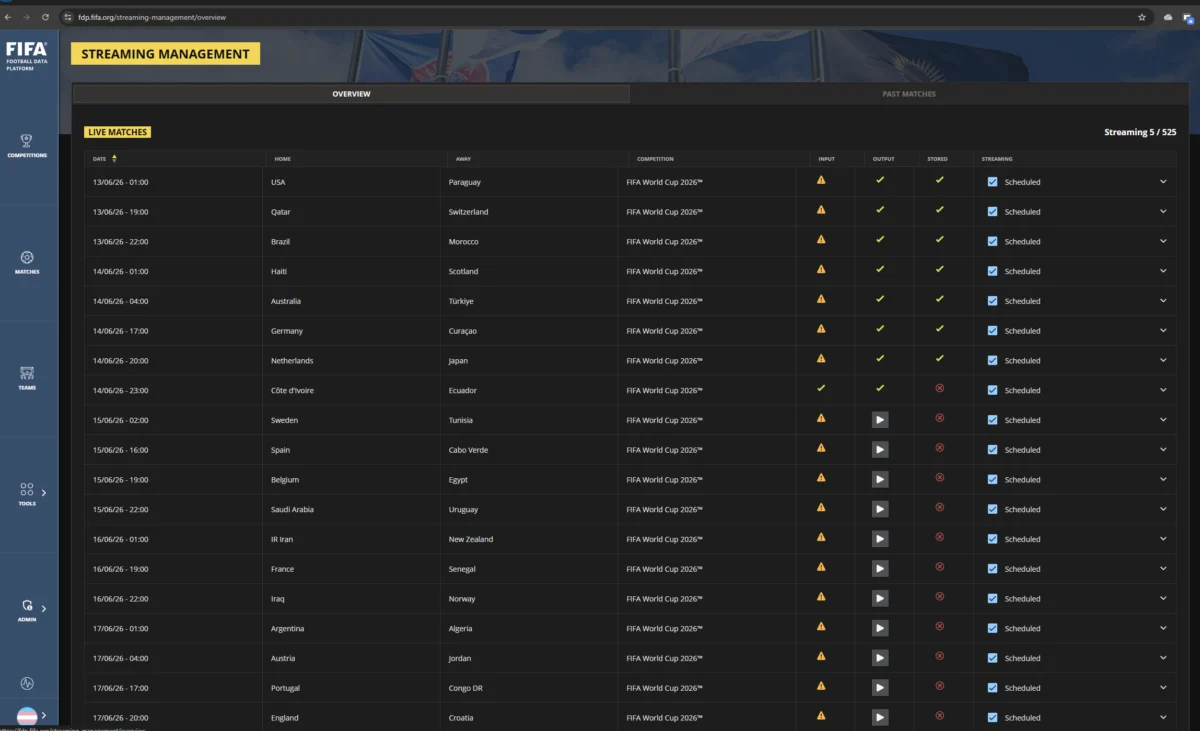
In the world of high-stakes cybersecurity, the most devastating vulnerabilities are rarely the result of complex, state-sponsored infiltration. More often, they are the result of a fundamental architectural failure: the assumption that a locked door is a secure one, even when the back wall has been left wide open.
This is the story of how a standard registration process for a football agent inadvertently granted a researcher unrestricted, write-level access to the internal production infrastructure of the FIFA World Cup 2026. From live streaming controls to the proprietary data feeding global television networks, the entire broadcast chain was effectively exposed to anyone with a valid email address and the audacity to check.

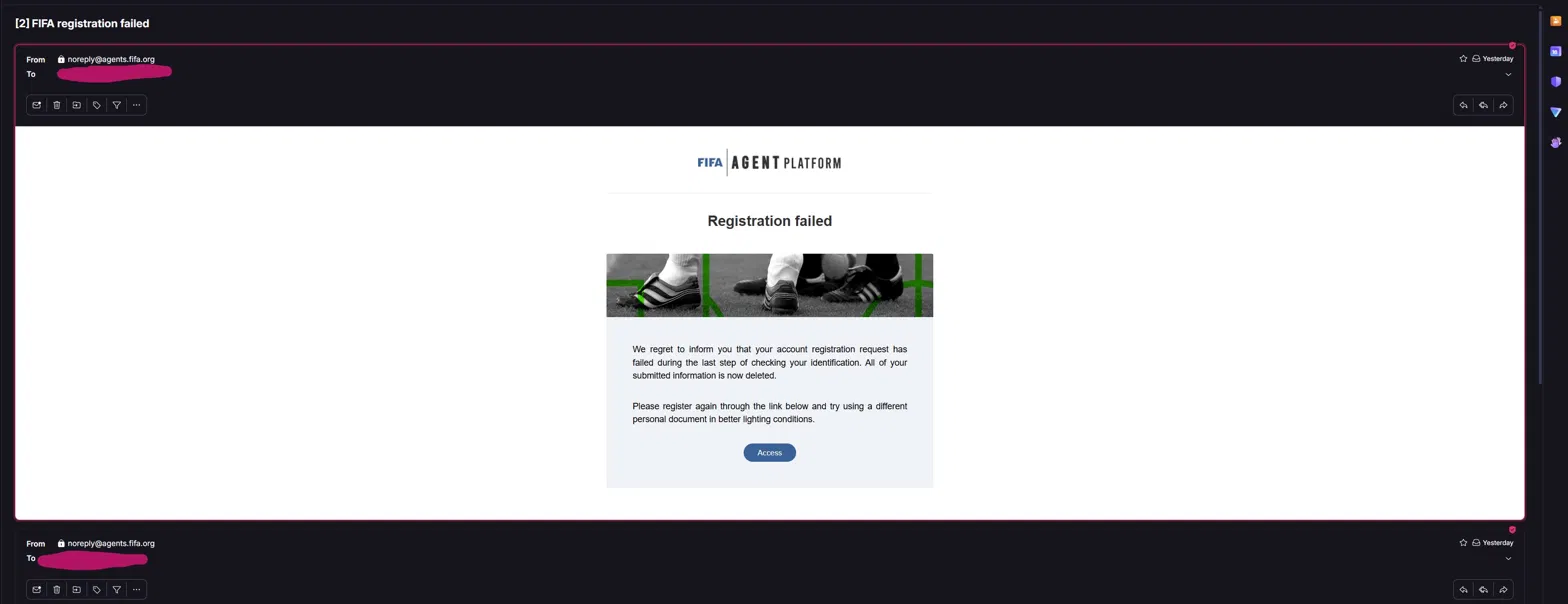
The Gateway: A Routine Registration
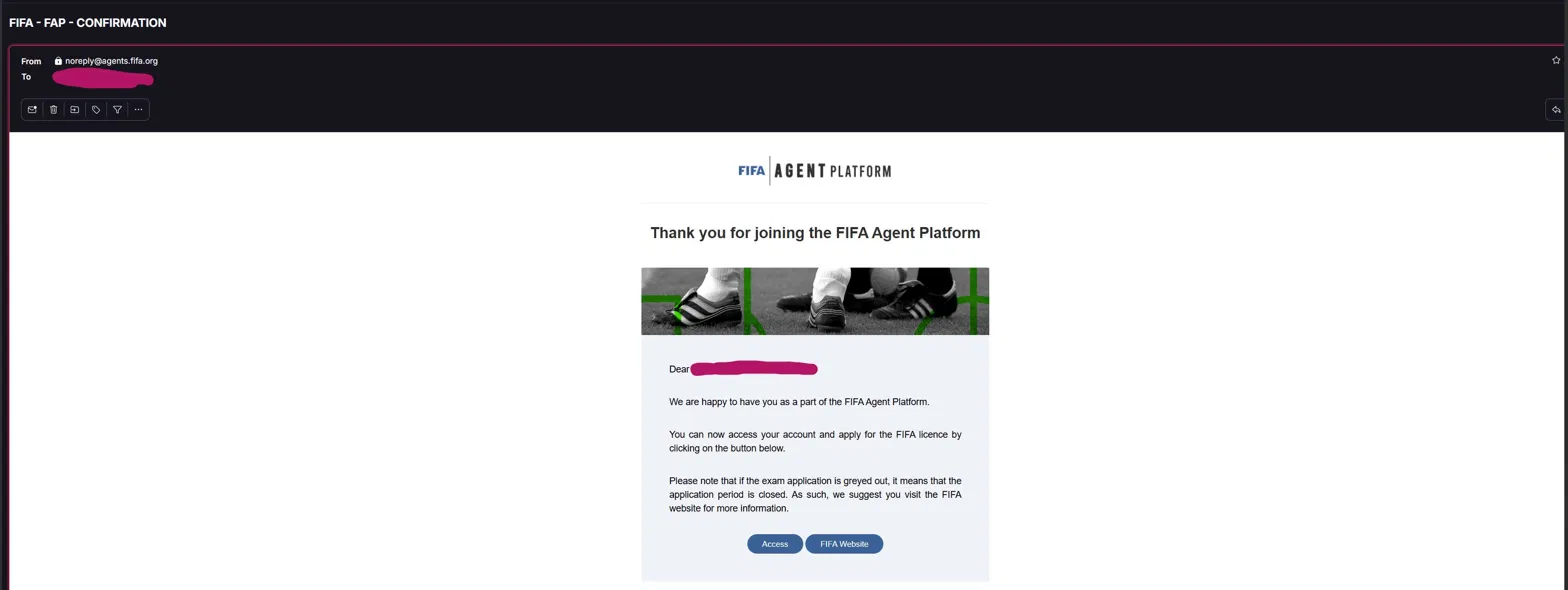
The vulnerability began at the most innocuous of entry points: the FIFA Agent Platform. Designed as a public-facing portal for prospective football agents to submit credentials, the site functions as a standard web application. Upon registration, FIFA’s system creates a user profile within their centralized Microsoft Entra (formerly Azure AD) tenant.
This single tenant, however, served as the master key. Because FIFA utilizes a unified identity management system, an account created for a mundane agent registration was automatically recognized by other internal enterprise platforms. The researcher, who discovered this flaw, found that while the front-end interface attempted to restrict access based on user roles, the backend APIs—the actual engines serving the data—failed to perform any server-side validation.
The security check was entirely "client-side." The website would check the user’s JSON Web Token (JWT) for specific permissions and, finding none, render a simple "Access Denied" page. However, a user bypassing the front-end or interacting directly with the API endpoints would find that the backend was more than happy to provide sensitive data regardless of the user’s status.
Inside the "Streaming Management" Command Center
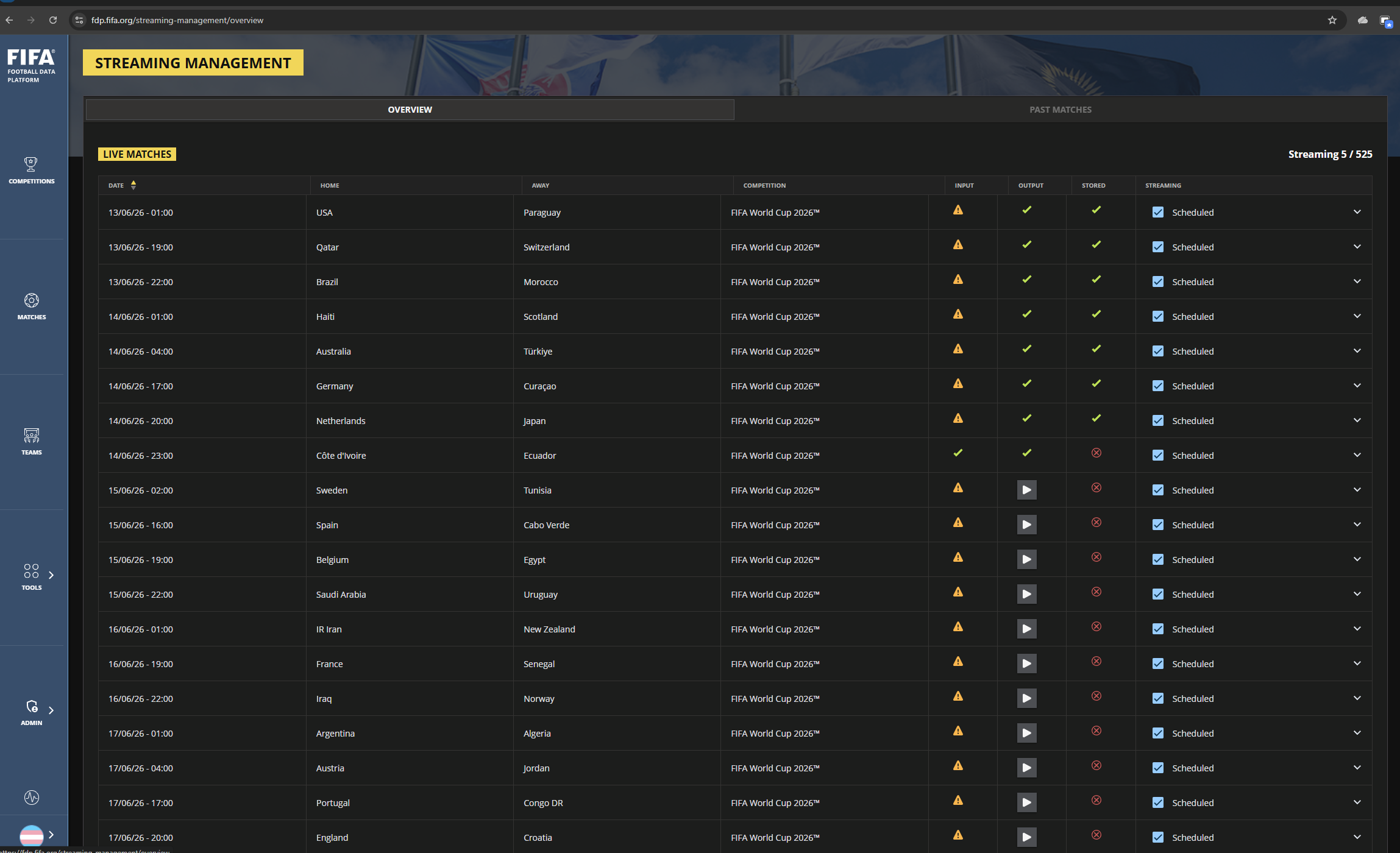
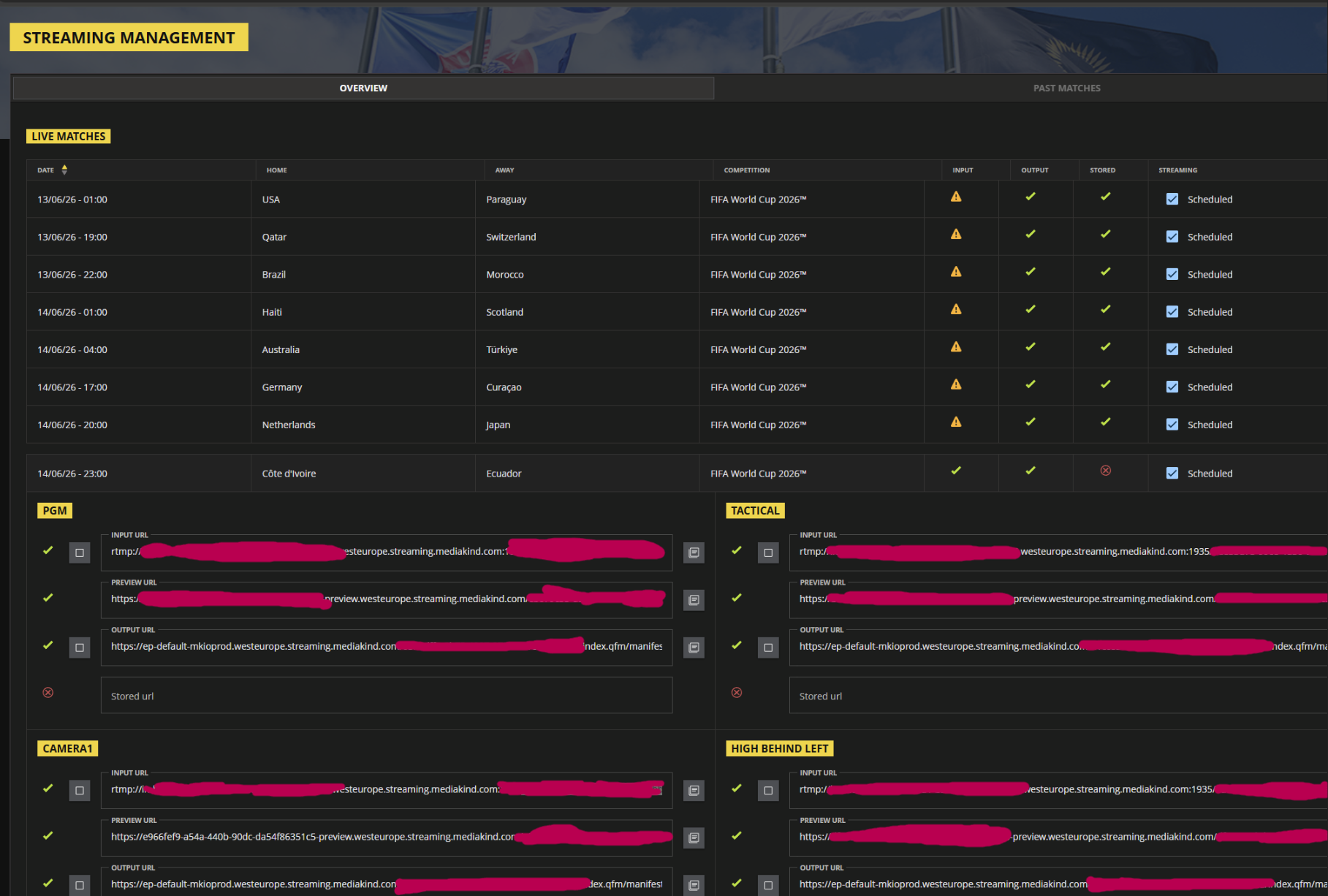
Once the authorization layer was bypassed, the researcher was greeted by a dashboard that would be the envy of any broadcast pirate or nation-state actor: the FIFA Streaming Management panel.
This was not a staging area or a developer test environment; it was the live, production-grade interface controlling the global feed for the 2026 World Cup. Every camera angle for every match was listed in granular detail. Each match included five distinct camera feeds—Program (PGM), Tactical, Camera 1, and two "High Behind" angles—all accompanied by their respective RTMP ingest URLs and stream keys.
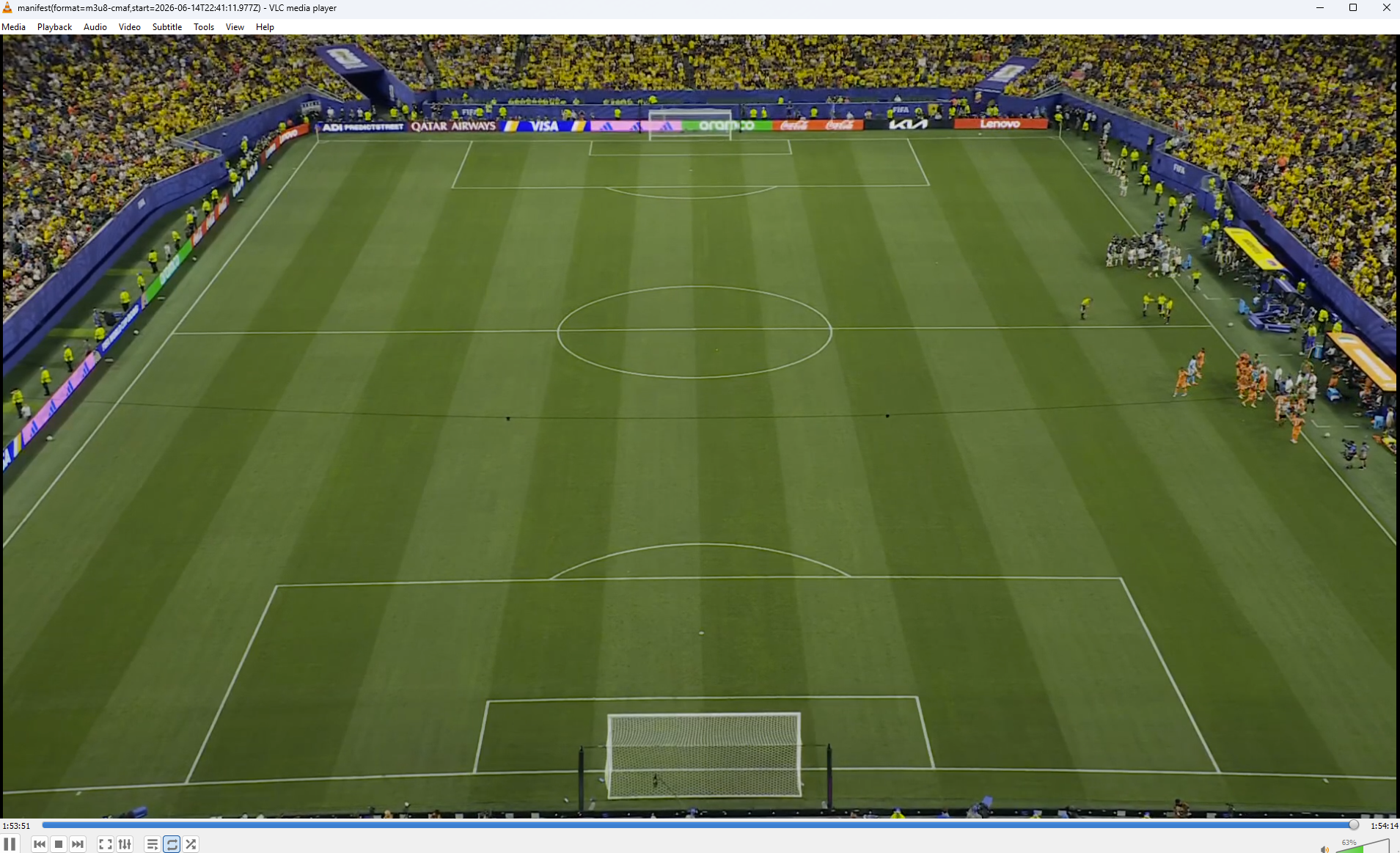
The RTMP (Real-Time Messaging Protocol) ingest URL is the literal lifeline of a live broadcast. It carries the raw video feed from the stadium to the media distribution partner, MediaKind, which then relays that feed to rights-holding broadcasters worldwide. Because the stream keys were visible and shared across multiple camera angles, an unauthorized user could have hijacked these feeds. By pushing an alternative video source to these endpoints, an attacker could have replaced the broadcast of a World Cup match with literally any content—a prospect that carries massive financial, reputational, and security implications for the tournament’s organizers.
Beyond the Stream: The Data Manipulation Risk
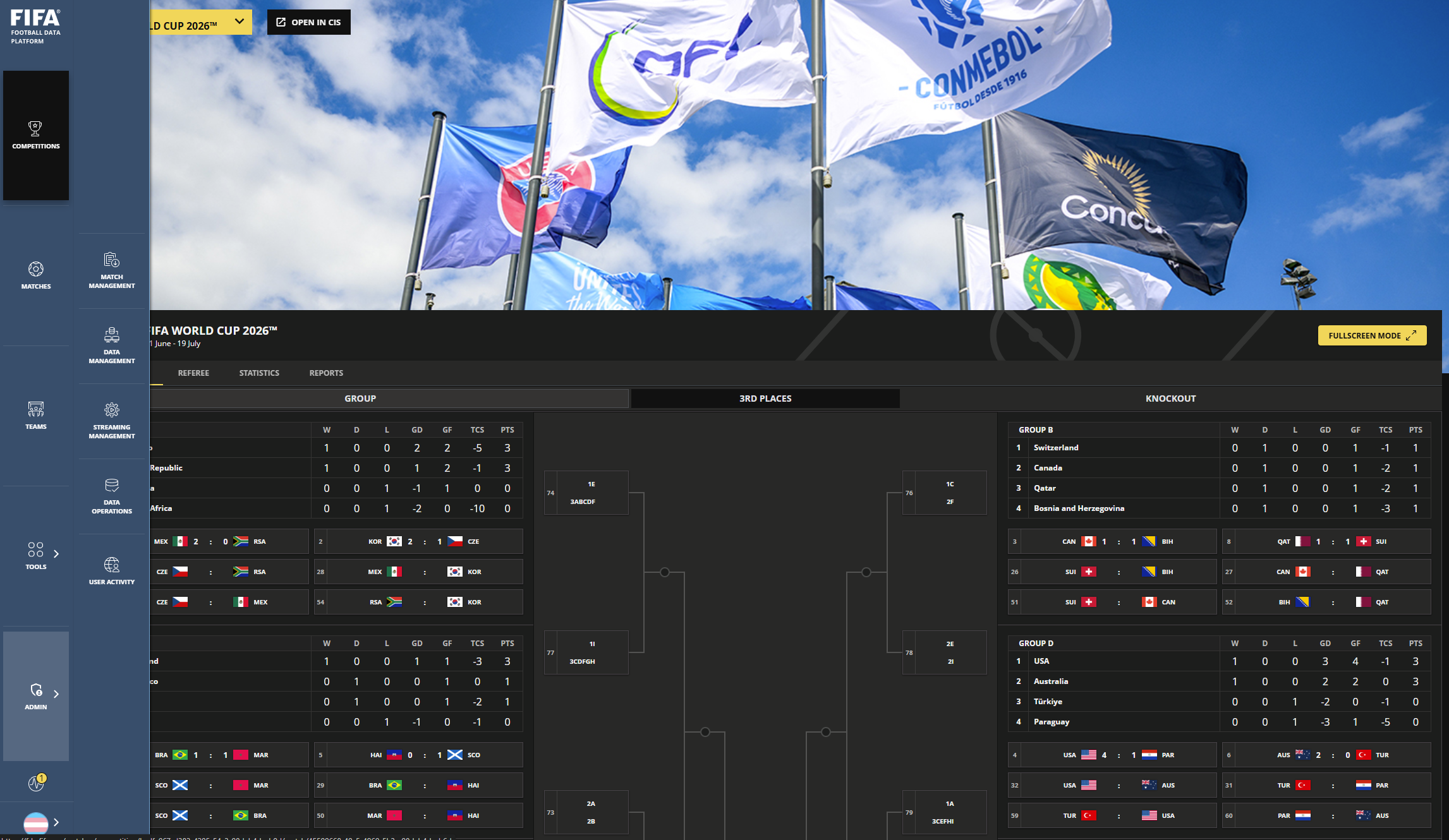
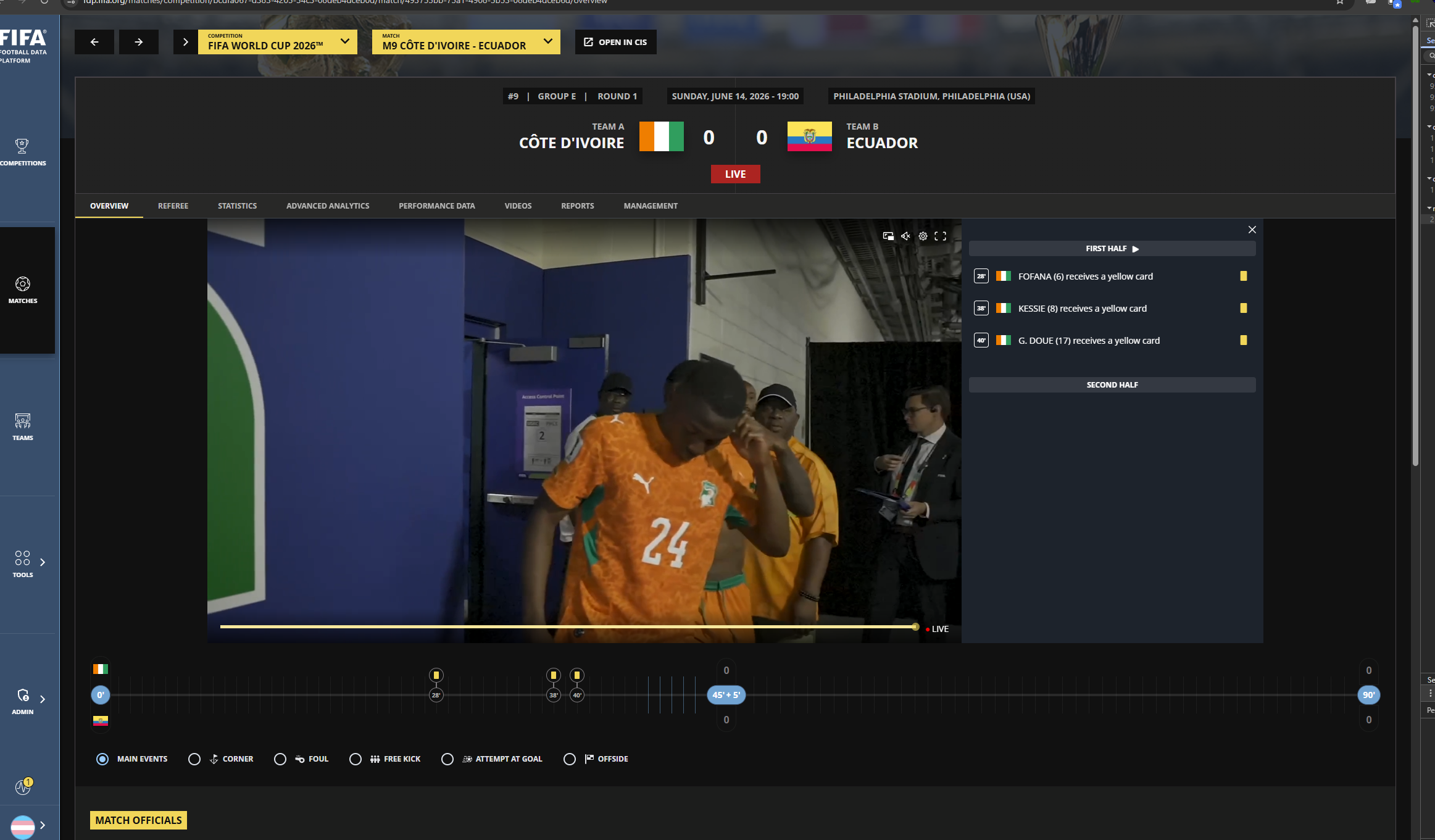
The Streaming Management panel was only the tip of the iceberg. The researcher’s "NO_ROLES" account provided access to the Football Data Platform (FDP), which serves as the nervous system of the tournament’s live coverage.
The FDP allows for real-time updates to match statistics, team lineups, and event timelines. Because the backend APIs failed to enforce write-level authorization, an attacker could have manipulated live data. Imagine a scenario where the score of a high-stakes match is changed, or live possession statistics are falsified in the middle of a broadcast. Since these feeds directly populate the Commentator Information System (CIS)—the dashboard used by announcers to provide facts and stats—any misinformation injected into the FDP would have been broadcast instantly to millions of viewers as fact.
The CIS dashboard itself was also exposed. This tool contains sensitive editorial notes, player trivia, and tactical analysis. Accessing it is akin to eavesdropping on the commentary booth itself, providing a window into the narrative being constructed for the global audience. Furthermore, the discovery of an exposed Azure Function App revealed a treasure trove of internal spreadsheets, including transfer reports, revenue projections, and sensitive board-level data, all accessible via direct download links.
The Night of the "Nuclear" Disclosure
The most harrowing aspect of the discovery was the timing. The vulnerability was active while the World Cup was in full swing, meaning the potential for disruption was immediate. Upon realizing the severity of the access, the researcher initiated a frantic, multi-front disclosure effort.
The process highlighted a significant gap in FIFA’s incident response infrastructure. Without a clear security-contact mechanism or a bug bounty program, the researcher was forced to attempt contact through cold-calling, email, and social media.
The Chronology of Disclosure
- Initial Discovery: Full production access confirmed.
- Attempted Contact: Emails sent to over a dozen FIFA-affiliated addresses; five bounced immediately.
- Direct Outreach: Attempts to contact the Head of Football Technology & Data via WhatsApp and phone calls to FIFA’s Zurich headquarters proved fruitless due to time zone differences and office hours.
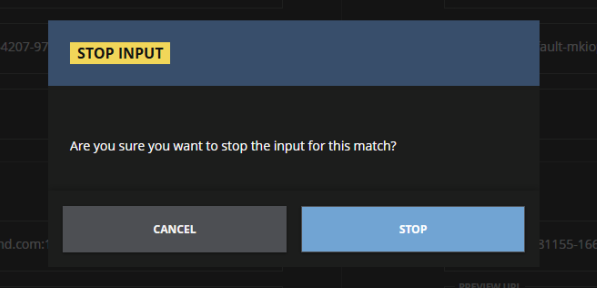
- The Breakthrough: A call to MediaKind’s technical support line finally yielded a live human. They understood the gravity of the situation and immediately secured the stream keys.
- Federal Involvement: Recognizing the threat to national security and broadcast integrity, the researcher contacted CISA’s 24/7 operations center. CISA, which leads cybersecurity for the World Cup, acknowledged the report, as did contacts within the FBI.
Within 24 hours, the critical vulnerabilities—specifically the unauthorized access to the streaming and management APIs—were patched.
Implications for Global Events
The ease with which this access was obtained serves as a sobering reminder of the "perimeter-less" nature of modern enterprise security. When organizations move to centralized identity providers like Microsoft Entra, they often fail to account for the inheritance of permissions across connected applications.
By failing to implement server-side validation, FIFA effectively turned a public-facing portal into an administrative master key. The fact that the fix was applied quietly, without acknowledgment or communication with the researcher, raises questions about FIFA’s internal culture regarding cybersecurity disclosure.
While the "Nuclear Option"—the hijacking of the global broadcast—was avoided, the incident leaves behind several critical questions:
- Why was there no "security.txt" or designated incident response contact? For an organization hosting the world’s largest sporting event, the lack of a clear reporting pathway is a liability.
- How long had the vulnerability existed? The researcher was able to access the system almost immediately upon registration, suggesting the flaw may have been present for weeks or months.
- Will there be an audit? With the tournament ongoing, the integrity of the data remains paramount. The public expects that FIFA will conduct a comprehensive audit of their API security to ensure no other "NO_ROLES" accounts have lingering, undocumented access.
Conclusion: A Lesson in Trust
The researcher’s experience concludes with a lingering irony. Despite the severity of the security lapse and the speed of the subsequent patch, the researcher remains on FIFA’s internal email distribution list, continuing to receive official match reports and tactical lineups.
The incident serves as a definitive case study in the dangers of "security by obscurity." Relying on a front-end interface to hide sensitive functionality is not a security measure; it is a delay tactic. As the digital transformation of sports continues to accelerate, the reliance on interconnected cloud systems will only increase. If the world’s governing bodies for sport wish to protect the integrity of their product, they must adopt a "Zero Trust" architecture—where every API call is verified, regardless of who is making it.
For now, the World Cup continues, the streams remain secure, and the "Subway Surfers" broadcast hijack remains, fortunately, a hypothetical nightmare. But for cybersecurity professionals, the event stands as a stark warning: in the digital age, your most dangerous vulnerabilities are often the ones you didn’t know you created.
 Lina Irawan
  Nana Wu
  Muslim