
 By Lina Irawan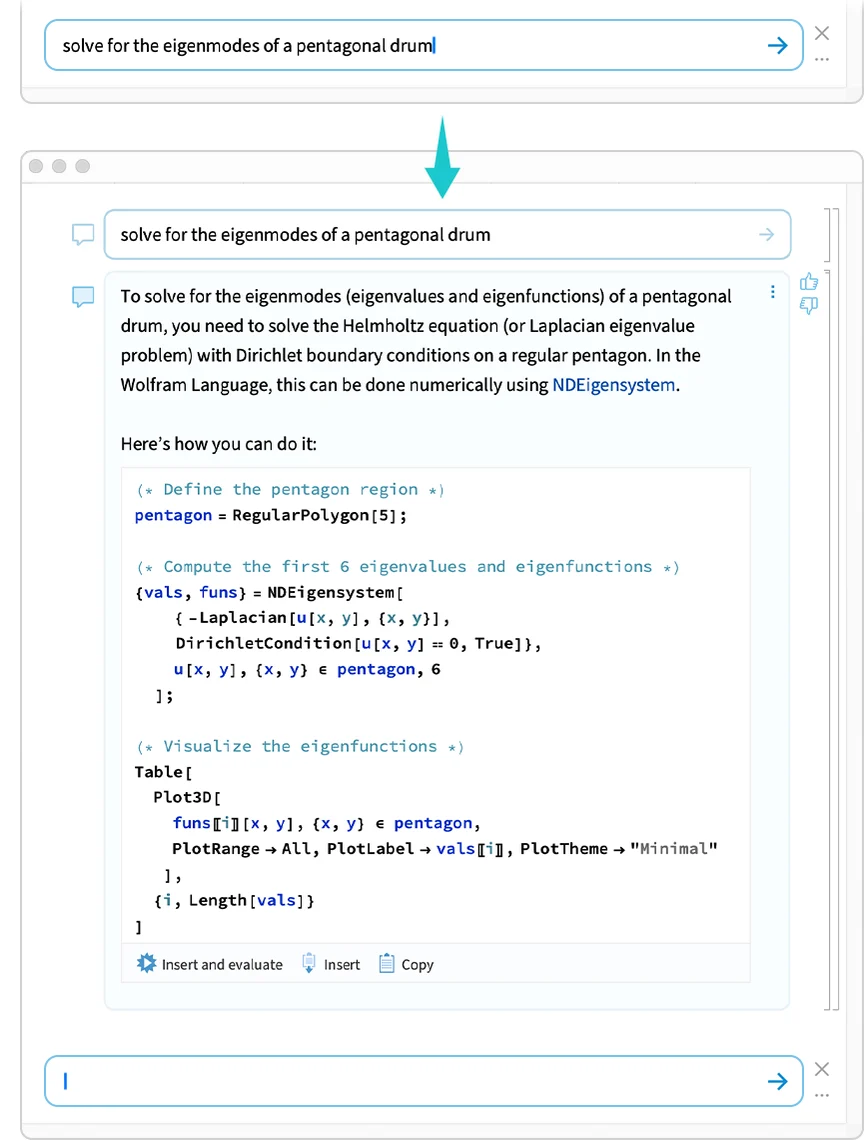
On June 23, 1988, the computational world changed forever with the release of Mathematica Version 1.0. Today, nearly 38 years later, Wolfram Research has unveiled Version 15 of what is now known as the Wolfram Language. This milestone release does more than just add features; it fundamentally redefines how humans and artificial intelligence collaborate to solve complex, real-world problems through a unified computational paradigm.
A Legacy of Innovation: From Math to Universal Computation
The arc of the Wolfram Language’s history is a testament to the idea that the more one understands, the further one can see. What began as a tool for mathematics has grown into a vast tower of intellectual property and technology, encompassing everything from symbolic programming and data visualization to advanced physics and celestial mechanics.
Version 15 represents the culmination of four decades of effort to apply the computational paradigm to every facet of the world. While the core mission remains the same—representing the world through a precise, symbolic language—the arrival of modern AI has fundamentally altered the landscape. For the development team, the most striking shift has been the expansion of the user base from humans alone to a hybrid model of humans and AI agents.
Chronology of Recent Advancements
- 2023: Immediate integration of Wolfram Language and Wolfram|Alpha with LLM technology.
- 2024: Introduction of the Notebook Assistant and the "Foundation Tool" suite for deeper AI integration.
- 2025: Rollout of the Tabular framework for big data and enhanced support for external languages like Python.
- 2026 (Present): Launch of Version 15, featuring a built-in AI Assistant, advanced data structures, and symbolic music representation.
The AI Assistant: Intelligence at the Fingertips
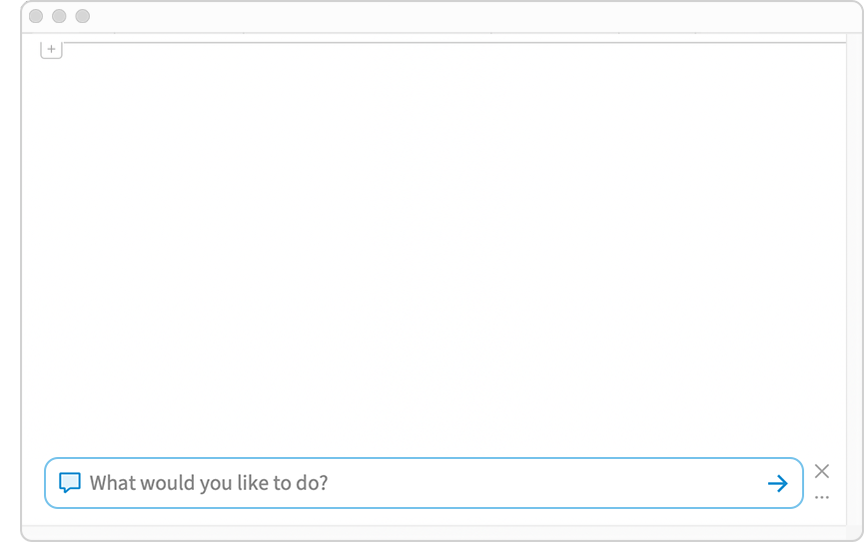
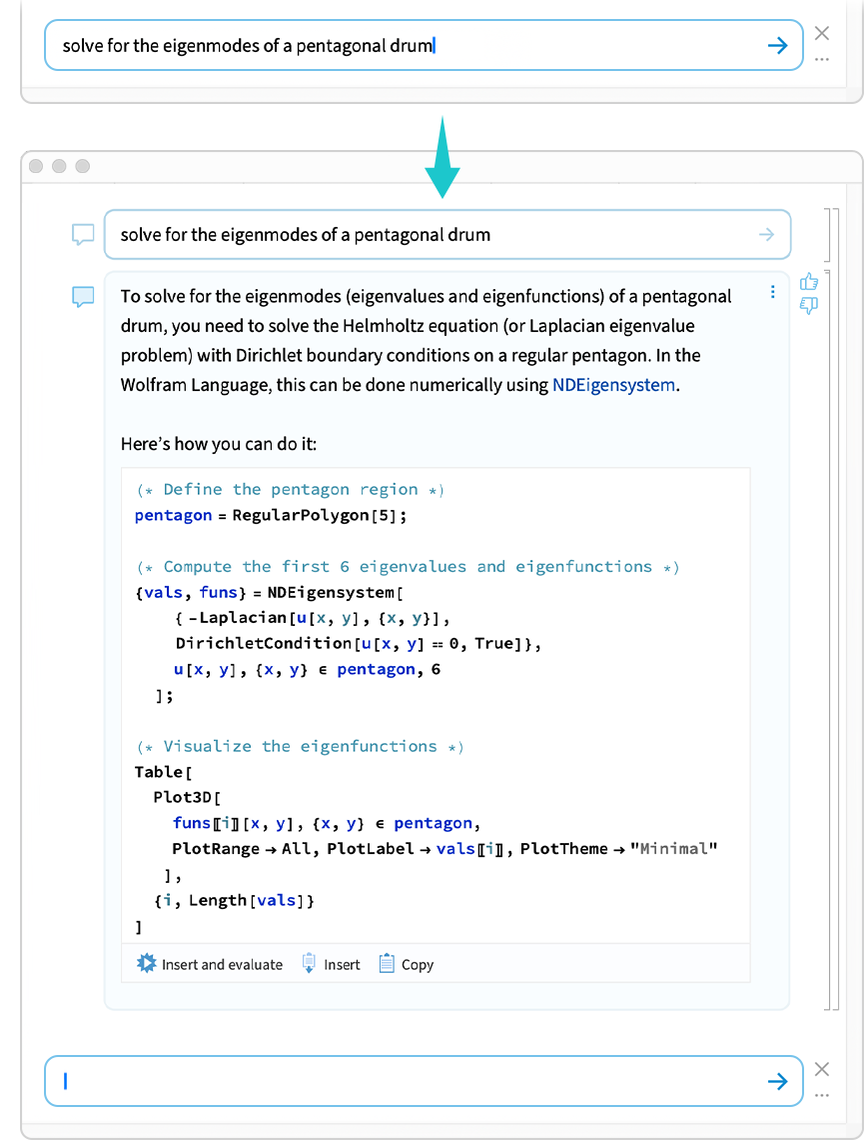
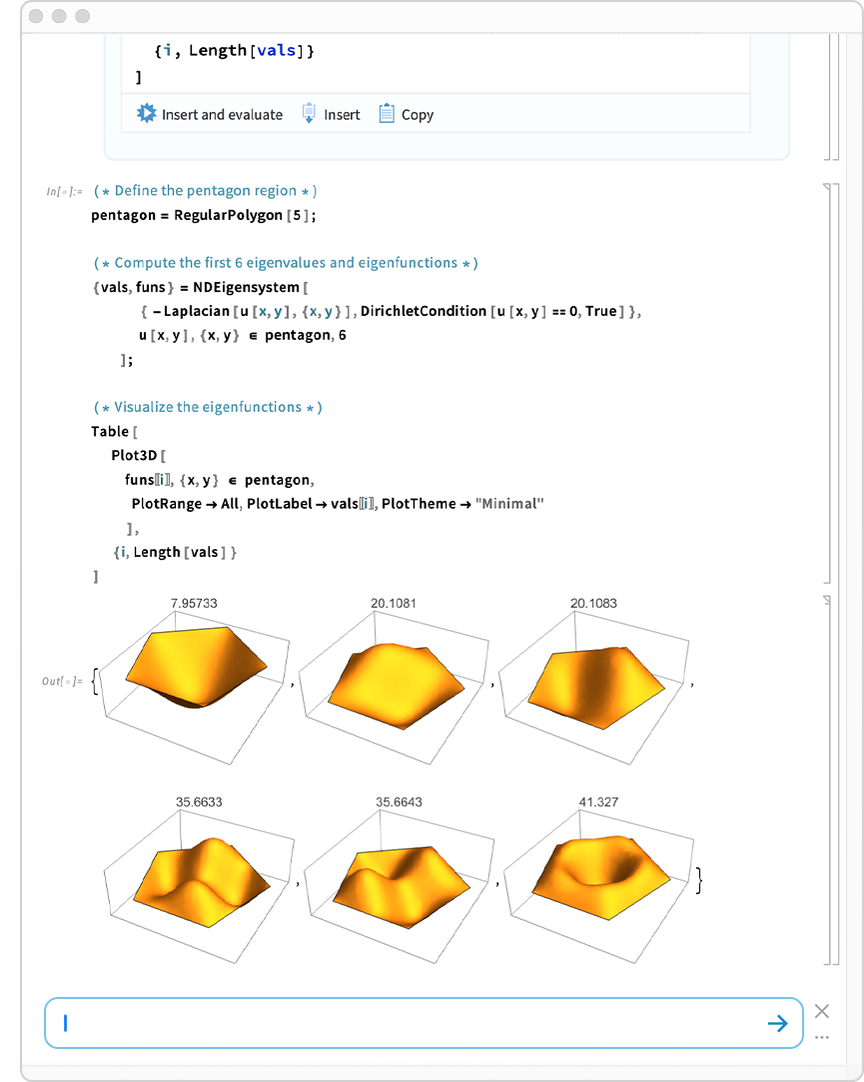
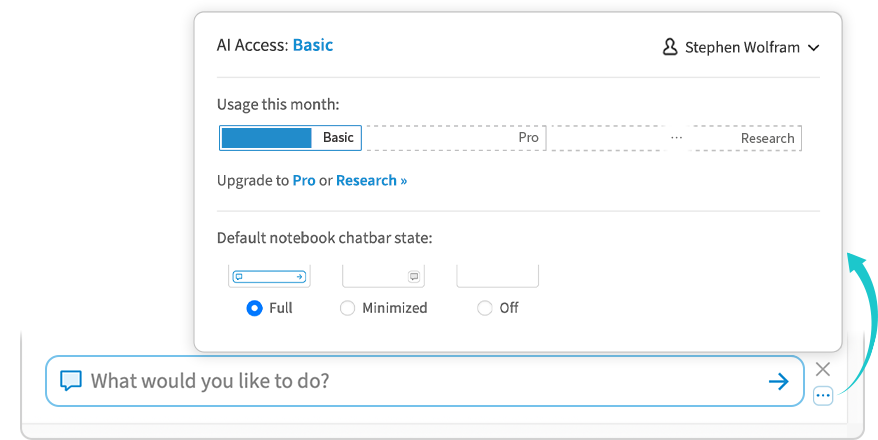
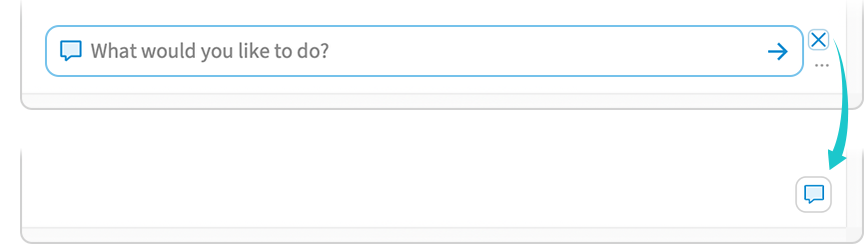
The standout feature of Version 15 is the built-in AI Assistant, accessible directly within every notebook via a new "chatbar." Unlike external chatbots that operate in isolation, the Wolfram AI Assistant is context-aware. It understands the existing code, data, and variables within a user’s notebook, allowing it to generate precise Wolfram Language code that can be executed instantly.

This integration is designed to act as a "carrier of precision." While natural language is often vague, the AI’s ability to generate executable Wolfram Language code ensures that the user can verify, audit, and refine the computational logic being performed. Whether at the Basic, Pro, or Research level, the AI Assistant is positioned not just as a coding helper, but as an intellectual partner that can handle sophisticated projects with the rigor required for technical research.
Empowering AI Environments: The "For AIs" Infrastructure
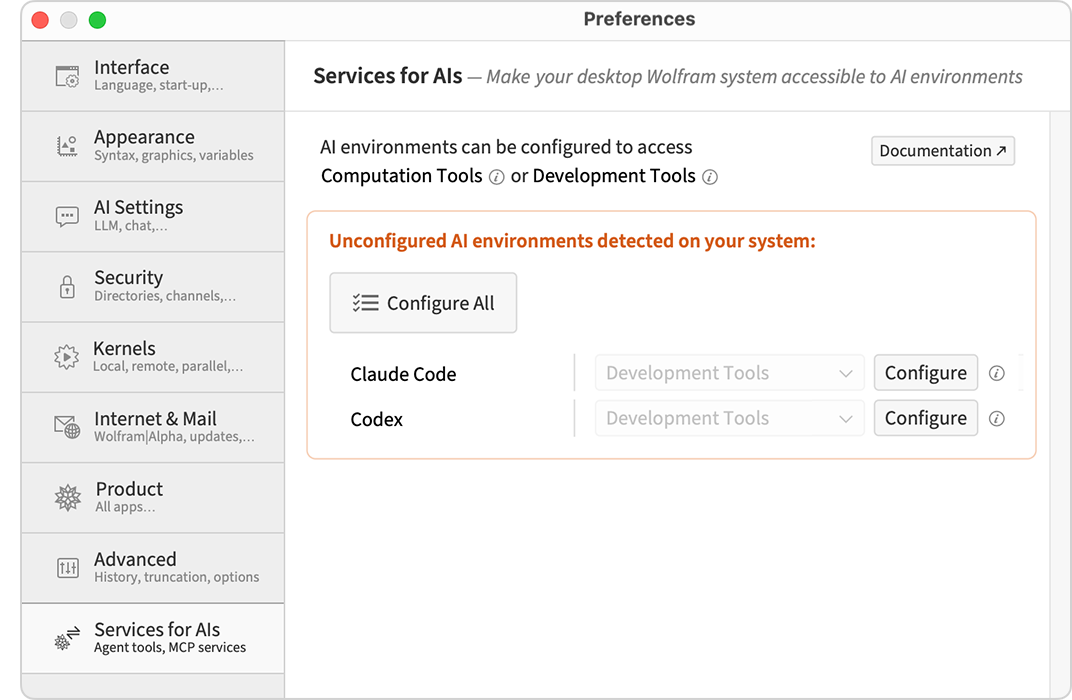
Version 15 also shifts the paradigm by allowing AI environments—such as Claude Code or Codex—to "call" the desktop Wolfram system. By deploying the new Wolfram Agent Tools framework, users can hook their AI environments directly into their local computational engine.

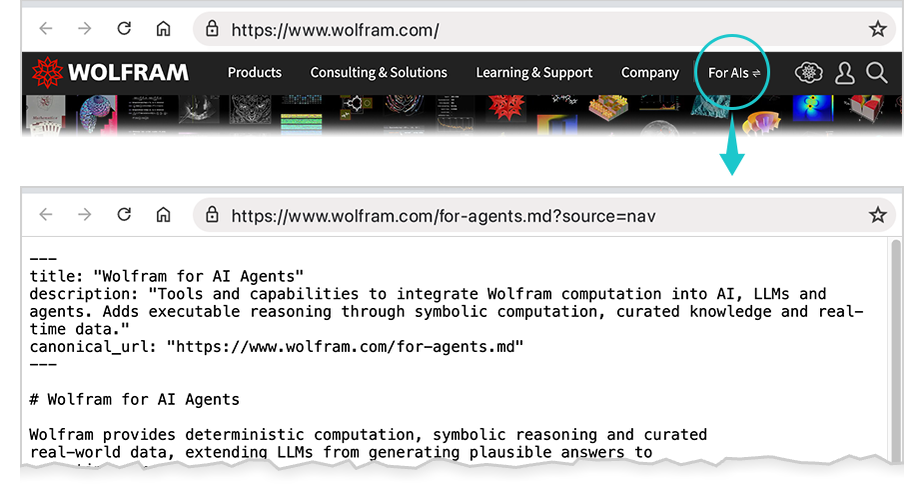
The company has even introduced a "For AIs" link on the official website, which serves machine-readable Markdown documentation. This reflects a shift where software is no longer just "human-readable" but is designed from the ground up to be navigated and utilized by autonomous agents, ensuring that even as AI takes on more complex tasks, the output remains grounded in the reliable, precise computation of the Wolfram Language.
Data Structures and Computational Depth
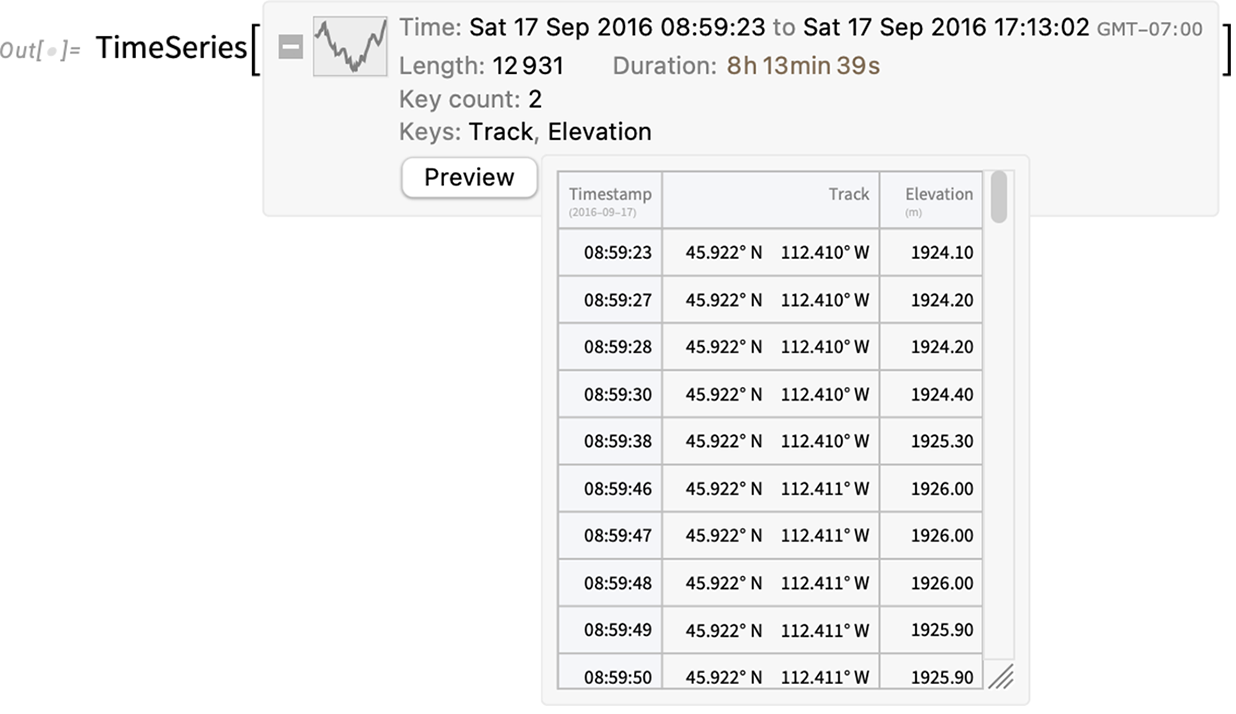
Beyond AI integration, Version 15 introduces significant architectural improvements. The TimeSeries and EventSeries frameworks have been overhauled, allowing them to handle millions of entries seamlessly. By building upon the Tabular framework introduced in earlier versions, these tools now offer high-performance data processing that can handle everything from heart rate tracking over a decade to complex financial datasets.

Furthermore, the new ModelFit "superfunction" provides a unified, symbolic approach to data fitting. By starting with a "symbolic outline" of a model, users can now perform sophisticated regression, machine learning, and neural network modeling with a syntax that is as readable as it is powerful.
Symbolic Music: A New Frontier
Perhaps the most creative addition to Version 15 is the implementation of "Symbolic Music." By extending the language’s ability to represent the world, the development team has created a framework that treats music not just as an audio file, but as a symbolic structure of pitches, durations, measures, and voices. Users can now compute the range of a score, plot the occurrence of specific pitch classes, or even algorithmically construct chords and melodies, further demonstrating the versatility of the language.

Implications for Software Development and Engineering
The introduction of the Structured Package Format in Version 15 addresses one of the most common pain points for developers: managing large codebases. By allowing symbols to be "born private" and explicitly exported, the new format provides a cleaner, more modular way to manage complex projects spread across multiple files.
Additionally, the integration of reinforcement learning (Q learning) via LQRegulatorTrain and the ability to train surrogate models for systems engineering (SystemModelSurrogateTrain) places the Wolfram Language at the forefront of modern engineering design. These tools allow for real-time simulation and control-system optimization, bridging the gap between theoretical models and physical hardware.

Official Perspective: The "Always Shoot for the Moon" Philosophy
In his commentary on the release, Stephen Wolfram emphasized that the goal of Version 15 is to continue the "tower of ideas" that the company has been building since 1988. By integrating neural-net methods into functions like DSolve and providing a robust infrastructure for both human and AI interaction, the company is positioning itself to be the bedrock of the next generation of scientific and technical computing.

"When we look at the trajectory of the last 38 years," the development team noted, "we see a consistent mission: to apply the computational paradigm as broadly and deeply as possible."
Future Outlook
The release of Version 15 signals a departure from the traditional view of software as a static tool. Instead, the Wolfram Language is evolving into a dynamic, intelligent, and highly integrated environment. As AI continues to permeate every aspect of development, the emphasis on precision, symbolic representation, and formal verification—the hallmarks of the Wolfram Language—will likely become even more critical.

For researchers, engineers, and students alike, Version 15 offers a glimpse into a future where the distinction between "writing code" and "reasoning about the world" begins to blur. Whether it is solving differential equations using neural-net-guided symbolic methods or managing gigabyte-sized notebooks with real-time find-and-replace capabilities, the tools provided in this release ensure that the user remains in control of the computation, even when the computation itself is generated by an AI.
As the Wolfram Language continues to integrate with the broader ecosystem of LLMs and external programming environments, it reinforces its unique value proposition: it is not just a programming language, but a full-scale computational language designed to handle the complexity of the modern world.
 Nana Wu
  Muslim
  Jia Lissa