
 By Jia Lissa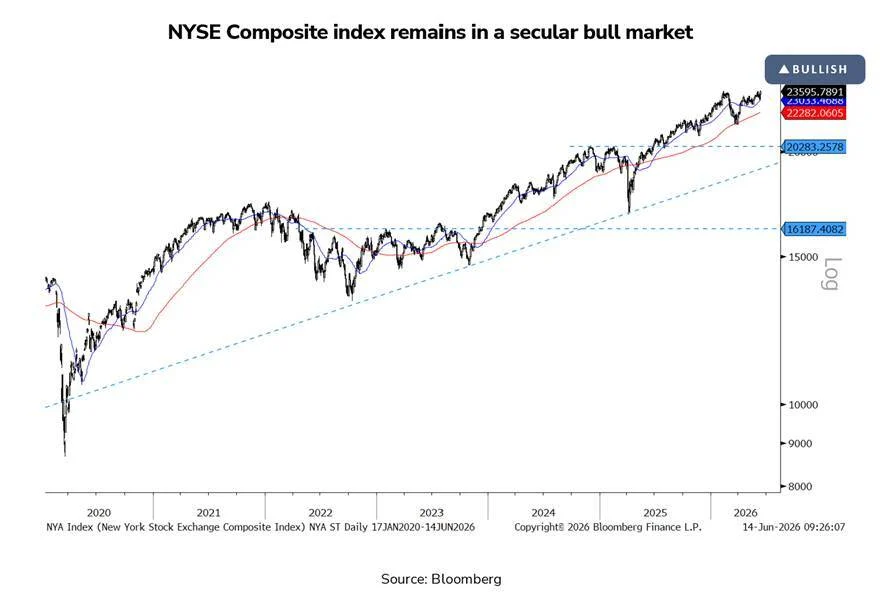
The geopolitical landscape of 2026 has experienced its most significant shift yet. After more than three months of direct military conflict and a severe global energy shock, the United States and Iran have reached a surprise peace agreement.
For global financial markets, the immediate reaction has followed a classic de-escalation playbook: crude oil prices have plummeted, government bond yields have dropped, and risk assets have surged. However, beneath this initial wave of relief lies a more complex set of questions. Institutional investors and policymakers are now tasked with determining whether this fragile diplomatic breakthrough will hold, and how to reposition global portfolios for a world in which the single largest tail risk of the year is being dismantled rather than realized.
1. The Peace Accord: Main Facts and Structure
The diplomatic breakthrough, announced over the weekend, marks a potential end to a highly destabilizing conflict. The war, which lasted approximately 107 days, had severely disrupted global trade routes and pushed energy-importing nations to the brink of an inflation crisis.

                                 [ 107-Day Conflict ]
                                          │
                         ┌────────────────┴────────────────┐
                         ▼                                 ▼
              [ Geopolitical Shock ]             [ Diplomatic Path ]
             • Strait of Hormuz closed          • Pakistan & Qatar mediate
             • US naval blockade of Iran        • Saudi & Turkish backing
             • Global oil reserves drawn        • Switzerland MoU (June 19)
The Framework of the Agreement
The newly announced peace deal is structured as a Memorandum of Understanding (MoU), scheduled for a formal signing ceremony in Switzerland on Friday, June 19. Rather than a comprehensive treaty, the agreement establishes a phased de-escalation framework:
- Immediate Ceasefire: Both Washington and Tehran have declared an immediate and permanent termination of military operations across all active fronts, including Lebanon.
- De-escalation of Blockades: President Donald Trump has authorized the reopening of the strategic Strait of Hormuz and announced the dismantling of the U.S. naval blockade on Iranian ports.
- Phased Implementation: Tehran has explicitly stated that it will not begin implementing its core concessions until the formal signing on June 19.
- The 60-Day Negotiation Window: A critical second stage of negotiations will begin only after the United States has demonstrably fulfilled its initial obligations. These obligations include ending hostilities, lifting the blockade, reopening the Strait, and releasing frozen Iranian financial assets. Once these conditions are met, a 60-day window will open to negotiate a permanent accord, during which the highly contentious nuclear file will be addressed.
The Diplomatic Coalition
The deal is the product of intense mediation led by the Prime Minister of Pakistan and the government of Qatar, with critical diplomatic backing from Saudi Arabia and Turkey. This regional coalition reflects a shared interest in preventing a wider Middle Eastern war that would permanently damage regional supply chains and economic development plans.
2. Chronology of the 107-Day Crisis
The path to this diplomatic breakthrough was marked by rapid escalation and severe economic disruption. Below is the timeline of the conflict and the subsequent push for peace:

[Late Feb 2026] ──► [Early March] ──► [Mid-March/May] ──► [Early June] ──► [June 19]
  US/Israeli          Hormuz Closes;     Global Energy       Secret Talks   MoU Signing
  Strikes on          US Blockade        Shock; Inflation    in Doha        in Switzerland
Iran Begins Spikes to 4.2% Succeeds- Late February 2026: Hostilities erupt following targeted U.S. and Israeli airstrikes on strategic installations inside Iran. Tehran vows immediate retaliation.
- Early March 2026: Iran retaliates by closing the Strait of Hormuz, the world’s most important oil transit chokepoint. The United States responds by deploying carrier strike groups and establishing a total naval blockade of Iran’s coastline. Daily shipping transits through the Strait plunge from an average of 150 per day to near zero.
- Mid-March to May 2026: Global energy markets experience a massive supply shock. Crude oil prices spike, pushing U.S. headline inflation to a multi-year high of 4.2%. Global industrial supply chains are severely disrupted as shipping rates skyrocket and vessels are forced to reroute around Africa.
- Late May 2026: Behind-the-scenes diplomatic channels open. Backchannel talks are initiated in Doha, Qatar, under Pakistani mediation, driven by mounting domestic economic pressure on both Washington and Tehran.
- Early June 2026: Negotiators draft a preliminary MoU. A weekend announcement confirms that a comprehensive ceasefire has been reached.
- June 19, 2026 (Scheduled): The formal signing of the MoU in Switzerland, initiating the 60-day window for broader technical and nuclear negotiations.
3. Supporting Economic and Market Data
The conflict and its sudden resolution have left a distinct footprint on global macroeconomic data, corporate earnings, and equity market structures.
The Macroeconomic Backdrop and the Fed’s Dilemma
The peace deal arrives at a time when the domestic U.S. economy has shown notable resilience, though heavily pressured by energy-driven inflation.
U.S. Inflation Metrics (May 2026)
├─ Headline CPI: 4.2% (Driven by energy shock)
└─ Core CPI:     2.9% (Goods falling, services stable)
While headline Consumer Price Index (CPI) inflation reached 4.2%—its highest level since early 2023—the underlying core CPI (excluding food and energy) remained anchored at a moderate 2.9%. Goods prices fell for the first time in a year, and service-sector inflation showed no signs of secondary acceleration.

With the peace deal expected to bring crude oil prices back below $85 per barrel, headline inflation is projected to cool rapidly. This shift gives the Federal Reserve room to maintain a patient stance, reducing the likelihood of further interest rate hikes and potentially reopening the door for monetary easing later in the year.
Equity Market Resilience and Broadening Breadth
Throughout the 107 days of conflict, equity markets did not break; instead, they underwent a healthy internal rotation. The secular bull market in U.S. equities remains intact, with leadership widening beyond mega-cap technology companies into mid- and small-cap stocks.
| Index | Year-to-Date (YTD) Performance |
|---|---|
| S&P SmallCap 600 | +18.7% |
| Russell 2000 | +18.4% |
| S&P MidCap 400 | +14.7% |
| S&P 500 (Market-Weighted) | +8.6% |
| Nasdaq Composite | +8.5% |
This performance gap demonstrates a maturing bull market. Approximately two-thirds of the S&P 500 constituents are currently trading above their 200-day moving average. Meanwhile, the equal-weighted S&P 500 is outperforming its market-weighted counterpart, confirming that the "average" stock is gaining ground as mega-cap tech takes a temporary breather.

The IPO Supply Wave
Investor risk appetite is facing a major test via a surge in high-profile initial public offerings (IPOs). A landmark tech debut recently raised approximately $75 billion—the largest offering on record—achieving a $2.1 trillion valuation on a free float of under 5%, despite trading at over 100 times trailing revenue. The stock surged 18% to 19% on its first day of trading, driven by record retail demand.
                           [ Landmark Tech IPO ]
                                     │
                     ┌───────────────┴───────────────┐
                     ▼                               ▼
             [ Valuation Data ]              [ Market Impact ]
             • $75B raised (Record)          • Positive net equity supply
             • $2.1T valuation               • OpenAI/Anthropic to follow
             • >100x trailing revenue        • Historically bullish signal
This blockbuster debut is expected to pave the way for other highly anticipated artificial intelligence startups, including OpenAI and Anthropic. For the first time in 23 years, net U.S. equity supply could turn positive as mega-cap technology companies issue new shares to fund massive AI infrastructure projects. Historical data from Deutsche Bank suggests this is a sign of market strength: issuance waves typically occur during robust economic expansions rather than preceding major market downturns.
4. Official Responses and Political Drivers
The rapid pivot toward diplomacy is explained by a strong alignment of political and economic incentives for both the United States and Iran.

The United States: Domestic Pressures
For the Biden administration, the political motivation to secure a peace deal was urgent. Approval ratings have hovered near historic lows, and political prediction markets have signaled a high probability of losing control of the House of Representatives and potentially the Senate in the upcoming midterm elections.
A persistent energy shock pushing headline inflation above 4% represented a direct threat to the administration’s political survival. Lowering gasoline prices and securing a major diplomatic victory provides a much-needed political boost ahead of the elections.
In a public statement, President Trump declared the deal "complete" and confirmed he had authorized the immediate reopening of the Strait of Hormuz:

"This is a complete and decisive agreement that protects global commerce, reopens the Strait of Hormuz immediately, and brings an end to a costly conflict. We are moving forward from a position of strength."
Iran: Existential Economic Relief
For Tehran, the U.S.-led naval blockade had severely restricted oil exports, cutting off the regime’s primary source of hard currency and pushing the domestic economy into a deep recession.
Sanctions relief, the unfreezing of billions of dollars in offshore assets, and the formal lifting of the shipping blockade are existential priorities for the Iranian government. Facing domestic unrest and high inflation, the regime had a clear incentive to seek an honorable exit from a highly damaging war of attrition.

Regional Mediators: A Shared Interest in Stability
The mediating nations—Pakistan, Qatar, Saudi Arabia, and Turkey—have expressed cautious optimism. Pakistan’s Prime Minister released a statement confirming that both sides have committed to a permanent cessation of hostilities:
"Through patient diplomacy and mutual concession, we have secured a framework that brings an end to military operations. We call on both Washington and Tehran to honor their commitments in the critical implementation phase ahead."
5. Strategic Implications for Markets and Portfolios
While the peace deal is a major positive development, financial analysts warn that the path forward contains several practical challenges.

Why the Oil Bears May Be Premature
Many market participants have rushed to short crude oil, assuming the energy crisis is fully resolved. However, energy analysts suggest this optimism may be premature for several reasons:
                          [ Strait of Hormuz Reopening ]
                                         │
                        ┌────────────────┴────────────────┐
                        ▼                                 ▼
             [ Operational Backlog ]              [ Macro Cushion ]
             • 300 ships freed immediately       • Global reserves at 50-yr low
             • Represents only 2 days traffic     • Refilling reserves takes time
• 500 ships still waiting to load • Strategic leverage remains- Implementation Risk: The agreement is still an MoU, not a signed treaty. Until the formal signing on June 19 and the subsequent 60-day review, shipping through the Strait of Hormuz relies on temporary trust rather than permanent security.
- Logistical Bottlenecks: Reopening a major global shipping chokepoint is a slow process. While 300 vessels have been freed to resume transit, this volume represents barely two days of pre-war traffic. An additional 500 tankers are still waiting in anchorage to dock and load. Returning shipping transits to their pre-war average of 150 per day will take months.
- Depleted Global Reserves: To manage the 107-day supply disruption, countries drew heavily on their emergency stockpiles. Global oil reserves are currently sitting at their lowest levels in nearly 50 years. This leaves the market with a very thin cushion against any future supply disruptions.
- Permanent Geopolitical Leverage: The conflict proved that Iran has the capability to disrupt the global economy by closing a single shipping chokepoint. This strategic leverage remains clear to all parties, regardless of any agreements signed in Switzerland.
Portfolio Positioning: Navigating the Market Transition
For institutional asset allocators, the peace deal supports a broader market transition from narrow mega-cap growth stocks toward cyclical sectors, small-caps, and international value equities.
                               [ Portfolio Strategy ]
                                         │
                        ┌────────────────┴────────────────┐
                        ▼                                 ▼
              [ Tactical Overweights ]            [ Portfolio Ballast ]
              • International developed value     • Commodities (structural hold)
              • Cyclical & small-cap equities    • Gold (hedge against debt/rates)
• Broadening US equity exposure • Cash & short-term fixed income- The Equities Stance: Allocators remain overweight on equities, using temporary market pullbacks to add exposure. The easing of the geopolitical risk premium supports small- and mid-caps, which are more sensitive to domestic economic conditions and interest rate expectations.
- The "Honest Tension" in Commodities and Gold: A successful peace deal is a short-term headwind for commodities and gold, both of which carried a significant geopolitical risk premium during the war. However, investment strategists advise against liquidating these positions. Gold and commodities continue to serve as essential portfolio diversifiers in an environment of high global debt and elevated interest rates.
- The Tactical Rotation: Rather than exiting defensive assets entirely, investors are advised to direct new capital toward international developed-market value and cyclical equities. These sectors stand to benefit most from a normalization of global shipping costs and a more stable energy backdrop.
Looking Ahead
The primary risk to this outlook is not market structure, but the potential for the peace agreement to break down during the implementation phase. Investors should monitor key milestones closely: the preparatory meetings in Doha, the formal signing ceremony in Switzerland on June 19, the lifting of the U.S. naval blockade, and the start of the 60-day technical negotiations. Each of these milestones will provide key indicators of whether this fragile peace will pave the way for a sustained economic expansion.
 Muslim
  Asep Darmawan
  Suro Senen