
 By Iffa Jayyana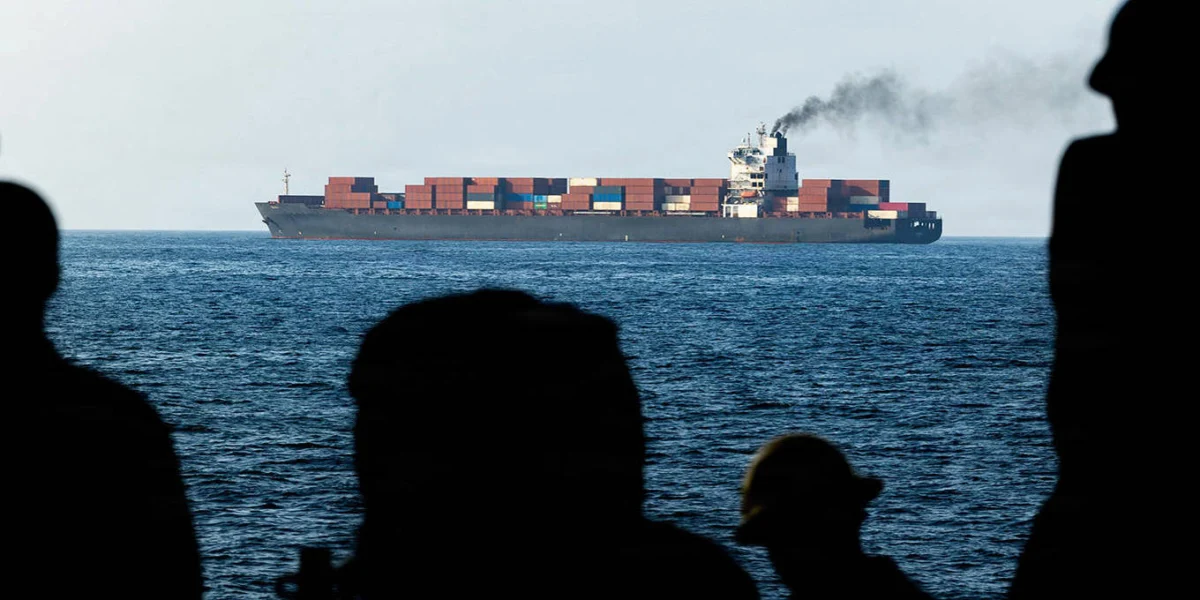
By Mohamed A. El-Erian
June 17, 2026
The geopolitical landscape, which has been defined by months of escalating hostility and acute economic instability, shifted slightly on Sunday with the announcement of a memorandum of understanding (MoU) between the United States and Iran. While the diplomatic overture represents a long-awaited departure from the brinkmanship that has dominated the headlines, it is essential to temper optimism with a rigorous assessment of reality.
A memorandum of understanding is, by definition, a statement of intent—a framework rather than a final settlement. The transition from this diplomatic declaration to a restored, non-inflationary energy supply chain is a path fraught with systemic political, technical, and physical risks. To understand what lies ahead, we must look beyond the immediate relief of the news cycle and analyze the structural hurdles that remain.
The Main Facts: A Pivot Point for Global Markets
The memorandum serves as a preliminary bridge intended to de-escalate the volatile situation in the Persian Gulf and broader Middle East. For months, the region has been trapped in a cycle of direct and proxy warfare that has wreaked havoc on global supply chains, specifically within the energy sector.
The core of the agreement focuses on three pillars:
- Immediate De-escalation: A cessation of hostilities aimed at securing critical maritime chokepoints, such as the Strait of Hormuz.
- Energy Infrastructure Stabilization: Initial discussions regarding the easing of restrictions on Iranian energy exports, conditional on verified security benchmarks.
- Diplomatic Normalization: The establishment of direct channels of communication to prevent future misunderstandings from spiraling into kinetic conflict.
While these pillars are encouraging, they are inherently fragile. The global economy, currently reeling from the "stagflationary spillovers" of the recent conflict, requires more than a mere statement of intent. It requires a sustained, verifiable, and transparent restoration of trade flows that the current MoU does not yet guarantee.
A Chronology of Conflict and Caution
To understand the weight of this memorandum, one must look at the timeline that necessitated it.
- Q4 2025: Tensions began to boil over as diplomatic backchannels collapsed. Energy prices spiked by nearly 30% within a three-week window as shipping insurance premiums for tankers in the region reached record highs.
- Q1 2026: The conflict moved from economic warfare to open physical hostilities. Key regional infrastructure was damaged, leading to a significant contraction in global energy supply. This triggered a supply-side shock that forced central banks in the G7 to pause interest rate cuts, fearing a resurgence in inflation.
- April–May 2026: The economic toll reached a tipping point. Global manufacturing output, particularly in Europe and East Asia, slowed as the cost of raw materials and energy inputs became unsustainable. The threat of a global recession transitioned from a remote possibility to a high-probability scenario.
- June 2026: Under intense pressure from domestic industrial lobbies and international allies, back-channel diplomacy in neutral venues (facilitated by regional intermediaries) yielded the current MoU.
Supporting Data: The Cost of Disruption
The economic data behind this diplomatic pivot is sobering. According to recent reports from the International Energy Agency (IEA), the months of hostilities resulted in a sustained reduction of nearly 1.5 million barrels per day (mb/d) in global oil supply.
The Inflationary Spillover
The energy shock caused by the conflict acted as a tax on global growth. As energy prices remained elevated, headline inflation—which had finally begun to trend toward central bank targets—stalled. In the United States, the Producer Price Index (PPI) saw three consecutive months of unexpected increases, driven almost entirely by energy and transportation costs.
The Insurance Premium Effect
Even if physical flows are restored, the "risk premium" baked into global shipping remains elevated. Insurance companies are currently pricing in a "conflict volatility factor" that adds approximately $4 to $7 per barrel of oil transported through the Gulf. The MoU is a necessary condition to reduce this premium, but it is not a sufficient one. Until there is a period of demonstrated stability, capital will remain hesitant to reinvest in the infrastructure required to scale up production.
Official Responses: Cautious Optimism vs. Skepticism
The international reaction to the memorandum has been a study in diplomatic nuance.
The White House Perspective:
The Biden administration has framed the MoU as a "victory for pragmatic diplomacy." Officials emphasize that the deal is not about abandoning previous red lines, but about prioritizing global economic stability. "We are testing the waters," a senior advisor noted, emphasizing that the agreement is "compliance-dependent." The administration is clearly trying to balance domestic political pressure to keep a hard line with the urgent economic need to lower fuel prices ahead of the mid-term cycle.
The Iranian Perspective:
In Tehran, the narrative is one of "principled engagement." The government has emphasized that the MoU is a recognition of its rightful place in global energy markets. However, hardline factions within the Iranian parliament have already expressed skepticism, questioning whether the United States will honor its side of the bargain once the immediate security concerns are addressed.
The Global Markets Response:
Equity markets reacted positively to the news, with energy-intensive sectors—such as airlines and heavy manufacturing—seeing a modest rally. However, bond markets remain jittery. The yield on the 10-year Treasury note has remained relatively high, suggesting that investors are not yet convinced that the inflationary threat has passed.
Implications: The Path to Normalization
The path forward is defined by three significant hurdles: the technical, the political, and the physical.
1. The Technical Challenge: Re-integrating Supply Chains
Even if the geopolitical situation stabilizes tomorrow, energy supply chains are not "on/off" switches. Iranian oil fields and refineries that have been under-maintained due to sanctions require significant capital and technical expertise to bring back to full capacity. This could take months, if not years. The "non-inflationary" aspect of the supply chain depends on this capacity coming online without overwhelming the already fragile global logistics infrastructure.
2. The Political Challenge: Domestic Hurdles
In Washington, the MoU faces a gauntlet of congressional scrutiny. Critics argue that any easing of sanctions—even temporary—rewards bad behavior and provides Iran with the liquidity needed to fund its regional proxies. The administration will need to navigate this legislative minefield with extreme precision to ensure the MoU does not collapse under the weight of domestic partisan warfare.
3. The Physical Challenge: Trust and Verification
The most dangerous variable is the "physical risk" of accidental escalation. In the confined waters of the Persian Gulf, a single miscalculation by a local naval commander could negate weeks of diplomatic progress. The MoU lacks a robust, third-party monitoring mechanism that is often found in more mature international treaties. Without an immediate "hotline" or a neutral oversight committee, the deal rests entirely on the continued political will of the two signatories.
Conclusion: A Fragile Foundation
The memorandum of understanding announced on Sunday is a vital step toward preventing a deeper, more catastrophic economic downturn. It provides a much-needed breathing room for central banks and industrial policymakers. However, it is a foundation of sand, not of stone.
If this agreement is to evolve into a durable solution, both sides must move quickly from the "intent" phase to the "implementation" phase. This requires transparent communication, a willingness to weather domestic political storms, and, above all, a recognition that the global economy is currently too fragile to withstand another round of failed diplomacy.
Investors, policymakers, and citizens alike should welcome the news, but they should not yet adjust their long-term forecasts. We are in the early stages of a long, complex, and highly volatile process of de-escalation. The shadow of stagflation has not yet been lifted; it has merely been granted a temporary stay of execution. The coming weeks of implementation will be the true test of whether this memorandum represents a genuine turning point or merely a fleeting pause in a larger, ongoing conflict.
 Reynand Wu
  Azzam Bilal Chamdy
  Asro
Asro