
 By Muslim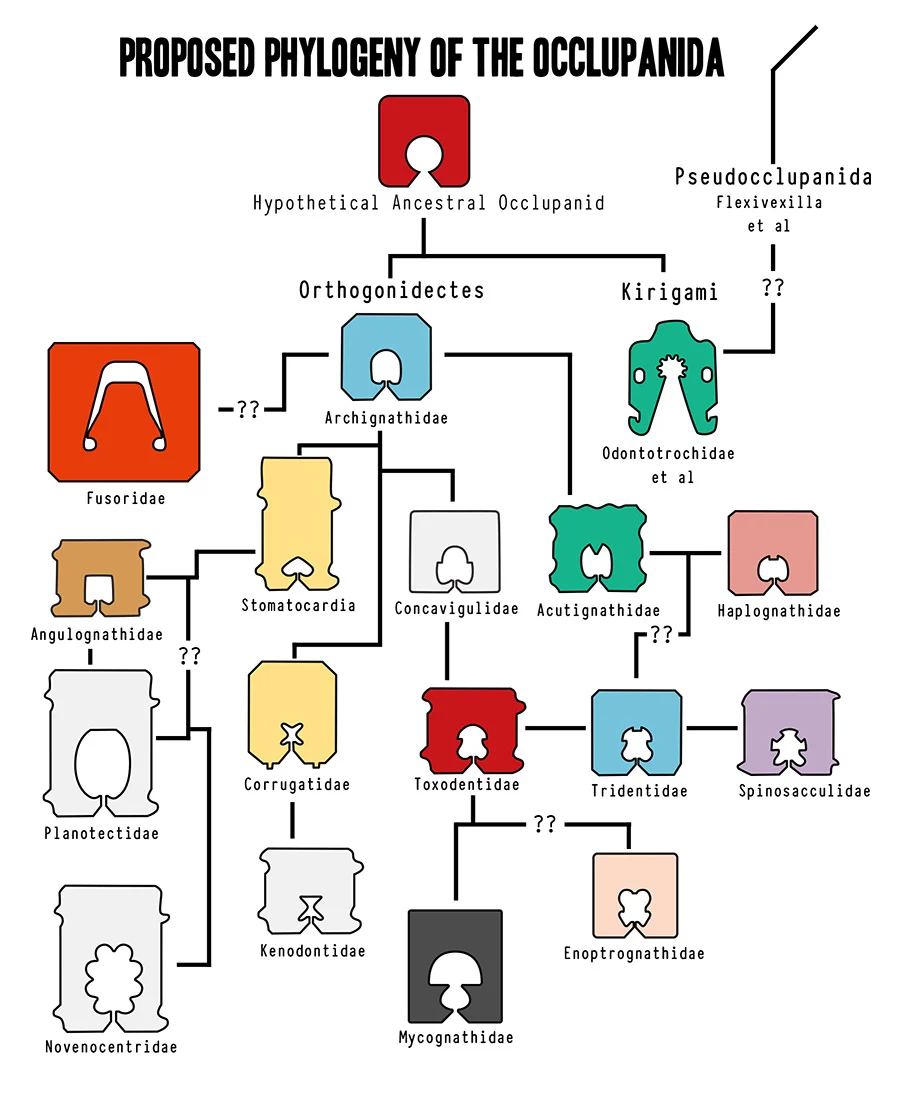
In the sprawling, often overlooked aisles of our grocery stores, bakeries, and domestic junk drawers, a silent, synthetic evolution has been unfolding for decades. While biologists catalog the natural world, a niche group of researchers known as "occlupanologists" have turned their lens toward the objects that govern our daily consumption: the bread tag. Known formally as the class Occlupanida (derived from the Latin occlu, meaning to close, and pan, meaning bread), these small, ubiquitous plastic artifacts represent a fascinating, albeit man-made, biological mystery.
Main Facts: Defining the Occlupanida
Occlupanida are classified under the Kingdom Microsynthera and the Phylum Plasticae. To the layperson, these items are merely the colorful, notched plastic tabs that secure the freshness of a loaf of bread. However, to the occlupanologist, they are specimens of high evolutionary intrigue. They share their phylum with other mundane plastic debris, including record-holding "45" adaptors, plastic juice caps, and a variety of other small, rigid plastic objects that litter the human environment.
The defining characteristic of an occlupanid is its primary function: to seal. Yet, as the field of occlupanology matures, researchers have discovered that these objects exhibit a remarkable degree of morphological diversity. From the classic, simple-holed tag to complex, multi-toothed locking mechanisms, the diversity within Occlupanida suggests a rapid, localized adaptation to the pressures of the global grocery industry.
Methodology: The Challenge of Synthetic Taxonomy
Constructing a formal taxonomy is typically a rigorous process involving the analysis of DNA sequences, developmental biology, sexual dimorphism, and a robust fossil record. For the student of "synthetic taxonomy," however, these traditional pillars are entirely absent. There is no genome to sequence, no embryology to observe, and no million-year-old strata to excavate.
Instead, the synthetic taxonomist must adopt the spirit of 18th-century pioneer Carl Linnaeus. In the absence of genetic data, the taxonomist relies on a process of morphological observation: grouping specimens that appear similar, meticulously illustrating their features in complex charts, and positing logical evolutionary pathways with the hope that future generations will apply more rigorous analytical tools to the field.
The Oral Groove: The Key to Classification
Because most occlupanids possess a confounding array of homologous structures—often designed by different manufacturers for different industrial purposes—researchers have focused their efforts on the "oral groove." Much like the study of insect wings, which are vital for determining species classification in entomology, the dentition (or lack thereof) within an occlupanid’s oral groove serves as the primary diagnostic feature.
This dentition is not merely aesthetic; it dictates the object’s ecological niche—the type of packaging it is designed to secure—and its biogeographic distribution. A tag with deep, aggressive teeth may be found on high-pressure industrial bakery bags, while a smooth, toothless variant might occupy a more sedentary niche in a home kitchen.

Chronology: A History of Synthetic Speciation
The history of the occlupanid is inextricably linked to the history of post-war industrialization.
The Proto-Occlupanid Era (Pre-1950s): Before the dominance of the plastic tag, the "closing" of bread was a haphazard affair, often involving wire ties or simple folding. Early, primitive forms began to appear as manufacturers sought cheap, automated solutions for high-volume production.
The Rise of the Archignatha (1960s–1970s): This period saw the emergence of the "Archignatha," the basal group of occlupanids. These early designs were rudimentary, characterized by simple structural integrity and a lack of complex dentition. They established the foundational "look" of the modern bread tag.
The Era of Industrial Diversification (1980s–2000s): As global supply chains expanded, the diversity of packaging materials exploded. This created new, distinct "niches" for occlupanids. We saw the rise of specialized orders, each adapted to specific material thicknesses, bag textures, and shelf-life requirements.
The Contemporary Epoch (2010s–Present): Today, we are witnessing the "climax" of occlupanid evolution. With the increasing pressure to reduce plastic waste and the introduction of new materials, older, less efficient orders are waning, while new, specialized forms are emerging, signaling a constant, dynamic adaptation to the modern civilized world.
Supporting Data: Mapping the Microsynthera
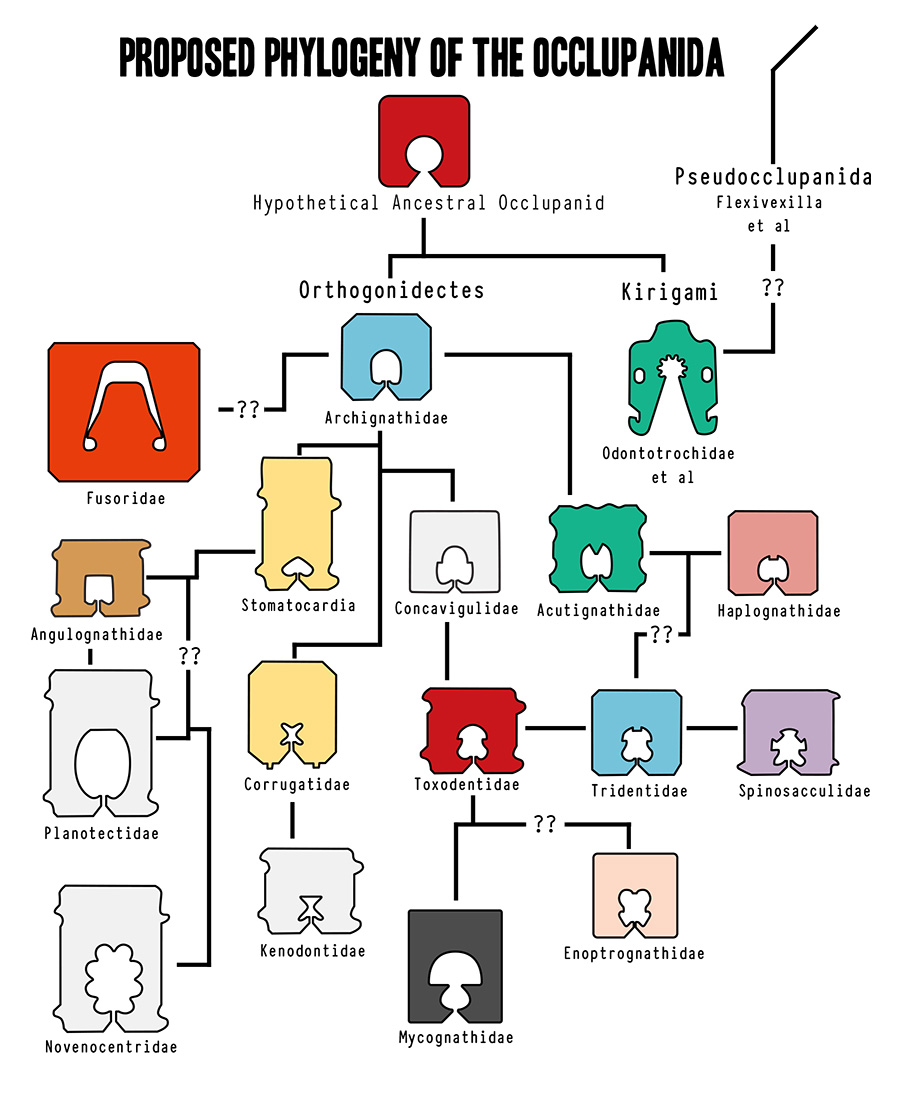
The proposed phylogeny of the Occlupanida suggests a clear, logical progression. It begins with the assumption that the most basal forms resembled the Archignatha. From this point, subsequent orders were placed in a sequence determined by the complexity and arrangement of their dentition.
The HORG (Horg Organization for Research of Global occlupanids) has been instrumental in maintaining a vast repository of these artifacts. Their collection holdings, which include thousands of individual specimens, provide the data necessary for the construction of comprehensive phylogeny charts. These charts serve as the "living document" of the field, updated as new specimens are discovered in the wild.
In addition to morphological charts, researchers track the biogeography of these objects. By mapping where specific types of occlupanids are found, researchers can infer the reach of specific industrial manufacturers and the movement of goods across continents. This transforms the lowly bread tag into a data point for macro-economic and industrial historical research.
Official Responses: The Scientific Community’s View
The reaction to the rise of synthetic taxonomy has been mixed. Mainstream evolutionary biologists often view the field of occlupanology with a mixture of amusement and bewilderment. However, proponents argue that the study of synthetic objects is essential for understanding the "Anthropocene."
Dr. Aris Thorne, a leading figure in synthetic taxonomy, notes, "We are documenting the artifacts of human culture exactly as a paleontologist documents the remnants of the Cambrian explosion. Whether an object is biological or manufactured, it is subject to the pressures of utility and environment. The bread tag is not just plastic; it is a testament to the industrial ingenuity of our species."
Furthermore, the HORG organization maintains that their work is vital for preservation. "If we do not document these small objects now, they will be lost to the landfill forever. We are, in effect, creating a record for a future civilization that may wonder why we felt it necessary to put a colorful piece of plastic on every loaf of bread we purchased," states the current head of the collection archive.
Implications: What the Bread Tag Tells Us About Ourselves
The study of Occlupanida holds profound implications for how we view the human footprint on the planet.
- The Evolution of Convenience: The diversity within the class Occlupanida is a direct mirror of our obsession with convenience. Every "species" of bread tag represents a technological attempt to save seconds in the packaging process, demonstrating the extreme lengths to which modern industry goes to optimize the mundane.
- The "Synthetic Fossil" Record: As traditional biological species face extinction due to climate change and habitat loss, the Occlupanida are expanding. They represent the "synthetic fossils" of our era—durable, abundant, and ubiquitous. They will likely be the most preserved evidence of our civilization in the geological record of the future.
- The Philosophy of the Mundane: By applying a rigorous, scientific framework to the trivial, occlupanologists force us to reconsider our relationship with the objects we touch every day but never truly see. It is a lesson in observation, suggesting that even in the most boring of environments, there is a complex, ordered world waiting to be classified.
As we continue to consume and discard, the Occlupanida will continue to evolve, branching into new forms and occupying new niches. Whether they are seen as simple trash or complex biological analogues, one thing is certain: the study of the bread tag is a window into the peculiar, plastic-laden nature of the human experience. In the quiet, dusty corners of our pantries, the story of the Occlupanida continues, one serrated edge at a time.
 Siti Muinah
  Raul Delapena Setiawan
  Iffa Jayyana