
 By Iffa Jayyana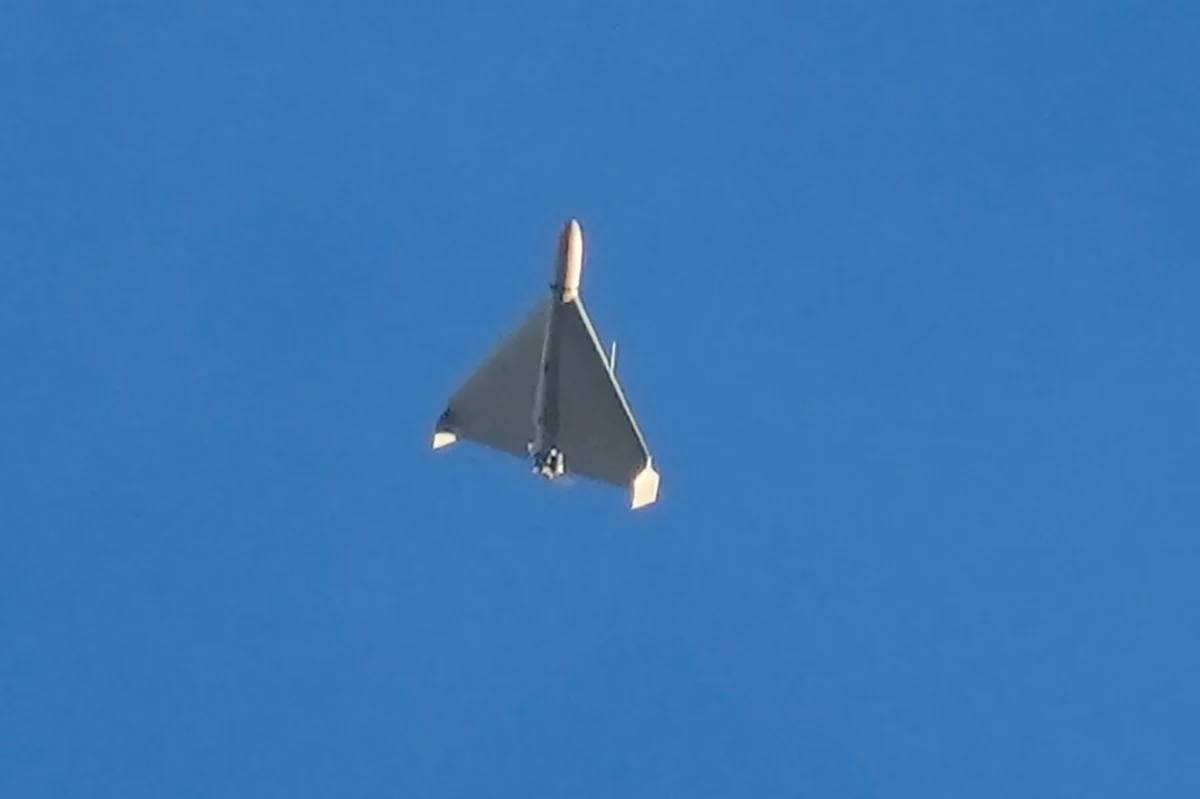
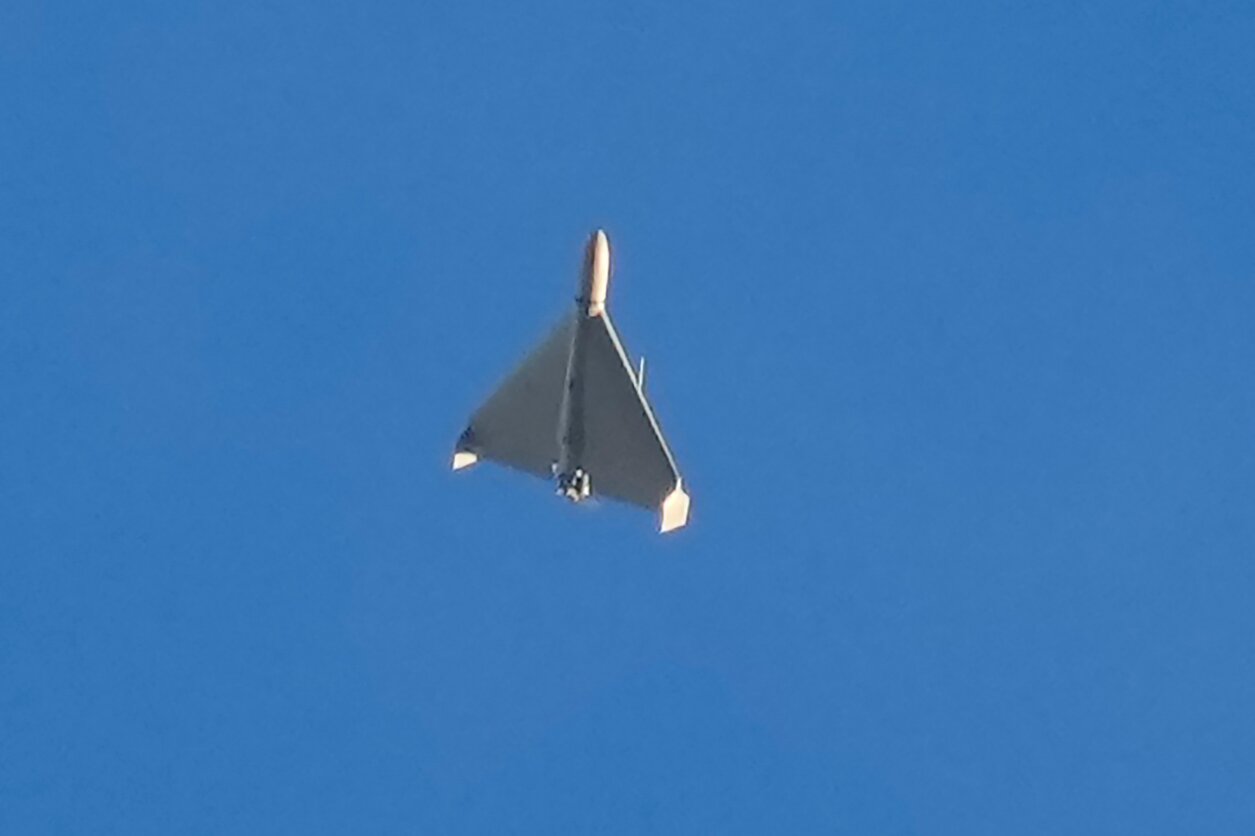
In an era where low-cost, long-range loitering munitions have fundamentally altered the landscape of modern warfare, a new initiative in the Baltic region is looking to the collective power of the citizenry to bolster national security. A startup, in collaboration with a coalition of security activists, has launched "Drone Rada" (Dronuradaras.lt), an open-source acoustic detection system that transforms everyday consumer electronics into a sophisticated, distributed sensor network designed to identify and track hostile unmanned aerial vehicles (UAVs).
As the geopolitical climate in Eastern Europe remains volatile, the project represents a paradigm shift in how civilian populations can contribute to territorial defense, leveraging the ubiquity of smartphones to create a comprehensive "acoustic shield" against the threat of Shahed-type suicide drones.
The Genesis of the Initiative: Turning Phones into Sentinels
The concept behind Drone Rada is deceptively simple yet technologically ambitious. By repurposing unused Android smartphones, the initiative seeks to bridge the gap between expensive, military-grade radar systems and the need for pervasive, real-time monitoring of low-altitude airspace.
How the Technology Functions
The mechanism relies on the collective processing power of thousands of volunteer devices. Verified participants connect an old or spare smartphone to a power supply, position it near a window, and run the dedicated Drone Rada application. The app functions as a passive listener, continuously analyzing ambient acoustic frequencies.
The core of the system is a specialized algorithm programmed to isolate the specific, low-frequency acoustic "signature" of drone engines—specifically those used by Shahed-class UAVs. Unlike traditional radar, which can be expensive to deploy and easily overwhelmed by ground clutter or low-altitude masking, acoustic detection offers a granular, localized layer of awareness.
When a suspicious signal is detected, the device does not immediately transmit audio recordings to a central server—a design choice made to prioritize user privacy. Instead, the onboard algorithm processes the data locally. If multiple devices in a localized geographical cluster register the same anomalous acoustic signature simultaneously, the system triangulates the object’s potential trajectory and location. This data is then aggregated onto an interactive, public-facing map, providing a real-time visualization of potential threats.
A Collaborative Ecosystem: The Coalition Behind the Map
The project is far from a solo endeavor. Spearheaded by Audrius Zujus, the founder of the startup Mainline, the initiative is supported by a diverse ecosystem of technological and security stakeholders. The current team comprises 20 specialists, including engineers, software architects, and defense analysts.
The project’s legitimacy is underscored by its partnerships with prominent organizations, including the Lithuanian Artificial Intelligence Association, the Baltic Institute of Technology, and the Lithuanian Riflemen’s Union. This cross-sector collaboration ensures that the technology remains both scientifically robust and operationally relevant to the unique security challenges faced by the Baltic states.
Chronology and Strategic Vision
The project’s roadmap is defined by a transition from local testing to regional integration.
- Phase I: Initial Deployment and Proof of Concept. The immediate goal is to establish a network of several hundred active sensors to refine the detection algorithms and ensure the accuracy of the triangulation model.
- Phase II: Scaling the Civic Network. The organizers have set an ambitious target of recruiting 10,000 active users. By saturating urban and rural areas with these acoustic nodes, the project aims to minimize "blind spots" in the detection map.
- Phase III: Cross-Border Expansion. The initiative is not limited to Lithuania. The organizers are actively looking to expand operations into Latvia, Estonia, and Poland, aiming to create the largest civic acoustic drone detection network in the Baltic region.
- Phase IV: Infrastructure Integration. Future iterations of the platform plan to move beyond smartphones. The team is currently in discussions with major mobile network operators to install specialized sensors directly onto telecommunications towers, which would provide a more stable and widespread power source and better signal reception than home-based units. Additionally, there are plans to integrate audio streams from existing residential surveillance camera networks.
Official Perspectives: Security, Privacy, and Resilience
The philosophy behind Drone Rada is rooted in the concept of "Total Defense." As Audrius Zujus noted during the project’s launch: "Today we are surrounded by devices that see, hear, and record their environment. Our goal is to connect these sensors into a common network that would provide an additional layer of security for society and strengthen the country’s resilience."
Addressing the Privacy Conundrum
One of the most pressing concerns regarding any distributed surveillance network is the potential for abuse or data leakage. The Drone Rada team has been emphatic in its commitment to data minimization.
"It is important to emphasise that user privacy remains one of our highest priorities," Zujus stated. "We aim to identify drones and determine their location using as little data as possible." By keeping the analysis local—only transmitting metadata or signal confirmation rather than raw audio files—the platform mitigates the risk of unauthorized eavesdropping or the collection of private residential audio.
The Role of Technology in Modern Deterrence
The project also serves as a proof-of-concept for how the private sector and civil society can support state-level defense efforts. In modern conflicts, conventional air defense systems—which are often limited in number and prohibitively expensive—are frequently exhausted by "swarm" tactics. A low-cost, high-volume acoustic network serves as a force multiplier, providing early warning data that can help state authorities prioritize the deployment of professional defense assets.
Implications: The Future of Civic Defense
The success of the Drone Rada initiative could have profound implications for global security. If proven effective, the model of a decentralized, civic-led acoustic detection network could be exported to other conflict-prone regions or countries facing threats from low-cost drone proliferation.
Strengthening National Resilience
By involving the public in the process of defense, the initiative does more than just track drones; it fosters a culture of shared responsibility and situational awareness. When citizens are active participants in their own protection, the "resilience" of the nation is inherently strengthened.
Technological Challenges and Future Hurdles
While the initiative is promising, it faces significant technical challenges. Environmental noise—such as heavy traffic, wind, or wildlife—can create false positives. Furthermore, as drone technology evolves to feature quieter engines or different acoustic profiles, the algorithms will require constant updates and training.
The success of the project will largely depend on its ability to maintain a high level of community engagement. Retaining 10,000 active participants requires sustained public interest and trust in the system’s efficacy. However, the initial reception from the tech community and security analysts has been largely positive, suggesting that the "acoustic shield" is a viable, if unconventional, response to the changing nature of modern aerial threats.
Conclusion: A New Era of Citizen-Powered Defense
The launch of the Drone Rada project marks a significant moment in the intersection of consumer technology and national security. As we move further into the 21st century, the boundaries between the civilian sphere and the theater of war continue to blur. Initiatives like this represent a proactive, bottom-up approach to security that leverages the very technologies that have made our lives more connected to also make our borders more secure.
Whether or not the project succeeds in scaling to its target of 10,000 nodes remains to be seen. However, the blueprint it provides—a combination of open-source software, collaborative partnerships, and a clear focus on privacy—sets a new standard for how civic tech can respond to the existential challenges of our time. In the quiet hum of a smartphone sensor placed near a window, the Baltic states may find the warning system they need to keep their skies secure.
 Siti Muinah
  Raul Delapena Setiawan
  Nila Kartika Wati