
 By Asep Darmawan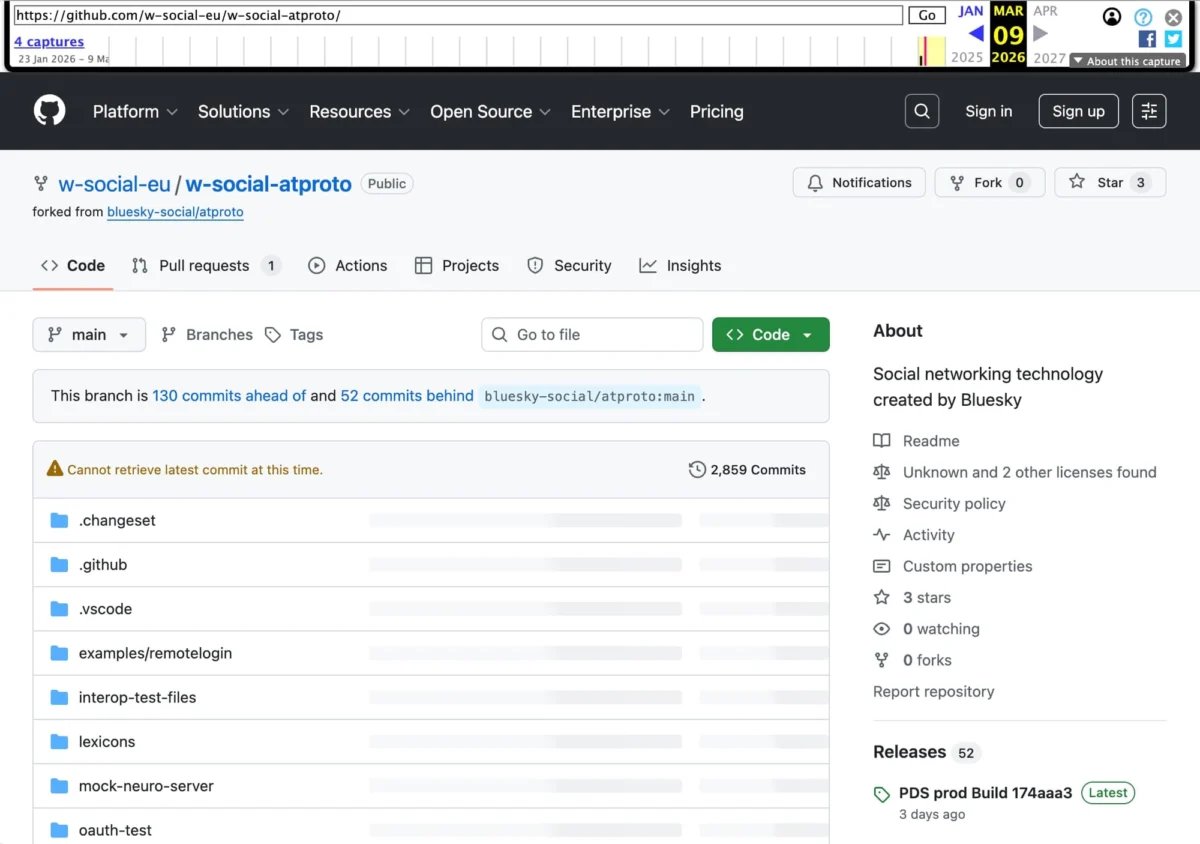
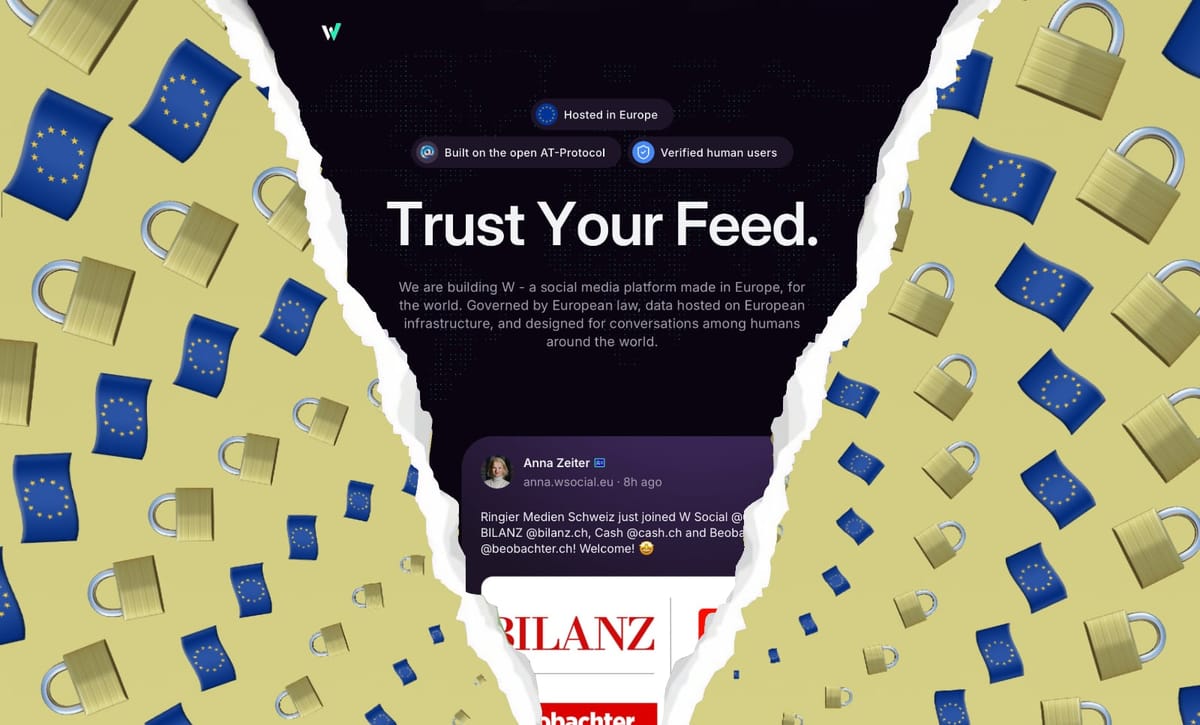
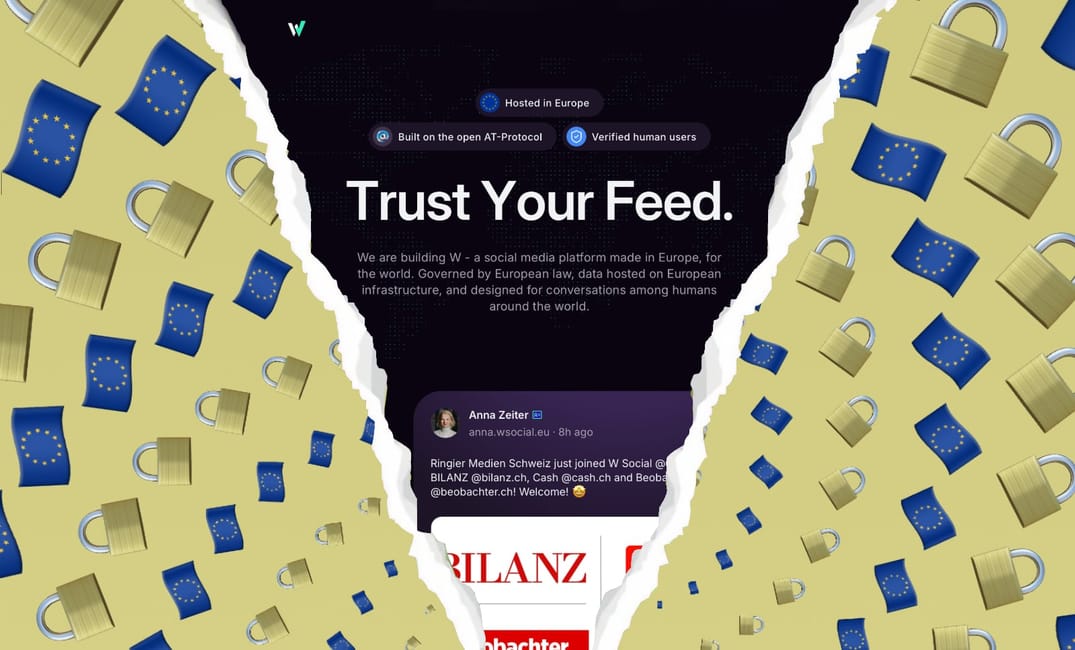
In the evolving landscape of decentralized social media, a new player has emerged, generating both intense curiosity and profound concern. W Social, a microblogging platform built as a fork of the ATproto (the underlying protocol for Bluesky), has positioned itself as the definitive European alternative to X (formerly Twitter). By promising identity verification to combat misinformation and hosting data exclusively within European borders, the platform claims to champion "European digital sovereignty."
However, as W Social prepares for its public beta launch, a growing chasm has emerged between its carefully curated public image and the opaque reality of its operations. Recent developments—most notably the migration of high-profile European institutional accounts to W Social—have ignited a firestorm of questions regarding transparency, ethics, and the true meaning of "sovereign" technology.
The Migration: A High-Stakes Institutional Shift
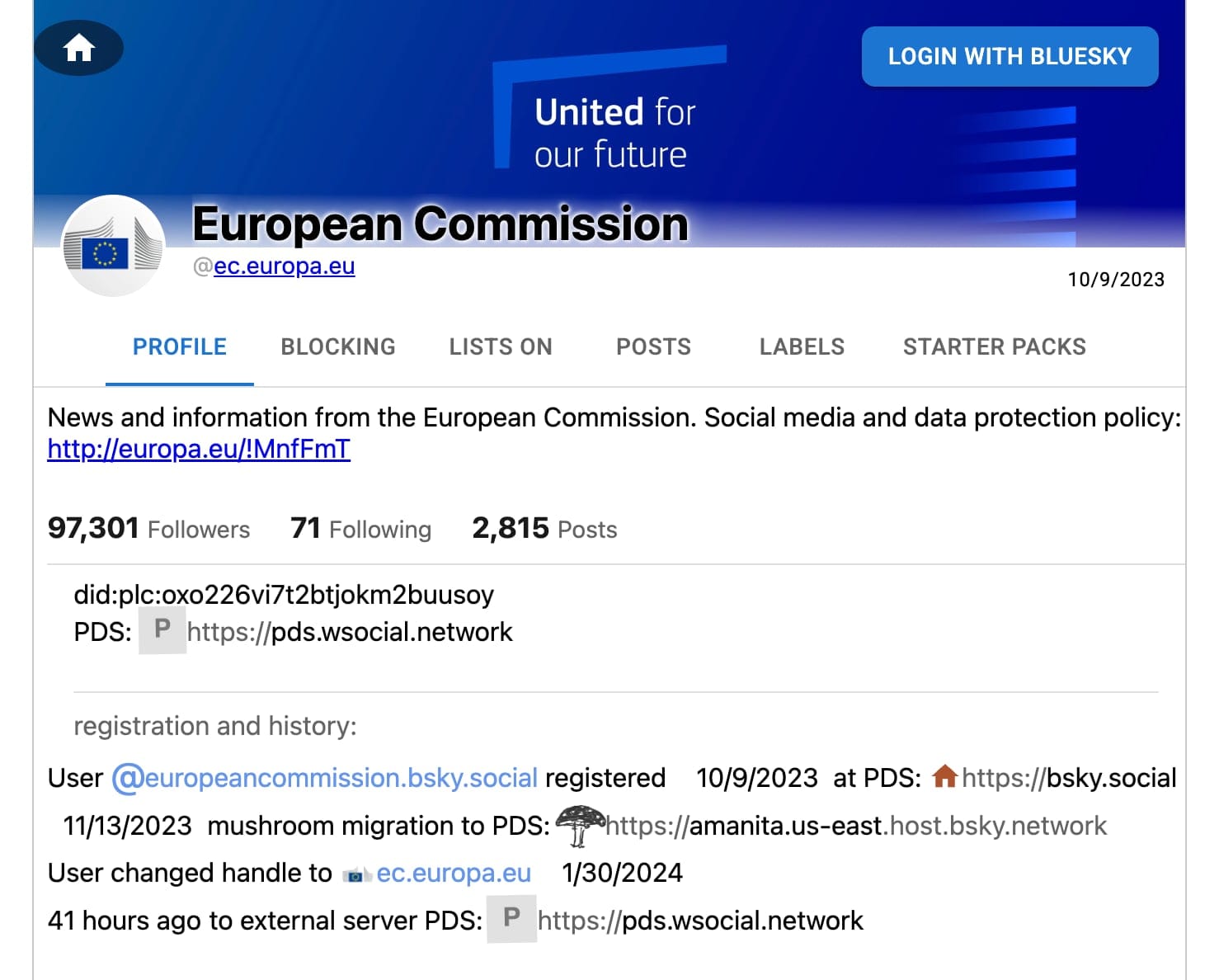
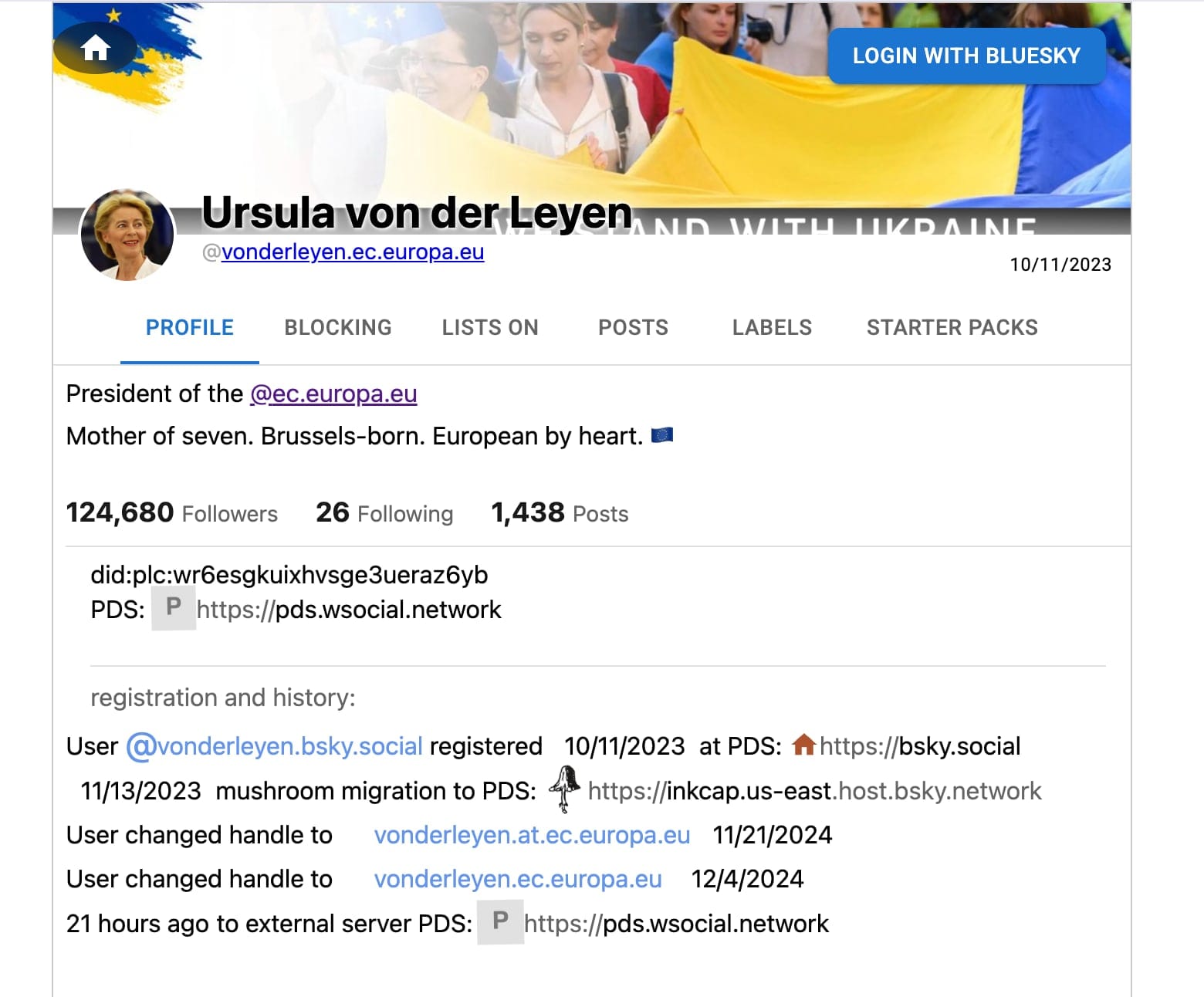
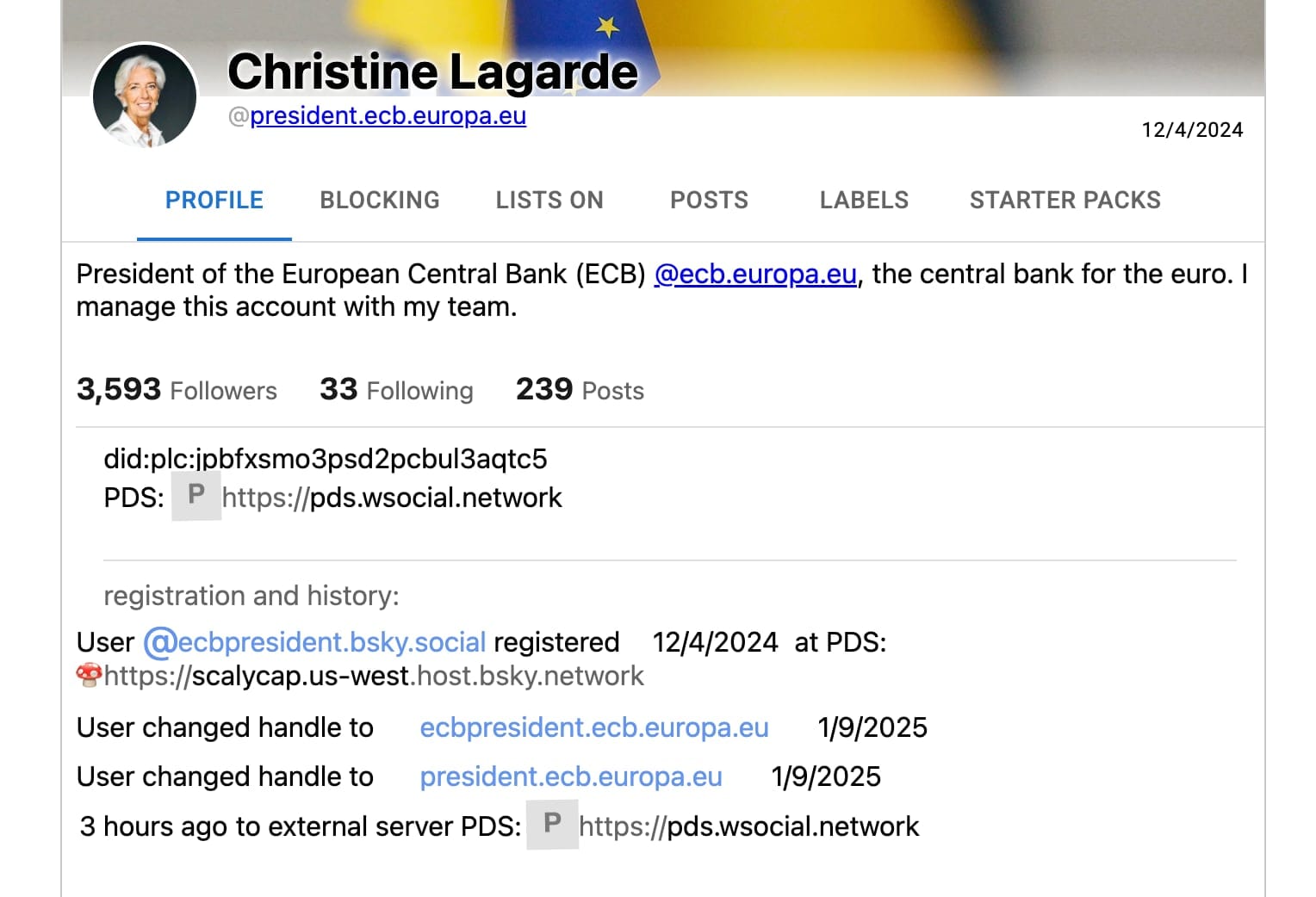
On June 12, 2026, a significant shift in the digital footprint of the European Union was recorded. Independent researchers confirmed that the ATproto accounts for the European Commission, European Commission President Ursula von der Leyen, the European Central Bank, and ECB President Christine Lagarde had been migrated from Bluesky PBC servers to those controlled by W Social.
This move is, at face value, a logical step for institutions seeking to align with the European Commission’s stated goals of bolstering regional tech infrastructure. However, the choice of W Social—a private, for-profit entity with a history of guarded communications regarding its technical stack—has caught many digital policy experts off guard.
The surprise is compounded by the fact that viable, transparent, and non-profit alternatives, such as Eurosky (powered by the Modal Foundation), already exist. Unlike W Social, Eurosky operates with radical transparency, providing a public roadmap and building its infrastructure in the open. By choosing a private, opaque platform, these institutions have effectively opted for a "black box" solution over the open-source ethos that the Commission itself championed in its recent Tech Sovereignty Package.
Chronology: The Vanishing Repository
The most alarming development in this saga occurred in the weeks leading up to the public beta. Until early March 2026, W Social maintained a public repository on GitHub, allowing developers and privacy advocates to inspect the code underpinning their ATproto implementation.

Without warning or explanation, that repository was deleted. When users attempted to access the source code, they were met with a 404 error. While archives from the Wayback Machine allow us to view the repository as it existed in early March, the current absence of public code is a radical departure from the standard practices of the decentralized web.
- Pre-March 2026: W Social maintains a public-facing repository on GitHub, fostering a sense of community trust and adherence to the open-source principles of the ATproto ecosystem.
- March 2026: The repository is removed, and the company ceases to make its web client and mobile app source code available on any major Git platform.
- June 3, 2026: The European Commission unveils its Tech Sovereignty Package, emphasizing the need for open-source alternatives and digital autonomy.
- June 12, 2026: Prominent EU institutions migrate their accounts to W Social, effectively moving their data from an open-source environment (Bluesky) to a closed-source one.
The "Red Flag" Ecosystem: Expert Analysis
Aral Balkan, co-founder of the Small Technology Foundation, has been among the most vocal critics of W Social’s operational secrecy. In an interview regarding the sudden deletion of the company’s code, Balkan noted that this is not merely a technical oversight but a major red flag.
"The standard practice is to deprecate the old repository and provide a clear path for users to find the new one. Simply deleting it is unheard of in the open-source community," Balkan stated. He argues that the move suggests W Social is transitioning to a closed-source model, which fundamentally undermines the spirit of the decentralized ATproto.
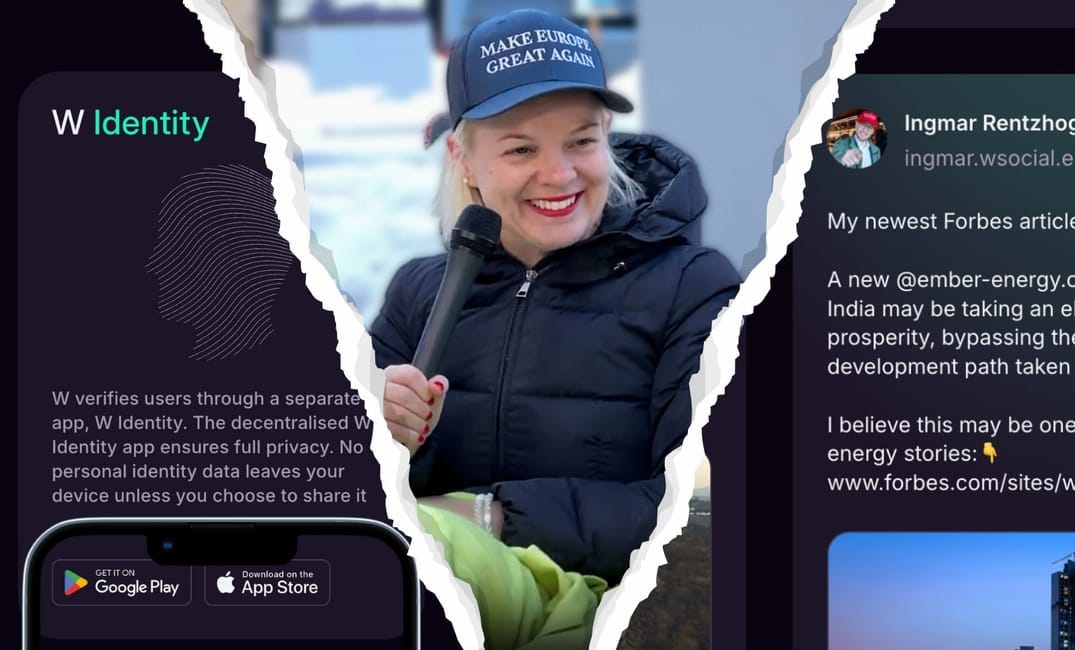
Furthermore, the advisory board of W Social paints a picture of a company deeply intertwined with the "Big Tech" establishment. The board includes individuals with deep ties to Alphabet (Google) and, perhaps more tellingly, Marc Placzek—a former Chief Privacy Officer at PayPal who currently holds a leadership role at Tools for Humanity.
Tools for Humanity is the organization behind Worldcoin, a project infamous for its plan to create a global digital ID linked to biometric iris scans. The presence of such figures on W Social’s advisory board suggests a corporate philosophy that leans toward "identity-first" surveillance rather than the privacy-preserving, user-centric models traditionally associated with the decentralized web.
Implications for European Digital Sovereignty
The European Commission’s move to W Social presents a glaring irony. On June 3, the Commission released a framework to strengthen Europe’s tech sovereignty, specifically identifying the support of open-source alternatives as a core pillar of this policy. Yet, by adopting a closed-source platform, the Commission is inadvertently validating a for-profit model that prioritizes proprietary control over the very "digital autonomy" it seeks to foster.
The Conflict of Interests
There are three core areas of concern regarding this institutional shift:
- The Transparency Gap: If the code is not open, how can the European public be certain that their data—or the data of their elected officials—is being handled according to the strict GDPR standards and the principles of the Tech Sovereignty Package?
- The Identity Verification Trap: W Social has prioritized mandatory identity verification. Critics fear this is a "trojan horse" for broader surveillance, mirroring the lobbyist-driven age-verification policies that often lead to the erosion of anonymity online.
- Profit Motives vs. Public Good: As a for-profit entity, W Social has openly admitted its interest in using user data to train European AI models. When public institutions migrate to such a platform, they essentially endorse the commodification of citizen interaction for corporate AI development.
A Call for Accountability
As W Social opens its public beta, the question remains: what does it mean to be "sovereign" in the digital age? If sovereignty implies control by the people, then reliance on closed-source, venture-backed platforms—regardless of where their servers are physically located—is a step backward.
The European institutions involved in this migration have a duty to provide transparency. They must address why they chose a closed-source, opaque startup over established non-profit alternatives that align with the EU’s own stated commitment to open-source software.
The public deserves answers to the following:
- Due Diligence: What specific criteria were used to vet W Social, and was their status as a closed-source entity considered during that process?
- Data Rights: What guarantees exist regarding the non-commercial use of public institutional data, especially concerning W Social’s stated interest in AI training?
- Alignment: How does the use of a closed-source, for-profit platform reconcile with the Commission’s official stance on promoting open-source digital infrastructure?
As the digital landscape continues to shift, the actions of the European Commission will set a precedent. If the goal is to build a truly sovereign, ethical, and human-centric internet, the choice must be for transparency and public ownership. Anything less is merely replacing American Big Tech with European "people farmers," perpetuating the same cycles of surveillance and control under a new flag.
The era of decentralized social media was intended to break the cycle of platform capture. Whether W Social will contribute to this mission or merely become a new, localized version of the problems we have already seen, remains to be proven. For now, the silence regarding their source code speaks louder than any marketing campaign.
 Siti Muinah
  Raul Delapena Setiawan
  Iffa Jayyana