
 By Pevita Pearce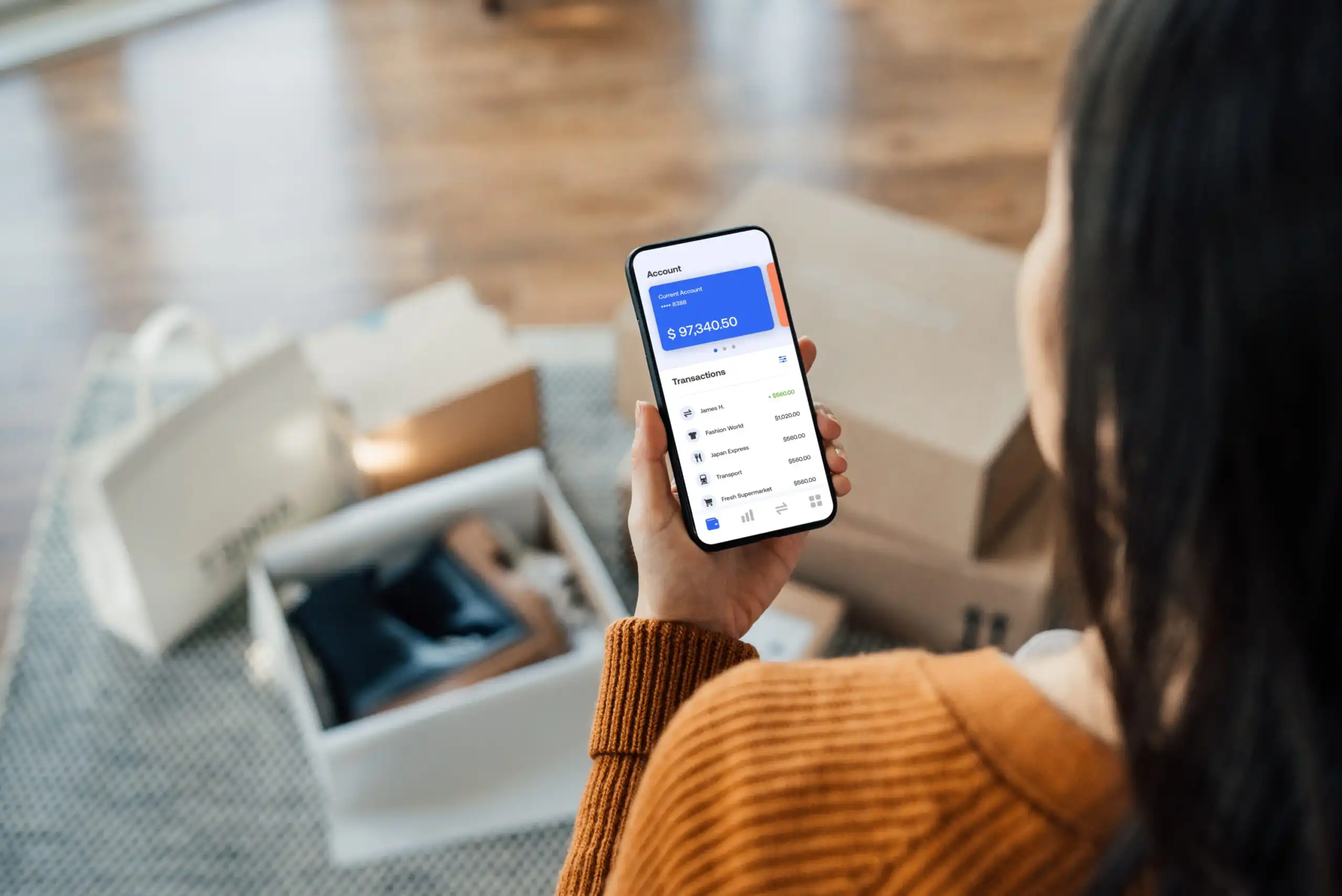
In an era defined by rapid technological transformation, the traditional brick-and-mortar bank branch is increasingly becoming a relic of the past. Today, savvy consumers are turning to online banks—institutions that prioritize digital agility, lower fee structures, and significantly higher annual percentage yields (APYs) over expensive physical real estate.
By eliminating the overhead costs associated with maintaining thousands of physical branches, online banks can pass those savings directly to the consumer. This article provides a comprehensive analysis of the current leaders in digital banking, the mechanics of their high-yield offerings, and the critical considerations every consumer must weigh before transitioning their finances to the cloud.
The Core Advantages of Online Banking
The shift toward digital-first banking is driven by a simple economic reality: efficiency. Online banks offer a compelling value proposition that traditional institutions often struggle to match.
1. Superior Yields and Lower Fees
Because digital banks operate with minimal overhead, they frequently offer interest rates on savings and money market accounts that are several times higher than the national average. Furthermore, the "hidden" costs of traditional banking—such as monthly maintenance fees, paper statement charges, and minimum balance penalties—are largely absent in the digital space.
2. Accessibility and Convenience
With 24/7 access to account management, mobile check deposits, and instantaneous fund transfers, online banking aligns with the modern pace of life. Users can manage their entire financial ecosystem from their smartphones, unburdened by banking hours or geographic limitations.
3. Advanced Financial Tools
Many digital-first institutions integrate sophisticated budgeting software, automated savings features, and "spending buckets" directly into their mobile applications, allowing users to track financial health in real-time.
Top-Tier Online Institutions: A Comparative Analysis
Axos Bank: The Best Overall Choice
Axos Bank has redefined the standard for integrated banking with its Axos ONE platform. By combining high-yield savings and interest-earning checking into a single, fee-free bundle, Axos creates a seamless wealth-building environment.
- Key Feature: Users can earn up to 4.21% APY on savings and 0.51% APY on checking, provided they meet specific monthly direct deposit or balance requirements.
- Security: Beyond standard FDIC insurance, Axos offers expanded coverage up to $265 million through its InsureGuard+ program, providing a level of security that exceeds most traditional institutions.
Alliant Credit Union: The Member-First Alternative
For those who prefer the cooperative model, Alliant Credit Union stands out. As a credit union, Alliant is owned by its members rather than profit-seeking stockholders, ensuring that surplus revenue is often reinvested into better rates and lower fees. With access to over 80,000 fee-free ATMs, Alliant offers the convenience of a national bank with the service-oriented philosophy of a local credit union.
CIT Bank: The High-Yield Powerhouse
CIT Bank is the preferred destination for those seeking to maximize interest income. Known for its Platinum Savings account and highly competitive CDs, CIT Bank consistently outpaces the national average for APY. Their "No Penalty" CD products are particularly noteworthy, offering liquidity that is rare in the fixed-income sector.
GO2bank: Rewards for the Digital Consumer
GO2bank caters to users who prioritize daily utility. With 7% cash back on select eGift card purchases and a high-yield savings rate of 4.50% APY on balances up to $5,000, it is an ideal account for those who want their daily spending to work for them.
Chronology of the Digital Banking Revolution
The rise of online banking was not an overnight occurrence but rather a gradual evolution spanning three decades:
- The 1990s: The introduction of "PC Banking" allowed users to dial in via modems, though services were limited to basic balance inquiries.
- The 2000s: The rise of high-speed internet and the launch of early direct banks (such as ING Direct) proved that consumers were willing to trust their money to an entity they could not visit in person.
- The 2010s: The "Mobile First" era. The widespread adoption of smartphones turned banking into a 24/7 utility, with apps replacing tellers for the vast majority of routine transactions.
- The 2020s to Present: The era of "Neobanks" and "Fintech Integrations." Banks are now moving toward hyper-personalized experiences, utilizing AI to predict spending habits and automate wealth accumulation.
Supporting Data: Why Yields Differ
The disparity between traditional bank rates and online bank rates is fundamentally tied to the "Cost of Funds."
Traditional banks must pay for property taxes, utility bills, security personnel, and teller salaries at thousands of locations. These costs consume a significant portion of their revenue. Conversely, an online bank’s primary cost is its IT infrastructure and cybersecurity protocols.
The Math of Interest:
When you deposit $10,000 into a traditional account earning 0.01% APY, you earn $1.00 annually. If that same $10,000 is placed in a high-yield online account earning 4.00% APY, you earn $400.00. This $399 difference is the "efficiency dividend" that online banks pay to their customers.
Official Security Standards and FDIC Compliance
A common hesitation regarding online banking is safety. However, the regulatory landscape for online banks is identical to that of traditional banks.
- FDIC Insurance: Always confirm that your bank is FDIC-insured. This provides up to $250,000 of coverage per depositor, per ownership category, in the event of a bank failure.
- Encryption: Look for banks that utilize AES-256 bit encryption, multi-factor authentication (MFA), and real-time transaction alerts.
- Regulatory Oversight: Online banks are subject to the same rigorous audits and federal regulations as the "Big Four" banks (Chase, Bank of America, Wells Fargo, and Citi).
Implications for Your Financial Future
Transitioning to an online bank is more than a change in branding; it is a strategic shift in how you manage your financial life.
The "Cash Problem"
The only significant hurdle in the online-only model is cash handling. While many banks provide access to thousands of ATMs, depositing physical cash can sometimes be difficult or incur third-party fees. If your lifestyle requires frequent cash deposits, ensure your chosen online bank has a partnership with retailers or ATM networks that accept cash deposits.
The Role of Physical Branches
If you occasionally require notarization, safe deposit boxes, or complex loan consultations, you might consider a "hybrid" approach. Keeping a small, free checking account at a local credit union for emergencies, while moving your primary savings and wealth-building assets to an online bank, offers the best of both worlds.
How to Make the Switch
- Evaluate Your Needs: Do you need a high-interest checking account, or just a place to park an emergency fund?
- Compare APYs and Fees: Use online comparison tools to ensure the rate you see is the rate you’ll keep.
- The "Slow Transition": Keep your old account open for 30 days after opening your new one. Ensure all automatic bill payments and direct deposits have successfully migrated to the new account before closing the old one.
- Verify Access: Test your mobile app and ensure you have identified the nearest in-network ATM.
Conclusion: The Future is Digital
The banking sector is experiencing a permanent shift. By leveraging technology to strip away unnecessary costs, online banks have become the most efficient vehicles for the average consumer to grow their wealth. Whether you choose a high-yield specialist like CIT Bank, a comprehensive platform like Axos, or a member-centric credit union like Alliant, the benefits of digital banking—higher rates, fewer fees, and greater control—are clear.
As the financial world continues to evolve, the most successful savers will be those who embrace these tools, ensuring their money is working as hard as possible in a secure, digital-first environment. When you remove the barriers of time and distance, your financial potential is limited only by your strategy, not by the bank down the street.
 Nana Wu
  Nana Muazin
  Layla Zulfa