
 By Layla Zulfa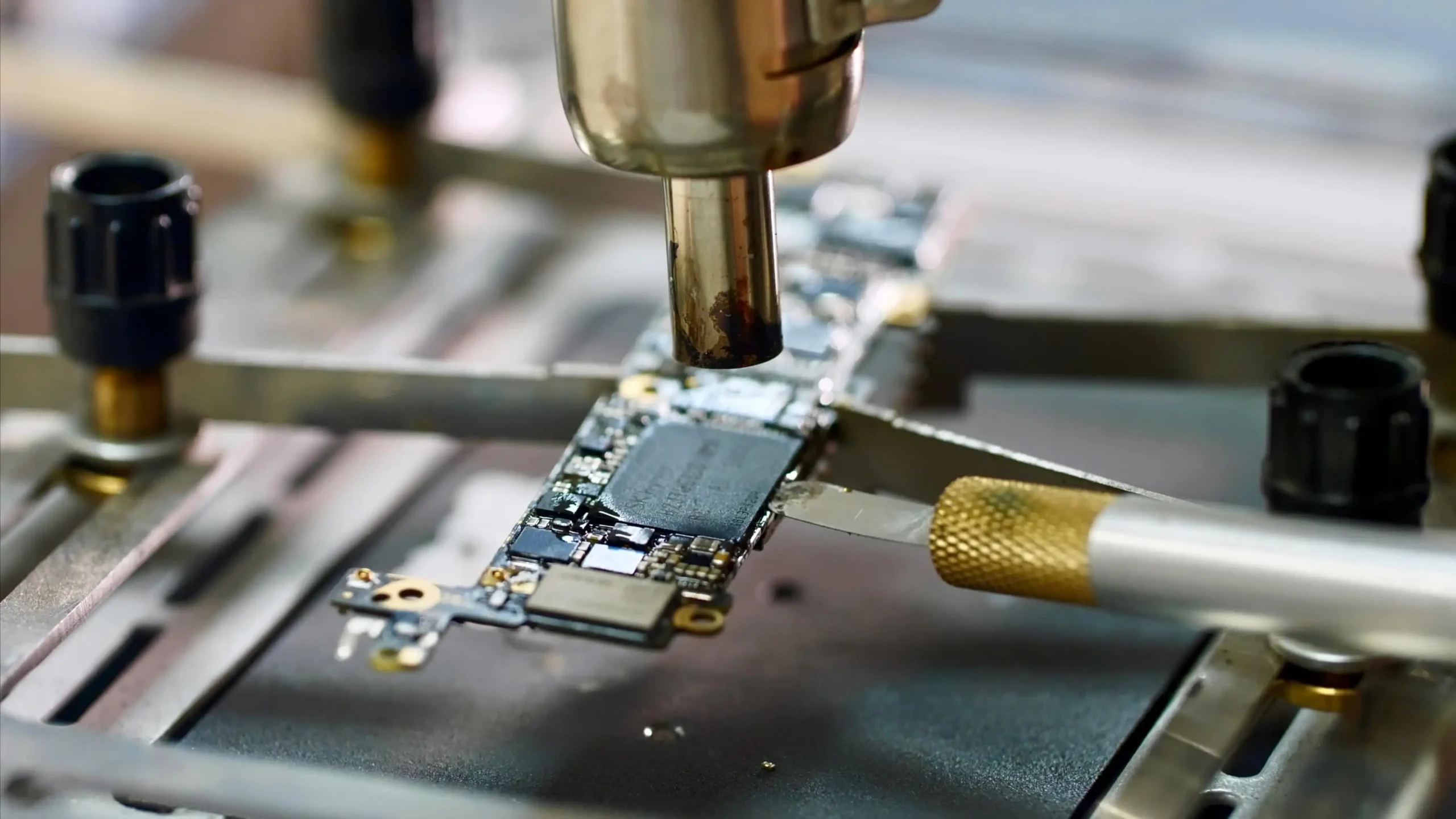
For decades, the word "refurbished" has carried a stigma. To the average consumer, the term conjures images of scratched screens, mysterious internal malfunctions, and the lingering dread that a device will fail just days after the return window closes. This deeply ingrained skepticism often leads shoppers to pay full retail price for brand-new items, even when a perfectly functional alternative is sitting on a shelf just a few clicks away.
However, the landscape of the secondary electronics market has shifted dramatically. Today, buying “Certified Refurbished” is no longer a gamble—it is a sophisticated financial strategy employed by savvy tech enthusiasts to maximize their purchasing power. By understanding the rigorous testing protocols and industry-standard warranties behind these devices, consumers can secure flagship-level technology at a fraction of the cost.
The Evolution of the Refurbished Market
To understand why the stigma surrounding refurbished goods is becoming obsolete, one must look at the evolution of the supply chain. Historically, “refurbished” was a loosely defined term used by third-party sellers to describe anything from a factory-tested unit to a device that had simply been wiped with a cloth.
Today, the market is bifurcated. On one side, there is the “gray market” of independent sellers using the term loosely. On the other, there is the highly regulated, manufacturer-backed "Certified Refurbished" tier. This latter category has become a cornerstone of the circular economy, driven by massive return rates in the e-commerce era.
When a customer buys a laptop or smartphone and returns it because the color wasn’t quite right or the screen size didn’t fit their needs, that item cannot legally be sold as "new." These units, often used for less than 48 hours, are the backbone of the certified refurbishment pipeline. They are subjected to intensive diagnostic testing, cosmetic restoration, and software re-flashing, ensuring that the end result is functionally identical to a factory-sealed unit.
Chronology of a Certified Refurbished Device
The journey from a customer return to a "Certified" product is a meticulous process designed to restore the device to "like-new" status. While protocols vary by manufacturer, the typical lifecycle follows a strict sequence:
- Return and Intake: The device is returned to the retailer or manufacturer. It is immediately flagged as non-new inventory.
- Diagnostic Scrutiny: Every component is tested. Manufacturers use automated software suites to stress-test processors, check memory integrity, and assess battery health cycles.
- Component Replacement: This is where the "Certified" label earns its weight. In programs like Apple’s, the device receives a brand-new outer shell and a new battery as a matter of policy. Any component that shows even the slightest sign of wear or performance degradation is replaced with genuine, factory-spec parts.
- Software Overhaul: The storage is wiped clean, the operating system is reinstalled to factory settings, and the latest firmware updates are applied to ensure the device is future-proofed.
- Quality Assurance (QA) Check: Before being boxed, the device undergoes a final manual inspection by a technician to ensure cosmetic perfection and functional reliability.
- Packaging and Certification: The device is placed in a new, clean box with all original accessories—cables, manuals, and adapters—and issued a new serial number or registration status that qualifies it for full warranty coverage.
Supporting Data: The Financial Logic
The numbers speak for themselves. According to industry analysis, certified refurbished items typically retail for 15% to 30% less than their brand-new counterparts. On a $2,000 laptop, that is a savings of $300 to $600—money that can be reallocated toward extended warranties, software subscriptions, or high-quality peripherals.
Furthermore, the environmental impact is significant. Extending the lifecycle of a single smartphone by just two years reduces its carbon footprint by nearly 80%. As corporate ESG (Environmental, Social, and Governance) goals become more rigorous, manufacturers are incentivized to make these programs even more robust, creating a virtuous cycle that benefits both the consumer’s wallet and the planet.
Manufacturer Perspectives and Official Programs
Major tech giants have moved from treating refurbished sales as a "hidden" section of their websites to featuring them as central pillars of their business models.
- Apple: Widely considered the gold standard, Apple’s Certified Refurbished program offers devices that are indistinguishable from new. They provide a full one-year warranty, the option to purchase AppleCare+, and a complete set of original accessories in premium, white-box packaging.
- Samsung: Their "Certified Re-Newed" program focuses heavily on transparency. By utilizing original Samsung parts and providing a comprehensive warranty that mirrors new device coverage, they have successfully brought high-end tablets and smartphones into the hands of budget-conscious professionals.
- Microsoft: The Surface line often features heavily in their refurb store, offering substantial discounts on business-grade hardware that has been tested to meet the same quality standards as devices coming off the assembly line.
- Amazon Renewed: While a broader marketplace, Amazon’s program requires sellers to adhere to strict performance metrics. It serves as a middle ground, offering a 90-day guarantee that provides a safety net for those looking for deals on older generations of hardware that manufacturers may no longer stock.
The Risks: What to Avoid
Despite the benefits, the consumer must remain vigilant. The primary risk in the refurbished market is the "generic" listing. If a listing on a third-party marketplace says "Refurbished" but does not explicitly state who performed the refurbishment, the buyer should exercise extreme caution.
"Certification" is the operative word. A device refurbished by a generic third-party repair shop may be held together with non-OEM (Original Equipment Manufacturer) components, such as low-quality batteries or aftermarket screens that lack the color accuracy and touch sensitivity of the original.
Before finalizing a purchase, apply the "Three-Point Check":
- Warranty Alignment: Does the refurbisher offer a warranty equal to the manufacturer’s new product warranty? If it’s less than 90 days, proceed with caution.
- Return Policy: Can you return the item for a full refund if it does not meet your expectations? A reputable seller will always have a transparent, no-questions-asked return policy.
- Part Provenance: Does the seller explicitly state that genuine manufacturer parts were used? If the listing is vague, skip it.
The Long-Term Implications for Consumer Tech
As the global economy faces inflationary pressures, the demand for "value-tier" tech is rising. The growth of the certified refurbished market suggests a permanent shift in consumer behavior. We are moving away from the "planned obsolescence" model, where gadgets are discarded every two years, toward a "circular hardware" model.
For the average consumer, this means that the premium experience—a high-resolution screen, a fast processor, or a professional-grade camera—is becoming accessible to a wider demographic. The next time you find yourself staring at the price tag of a high-end electronics purchase, pause. Check the manufacturer’s certified store. The device you are looking for is likely sitting there, waiting to be purchased at a significant discount, with all the protections of a brand-new machine.
The "refurbished" stigma is fading, replaced by the realization that in the modern tech market, intelligence is the greatest commodity. Buying smart means buying value, and in the current climate, the most valuable purchase is the one that offers the highest performance for the lowest investment. Whether you are a student, a professional, or a casual user, the certified refurbished route offers a path to premium technology that is both fiscally responsible and functionally superior.
By bypassing the "new-in-box" premium, you aren’t just saving money—you are participating in a more efficient, sustainable, and intelligent way of interacting with the tools that define our digital lives.
 Nana Wu
  Nana Muazin
  Dwi Wanna