
 By Evan Lee Salim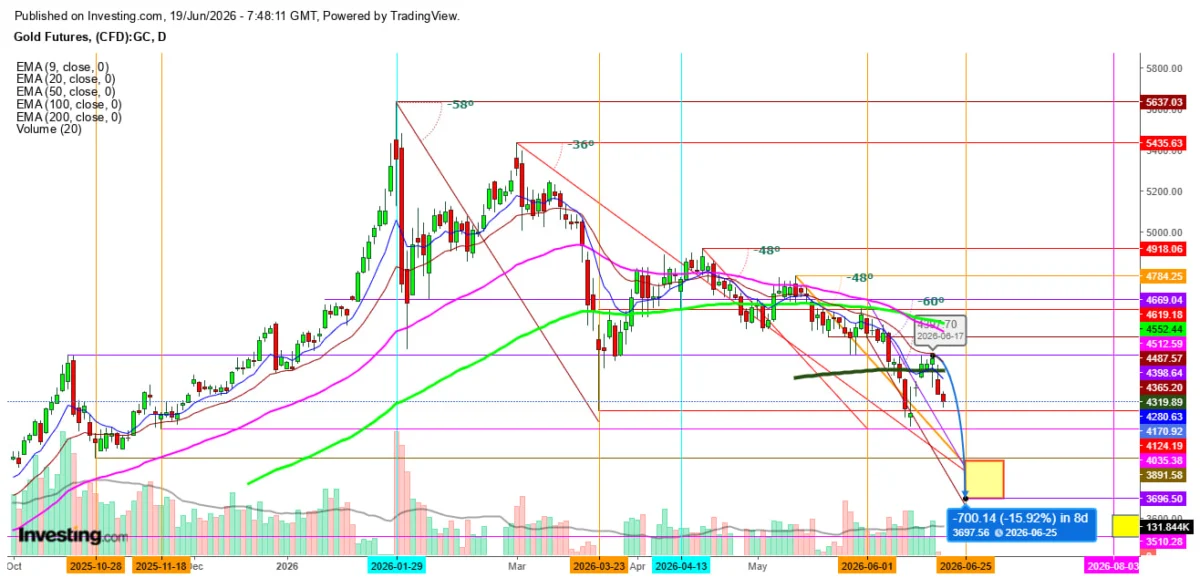
By International Affairs Desk
The ambitious endeavor to formalize a lasting peace between the United States and Iran hit a significant diplomatic roadblock this Friday. On the 112th day of the ongoing conflict, scheduled high-level talks in Switzerland—intended to finalize the implementation details of a landmark memorandum of understanding (MOU)—were abruptly cancelled. The collapse of the summit followed the sudden withdrawal of U.S. Vice President JD Vance, casting a shadow of uncertainty over the durability of the nascent ceasefire.
The Chronology of a Stalled Breakthrough
The cancellation marks a sharp pivot from the optimism that permeated diplomatic circles earlier this week. The talks were slated to take place at the prestigious Bürgenstock mountaintop resort, a venue historically synonymous with high-stakes international mediation.
- Monday: Initial reports confirm that the U.S. and Iran had reached a tentative MOU, designed to de-escalate the 112-day conflict. Markets responded with a sigh of relief, particularly in the energy sector.
- Wednesday: Preparations for the Swiss summit were finalized, with Vice President Vance scheduled to lead the American delegation to meet with Iranian counterparts.
- Thursday: Tensions emerged in the media. Iranian state outlets signaled that Tehran was withholding full commitment to the next phase of talks, demanding more tangible evidence that the United States was effectively honoring the initial stipulations of the peace deal.
- Late Thursday: The White House issued a terse statement confirming that Vice President Vance would not be traveling to Switzerland, effectively scuttling the summit for the time being.
- Friday: Swiss authorities officially confirmed the cancellation of the proceedings at the Bürgenstock resort, citing a lack of presence from the principal U.S. delegation.
Official Responses and Diplomatic Friction
The decision by Vice President Vance to withdraw from the summit has sparked intense speculation regarding the internal stability of the U.S. administration’s foreign policy. Despite the logistical breakdown, Vance has remained staunch in his public defense of the deal.
In a series of remarks that have sent shockwaves through the geopolitical landscape, Vance delivered a blunt rebuke of Israel’s posture toward the agreement. His criticism was notably sharper than any recent statements issued by President Trump, marking a distinct escalation in rhetoric. Vance explicitly distanced the U.S. from Israel’s continued military operations against Hezbollah in Lebanon, framing the Israeli response to the U.S.-Iran deal as obstructive.
This diplomatic friction is compounded by the fact that Israel was not included in the primary negotiations. Jerusalem has consistently maintained a stance of skepticism, if not outright opposition, to the deal, arguing that it fails to account for the regional influence of Iran-backed proxies. For Tehran, Israel’s continued military engagement in Lebanon serves as a primary point of contention, providing them with a pretext to slow-walk the peace process until they perceive a shift in the regional security architecture.
The Political Calculus: A Memoir and a Future Run
The timing of this diplomatic pivot is particularly precarious for Vice President Vance. Only days prior to the cancellation, Vance released a widely discussed memoir that many political analysts view as a foundational document for a potential 2028 presidential campaign.
The political optics are complex. On one hand, securing a peace deal with Iran would be a cornerstone achievement for the current administration. On the other, the appearance of being "strong-armed" by Iranian demands or being out of sync with traditional U.S. regional allies poses a significant risk to his electoral narrative. By taking a confrontational stance against Israel, Vance is signaling a departure from traditional hawkish Republican foreign policy, a move that is likely to alienate certain segments of the party’s base while potentially appealing to an isolationist wing within the electorate.
Market Implications: Volatility and the "Peace Premium"
The fallout from the cancelled Swiss summit has sent shockwaves through global financial markets, which had been pricing in a period of relative stability following the initial peace announcement.
Gold Futures and the Hawkish Fed
The precious metals market has felt the brunt of the uncertainty. In Friday’s Asian trading, gold futures extended losses, tracking toward their third consecutive weekly decline. While a peace agreement typically serves to dampen the "safe-haven" appeal of gold, other macroeconomic factors have taken the driver’s seat. A stronger U.S. dollar, fueled by a increasingly hawkish outlook from the Federal Reserve, has exerted significant downward pressure on the metal.

Investors are currently caught between two opposing forces: the geopolitical relief provided by the U.S.-Iran MOU and the fundamental pressure of rising interest rate expectations. As the peace process wavers, the "peace premium" that investors were beginning to shed is creeping back into the markets.
Oil Markets and the Strait of Hormuz
Perhaps nowhere is the impact of the stalled talks more visible than in the energy markets. After experiencing a steep weekly drop earlier in the week—driven by the hope that the U.S.-Iran deal would ensure the safety of oil shipments through the critical Strait of Hormuz—crude prices turned volatile on Friday.
Both major benchmarks are currently tracking for an 8% weekly decline, trading at levels not seen since the conflict’s inception in early March. Traders remain in a state of high alert; any further degradation of the peace deal, or an escalation of hostilities in the Middle East, is expected to trigger a swift reversal in current oil price trends. The market is essentially waiting for a "durable signal" that the peace deal is not merely a tactical pause but a structural shift in the conflict.
Technical Analysis: The Path Ahead for Gold
From a technical perspective, the charts reflect the deep anxiety of the trading community. On the daily timeframe, gold futures opened at $4,207.47, reaching a high of $4,216.90 before experiencing a sharp pullback to a low of $4,139.20.
At the time of reporting, gold is trading near $4,174, reflecting a decline of approximately 1.79%. The bearish pressure is significant. Market technicians are watching the $4,124.19 support level closely. A failure to hold this level could trigger a rapid acceleration toward $4,035.
Disclaimer: The technical analysis provided herein is based on observable market data and should not be construed as professional financial advice. Readers are strongly encouraged to conduct their own due diligence before taking positions in any asset class, as geopolitical instability significantly increases the volatility of these markets.
Looking Forward: The Durability of the Interim Accord
The core question facing global observers is whether the U.S.-Iran agreement possesses enough structural integrity to survive the current diplomatic cooling-off period. The suspension of the Geneva talks is not merely a procedural delay; it is a signal that the fundamental disagreements—specifically regarding regional security and the role of third-party actors like Israel—remain unresolved.
For the White House, the coming days will be a test of resolve. Can the administration manage the dual pressures of an upcoming election cycle and the demands of a volatile geopolitical partner in Tehran? Conversely, for the Iranian leadership, the challenge is to determine whether the U.S. commitment to the MOU is genuine or merely a temporary strategic pivot.
As the 112th day of the conflict draws to a close, the "peace" that seemed within reach only a week ago now feels increasingly fragile. Whether this is a temporary setback or the beginning of the end for the current diplomatic thaw remains to be seen. What is certain is that the eyes of the world, and the machinery of the global economy, remain firmly fixed on the unfolding drama in the halls of power and the charts of the financial markets.
 Nila Kartika Wati
  Sagoh
Sagoh 