
 By Basiran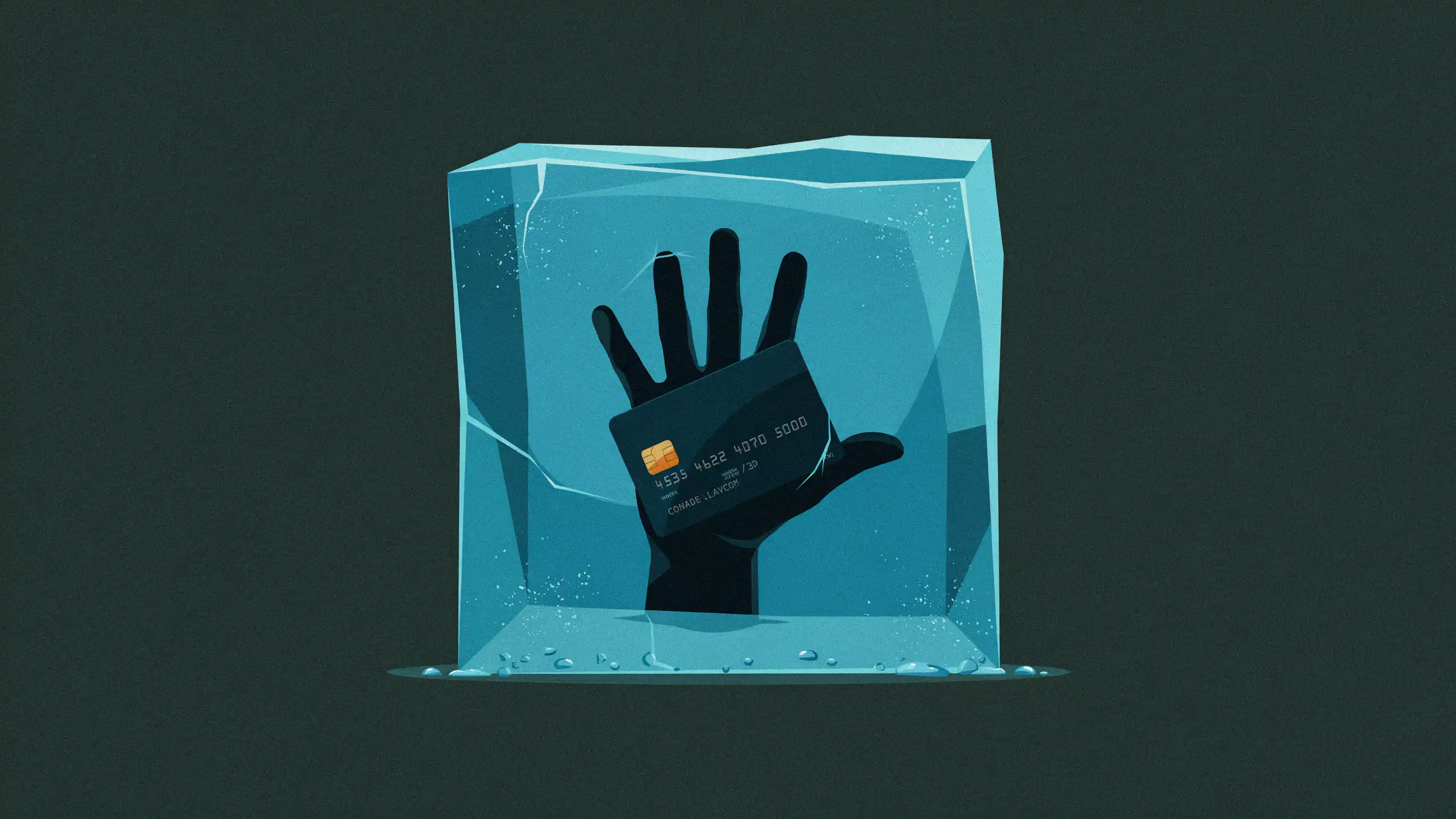
In an era where personal data has become the global economy’s most traded commodity, the traditional concept of "keeping your wallet safe" has become woefully outdated. Today, your identity is not kept in your pocket—it is scattered across servers, cloud storage units, and third-party databases. With massive data breaches occurring with alarming regularity, your Social Security number, address, and credit history are likely already circulating on the dark web.
The most effective, yet underutilized, tool in the consumer’s arsenal is the credit freeze. It is a simple, federally mandated, and entirely free security measure that acts as a digital deadbolt for your financial identity.
Understanding the Credit Freeze: A Fundamental Shift in Security
A credit freeze—formally known as a "security freeze"—is a preventive measure that restricts access to your credit report. Because lenders and creditors rely on these reports to verify your identity and assess your creditworthiness before approving a loan or a new credit card, a freeze creates an impenetrable barrier. If a fraudster attempts to open a line of credit in your name using stolen credentials, the lender will be unable to pull your report, and the application will be summarily rejected.
It is vital to distinguish between a "credit freeze" and "credit monitoring." Credit monitoring is reactive; it functions like an alarm system that alerts you after a thief has successfully opened an account in your name. A credit freeze, by contrast, is proactive; it is a locked door that prevents the theft from occurring in the first place.
Chronology of a Crisis: Why Now?
The necessity of a credit freeze did not arise overnight. It is the cumulative result of decades of escalating digital vulnerability.
- The Paradigm Shift (2017): The Equifax data breach remains the watershed moment for modern identity theft. When the credit reporting agency announced that the personal information of 147 million Americans—including Social Security numbers and birth dates—had been compromised, the reality set in: the infrastructure of our credit system was deeply flawed.
- The Post-Breach Normalization: Following 2017, the frequency of corporate data breaches increased exponentially. From retail giants and hotel chains to medical billing providers and government agencies, the repositories of our private lives have proven to be insecure.
- Legislative Intervention (2018): In response to public outcry, the Economic Growth, Regulatory Relief, and Consumer Protection Act was passed in the United States. This legislation made credit freezes free for all consumers at all three major credit bureaus (Equifax, Experian, and TransUnion), removing the cost barrier that had previously discouraged many from protecting themselves.
How to Establish Your Digital Perimeter
Setting up a freeze is a straightforward process, though it requires a methodical approach. Because credit reporting is decentralized, you must communicate with each of the "Big Three" bureaus individually.
Step-by-Step Implementation
- Create Individual Accounts: Visit the official websites for Equifax, Experian, and TransUnion. You will need to create a unique account for each.
- Verify Your Identity: You will be asked to provide sensitive personal information to prove you are the account holder. This usually includes your Social Security number, current address, and previous addresses.
- Initiate the Freeze: Within each portal, locate the "Security Freeze" or "Credit Freeze" option and toggle it to "On."
- Secure Your Credentials: You will be issued PINs or passwords for each site. Treat these as you would a house key. Store them in a secure password manager.
A Crucial Warning on Upselling: During this process, you will inevitably encounter aggressive marketing prompts from the bureaus encouraging you to sign up for "credit locks" or premium monitoring services. You do not need these to protect your credit. Stick to the standard, federally mandated security freeze. It is free and offers the same level of legal protection as the paid alternatives.
Supporting Data: The Anatomy of Fraud
The threat is not merely theoretical. According to reports from the Federal Trade Commission (FTC), identity theft remains one of the most persistent threats to consumer financial health.
When a thief steals your identity, they aren’t just looking for cash; they are looking for "new account fraud." This involves opening lines of credit, taking out auto loans, or applying for government benefits in your name. Because these accounts are opened without your knowledge, the damage can go undetected for months or even years. By the time the victim realizes their credit score has been decimated by collection agencies, the thief has long since vanished.
A freeze addresses this by breaking the link between the stolen Social Security number and the approval process. Even with your full profile, a criminal cannot bypass a locked credit report.
The "One-Hour" Flexibility Factor
A common misconception is that a credit freeze makes it difficult for you to apply for legitimate credit. This is false. Under federal law, the credit bureaus are required to lift a freeze within one hour of receiving a request via phone or secure online portal.
If you are planning to apply for a mortgage, a car loan, or a new rewards card, you can simply "thaw" your credit for a specific window of time. You can even set a "thaw schedule" where the freeze automatically reinstates itself after a predetermined period. This flexibility ensures that security does not come at the expense of your financial agility.
Implications for Families: Protecting the Vulnerable
While we often focus on our own credit, the most overlooked victims of identity theft are children. A child’s Social Security number is a "blank slate"—it has no credit history, which makes it incredibly attractive to criminals who use it to build a fraudulent profile over many years.
Parents and guardians should proactively request a credit report for their minor children. If a file exists, it is a sign of fraud. You can, and should, place a freeze on a minor’s credit report to ensure their financial future remains untainted until they reach adulthood.
Official Responses and Best Practices
The Consumer Financial Protection Bureau (CFPB) and the FTC have consistently recommended credit freezes as a primary defense against identity theft. Beyond the freeze, financial experts suggest a "layered" approach to security:
- Transaction Alerts: A freeze does not stop a thief from using a credit card you already possess. Keep real-time transaction alerts enabled on all your existing accounts so you can spot unauthorized charges immediately.
- Password Hygiene: Ensure that your online banking portals use multi-factor authentication (MFA).
- Annual Review: Even with a freeze, you should periodically pull your credit reports from AnnualCreditReport.com to ensure there are no discrepancies.
Conclusion: The New Standard of Financial Hygiene
In the current digital climate, maintaining an open credit report is akin to leaving your front door unlocked in a major city. While the inconvenience of a potential robbery is high, the act of locking the door is trivial.
A credit freeze is not a one-time task; it is a permanent adjustment to how you manage your financial life. By taking the fifteen minutes required to initiate a freeze across all three bureaus, you effectively render your most sensitive data useless to the thousands of bad actors operating in the shadows of the internet.
In the game of financial security, the goal is not to be lucky—it is to be secure. By choosing to freeze your credit, you are opting out of the risk pool and taking control of your financial identity. Do not wait for a breach notification to act; secure your accounts today, and enjoy the peace of mind that comes with knowing your credit is locked, protected, and entirely under your command.
 rifanmuazin
  Ali Ikhwan
  Ammar Sabilarrohman