
 By Lina Irawan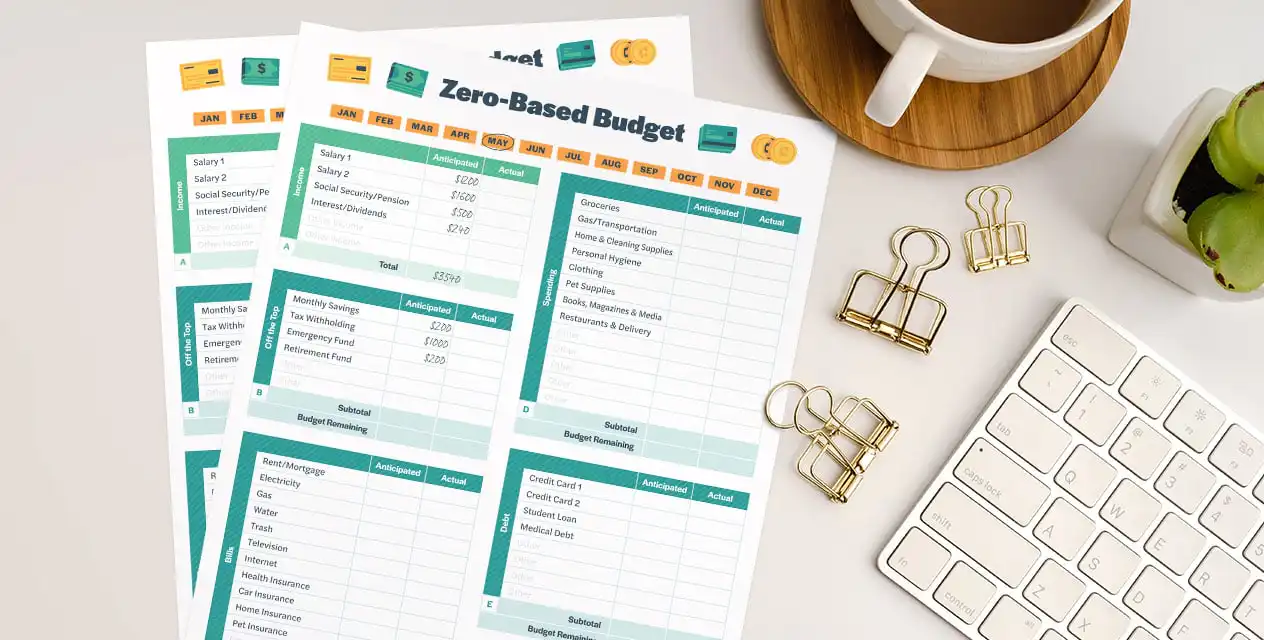
In the landscape of personal finance, few concepts are as transformative—yet fundamentally simple—as zero-based budgeting. While traditional budgeting often resembles a "leaky bucket" strategy, where fixed expenses are paid and the remainder is left to chance, zero-based budgeting (ZBB) demands total accountability for every cent earned.
By requiring that every dollar of income be assigned a specific purpose before the month begins, this methodology eliminates the "float" that typically leads to lifestyle creep and impulsive spending. In this report, we explore the mechanics, the strategic implementation, and the long-term psychological implications of moving to a zero-sum financial model.
The Core Philosophy: Ending the "Loose Pool" of Money
Most conventional budgeting systems suffer from a fatal design flaw: they only account for known obligations. Households plan for rent, utilities, and perhaps a vague savings goal, but they leave a significant portion of their income in a "loose pool"—a gray area of unassigned capital.
Behavioral economists have long noted that money left unallocated is money that will inevitably be spent on consumption. Whether it is an extra streaming subscription, a spontaneous takeout order, or a late-night online purchase, the "unassigned" $200 often disappears within days. Zero-based budgeting closes this loophole by mandating that income minus expenses equals zero. By assigning every dollar a "job," you remove the ambiguity that allows impulse spending to thrive.
Chronology of Implementation: A Step-by-Step Guide
Transitioning to a zero-based budget is not merely an act of accounting; it is a shift in mindset. To successfully adopt this system, practitioners should follow a disciplined chronological process before and during each month.
Phase 1: Pre-Month Preparation
The most critical work happens before the month begins. You must start with a realistic projection of your take-home pay. If your income is variable, use your lowest expected monthly income as your base to avoid over-committing funds you may not actually have.
Phase 2: The Assignment Process
List every expenditure category: housing, utilities, groceries, transportation, insurance, debt servicing, and, crucially, savings and investments. Once these non-negotiables are covered, allocate funds toward your "fun" categories. If you reach the end of your list and you still have money remaining, do not let it sit idle. Assign it to an extra debt payment, a long-term savings goal, or an emergency fund.
Phase 3: Mid-Month Maintenance
A budget is a living document. If you overspend on groceries due to inflation or unexpected price hikes, you must "rebalance" the ledger. Moving $50 from your entertainment budget to cover your grocery bill is not a failure; it is the fundamental mechanism of the system. It forces you to acknowledge that money is a finite resource, and choosing to spend more in one area requires an intentional reduction in another.
Supporting Data: Why "Save What’s Left" Fails
The classic advice to "pay yourself first" is often undermined by the reality of human behavior. Data suggests that when individuals attempt to save "whatever is left" at the end of the month, the amount saved is almost always zero.
Research into financial wellness indicates that individuals who treat savings as a fixed, non-negotiable line item—just like a mortgage payment or an electricity bill—are significantly more likely to build wealth. By funding savings and debt payments on the first day of the month, these critical goals are removed from the "competition" with discretionary spending. When the money is gone from your checking account and moved to a brokerage or savings vehicle, it is no longer available for non-essential purchases.
Official Perspectives and Expert Consensus
Financial advisors and debt counselors have increasingly moved toward zero-based budgeting as a primary tool for those seeking to break the cycle of paycheck-to-paycheck living.
According to various financial planners, the primary benefit of ZBB is not the math, but the conscious choice. When you assign $100 to "Dining Out," you are actively deciding that eating out is worth $100 of your labor. When you don’t assign that money, you aren’t making a choice—you are drifting. Professionals argue that the primary cause of financial stress is not necessarily a lack of income, but a lack of intention. By creating a zero-sum plan, the user shifts from a passive observer of their finances to an active manager of their capital.
Implications of the Zero-Sum Mindset
Adopting a zero-based budget has profound implications for a household’s long-term financial trajectory.
1. Psychological Clarity
The mental bandwidth consumed by financial anxiety is immense. When you don’t know if you can "afford" a purchase, you experience cognitive load. With a zero-based budget, the answer is always in your notebook or app. If the category has a balance, you can afford it. If it doesn’t, you cannot. This removes the emotional weight from everyday spending decisions.
2. Accelerated Debt Reduction
By assigning "leftover" dollars to debt principal rather than letting them dissolve into daily expenses, households can shave years off their repayment schedules. The "snowball effect" of extra payments is magnified when the budget is zero-based, as every unexpected surplus—such as a tax refund or a gift—is immediately directed toward a debt or savings target.
3. The "Miscellaneous" Safety Net
Critics often argue that zero-based budgeting is too rigid for the unpredictable nature of life. However, seasoned practitioners address this by building a "miscellaneous" or "buffer" category into their initial allocation. This acknowledges the reality of life’s surprises while maintaining the structure of the system.
Technology and the Modern Budgeter
While traditionalists may prefer a physical notebook and pencil, the digital age has provided robust tools to automate the zero-based method. Numerous budgeting applications—such as YNAB (You Need A Budget) or similar zero-sum tracking software—are designed specifically around this philosophy.
These tools sync with bank accounts to track spending in real-time, allowing users to categorize transactions against their pre-set limits. For those who struggle with the administrative burden of manual entry, these apps provide the discipline of the zero-sum method with the efficiency of modern automation.
Conclusion: The Power of Intentionality
A dollar without a job will almost certainly find one on its own, and in the modern consumer economy, that job is usually to buy things you don’t need, to satisfy impulses you didn’t plan for, and to keep you tethered to a cycle of perpetual consumption.
Zero-based budgeting is the antidote to this drift. It requires you to look at your income, look at your goals, and bridge the gap between them with intentionality. It does not require a higher salary; it requires a higher standard of management. By ensuring that every single dollar is working toward a goal you have chosen, you cease to be a victim of your financial circumstances and become the architect of your financial future.
Whether you are looking to pay off debt, build an emergency fund, or simply gain a sense of control over your bank account, the zero-based method offers a proven, logical, and highly effective framework. Start before the month begins, stay disciplined as the days unfold, and watch as your "loose pool" of money transforms into a clear, purposeful path toward financial independence.
 rifanmuazin
  Ali Ikhwan
  Basiran