
 By Suro Senen
In the modern digital economy, the adage "buy low, sell high" has evolved from a simple mercantile strategy into a thriving, multi-billion-dollar industry. Whether you are a casual side-hustler looking to declutter your home or an aspiring entrepreneur building a full-scale reselling empire, the principles of product flipping remain the cornerstone of personal profitability. By turning bargain-hunting into a systematic business model, you can transform forgotten goods into a reliable income stream.

The Economics of Reselling: Why It Works
At its core, product flipping is the process of identifying market inefficiencies. When an item is undervalued by its current owner or is sitting in a location where demand is low, the reseller acts as a bridge, moving that product to a marketplace where demand is high.

This business model powers giants like Amazon and Walmart, but it is equally accessible to the individual. Because the barrier to entry is remarkably low, almost anyone can begin flipping without a massive capital investment. However, longevity in this field requires more than just luck; it demands an understanding of consumer demand, logistics, and the "spread"—the profit margin between your acquisition cost and the final sale price.

A Chronology of the Modern Reseller’s Journey
For those entering the space, the path usually follows a predictable trajectory:

- The Purge: Most successful flippers start by selling items they already own. This provides the initial seed capital and teaches the basics of listing, photographing, and shipping.
- The Scavenger Phase: Next, entrepreneurs begin sourcing from garage sales, thrift stores, and "curbside finds." This phase is crucial for developing an "eye" for value.
- The Niche Development: As experience grows, successful resellers move away from "generalist" flipping and toward specific categories (e.g., vintage electronics, athletic gear, or rare collectibles) where they develop subject-matter expertise.
- Scaling and Systems: The final stage involves utilizing professional tools—such as inventory management software, business credit cards for rewards, and automated shipping solutions—to transition from a hobbyist to a professional reseller.
The Most Profitable Items to Flip in the Current Market
1. Bed-in-a-Box Mattress Returns
Thanks to the "100-night sleep trial" industry, companies often find themselves with thousands of returned mattresses. Through "reverse logistics" partners like Sharetown, individuals can become local representatives to facilitate the pickup and resale of these items. Because you often don’t pay for the inventory until it sells, this is a low-risk, high-reward model. Experienced reps can net between $3,000 and $4,000 monthly.

2. Furniture and Home Decor
The "moving and downsizing" market is a goldmine. Solid wood furniture, in particular, has an incredible lifespan. If you are willing to provide "elbow grease"—sanding, staining, or painting—you can drastically increase the value of a piece that others were happy to discard just to save space.

3. Sports and Exercise Equipment
Bulky items like treadmills, home gyms, and Peloton bikes are often sold at a steep discount by owners who simply want them out of their living rooms. Because these items are difficult to transport, local pickup listings on Facebook Marketplace or Craigslist are frequently priced to move.

4. Vintage Electronics and Media
While modern tech depreciates, certain "retro" items have entered the collector’s sphere. VHS and Betamax tapes, particularly iconic films in new condition, can fetch thousands. Similarly, vintage gaming consoles and sealed copies of classic video games are highly sought after by nostalgia-driven collectors.

5. Rare and Retro Apparel
The secondhand apparel market is projected to hit $70 billion by 2027. Beyond standard thrifting, "vintage" clothing—specifically 80s and 90s band t-shirts, sports merchandise, and limited-edition sneakers—carries significant premium value.

6. Niche Collectibles
From Bakelite jewelry and designer eyeglass frames to retired LEGO sets and obscure board games, the key to success here is identifying a dedicated fan base. If you can bundle items into a cohesive collection, you often increase the overall perceived value far beyond the sum of the individual pieces.

Supporting Data: The Power of Targeted Flipping
Data from leading resellers suggests that expertise pays. For instance, those who specialize in domain name flipping report high-margin returns, though these require patience as the inventory may sit for months or years. Conversely, high-volume flippers of consumer electronics like iPhones often target a consistent $100 profit per unit, moving 20 to 30 units per week.

According to industry reports, the resale sector is growing five times faster than the broader retail market. This surge is driven by a combination of economic belt-tightening and an increased cultural focus on sustainability, making this an ideal time to enter the space.

Professional Insights and Official Recommendations
Industry experts, such as Rob and Melissa Stephenson of "Flea Market Flippers," emphasize that the most common mistake beginners make is failing to account for "hidden costs." These include:
- Shipping Fees: Small, lightweight items (jewelry, trading cards, software boxes) often yield better margins than bulky items once shipping is factored in.
- Storage and Logistics: If you do not have the space to store a riding lawnmower or a sofa, stick to smaller, high-value goods.
- Marketplace Fees: Platforms like eBay, Poshmark, and Depop charge varying commission rates. Always calculate your "break-even" point before making a purchase.
Implications for the Aspiring Entrepreneur
The implications of the reselling boom are clear: the barrier to financial independence is lower than it has ever been. However, it requires a shift in mindset. You must stop seeing items as "used goods" and start seeing them as "assets in transition."

Strategic Checklist for Beginners:
- Start with "Free": Before spending a dime, scan your house for items you no longer use.
- Research, Don’t Guess: Use tools like the eBay "Sold Items" filter to see what an item actually sells for, not just what people are asking for it.
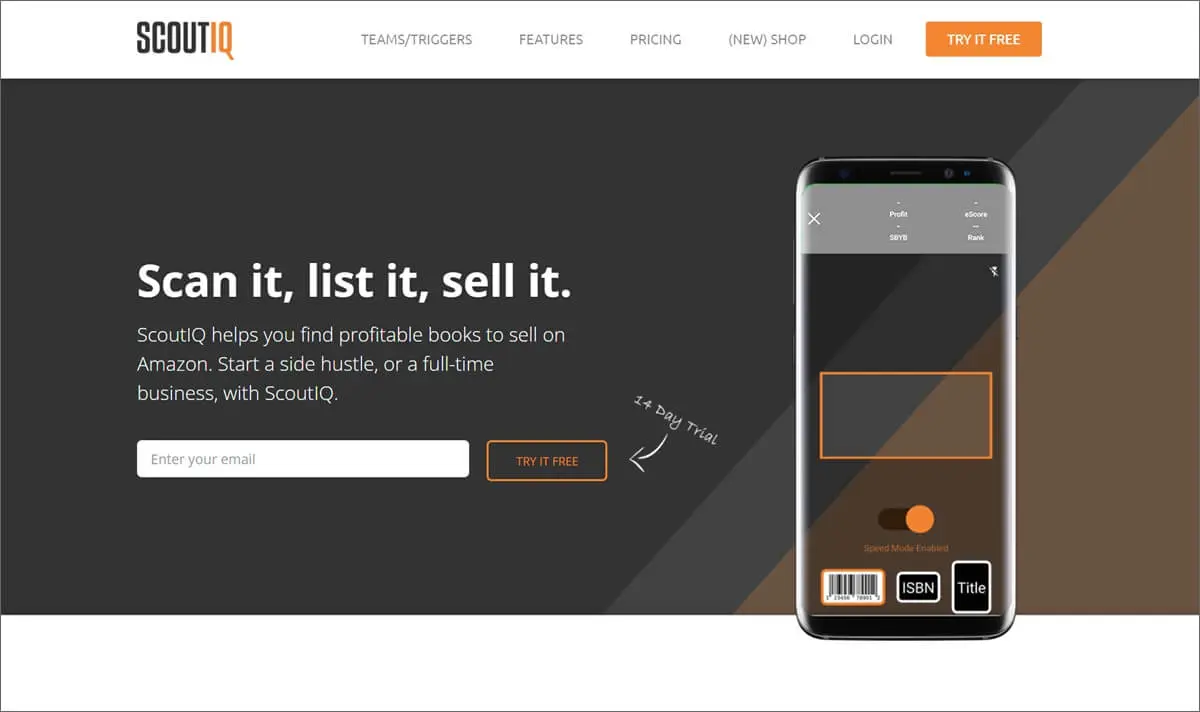
- Leverage Technology: Use apps like ScoutIQ for books or Bookscouter to scan barcodes instantly. This saves hours of manual research.
- Build a Brand: As you find your niche, your reputation as a seller becomes your most valuable asset. Fast shipping, honest descriptions, and excellent packaging lead to repeat customers.
Final Thoughts: Finding Your Niche
The resale market is vast, but it is not monolithic. Trends change, and demand shifts with the seasons. Whether you are selling vintage hotel ashtrays, commercial pizza ovens, or rare trading cards, the key is to align your inventory with your personal interests. When you enjoy the products you sell, you are more likely to put in the time to research them, photograph them properly, and find the right buyer.

Flipping is more than just a way to make extra money; it is a masterclass in business, negotiation, and market psychology. By starting small and scaling thoughtfully, you can build a sustainable, flexible, and highly profitable enterprise that fits into your lifestyle—not the other way around.

Have you successfully flipped an item recently? The best way to learn is to share your experiences, ask questions in community forums, and stay curious about the value hiding in plain sight.
 Lina Hope
  Reynand Wu
  Asep Darmawan