
 By Jia Lissa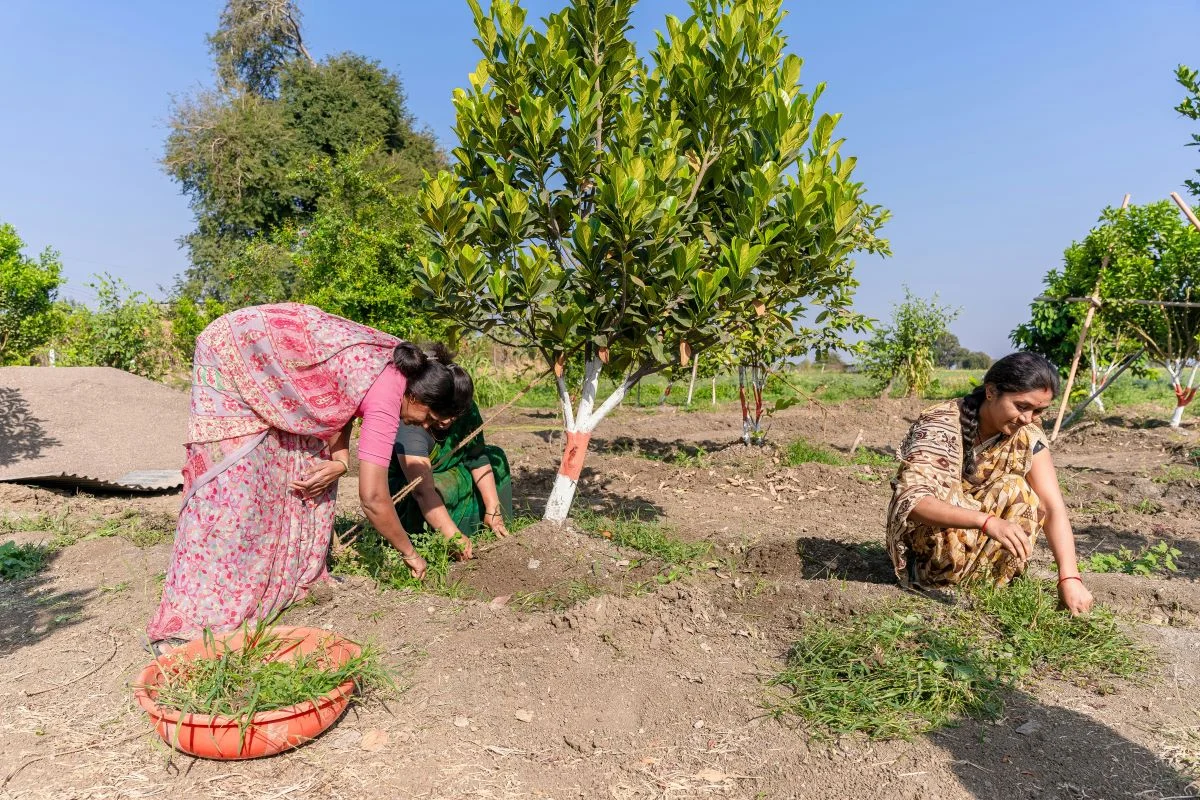
In an era where "net-zero" has become the mandatory lexicon of global enterprise, the gap between ambitious climate pledges and tangible, on-the-ground impact remains a persistent chasm. For many multinational corporations, the challenge is not just the mitigation of carbon emissions, but the stabilization of supply chains that are increasingly vulnerable to climate-induced volatility.
A coalition of industry heavyweights, led by the French food giant Danone, has spent over a decade proving that private capital can be a catalyst for both ecological restoration and rural prosperity. Through the Livelihoods Carbon Fund (LCF), this consortium has pioneered a model of "impact-first" investment that prioritizes community resilience as the primary engine for carbon sequestration.
The Evolution of a Collaborative Vision
The journey began in 2008 with a modest initiative: Danone’s "Fund for Nature." What started as a focused attempt to restore degraded ecosystems evolved rapidly after a landmark mangrove restoration project in Senegal. Recognizing that the scale of the climate crisis required more than a single company’s balance sheet, Danone pivoted in 2011 to launch the Livelihoods Carbon Fund, opening the doors to a diverse group of partners.
The founding cohort of the LCF read like a list of European industrial titans: Schneider Electric, Crédit Agricole, Michelin, Hermès, SAP, Groupe Caisse des Dépôts, La Poste, Firmenich, and Voyageurs du Monde. Together, these entities created a unique investment vehicle designed to bridge the divide between corporate sustainability goals and the socioeconomic realities of rural communities in Africa, Latin America, and Asia.
By 2015, the model had matured significantly. Danone and American food giant Mars partnered to launch the €120 million Livelihoods Fund for Family Farming (L3F). This spin-off sharpened the group’s focus on sustainable agriculture, specifically targeting the restoration of degraded landscapes while simultaneously professionalizing and securing the livelihoods of smallholder farmers who form the backbone of their global supply chains.
The Fourth Wave: Scaling for Systemic Change
The Livelihoods organization recently announced the launch of its fourth fund (LCF4), which has already secured €124 million toward a target of €150 million. This latest vehicle marks a transition from pilot-stage experimentation to systemic, large-scale implementation.
The objectives of LCF4 are ambitious by any metric:
- Human Impact: Improving the lives of 500,000 people across the target regions.
- Carbon Sequestration: Removing up to 10 million tons of CO2 from the atmosphere over a 25-year lifecycle.
- Geographic Breadth: Expanding into new ecological corridors to ensure diverse, high-quality carbon assets that satisfy both climate targets and ESG reporting requirements.
The Philosophy of "People-First" Climate Action
At the heart of the Livelihoods strategy lies a fundamental rejection of "carbon-only" thinking. Eric Soubeiran, a leading voice within the Livelihoods ecosystem, argues that carbon credits should be viewed as a byproduct of success, not the primary objective.
"Success," Soubeiran explains, "means demonstrating that nature-based solutions can deliver multiple outcomes simultaneously: climate mitigation, ecosystem restoration, and rural development."
This philosophy is baked into their operational DNA. Before a single tree is planted or a regenerative farming technique is introduced, Livelihoods embeds local nonprofits, field partners, and regional authorities into the project design. This alignment is critical because it addresses the core incentives of the local participants.
"Farmers do not plant trees for carbon," Soubeiran notes. "They plant them because trees improve livelihoods, resilience, and productivity. Climate benefits follow when projects create value locally."
By framing environmental restoration as an economic incentive—such as mangroves acting as nurseries for local fisheries or agroforestry increasing the yield of cash crops—the LCF ensures that the projects are self-sustaining. When a community sees a clear benefit in the transformation of their landscape, they become active participants rather than passive recipients of NGO aid.
Technological Integration and Transparency
As the Livelihoods Carbon Fund scales, it is embracing a new suite of technological tools to address the perennial challenges of monitoring, reporting, and verification (MRV) in nature-based investments. The organization is significantly ramping up its investment in satellite monitoring and LiDAR (Light Detection and Ranging) remote sensing technologies.
These tools are not merely for bureaucratic compliance; they are essential for iterative project design. By utilizing high-resolution, real-time data, the LCF can observe changes in biomass, soil health, and land-use patterns across vast, remote regions. This transparency provides the consortium of corporate investors with the confidence that their capital is producing the sequestration results required by their net-zero pathways, while also ensuring that the promised social impacts are actually reaching the intended populations.
Implications for Corporate Strategy
The success of the Livelihoods model carries profound implications for the future of corporate climate strategy. For decades, companies have relied heavily on "offsetting"—often through the purchase of low-quality, remote credits that do little to address the systemic risks within their own operations.
The Livelihoods model represents a shift toward "insetting" or direct supply-chain resilience. By investing in the agroforestry projects that produce their own raw materials, companies like Danone, Michelin, and Mars are essentially de-risking their future supply chains. When a region is ecologically stable and its farmers are economically empowered, the supply chain becomes less prone to the shocks of climate change.
Moreover, the LCF serves as a blueprint for "pre-competitive collaboration." By pooling resources, these corporations have lowered the barrier to entry for complex, long-term environmental projects. No single firm could effectively manage the logistics of large-scale reforestation in Senegal or sustainable family farming in Indonesia; however, by sharing the risk, the operational burden, and the expertise, the LCF partners have created an investment ecosystem that is larger than the sum of its parts.
Challenges and Future Outlook
Despite its successes, the path forward for the Livelihoods Carbon Fund is not without hurdles. The nature-based solutions (NbS) market is currently undergoing intense scrutiny regarding the quality and permanence of carbon offsets. As international regulatory bodies like the Science Based Targets initiative (SBTi) refine their guidelines, the pressure on funds like LCF to provide impeccable, scientifically backed data will only increase.
Furthermore, the complexity of working across diverse political and cultural landscapes remains a constant challenge. Scaling a project to 500,000 people requires deep, trust-based relationships that cannot be automated. The organization’s reliance on local field partners—the "boots on the ground"—is its greatest strength, but also its most significant operational constraint.
As LCF4 moves into its implementation phase, the eyes of the investment community will be on whether the fund can maintain its high standards of community engagement while achieving the rapid scaling required to meet global climate targets.
Conclusion: A New Standard for Natural Capital
The Livelihoods Carbon Fund has successfully moved beyond the superficiality of traditional corporate social responsibility. By demonstrating that carbon finance can be a lever for rural transformation, they have provided a viable template for the future of natural capital.
The core lesson of the Livelihoods experience is clear: climate change is fundamentally a human problem, and therefore, its solutions must be rooted in human prosperity. As Eric Soubeiran succinctly puts it, "Carbon helps finance these transitions, but people are the ones who make them happen." In the coming decades, the companies that thrive will be those that realize their net-zero targets are not just about numbers on a ledger, but about the health of the landscapes and communities that sustain them.
 Lina Hope
  Suro Senen