
 By Raul Delapena Setiawan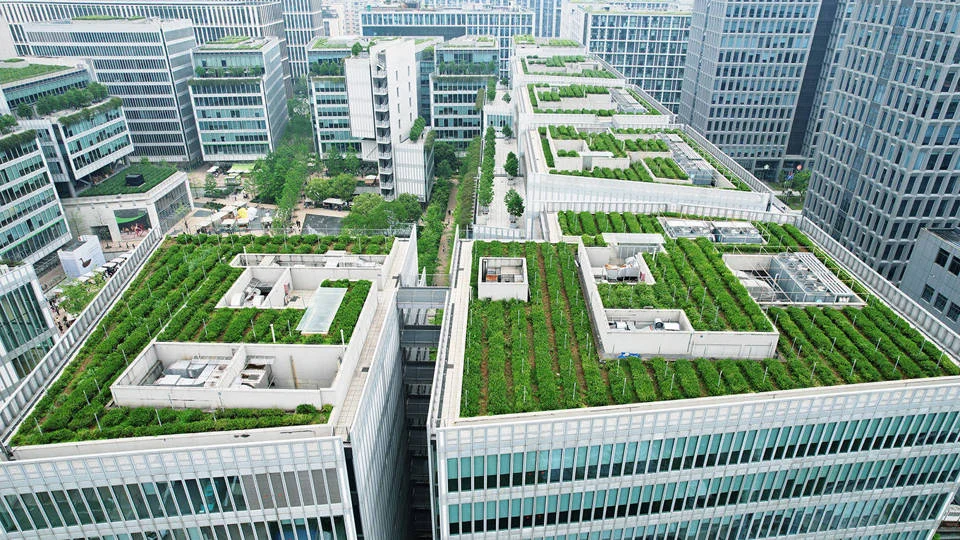
In the global theater of climate diplomacy, national governments often dominate the headlines with high-level pledges, carbon-neutral targets, and complex international treaties. Yet, for the average citizen, the efficacy of these grand gestures is measured not in abstract atmospheric data, but in the immediate quality of their daily environment. From the sweltering heat of urban centers to the reliability of public transport and the cost of heating a home, the real-world impact of climate action is increasingly being shaped at the municipal level.
As the world grapples with the escalating frequency of climate-driven disasters, cities have emerged as the vanguard of both mitigation and adaptation. A new, robust partnership between global urban networks and international financial institutions now seeks to bridge the persistent gap between local ambition and the resources required to scale up these life-saving transformations.
The Intersection of Resilience and Daily Life
For years, the conventional narrative suggested that climate action was a costly trade-off—a burden to be borne for the sake of long-term survival. However, modern mayors are flipping this script, demonstrating that the very actions required to combat climate change are, in fact, the most effective tools for improving urban well-being.
The strategy is twofold: mitigation (reducing greenhouse gas emissions) and adaptation (preparing for a changing environment). These two pillars are intrinsically linked. When a city invests in energy-efficient social housing, it simultaneously slashes carbon emissions and lowers utility bills for low-income families. When a municipality expands its green canopy, it mitigates the “urban heat island” effect—lowering temperatures, purifying air, and providing recreational space.
Furthermore, the transition to renewable energy sources does more than satisfy environmental quotas; it fosters energy independence, insulating local economies from the volatility of international fossil fuel markets. By prioritizing cycling infrastructure and electrified public transit, cities are not only reducing their carbon footprint but are actively tackling public health crises associated with sedentary lifestyles and poor air quality.
Chronology of an Urban Movement
The shift toward city-led climate action did not happen overnight. It is the result of over a decade of coalition building and the gradual realization that local governments possess the agility that national bureaucracies often lack.
- The Early 2010s: Organizing for Impact: The creation of the Global Covenant of Mayors for Climate & Energy (GCoM) marked a pivotal moment. It provided a platform for cities to standardize reporting, share best practices, and hold one another accountable.
- The Mid-2010s: The Rise of C40: Organizations like C40 Cities began to gain significant influence, connecting megacities with the technical expertise needed to transition to low-carbon infrastructure.
- 2019-2021: The Pandemic Pivot: The COVID-19 pandemic served as an unexpected accelerant. Many cities used the period of social distancing to redesign streets for pedestrians, expand green spaces, and emphasize the necessity of "resilient infrastructure" in public health planning.
- 2022-2023: The Finance Gap Realization: As cities grew more ambitious, a bottleneck emerged. While the political will existed, the financial mechanisms for local-level implementation remained underdeveloped.
- 2024: The New Financial Frontier: The launch of intensified collaborations between the GCoM, C40, and the European Bank for Reconstruction and Development (EBRD) signifies a shift toward unlocking massive capital flows specifically for urban projects in underserved regions.
Supporting Data: Why Cities Are the Strategic Pivot Point
The scale of the urban contribution to climate action is vast and growing. Current data highlights why international focus has shifted toward these municipal hubs:
- Global Reach: The GCoM currently encompasses over 14,000 cities and local governments across 150 countries. Collectively, these jurisdictions represent more than one billion people.
- Ambitious Targets: A significant percentage of GCoM member cities have adopted climate goals that exceed the national targets of their respective countries. Many are not only hitting these targets but are doing so ahead of schedule.
- The Efficiency Dividend: In many of the world’s largest cities, greenhouse gas emissions have begun to decouple from population growth. Despite rising urban density, technological upgrades in buildings and transit are driving a downward trend in carbon intensity.
- The "Gap" Problem: Despite this progress, a 2023 assessment of urban climate needs indicated that over 70% of local authorities in the Global South identify "access to capital" as their single greatest barrier to executing climate-resilient infrastructure projects.
Official Responses and Strategic Partnerships
The launch of the new partnership between the GCoM, C40, and the EBRD is a direct response to the "finance gap." By providing technical assistance—helping city staff navigate complex project finance and credit-rating hurdles—the initiative aims to make urban climate projects "bankable."
"National governments are beginning to recognize that we cannot reach global climate targets without the city," says a representative from the GCoM. "But recognition is not enough. We are moving from the era of ‘pledging’ to the era of ‘executing.’ This means technical assistance, helping cities build a pipeline of projects that private investors are actually willing to fund."
The City Climate Finance Gap Fund has already served as a blueprint for this work, assisting over 1,400 cities in transforming vague ambitions into shovel-ready projects. The new collaboration aims to replicate and scale this success, focusing specifically on regions where the disparity between climate vulnerability and financial readiness is at its most acute.
Implications: The Economic Opportunity of Sustainability
The implications of this movement are profound. By framing climate action as an economic opportunity rather than a regulatory burden, cities are successfully attracting private investment and talent.
1. Attracting Innovation and Talent
Cities that lead in green technology and sustainable design are increasingly becoming hubs for the global workforce. Young, climate-conscious professionals are migrating to cities that prioritize walkability, green spaces, and clean energy, creating a virtuous cycle of economic growth and environmental stewardship.
2. Risk Mitigation and Insurance Stability
As insurance premiums for climate-vulnerable properties skyrocket, cities that invest in flood-resilient infrastructure, heat-mitigation, and early warning systems provide long-term stability for residents and businesses alike. This makes them more attractive to institutional investors who are increasingly screening for "climate risk" in their portfolios.
3. The Shift in National-Local Dynamics
For decades, the tension between national and municipal governments often slowed progress. However, the success of the city-led model is forcing national governments to decentralize power and funding. When a city demonstrates that a municipal energy-efficiency program can save the local economy millions while protecting vulnerable elderly populations from heatwaves, it creates a powerful political mandate that national governments find difficult to ignore.
Conclusion: A Blueprint for the Future
The story of the modern city is no longer just about growth and commerce; it is about survival and adaptation. Mayors, who are closest to the people, are in the unique position to see the immediate consequences of inaction—and the tangible, life-changing benefits of decisive intervention.
As this new partnership takes hold, the focus will remain on the regions where the climate crisis hits hardest. By providing the technical and financial scaffolding necessary to build resilient urban environments, these organizations are doing more than just helping cities meet carbon targets. They are building a more equitable, vibrant, and durable future.
Climate action is no longer a peripheral concern of global summits; it has moved to the center of the town square. With the right support, the world’s cities are proving that the transition to a sustainable future is not just a necessity—it is the greatest opportunity of the 21st century to improve the human condition. The path forward is clear: cleaner air, safer streets, and resilient homes. The tools exist; now, it is a matter of scale.
 Asro
Asro  Pevita Pearce
  Ali Ikhwan