
 By Neng Nana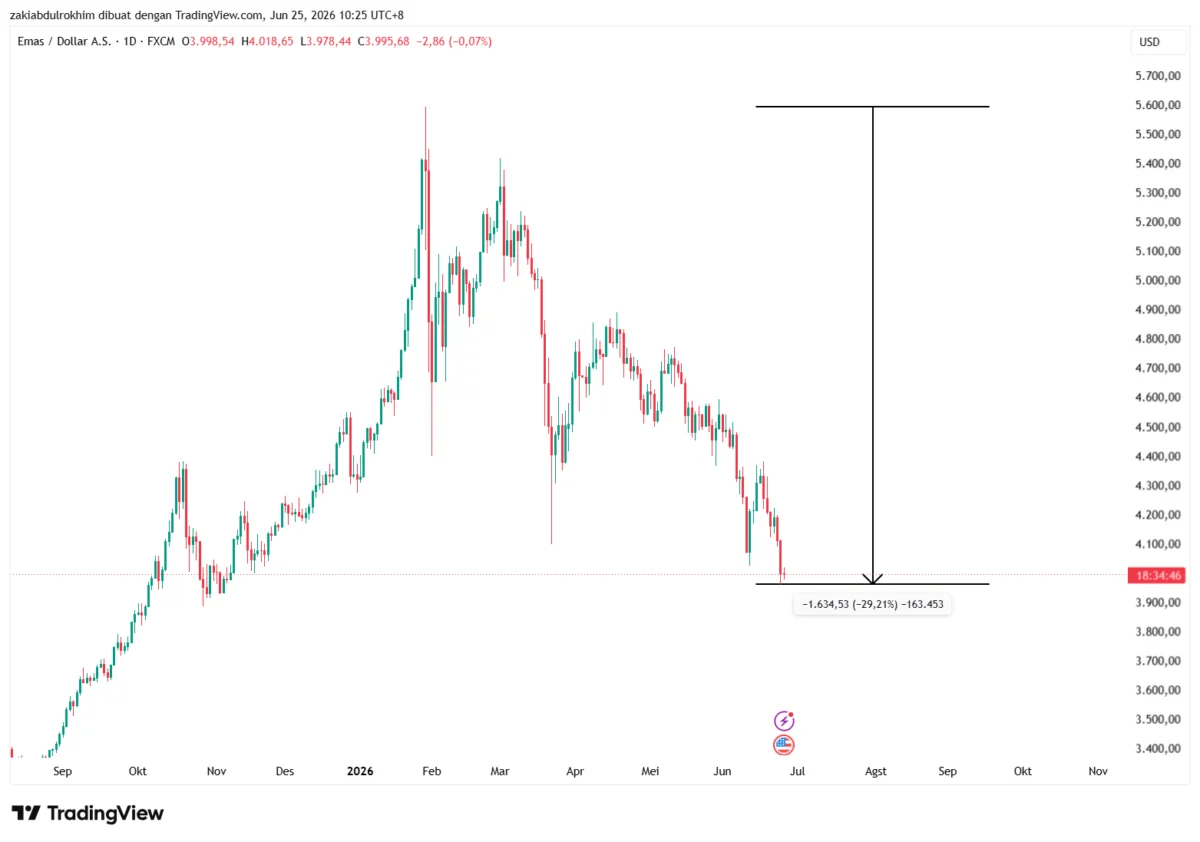
The global financial landscape is currently navigating a complex intersection of geopolitical volatility and economic anticipation. Over the past few weeks, the Middle East has remained a focal point for institutional investors and central banks alike. While the persistence of regional conflict has historically served as a catalyst for market apprehension, recent trends reveal a fascinating disconnect: while the conflict remains unresolved, the "geopolitical risk premium" embedded in global oil prices has begun to unwind.
This shift highlights a fundamental truth of modern finance—markets do not merely react to the news of the day; they trade on the shifting probabilities of future outcomes.
The Mechanics of Market Expectations
Financial markets operate as forward-looking mechanisms, constantly processing new information to adjust the perceived value of assets. In the context of the Middle East, the initial surge in oil prices was driven by the fear of a "worst-case scenario"—specifically, the disruption of critical shipping lanes like the Strait of Hormuz or the targeting of key production infrastructure in the Gulf.
However, as the situation stabilized in the short term, market participants began to recalibrate their risk assessments. This phenomenon is known as the "discounting mechanism." When the probability of an extreme event (such as a full-scale blockade of energy exports) decreases, the premium that traders paid to hedge against that event evaporates, leading to a downward adjustment in prices despite the continuation of hostilities.
Chronology of a Shifting Sentiment
The trajectory of oil prices over the last quarter serves as a masterclass in risk perception:

- Phase I: The Shock (Initial Outbreak): As tensions escalated, the immediate market response was a flight to safety. Investors liquidated riskier assets, moved capital into gold and the US Dollar, and aggressively bid up oil futures, fearing that a supply-side shock was imminent.
- Phase II: The Consolidation (Heightened Vigilance): During this period, the "geopolitical risk premium" reached its apex. Traders demanded higher prices to compensate for the uncertainty surrounding maritime security and the potential for a regional conflict spillover.
- Phase III: The Recalibration (Current Landscape): Following reports from major financial news agencies, including Bloomberg and Reuters, sentiment began to soften. Evidence of sustained production levels and a lack of direct interference in maritime logistics led to a reassessment. The consensus shifted from "imminent supply collapse" to "contained volatility," causing the risk premium to contract.
Defining the Geopolitical Risk Premium
To understand why oil prices fall even when conflict persists, one must define the "geopolitical risk premium." It is the invisible surcharge added to the price of a commodity to account for the possibility of supply chain disruption.
Historically, this premium is triggered by several recurring factors:
- Supply Bottlenecks: Threats to chokepoints like the Strait of Hormuz, where a significant portion of the world’s daily oil output passes.
- Infrastructure Vulnerability: Concerns over direct attacks on refineries, pipelines, or storage facilities.
- Policy Shifts: Unexpected decisions by OPEC+ or other major producers to alter output quotas in response to regional political pressure.
- Sanctions and Embargoes: The fear that conflict could lead to a sudden tightening of sanctions on major oil-exporting nations.
When these risks are perceived as high, the premium expands. Conversely, when diplomatic channels remain open or military containment is achieved, that premium is stripped away, forcing a price correction regardless of the underlying political situation.
Supporting Data and Institutional Observations
Recent data from energy markets suggests that the market is currently prioritizing fundamental supply-demand data over geopolitical headlines. While the headlines remain ominous, the physical market is showing resilience. Inventory levels in key hubs have remained within expected seasonal ranges, and production metrics from major Gulf producers have not shown the volatility that speculators initially feared.
Financial institutions have noted that algorithmic trading models—which now dominate the futures market—are particularly sensitive to this "news-to-reality" gap. Once the news flow stabilized, these models automatically reduced their long positions in energy, contributing to the downward momentum observed in Brent and WTI crude prices.

Implications for Global Financial Markets
The cooling of energy prices sends ripple effects through the broader macroeconomic ecosystem.
The US Dollar (USD) and Monetary Policy
Oil and the US Dollar share a complex, often inverse relationship. As energy prices moderate, the inflationary pressure on the US consumer—and by extension, the global economy—begins to ease. Should this trend continue, it grants the Federal Reserve and other major central banks greater "policy space." If inflation remains contained, the urgency for "higher-for-longer" interest rates diminishes, potentially weakening the Dollar as a safe-haven asset while bolstering global liquidity.
Gold: The Sentiment Barometer
Gold remains the ultimate barometer of systemic fear. As the geopolitical risk premium in oil declines, the demand for gold often follows suit. Investors who bought gold as a hedge against a potential regional war are now unwinding those positions, shifting capital back into equities or higher-yielding debt instruments. However, gold remains sensitive to the aforementioned shifts in US interest rate expectations; if lower oil prices lead to a more dovish Fed, gold may find support from lower real yields.
Global Inflation and the Cost of Doing Business
Energy is the lifeblood of the global supply chain. Lower fuel costs translate directly into reduced expenses for transportation, manufacturing, and logistics. This disinflationary trend provides a cushion for corporate margins, particularly in sectors that have been battered by high overheads over the past two years.
Global Equity Markets: The Sectoral Split
The impact on equity markets is bifurcated:

- Beneficiaries: Sectors such as retail, aviation, and consumer goods stand to gain from reduced input costs and higher consumer discretionary spending power.
- Headwinds: Conversely, the energy sector itself faces a period of uncertainty. While many oil majors are highly profitable at current price points, a sustained decline in energy prices may lead to reduced capital expenditure, impacting service providers and exploration firms.
Strategic Outlook: Beyond the Headlines
The current market environment underscores a critical lesson for investors: geopolitical tension is a constant, but its impact on pricing is variable. The "risk premium" is a psychological component of the market, not a physical one.
As we look toward the future, four pillars will determine the next movement in global markets:
- The Strait of Hormuz: Sustained, unobstructed shipping traffic remains the primary anchor for market stability.
- OPEC+ Compliance: The adherence of major producers to current output agreements will dictate the floor for oil prices.
- Macroeconomic Indicators: Central bank interest rate decisions will remain the primary driver for the US Dollar and gold.
- Supply Chain Resiliency: The ability of global logistics networks to adapt to regional friction will continue to lower the perceived risk of future supply shocks.
In conclusion, while the Middle East remains a volatile region, the financial markets have demonstrated a sophisticated ability to decouple "geopolitical tension" from "supply chain reality." By understanding the nature of the geopolitical risk premium, investors can better distinguish between temporary market noise and genuine structural changes in the global economy. As expectations evolve, so too will the capital flows, rewarding those who focus on the data behind the headlines.
 Lina Irawan
  Nana
Nana  Laily UPN