
 By Evan Lee Salim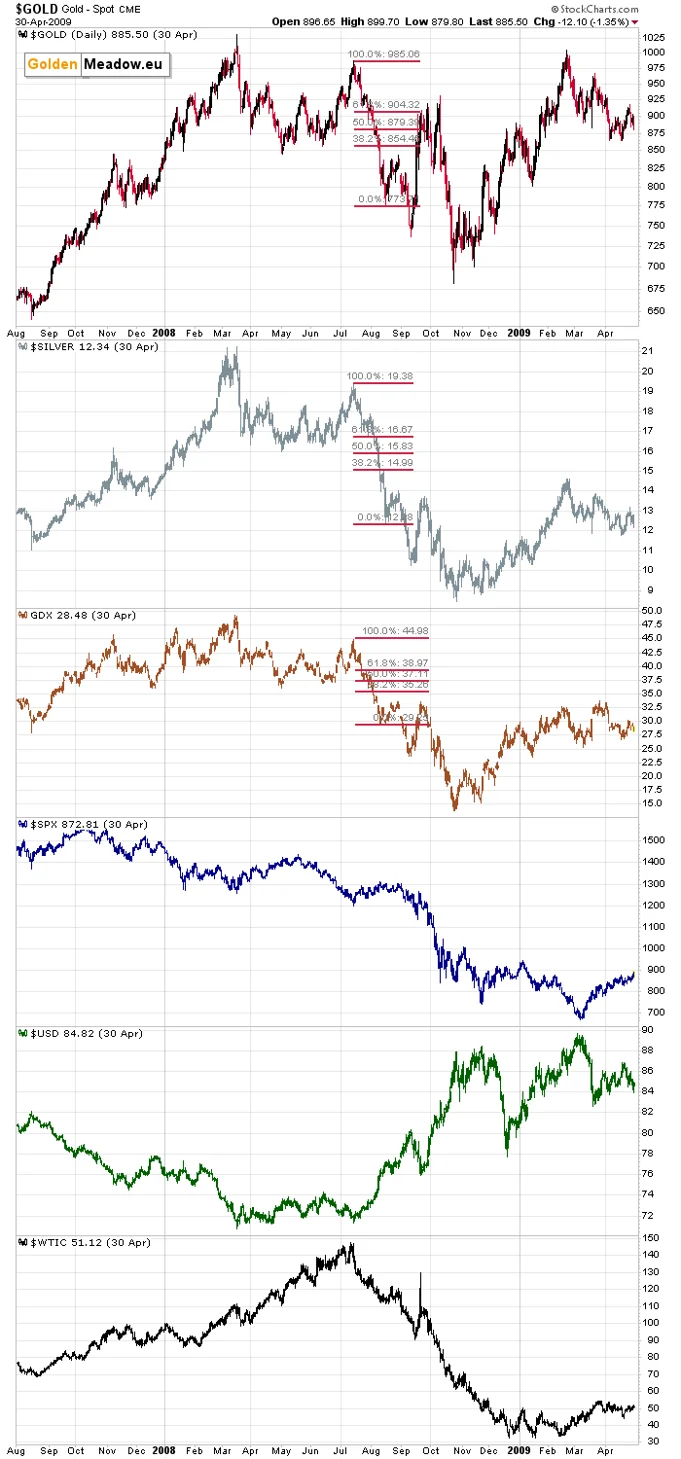
The precious metals sector finds itself at a precarious technical juncture. After breaking to new lows earlier this week, gold and silver have entered a state of listless consolidation, hovering just above key psychological thresholds—with gold holding narrowly above the $4,000 mark and silver struggling to regain its footing after dipping below $60.
For many market observers, the recent stability might appear to be a potential floor. However, a deeper analysis of current macroeconomic drivers suggests that this is not a trend reversal, but rather a temporary pause in a broader, more bearish narrative. While the stock market has attempted to find its footing following an AI-driven scare, precious metals have failed to capitalize on this relief, signaling that the primary forces dictating their trajectory remain the U.S. Dollar and the prevailing interest rate environment.
The Chronology of a Failed Rebound
The early part of this week was characterized by widespread volatility, largely sparked by a sell-off in the technology sector that rippled into commodities. Investors were watching two critical catalysts that promised to test the resilience of the metals market: the earnings report from semiconductor giant Micron and the latest batch of U.S. inflation data.

The AI Tech Pivot
Micron’s post-close earnings report acted as the first major test. The company delivered a significant beat on expectations and provided raised guidance, which effectively quelled the panic surrounding AI-related tech stocks. As the "chip scare" subsided, broader equity indices, including the S&P 500, turned green.
Under normal market conditions, a stabilizing stock market might offer a tailwind for commodities. Yet, in this instance, gold and silver remained pinned at their lows. This decoupling is telling; it suggests that the downward pressure on metals is not a byproduct of equity market volatility, but rather a structural reaction to the strength of the U.S. Dollar. Even with the removal of stock market fear, the fundamental hurdle of a robust greenback remains firmly in place.
The Inflation Data Wall
The second test came in the form of the Federal Reserve’s preferred inflation gauge. Market participants had hoped for a soft, downside surprise—a reading that might weaken the case for higher interest rates and, by extension, cause the dollar to retreat.

The data provided no such escape. Annual inflation rose to 3.4%, exceeding the prior reading of 3.3% and confirming that inflationary pressures remain "sticky." When combined with a robust first-quarter GDP growth revision of 2.1% (surpassing the 1.6% forecast) and lower-than-expected jobless claims of 215,000, the data painted a picture of a resilient economy with a tight labor market. These figures effectively closed the door on any dovish pivot from the Federal Reserve, leaving the metals market without a fundamental catalyst to spark a rally.
Supporting Data: The Macroeconomic Headwinds
The current state of the precious metals market is a direct reflection of the "higher-for-longer" interest rate environment. With the U.S. economy showing unexpected vigor, the market has priced in nearly 90% odds of further rate adjustments by year-end.
The Dollar’s Dominance
The U.S. Dollar Index (DXY) has been taking a slight breather, but crucially, it is not declining. It is consolidating, preparing for potential moves toward its next resistance levels at 102 and 102.87. Given the inverse relationship between the dollar and precious metals, any move by the DXY toward 102.87 is likely to exert profound downward pressure on gold and silver.

The Over-extension of the AI Trade
While the immediate panic surrounding AI has eased, the structural concerns remain. Micron’s report highlighted a massive increase in capital expenditure, with the company signaling further spending hikes for next year. This trend of memory chip manufacturers pouring capital into the boom suggests that spending is running far ahead of realized returns. This creates an imbalance that, when eventually corrected, will likely impact the metals market through the liquidity channel. As investors rebalance portfolios to account for potential tech corrections, the capital outflows will likely further suppress non-yielding assets like gold.
The Waning War Premium
Geopolitical tensions, which often provide a floor for gold prices, have also receded. With oil prices trending downward over three consecutive sessions, the "war premium" previously factored into commodity prices is evaporating. While risks in regions like Lebanon persist, they have clearly taken a backseat to the dollar and rate-path narratives in the current market tape.
Technical Analysis: A Look at the Charts
Technically, the recent movement in gold suggests little more than a minor verification of the breakdown below the early June lows. While a small rebound is currently in play, the broader trend remains decidedly bearish.

Historical analogies provide a sobering perspective. In both the 2008 and 2013 market corrections, gold demonstrated a tendency to lead the recovery in relative terms compared to silver and mining stocks. However, this historical strength does not guarantee a bottom. In 2013, for instance, gold corrected roughly 50% of its decline, while silver and mining indices failed to even reach the 38.2% Fibonacci retracement level.
For the advanced trader, this suggests that if a rebound were to occur, gold would likely be the primary beneficiary. However, the lack of fundamental support makes any such move speculative. Investors must ask: Will gold continue to magnify the moves of the USD? Will mining stocks demonstrate sustainable strength? At present, there are no definitive answers to these questions, necessitating a cautious approach until the next bottom is established.
Implications for the Future: The Path to $3,500
The overarching outlook for the metals market remains grim as long as the U.S. Dollar remains in its current bullish trajectory. Given that the dollar has significant room to run, the bearish pressure on precious metals is likely to intensify.

If the U.S. Dollar Index successfully tests and holds above the 102.87 level, it is highly probable that gold will descend below the $3,500 threshold. The current price point of roughly $4,000, while the dollar is still in the early stages of its rally, suggests that the downside risk remains significant.
Strategic Considerations
For investors and traders, the current environment demands a distinction between short-term noise and long-term trends.
- The Liquidity Channel: Watch for signs of liquidity tightening as tech-sector over-extensions begin to unwind.
- Rate Expectations: Monitor the short end of the Treasury curve. Its current hawkish positioning is the primary anchor holding down the price of gold.
- The "Best Hope" Test: The market’s failure to rally on the strongest possible bullish catalysts this week serves as a warning. A market that refuses to rise on positive news is a market that has effectively exhausted its upward momentum.
In summary, the metals market is currently a "sell the rallies" environment. Without a significant shift in the Federal Reserve’s policy stance or a substantial, sustained breakdown in the U.S. Dollar, the path of least resistance remains to the downside. The recent pause is not a sign of recovery; it is the eye of the storm before the next leg of the decline. Investors should prepare for continued volatility and be ready for the prospect of gold testing significantly lower support levels in the coming months.
 Nana
Nana  rifanmuazin
  Lina Hope