
 By Azzam Bilal Chamdy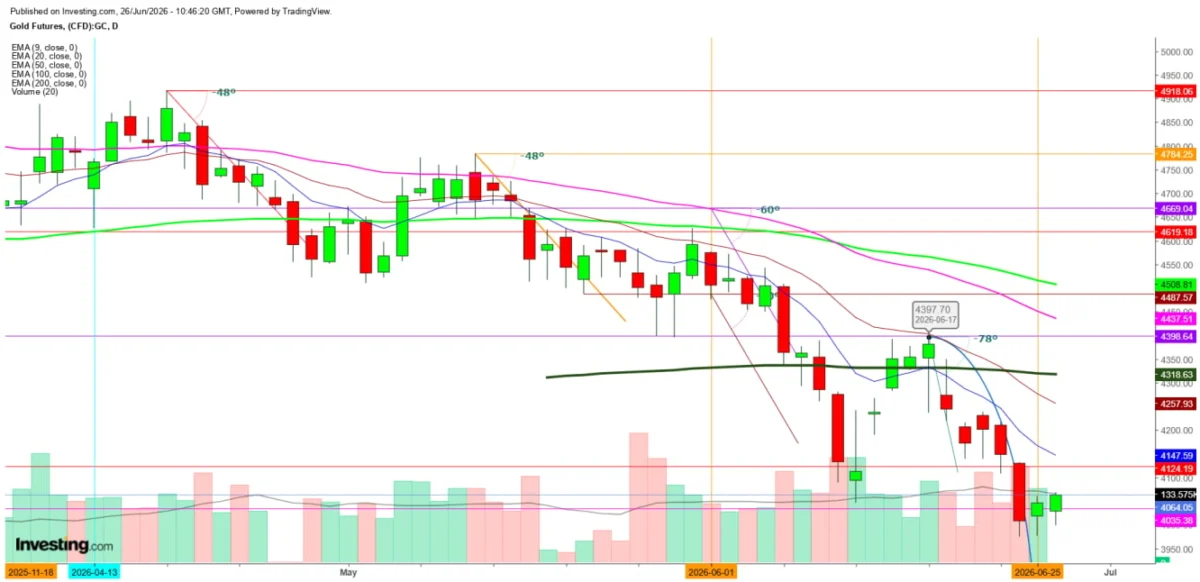
Executive Summary: A Region in Flux
As of June 26, the ongoing conflict between the United States and Iran has reached its 119th day, casting a long, destabilizing shadow over the Middle East. What began on February 28 has evolved into a multi-theater crisis that shows little sign of immediate resolution. While diplomatic channels are actively pursuing an interim Memorandum of Understanding (MoU) to de-escalate tensions, the ground reality remains fraught with military friction. In southern Lebanon, Israeli forces continue a robust campaign, with Prime Minister Benjamin Netanyahu explicitly rejecting calls for withdrawal from currently occupied territories—which now account for approximately one-fifth of the nation.
The fragility of the current peace process was underscored this week when the International Maritime Organization (IMO) was forced to suspend ship escort operations through the critical Strait of Hormuz. The pause follows a reported attack on a cargo vessel near Oman, an incident that has re-ignited global anxieties regarding the viability of any preliminary peace framework between Washington and Tehran.
Chronology of the Crisis: From Escalation to Stagnation
The Genesis of Hostilities
The conflict traces its origins to February 28, following a series of escalatory moves that eventually drew the United States into a direct military confrontation with Iran. The campaign, championed by the Trump administration, has faced significant legislative resistance in Washington.
Legislative Pushback in the U.S.
The domestic political climate in the United States reflects deep-seated skepticism toward the administration’s military strategy. On June 3, the House of Representatives passed a war powers resolution by a narrow margin of 215-208. This momentum continued into the Senate, which on Tuesday voted 50-48 to invoke the War Powers Resolution.
The resolution is a constitutional effort to compel President Trump to cease military hostilities against Iran unless explicit congressional authorization is secured. Proponents argue that the Constitution vests the power to declare war solely in Congress, effectively prohibiting "presidential wars." Despite the administration’s argument that such legislative moves weaken its negotiating position in upcoming talks in Switzerland, the Senate vote represents a rare and significant rebuke of executive war-making powers.
The Lebanon Theater
Parallel to the Iran-US standoff, the Israeli-Lebanese front has intensified. Prime Minister Netanyahu has maintained a hardline stance, declaring that the Israeli military will not vacate occupied positions in southern Lebanon. This ongoing occupation remains a flashpoint that complicates the regional security architecture and adds pressure on international mediators attempting to broker a comprehensive settlement.
Supporting Data: Economic Ripples and Market Volatility
Inflationary Pressures and the Federal Reserve
The geopolitical turmoil has exacerbated an already complex economic environment. The U.S. dollar, acting as a safe-haven asset, has maintained a 13-month high, bolstered by market expectations that the Federal Reserve will adopt a more hawkish monetary policy.
Recent data released on Thursday indicates that the U.S. Personal Consumption Expenditures (PCE) price index—the Fed’s preferred inflation metric—rose 4.1% in May year-over-year. This marks the highest reading in over three years and the first time the index has breached the 4% threshold since 2023. Consequently, the CME Fed Watch tool now indicates a 63% probability of a rate hike by September.
The Gold Market in Turmoil
The intersection of high interest rates and geopolitical risk has created a volatile environment for gold. As a non-yielding asset, gold typically suffers when interest rates climb. Furthermore, the strengthening dollar has made bullion increasingly expensive for holders of foreign currencies.

On Wednesday, gold prices dipped below the psychological threshold of $4,000 per ounce for the first time since November 2025. While Friday saw a modest attempt to defend support levels at $4,035.38, the overall market sentiment remains bearish. Exchange-traded funds (ETFs) backed by bullion have seen net outflows of 16 metric tons in May, with analysts at Standard Chartered noting that over 200 tons of gold held in ETFs are currently in a loss-making position. While central bank purchases provide a floor for the price, the immediate outlook remains heavily influenced by the interplay between central bank hawkishness and the persistent uncertainty in the Middle East.
Official Responses and Diplomatic Maneuvers
The IAEA and the MoU
Central to the diplomatic effort is the Memorandum of Understanding (MoU) currently under negotiation. IAEA Chief Rafael Grossi confirmed that the agreement intends to grant international inspectors access to Iranian nuclear sites. However, Tehran continues to signal that key facilities will remain restricted until a final, comprehensive deal is signed and economic sanctions are lifted. This "trust-but-verify" impasse remains the primary obstacle to a lasting peace.
Presidential Stance
President Trump has remained defiant regarding the limitations of his executive authority. During an appearance on The Axios Show, the President dismissed the notion that he had learned any "lessons" regarding the limits of his powers, bluntly stating, "There are no limits." This rhetoric places him on a collision course with a Congress increasingly wary of prolonged military entanglement.
Humanitarian Concerns
The conflict has drawn international condemnation regarding humanitarian standards. The Council on American-Islamic Relations (CAIR) has officially urged the U.S. and the international community to impose sanctions on Israel. This call to action follows a damning UN inquiry that concluded Israeli forces have been deliberately targeting and killing Palestinian children in Gaza and the West Bank. These reports have added a layer of moral urgency to the calls for a de-escalation in the region.
Implications: The Long Road Ahead
Geopolitical Stability
The suspension of maritime escorts in the Strait of Hormuz is a worrying indicator of the conflict’s reach. If the shipping lanes remain insecure, global energy prices will likely face renewed upward pressure, fueling the very inflation that the Federal Reserve is currently struggling to contain. The "Iran War," therefore, is no longer just a military engagement; it is a systemic threat to global supply chains and economic stability.
The Limits of Executive Power
The legislative battle in the U.S. Senate highlights a fundamental tension in American governance. While legal experts note that the current War Powers Resolution is largely symbolic and lacks the force of law to immediately end the conflict, its passage is a signal of waning political support for the administration’s foreign policy. Should the conflict drag on, the administration may find it increasingly difficult to navigate the diplomatic complexities of the Swiss negotiations without a unified front at home.
Economic Forecast
For investors, the immediate future is defined by a "wait-and-see" approach. The combination of high interest rates and the "war premium" on commodities creates a contradictory market. While energy prices are driven upward by the conflict, the cooling effect of high interest rates on bullion suggests that investors are pivoting toward higher-yield assets. The technical indicators for gold, currently testing critical support levels, suggest that unless there is a major geopolitical breakthrough or a shift in the Fed’s stance, the path of least resistance for precious metals remains to the downside.
Conclusion
As the 119th day of conflict concludes, the region finds itself caught between the promise of an interim peace accord and the reality of entrenched military positions. The path toward stability requires not only the successful implementation of the IAEA inspections but also a profound shift in the political calculus in both Washington and the Middle East. Until such a shift occurs, the global community must prepare for a period of sustained volatility, characterized by the uneasy coexistence of diplomatic hope and military escalation.
Disclaimer: The analysis provided in this report is for informational purposes only and does not constitute financial or legal advice. Readers are advised that market positions, particularly in commodities like gold, carry significant risks and should be evaluated based on individual financial circumstances and professional consultation.
 Muslim
  Nana
Nana  Evan Lee Salim