
 By Reynand Wu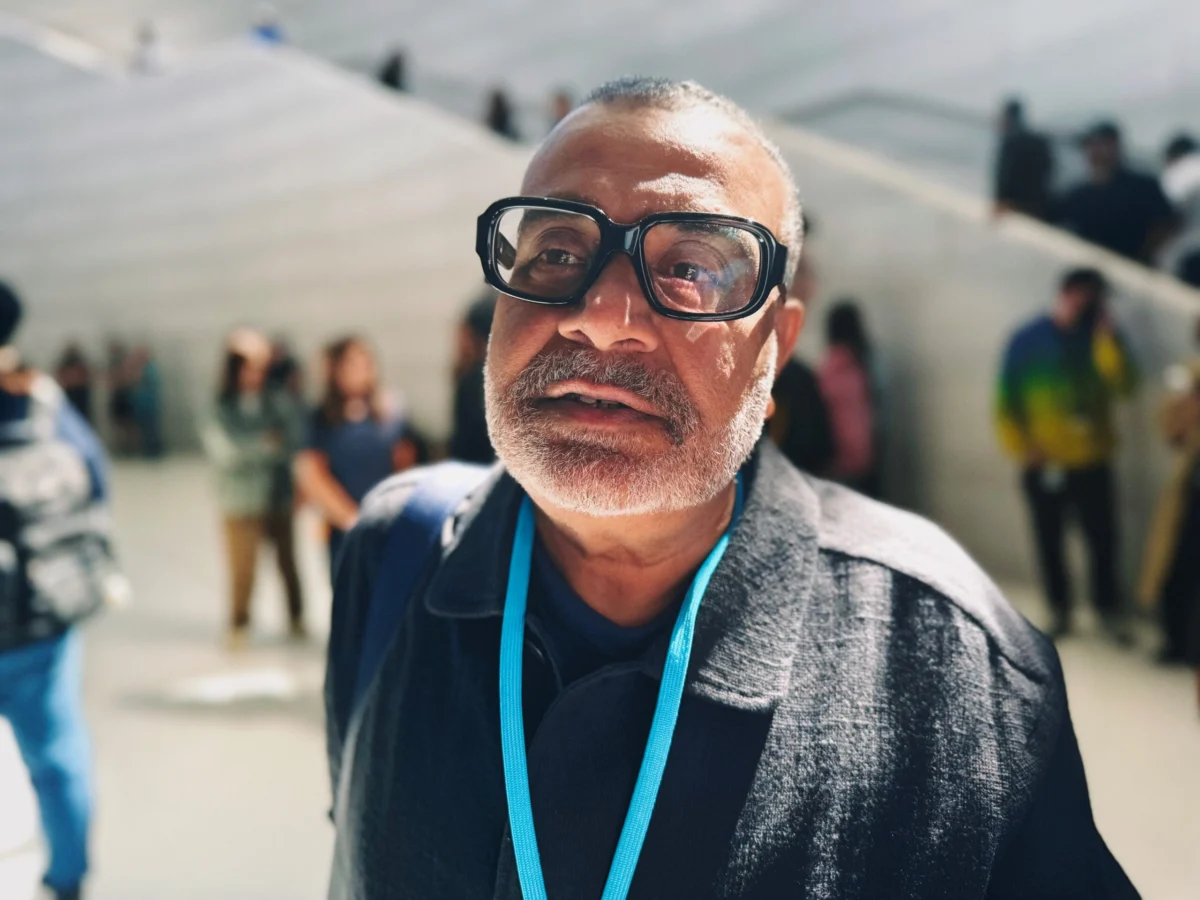
Introduction: A Voice Stilled
On June 24, 2026, the technology world lost one of its most distinct and influential voices. Om Malik, the venerated journalist, venture capitalist, and foundational figure of the new-media era, passed away following a prolonged and courageous battle with heart disease. He was 59.
Known for his incisive analysis, his unwavering commitment to quality, and a personal warmth that transcended his professional standing, Malik leaves behind a legacy that effectively defined how we interpret the intersection of silicon and society. His passing, confirmed by close friends and former colleagues, has triggered an outpouring of tributes from across the global technology industry, highlighting a man who was as beloved as he was feared for his razor-sharp critiques.
A Chronology of a Career Built on Curiosity
Malik’s journey into the American consciousness was not a traditional path. Born in India, he arrived in the United States in 1993, facing the typical hurdles of an immigrant seeking to establish a footing in a foreign media landscape.
From the Bronx to the Boardroom
His early days in New York were defined by a grit that would later inform his professional philosophy. While attempting to break into journalism, he supported himself by working in a luggage shop across from the old Yankee Stadium. It was there, amidst the cacophony of the Bronx and the daily grind of retail, that he found an unlikely surrogate home in the New York Yankees.

By the early 2000s, Malik had transitioned into technology journalism, writing for high-profile publications such as Forbes, Business 2.0, and Red Herring. However, it was the dawn of the blogging era that saw Malik truly come into his own. He became a "wunderkind" of the medium, launching GigaOm and turning it into a cornerstone of tech reporting.
His output during this period was legendary—multiple breaking-news posts per day, all while maintaining a rigorous schedule as a professional reporter. This was the era of the 24-hour news cycle, an addiction he would later describe as both exhilarating and depleting.
The Great Transition
The year 2008 served as a pivotal moment for Malik. Following a heart attack at age 42, he began a period of deep introspection. As he noted in his own writings, he realized that living in a constant state of reactive urgency came at a profound personal cost.
In 2014, he made a move that surprised many in the industry: he stepped down from his day-to-day role at GigaOm to join True Ventures as a partner. It was a conscious pivot from the "on-top-of-things" mentality of a daily reporter to the "bottom-of-things" focus of a thoughtful essayist. He replaced the frantic pace of the headline chase with a focus on depth, nuance, and the "why" behind technological shifts.
Supporting Data: An Unmatched Reputation
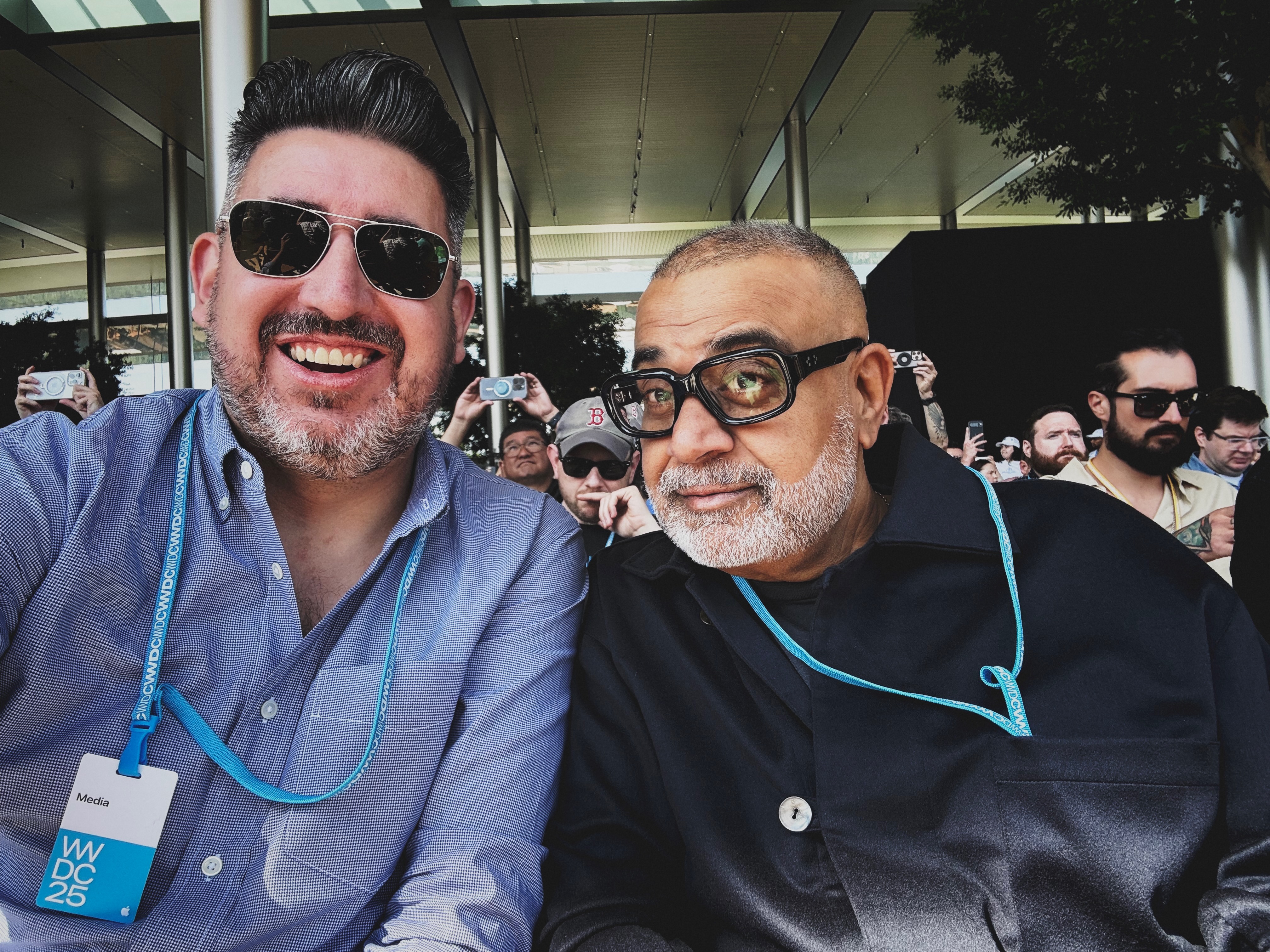
Despite his move into venture capital, Malik’s status as a top-tier industry observer remained unchallenged. He continued to be a fixture at Apple events and key industry briefings for over a decade after leaving full-time journalism.
The "Om" Factor
Why did a venture capitalist retain such prominence in the media hierarchy? The answer lies in his reputation. Malik was never just a reporter; he was a mentor and a connector. He possessed an uncanny ability to identify the core narrative within a mountain of corporate jargon.
Friends and colleagues describe a man who:
- Saw through the noise: Whether in a post-keynote briefing or a private conversation, he was known for identifying the holes in any argument, regardless of the size or power of the company presenting it.
- Cultivated a community: Many of the prominent figures in today’s tech journalism scene credit their careers to his mentorship. He had a gift for recognizing potential and a habit of praising others’ work with genuine, unvarnished enthusiasm.
- Maintained Serenity: Despite the volatility of the tech sector, Malik maintained a calm, contemplative presence. His photography—a passion he pursued with the same rigor as his writing—reflected this same serenity.
Official Responses and Personal Tributes
The industry response has been profound. John Gruber, writing for Daring Fireball, captured the sentiment of many who knew Malik personally. "Om seemed serene, period," Gruber wrote, noting that Malik’s presence in a room invariably lifted the mood of those around him, even the most cynical of tech journalists.
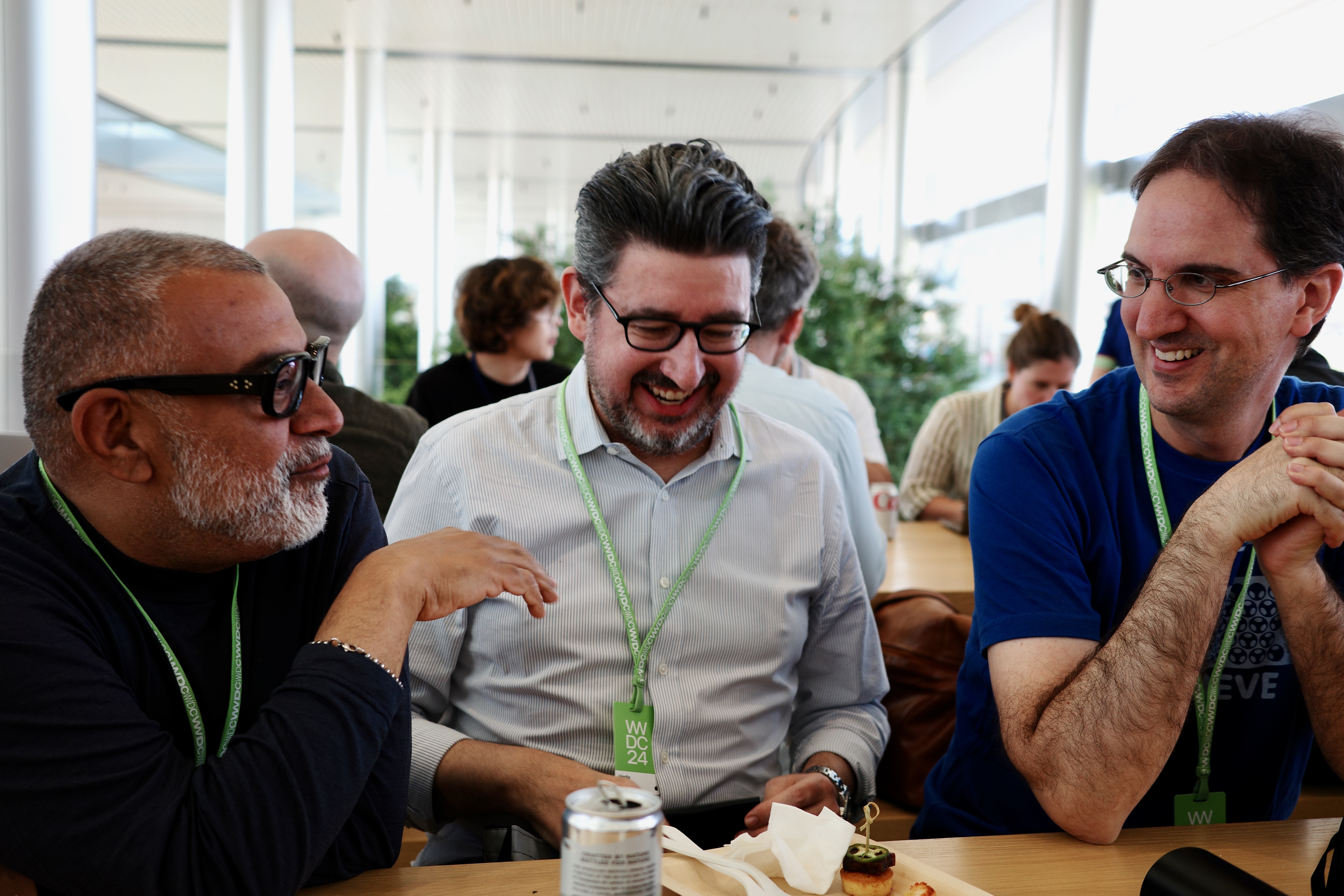
"He didn’t have an insincere bone in his body," Gruber added, highlighting the rare dichotomy of a man who was both "intensely lovable as a friend" and "fiercely acerbic and accurate as a critic."
The irony of his passing has not been lost on those closest to him. A man who possessed a massive, figurative heart—characterized by his generosity and capacity for friendship—succumbed to a failing physical one. Even in his final weeks, while residing in the ICU at Stanford since mid-April, Malik continued to produce some of the most insightful writing of his career. He did not seek to publicize his struggle, opting instead for a privacy that remained entirely consistent with his character.
Implications for the Industry
Malik’s death marks the end of an era in technology journalism. He represented the bridge between the old-school print media era and the decentralized, creator-led future that we now inhabit.
The Future of Commentary
Malik was a staunch advocate for independent creators. In his view, legacy media was a "bloated, slow-moving mess" that needed individual talent more than the talent needed them. His career proved that one could build a reputation based on intellectual honesty and personal brand rather than the weight of a corporate masthead.
As the tech industry grapples with the rise of AI-generated content and the erosion of traditional editorial standards, the loss of Malik’s voice is particularly poignant. He was a master of the "long-form" perspective, capable of explaining the societal implications of a new device or software platform in a way that resonated with both experts and the general public.
A Legacy of Excellence
In his final months, Malik remained focused on the pursuit of excellence—a trait he shared with his beloved Yankees. He believed in doing things "the right way." Whether it was his commitment to high-quality coffee, his appreciation for fine craftsmanship in watches and pens, or his meticulous approach to his writing, Malik’s life was an exercise in intentionality.
He taught us that our careers—and our lives—are like the suitcases he once sold in the Bronx: they do not sell themselves. You have to put in the work, you have to fight for your place, and you have to do it with a sense of purpose.
As we look toward the future of tech reporting, the void left by Om Malik will be difficult to fill. He was a man who, as Dylan wrote, was never "busy dying" because he was always "busy being born"—constantly reinventing himself, evolving his perspective, and challenging us to think deeper. His legacy is not just the thousands of articles he wrote or the companies he advised; it is the standard of humanity he brought to a business that often forgets its own.
 Ali Ikhwan
  Sagoh
Sagoh  Nila Kartika Wati