
 By Ali Ikhwan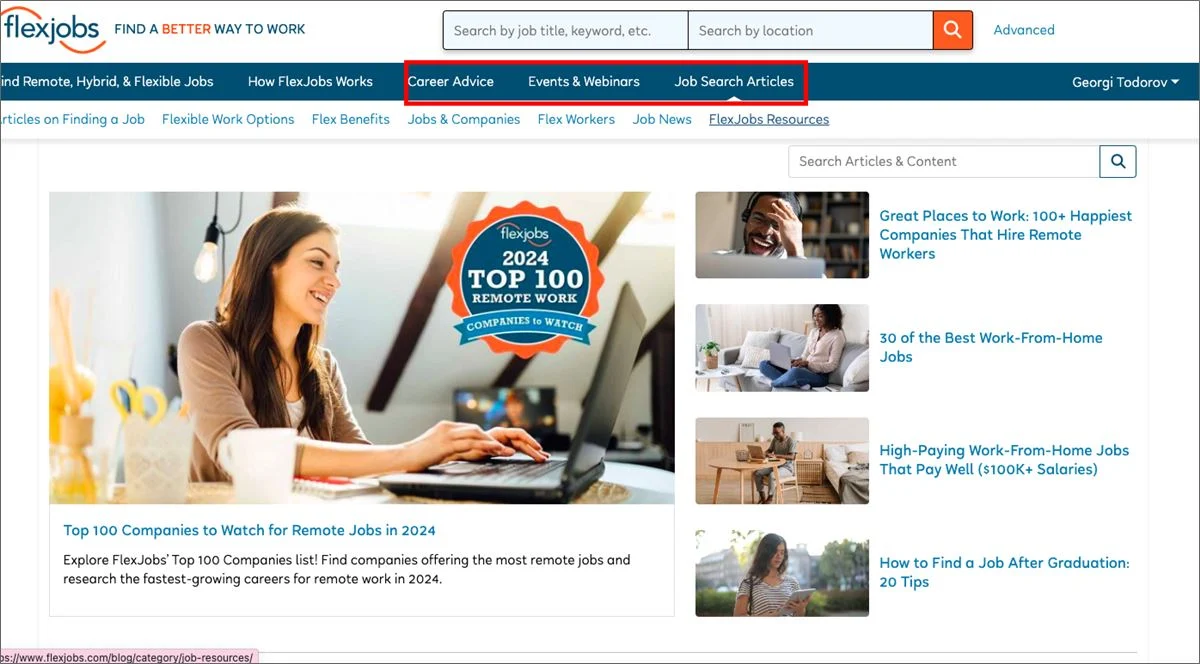
In an era defined by the "Great Reshuffle" and the mainstream adoption of distributed teams, the quest for legitimate remote employment has never been more competitive. With workplace burnout affecting an estimated 76% of employees globally, the desire to escape the traditional 9-to-5 office grind has fueled a massive surge in demand for flexible career options. However, as the digital job market expands, so too does the prevalence of sophisticated employment scams.
This brings us to a persistent question for the modern job seeker: Is it worth paying for a premium job board like FlexJobs when so many free alternatives—such as LinkedIn, Indeed, and Glassdoor—exist? This article provides an exhaustive analysis of the FlexJobs platform, its methodology, and whether its curated approach justifies the subscription cost.
The Evolution of Remote Recruitment: A Chronology
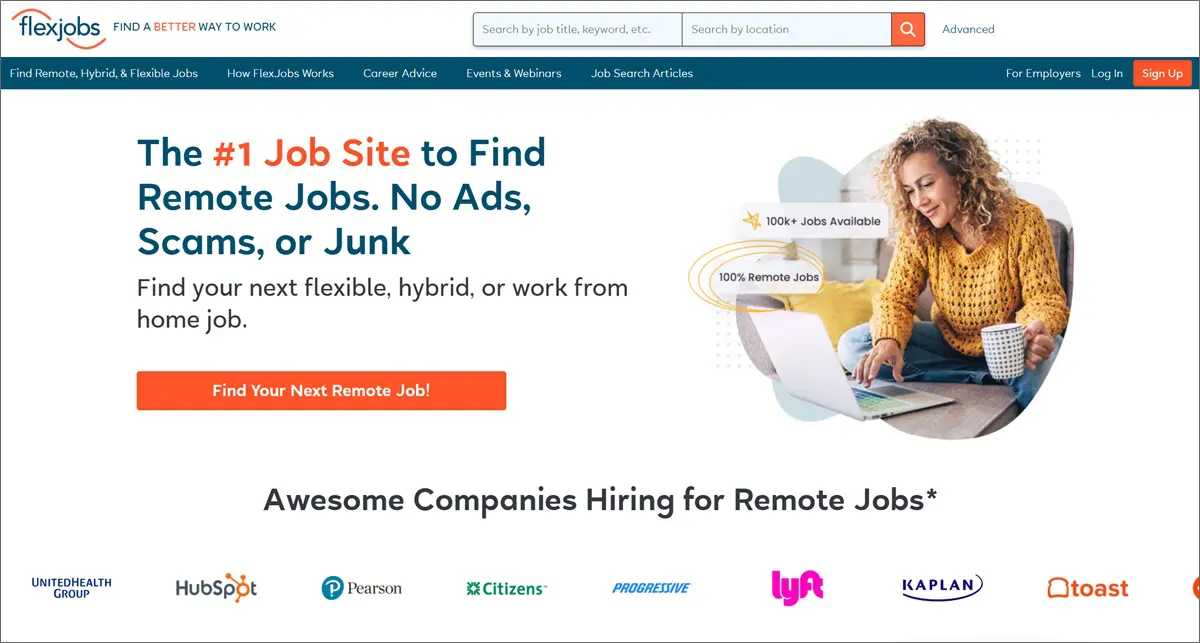
Established in 2007, FlexJobs entered the market long before "remote work" became a household term. While early job boards were primarily digitized classified ads, FlexJobs took a different path by positioning itself as a high-integrity, quality-first service.
Over the past seventeen years, the platform has evolved from a niche directory into a comprehensive career ecosystem. A significant milestone in its corporate history occurred in 2024, when the company was acquired by BOLD, a powerhouse in the career development and resume-building industry. This acquisition signaled a new chapter for the platform, integrating broader career support tools and cementing its status as a staple for remote-first talent. Today, FlexJobs claims to have assisted over 10 million job seekers in navigating the remote landscape, hosting upwards of 57,000 active listings from over 60,000 vetted employers.
The Vetting Mechanism: Why Quality Matters
The primary value proposition of FlexJobs—and the reason for its subscription model—is its proprietary vetting process. In a digital landscape where AI-generated job postings and "fake" listings are rampant, FlexJobs maintains a manual, human-centric approach to quality control.
1. Human-Led Screening
Unlike public job boards that rely on automated scrapers to aggregate data, FlexJobs employs a dedicated team of researchers. Every single job posting undergoes a manual review to ensure the company is reputable and the role is legitimate. This gatekeeping function is designed to filter out the "clutter" that often leads to phishing attempts or predatory "get-rich-quick" schemes found on free platforms.

2. Comprehensive Due Diligence
The team conducts deep-dive research into each employer’s history, online presence, and employee feedback. By vetting the legitimacy of the company before the job is ever published, the platform creates a "safe zone" for candidates.
3. Continuous Monitoring
Vetting is not a one-time event at FlexJobs. The platform maintains an ongoing monitoring protocol; if a listed company receives negative feedback or is flagged for suspicious behavior, the team reassesses its presence on the site, often removing the employer to protect the user base.
The Economics of the Job Search: Is the Cost Justified?
FlexJobs operates on a subscription model, which is arguably its most debated feature. While the service is not free, its pricing structure is designed to be accessible. Plans start as low as $2.95 for a 14-day trial, allowing users to test the waters without a long-term commitment.
The "Time-as-Money" Argument
For many, the cost of a subscription is an investment in efficiency. The average job seeker spends hours sifting through thousands of irrelevant or fraudulent listings on free boards. By centralizing high-quality, pre-screened, and often exclusive listings in one place, FlexJobs effectively buys back the user’s time.

Membership Tiers
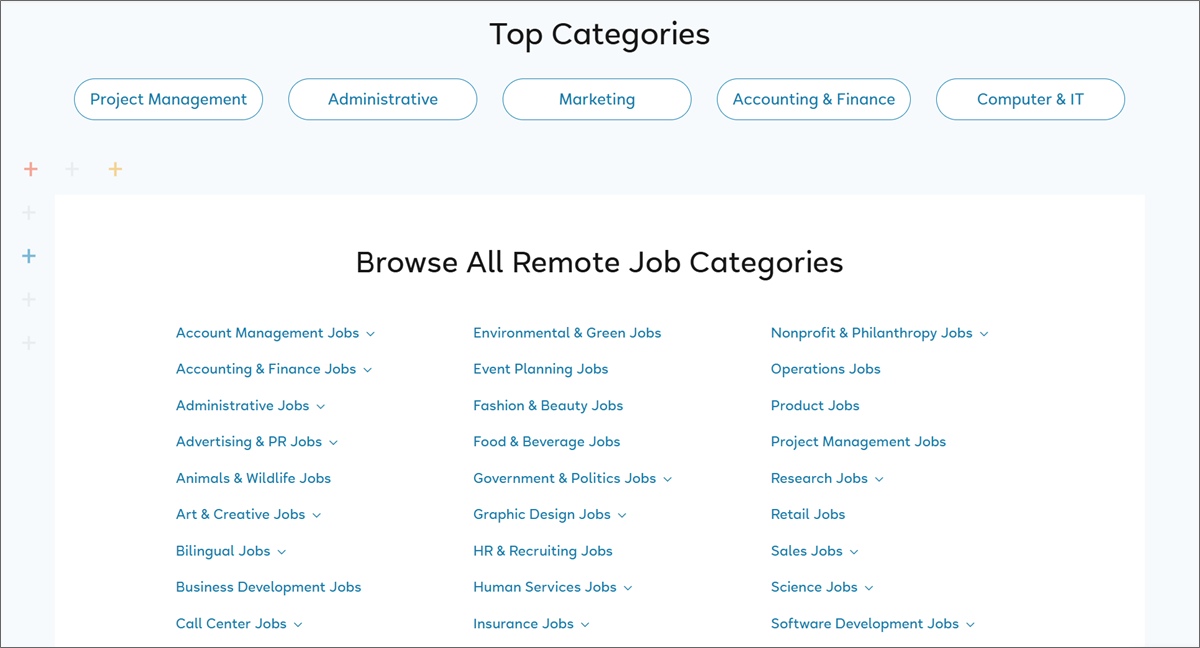
FlexJobs offers various durations, including monthly, quarterly, and annual plans. For professionals in a high-stakes job search, the ability to filter by industry, company, and specific flexibility requirements (such as "fully remote" vs. "hybrid") provides a level of granular control that standard search engines struggle to replicate.
Who is FlexJobs For? Analyzing User Demographics
FlexJobs has become a hub for specific segments of the workforce who require more than just a job posting; they require a secure, flexible environment.

- Career Changers: Individuals moving from traditional sectors (like teaching or retail) into digital-first roles often lack the network to find remote openings. FlexJobs acts as a bridge, offering roles that value transferable skills.
- Parents and Caregivers: The platform is highly favored by those balancing professional ambitions with domestic responsibilities. The "part-time" and "flexible schedule" filters are critical for those who need to work around childcare or family obligations.
- Individuals with Health Challenges: For those with chronic illnesses or physical disabilities, remote work is not just a preference; it is a necessity. The platform’s ability to filter for home-based roles allows these professionals to find stability without the physical toll of commuting.
- Freelancers and Contractors: Beyond full-time employment, the platform features a robust selection of project-based work, allowing freelancers to diversify their income streams and build portfolios with reputable clients.
Beyond the Listing: The Ecosystem of Support
FlexJobs distinguishes itself by offering a suite of value-added services that go far beyond a simple database of jobs.
The Learning Center
The platform’s educational hub provides a library of webinars, expert-led courses, and instructional guides. These resources cover the nuances of remote interviewing, resume optimization for Applicant Tracking Systems (ATS), and tips for maintaining productivity in a home-office environment.

Skills Verification and Testing
Members gain access to over 170 free skills assessments. These tests allow candidates to validate their proficiency in areas like Microsoft Office, software development, or digital marketing. Displaying these verified badges on a resume can provide a significant competitive edge, signaling to recruiters that the candidate has been vetted.
Career Coaching and Personalized Services
For users seeking a more tailored approach, FlexJobs provides discounted access to one-on-one career coaching. These sessions focus on career pivots, salary negotiation, and interview preparation—elements that are crucial when moving into the highly competitive remote sector.

Addressing the Criticisms: An Honest Look
No platform is without its detractors. Understanding the common complaints is essential for a balanced perspective.
- The Subscription Barrier: The most frequent criticism remains the existence of a paywall. Critics argue that access to employment should be a human right. However, from a business perspective, the fee funds the human research team that ensures the site remains free of scams.
- Volume vs. Niche: Some users report that while the quality is high, the volume of jobs in hyper-niche industries may be lower than on massive, open-access platforms.
- Expectations Management: A subset of users expresses frustration when a subscription does not immediately result in a job offer. It is important to note that FlexJobs is a tool, not a recruitment agency. The responsibility of refining the resume and acing the interview remains entirely with the candidate.
Comparing Alternatives
To determine if FlexJobs is the right fit, it is helpful to compare it against the broader market:

- LinkedIn: Excellent for networking and direct recruiter contact, but notoriously cluttered with low-quality listings and "ghost jobs."
- Indeed: Massive volume, but the lack of centralized vetting makes it a breeding ground for remote work scams.
- Upwork/Fiverr: Ideal for freelancers but less focused on long-term, full-time employment with traditional corporate benefits.
- We Work Remotely: A great free resource for tech and creative roles, though it lacks the comprehensive career support and coaching services found on FlexJobs.
Implications for the Future of Work
The rise of platforms like FlexJobs reflects a broader shift in the global economy. As companies move toward permanent remote or hybrid models, the "job board" of the future must be more than a repository of links—it must be a career partner.
The acquisition of FlexJobs by BOLD suggests that the industry is moving toward a model where job searching, resume building, and skill development are integrated into a single, seamless experience. For the modern worker, the implication is clear: the days of "spraying and praying" applications across the internet are coming to an end. Success in the future of work will require a more targeted, secure, and resource-heavy approach to the job hunt.

Final Verdict: Is It Worth It?
If you are a job seeker who values your time, prioritizes security, and is looking for a professional-grade experience, FlexJobs is undoubtedly worth the investment.
The ability to bypass the "scam noise" of free job boards, combined with access to professional coaching, skills testing, and exclusive listings, provides a distinct advantage in a crowded market. While the subscription fee may be a point of friction for some, the cost of a few weeks of access is negligible compared to the potential salary increase or the peace of mind gained by avoiding fraudulent listings.

For those still on the fence, the 30-day satisfaction guarantee acts as a low-risk safety net, allowing you to evaluate the platform’s inventory against your specific career goals. In a professional landscape where time is your most valuable asset, having a curated, vetted, and resource-rich partner in your job search is a strategic move that can pay dividends long after you land your next role.
Big thanks to Georgi Todorov for helping research FlexJobs! Georgi is an entrepreneur and content creator with authorship in a broad range of publications, including Entrepreneur and Forbes. He founded Create & Grow to help people create and grow their online business.
 Lina Hope
  Suro Senen
  Reynand Wu