
 By Lina Hope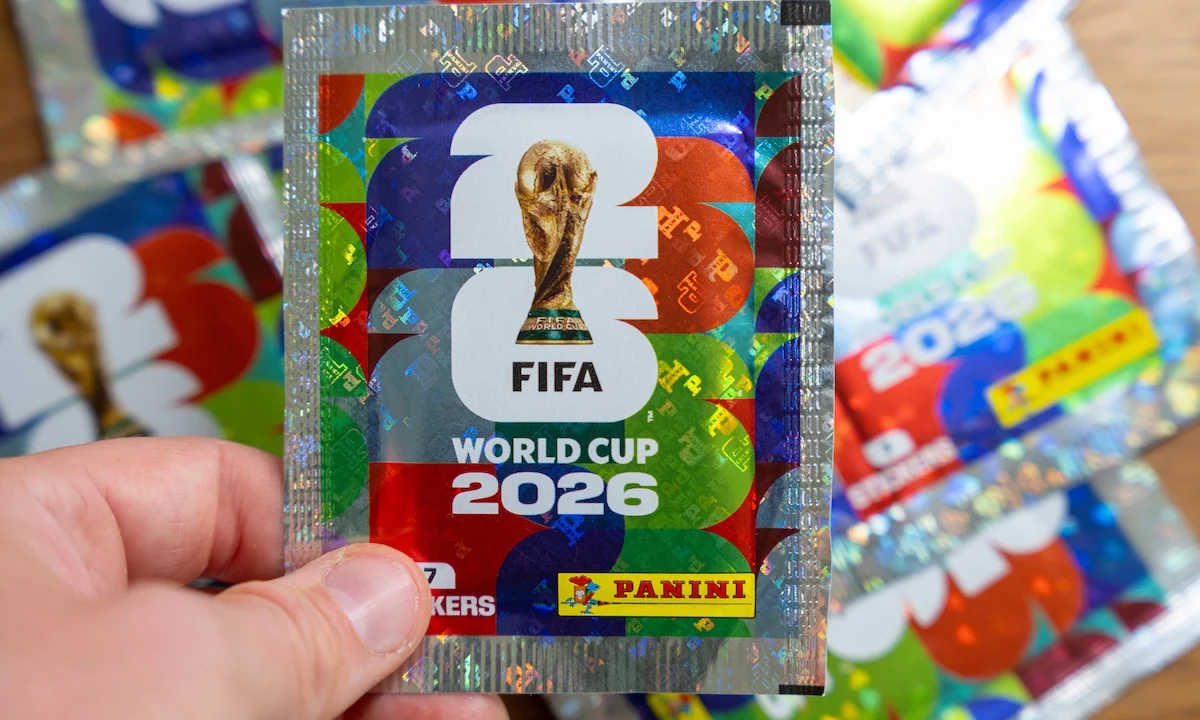
By PYMNTS | June 27, 2026
The sporting world has long understood the Super Bowl as a singular, high-octane luxury product—a one-night consumption event that dominates the American cultural landscape. The Olympics, by contrast, are a sprawling infrastructure project draped in medals, often leaving behind complex urban legacies. But the 2026 FIFA World Cup represents something entirely different: a massive, roaming retail platform. With 48 teams, 104 matches, and 16 host cities spanning the North American continent, the tournament has evolved into a logistical and commercial engine of unprecedented scale.
As the tournament moves past its midway point, the data is clear. Through the first 44 matches, attendance has eclipsed 2.85 million spectators, with stadiums maintaining a remarkable 99.6% capacity. This is not merely a sports spectacle; it is a $8.9 billion revenue machine, with broadcasting rights serving as the bedrock—contributing 44% of the total budget—while consumer spending across host and non-host cities alike is rewriting the playbook on how mega-events impact local economies.
The Commercial Hierarchy: Who is Winning the Jersey Table?
In the retail arena, the "Golden Boot" of commerce is just as hotly contested as the one on the pitch. While social media influencers and pundits debate the marketability of icons like Lionel Messi, Cristiano Ronaldo, or Kylian Mbappé, the hard data tells a more nuanced story of national fervor.
According to British retail giant JD Sports, the current best-sellers are not necessarily tied to the most famous individual names, but to the most passionate fanbases. Mexico and Argentina—both utilizing Adidas kits—are dominating the global sales charts. Adidas has publicly confirmed that the Mexico national team jersey is currently the worldwide bestseller, a testament to the massive, dedicated diaspora and the sheer scale of support for El Tri.
However, market analysts warn against "influencer math." There is currently no public, audited, cross-retailer leaderboard that tracks the exact movement of individual player jerseys. While the buzz around marquee stars is palpable, the retail reality is driven by national identity. For major brands like Adidas and Nike, the tournament is less about individual player branding and more about capitalizing on the deep-rooted cultural attachments of national squads.
The Hottest Products: From Stickers to "Glitter Freckles"
The demand signals across the tournament are as loud as the stadium crowds. Jerseys remain the primary driver of revenue, but the "long tail" of merchandise has surprised even seasoned retail analysts.
Classic collectibles are seeing a resurgence. Panini sticker packs, a staple of World Cup culture, have completely sold out at major U.K. retailers, including Argos, GAME, Smyths, and Sports Direct. This scarcity has triggered a secondary market frenzy, with collectors hunting for rare inserts to complete their albums. Simultaneously, the official FIFA store has seen inventory exhaustion for commemorative items, most notably the "Americana" water bottle and host-city specific posters from Seattle, Dallas, Houston, and Atlanta.
The merchandise landscape has also taken an eccentric turn. Trends observed by Inc. highlight a shift toward "retro-chic" and DIY aesthetics, with significant interest in upcycled vintage tops, retro Gap collaborations, and, curiously, "glitter freckles"—a fan-favorite accessory that has become the unofficial face-paint of the 2026 tournament.
Perhaps the most unexpected trend is the expansion into pet merchandise. Reports from Reuters indicate that "Mexico Mania" has reached the canine, feline, and even equine worlds. Vendors are struggling to keep up with demand for pet-sized jerseys, with some retailers reporting sales of up to 30 units per day. The World Cup, it seems, has truly found its way into every facet of household spending.
Chronology of the Economic Surge
The economic footprint of the tournament has unfolded in distinct waves, beginning with the opening kick-off.
- Week 1 (The Kick-off): Host cities experienced an immediate, localized shock to the system. Mexico City, for example, saw an estimated $70 million boost in economic activity during the opening weekend alone, with local hospitality sectors—specifically bars and restaurants—reporting sales increases of up to 40%.
- The Mid-Tournament Pivot: As the initial rush stabilized, the focus shifted to the "base camp" phenomenon. Cities like Lawrence, Kansas—which served as the base for the Algerian national team—demonstrated that a city doesn’t need to host a match to host a party. Lawrence underwent a complete transformation, with local businesses pivoting to accommodate the influx of fans. Halal menu expansions and Algeria-themed merchandise sales outperformed all initial projections.
- The Algorithmic Strategy: Lancaster, Pennsylvania, provided a masterclass in modern destination marketing. By utilizing data-driven campaigns targeting fans searching for travel logistics to nearby Philadelphia and New York, Lancaster generated over $2 million in attributed hotel revenue before the tournament even began.
Supporting Data: The Hotel Conundrum
While the narrative of "booming tourism" is largely accurate, the data regarding the hospitality sector is complex. According to CoStar data reported by Skift, hotel revenue per available room (RevPAR) surged between 24% and 100% during the first three match days in host cities.
However, the "catch" lies in the source of that growth. The revenue lift was driven primarily by significantly higher average daily room rates (ADR) rather than full occupancy. In some markets, high prices and the friction of travel have caused a cooling effect on demand. This was most visible in New York, where the local hotel association slashed its World Cup-related revenue forecast by 60%, settling at approximately $60 million.
While traditional hotels grapple with the volatility of high-price elasticity, the vacation rental market—specifically platforms like Airbnb—has positioned itself as the tournament’s primary beneficiary, with early reports suggesting this could be their largest event to date.
Official Responses and Implications
FIFA’s strategic decision to place team base camps in 25 non-match communities has proven to be a masterstroke of economic distribution. By decentralizing the event, FIFA has essentially created "mini-economies" that provide a buffer against the extreme congestion of host cities.
Local governments, such as the City of Philadelphia, have been quick to tout the benefits. Following a high-profile win by Brazil, Philadelphia officials reported that venues like Midnight & The Wicked saw sales 80% to 100% higher than the previous year, marking the busiest night in the establishment’s history. These data points are being used to justify the initial investments made by municipalities to secure their status as host cities.
A Spending Geyser, Not a Sprinkler System
The defining characteristic of the 2026 World Cup’s economic impact is its unevenness. It is not a uniform "sprinkler system" that waters every local business equally; it is a "spending geyser" that erupts with intense force in specific locations and at specific times.
Success in this environment—for both businesses and cities—has required extreme agility. The tournament has rewarded those who positioned themselves early, understood the digital footprint of their potential customers, and managed their inventory to match the fluctuating demand of a global audience.
As we look toward the final stages of the tournament, the lessons are clear. The 2026 FIFA World Cup has proven that in the modern era, sports commerce is no longer just about the ticket in the seat. It is about the digital search intent, the local hospitality capacity, and the cultural resonance of the team kits on the backs of fans—even the ones on four legs. With weeks left to play, the tournament has already escaped the "group stage" of economic experimentation and established itself as the most significant retail event of the decade. The final score, in terms of global commerce, will likely be determined by how well cities and brands continue to adapt to this volatile, high-stakes, and glitter-covered landscape.
 Azzam Bilal Chamdy
  Reynand Wu