
 By Evan Lee Salim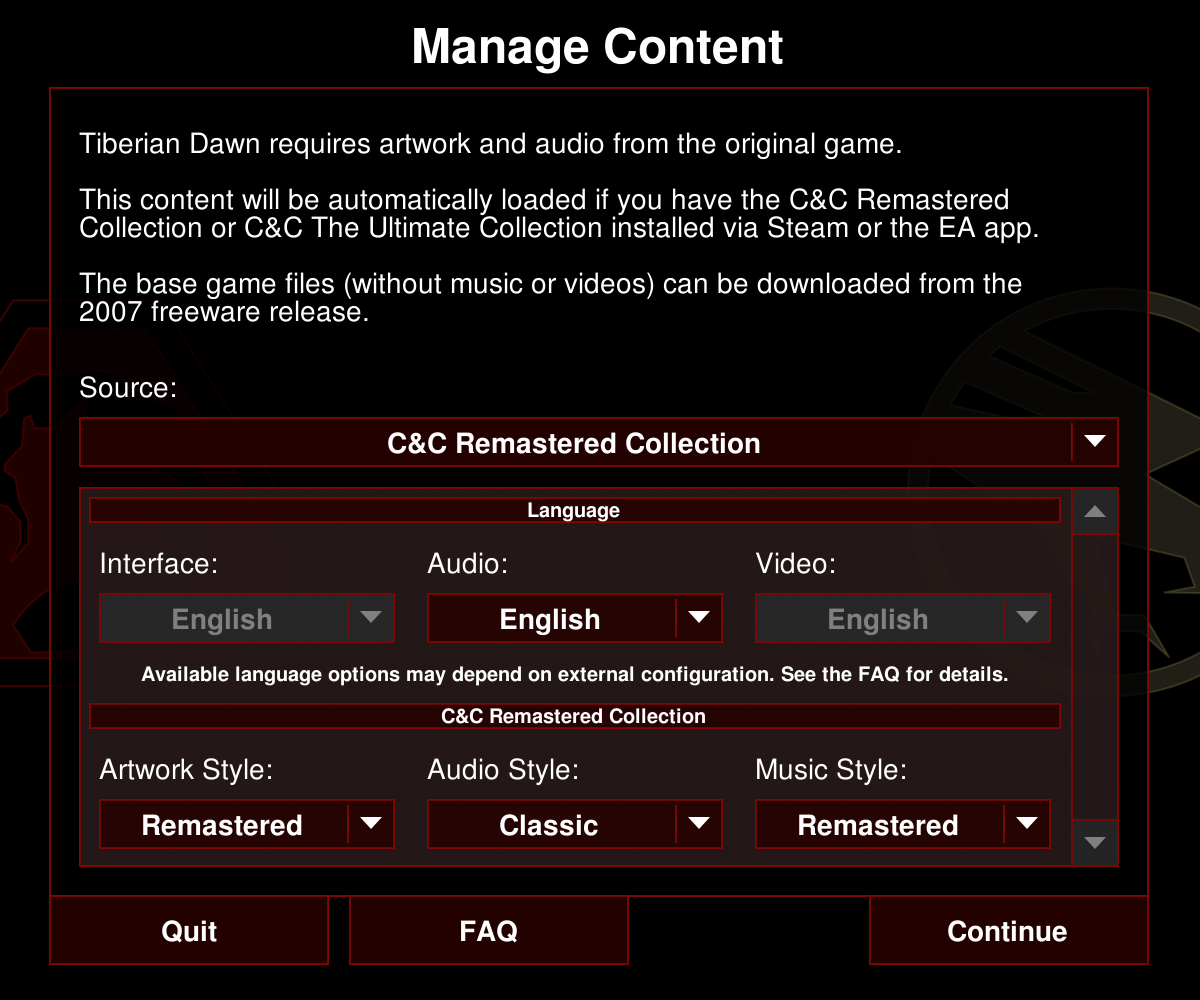
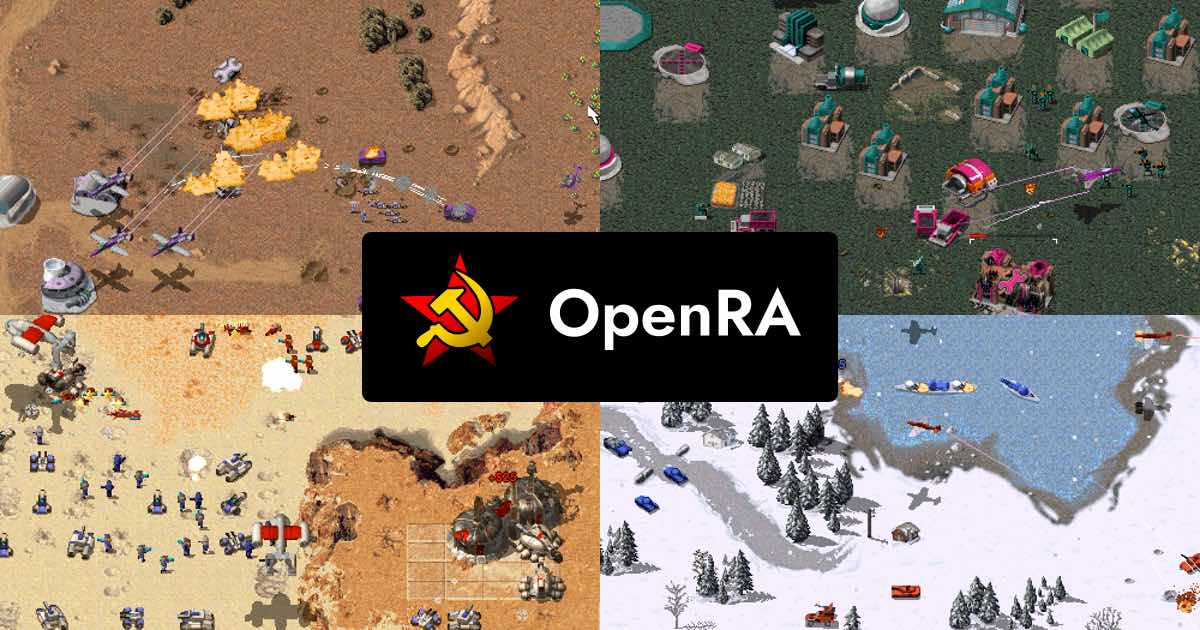
The open-source real-time strategy community is buzzing today as the OpenRA project releases its latest playtest, playtest-20260222. This update marks a significant leap forward for the engine, introducing long-requested procedural map generation, substantial aesthetic overhauls for Dune 2000, and a major milestone in the integration of high-definition assets from the C&C Remastered Collection. As OpenRA continues to refine the classic RTS experience for modern hardware, this latest build serves as both a quality-of-life upgrade and a testament to the community-driven development model that keeps these legacy titles alive.
Main Facts: A Paradigm Shift in Map Design
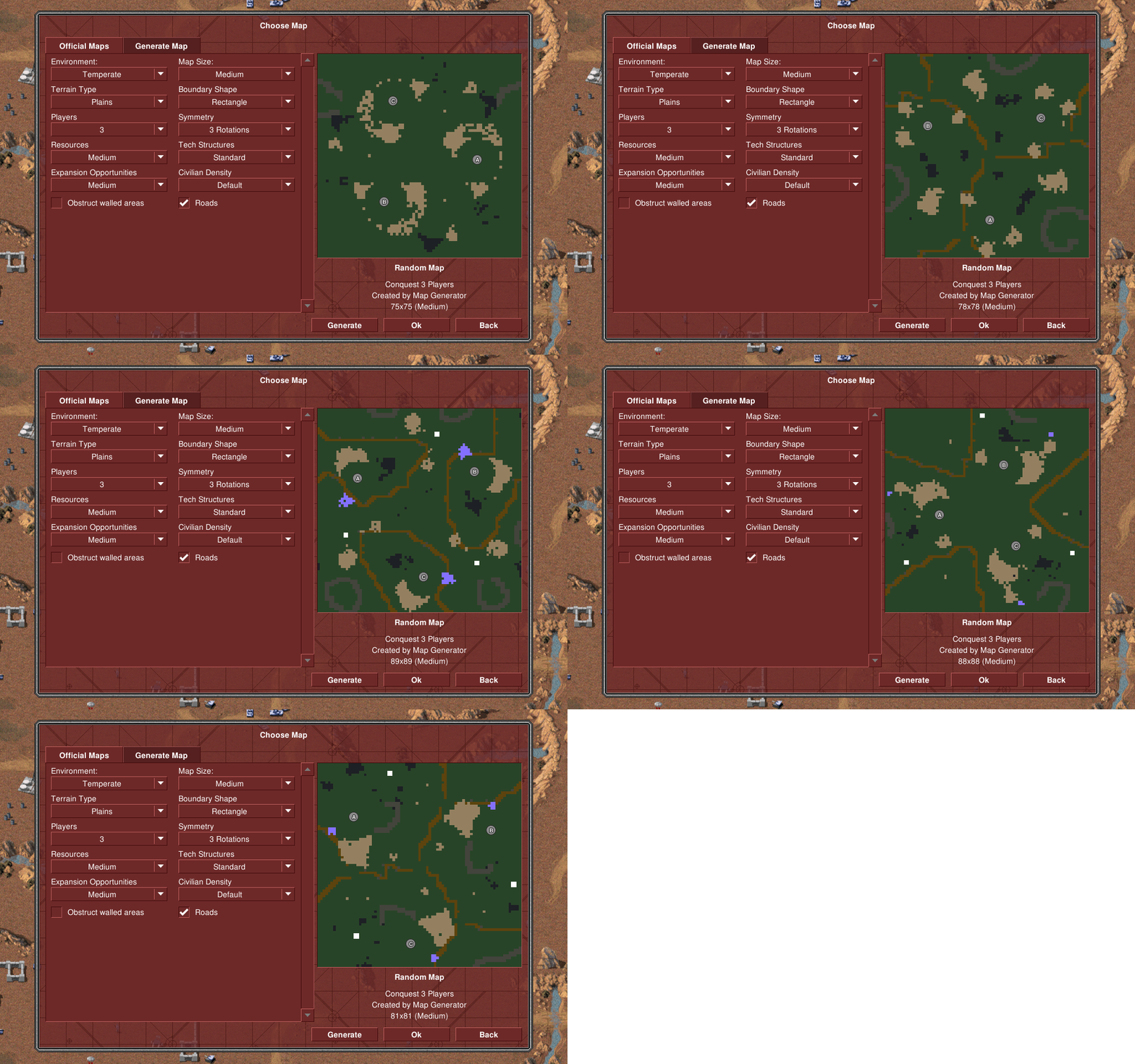
The headline feature of this playtest is the introduction of a robust Random Map Generator (RMG) for Red Alert, Tiberian Dawn, and Dune 2000. For years, OpenRA players have relied on manually curated maps, which, while high in quality, limited the sheer variety of skirmish and multiplayer encounters.
The new generator allows users to customize their battlefield by selecting a specific biome, defining player counts, and fine-tuning variables such as symmetry, chokepoint frequency, and resource distribution. This addition is expected to breathe new life into the competitive scene, forcing players to adapt to procedurally generated terrain rather than relying on memorized map layouts.
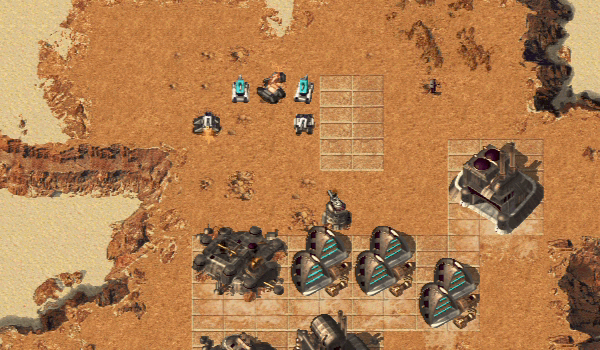
Beyond map generation, the update delivers a "glow-up" to Dune 2000. This includes authentic visual effects for the iconic Sonic Tank and more granular feedback for damaged structures, mirroring the visual fidelity fans of the franchise expect. Furthermore, the Starport has finally received the much-anticipated "bulk purchase" logic, significantly reducing the micromanagement required during intense lategame scenarios.
Chronology of Development: The Road to playtest-20260222
The evolution of the OpenRA engine has been a steady, deliberate process of reverse-engineering and modernization.
- The Early Foundation: OpenRA began with a focus on engine stability and cross-platform compatibility, ensuring that Command & Conquer could run natively on Linux, macOS, and Windows.
- The HD Shift: With the release of the C&C Remastered Collection by Petroglyph Games, the OpenRA team pivoted toward incorporating high-definition assets. The Tiberian Dawn HD standalone mod served as the testing ground for this transition.
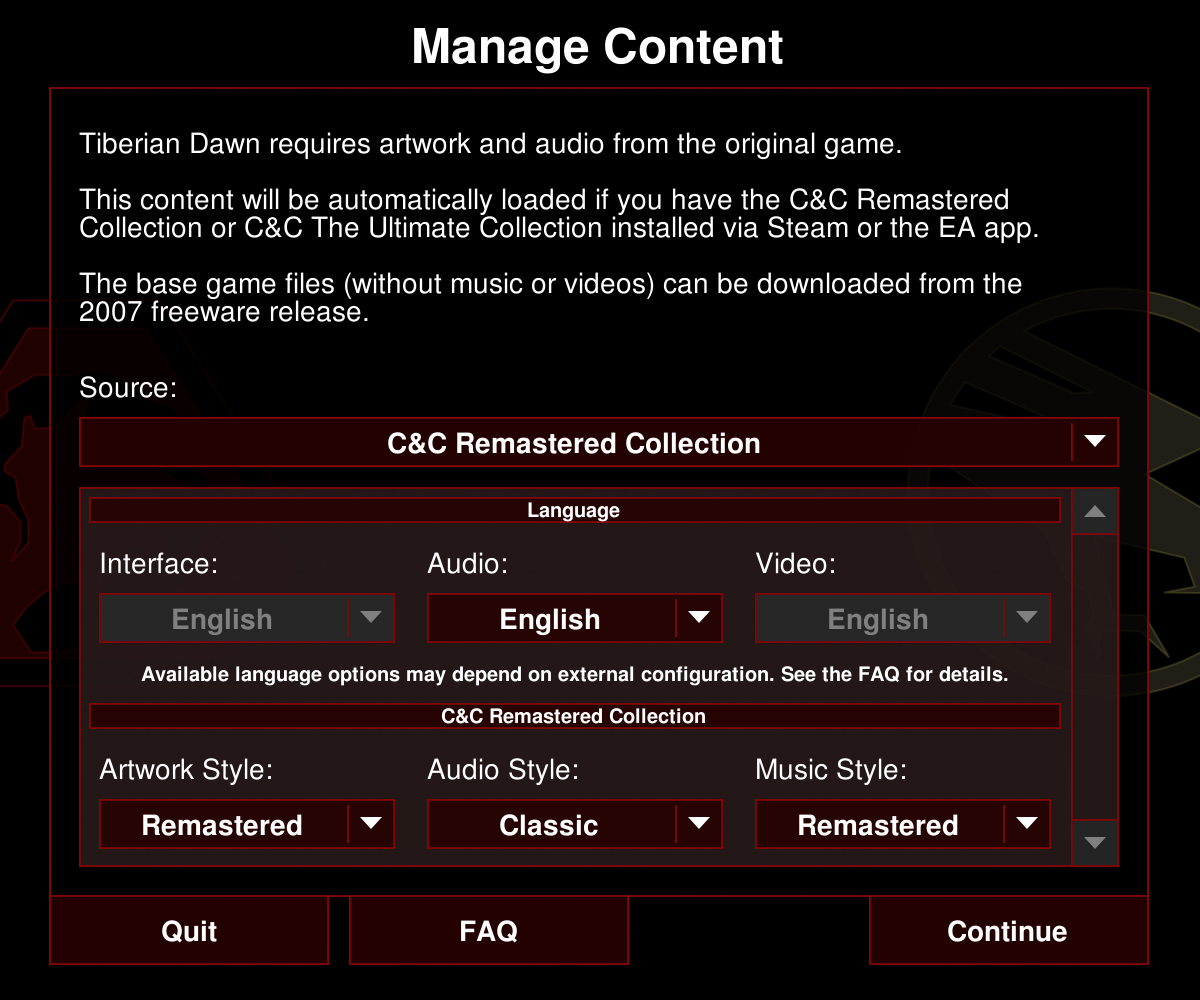
- Refinement Phase: Over the last six months, development shifted from basic asset support to creating a unified content management system. This allowed users to toggle between "Classic" and "Remastered" visuals and audio on the fly.
- The Current Milestone: With
playtest-20260222, the project has reached a state of "feature completeness" for the HD mod. The integration of these assets into the core OpenRA codebase is now the final hurdle, with developers targeting the next full release for the official merge.
Supporting Data: Enhancing the User Experience
The playtest is not merely about new features; it is a holistic audit of the game’s mechanical balance and toolsets.
Community-Led Balance Overhaul
Perhaps the most understated yet impactful change is the community-led balance overhaul. By analyzing telemetry and competitive feedback from the past year, the developers have adjusted unit costs, movement speeds, and armor values across Red Alert and Tiberian Dawn. These changes aim to move the meta away from "rush-heavy" strategies toward more diverse army compositions.
The "Path Tiler" Revolution
For the map-making community, the update introduces the "Path Tiler" tool. This new feature within the OpenRA map editor simplifies the placement of environmental assets—cliffs, beaches, and road networks—which previously required tedious manual adjustment. By automating the "tiling" process, map creators can focus on design and flow rather than granular asset placement, which is expected to drastically increase the volume of high-quality custom maps in the coming months.
Single-Player Accessibility
The single-player campaign has undergone a difficulty recalibration. By smoothing out the learning curve, the team hopes to lower the barrier to entry for new players who may find the original games’ unforgiving difficulty spikes discouraging.
Official Responses and Developer Insights
In a statement accompanying the release, the OpenRA development team emphasized that this playtest is a collaborative effort. "The random map generators can often create more interesting tactical layouts than even our most veteran map makers," a lead developer noted. This sentiment highlights the engine’s transition from a rigid recreation of the past to a flexible platform for modern gameplay innovation.
Regarding the Tiberian Dawn HD integration, the team remains cautious but optimistic. "We understand that players want these HD assets in the main game immediately. However, our priority is maintaining the performance standards OpenRA is known for. The standalone mod has been a vital sandbox to ensure that when we merge this into the core, it is seamless and bug-free."
The community response has been overwhelmingly positive. On the OpenRA forums, long-time players have praised the "bulk purchase" logic for the Starport, noting that it brings Dune 2000 closer to the quality-of-life standards found in modern RTS titles like StarCraft II or Age of Empires IV.
Implications: The Future of OpenRA
The release of playtest-20260222 signals a major shift in the project’s lifecycle. By providing a stable, reliable framework for procedural content and high-definition assets, OpenRA is cementing its position as the definitive way to play classic Westwood titles.
1. Competitive Viability
The introduction of the Random Map Generator removes the stagnation that can often plague older RTS games. By ensuring that no two matches are exactly alike, OpenRA is positioning itself to retain its competitive player base while inviting new players who prefer the variety found in modern titles.
2. Archival and Preservation
By integrating the C&C Remastered assets, the project is effectively creating a "best of both worlds" scenario. It preserves the classic mechanics and engine feel of the original 90s titles while delivering the crisp, high-resolution visual fidelity that modern displays demand. This is arguably the most significant contribution to the preservation of the RTS genre in the current decade.
3. The Path Forward
The upcoming merge of the Tiberian Dawn HD mod into the core game will likely be the most significant update in the project’s history. It will mark the transition of OpenRA from an engine that "recreates" the classics to one that "remasters" them in real-time.
As the project moves into the next phase of development, the team has encouraged players to continue providing feedback via their Discord server and GitHub repository. The transparency of the development cycle—from the "bleed" changelogs to the public playtests—remains the engine’s greatest asset, ensuring that the finished product is tailored to the actual needs of the player base.
Conclusion: How to Participate
The playtest-20260222 is currently available for download on the official OpenRA website. Users are encouraged to test the new map generation features and provide specific feedback on balance, particularly regarding the new unit adjustments.
As we look toward the next iteration of the project, it is clear that OpenRA is no longer just a project about nostalgia. It is an evolving platform that continues to iterate on the very foundations of the real-time strategy genre. Whether you are a competitive ladder-climber or a fan of the classic single-player campaigns, this update offers a compelling reason to jump back into the field.
For more information, readers are encouraged to consult the full changelog and join the discussion on the official OpenRA Discord server.
 Reynand Wu
  Ali Ikhwan
  Sagoh
Sagoh 