
 By Nana Muazin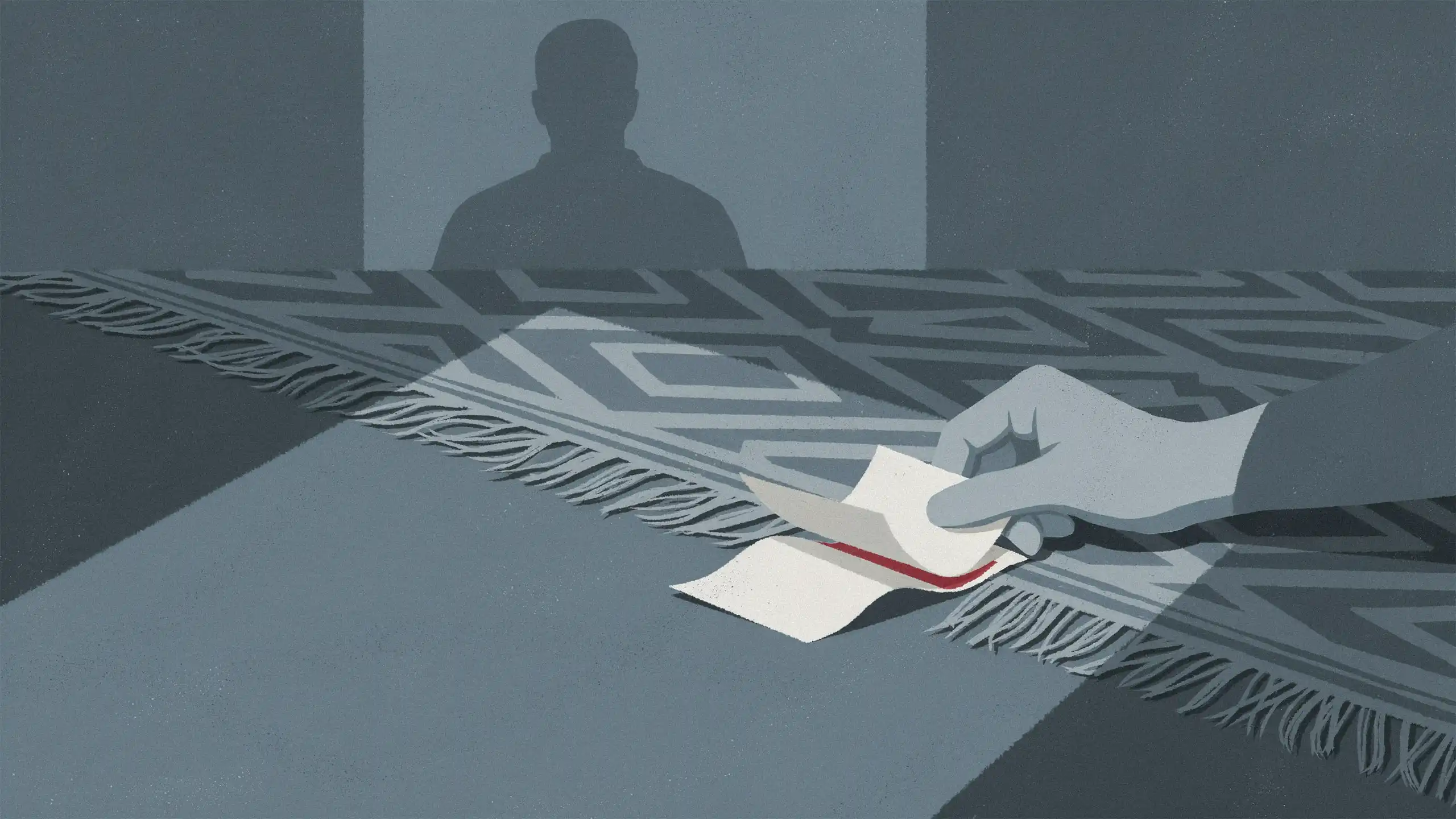
In the delicate ecosystem of a committed relationship, trust acts as the primary currency. While couples often discuss the importance of emotional and physical fidelity, a third, equally critical pillar is frequently relegated to the shadows: financial transparency. The act of concealing debt, maintaining secret accounts, or hiding recurring expenditures from a partner—collectively known as "financial infidelity"—has emerged as one of the most corrosive forces in modern partnerships.
As the lines between individual autonomy and shared fiscal responsibility blur in an increasingly complex economic landscape, the consequences of financial secrecy are reaching a breaking point. With recent data suggesting that nearly half of the population equates financial deceit with traditional infidelity, it is time to examine the mechanics of this betrayal, the psychological fallout it creates, and the roadmap for restoring trust.
The Anatomy of Financial Betrayal: Main Facts
Financial infidelity is not merely about overspending; it is a profound breach of the contractual trust inherent in a long-term partnership. When one partner hides a credit card statement or fails to disclose a significant loan, they are effectively rewriting the terms of their relationship without the other person’s consent.
At its core, financial infidelity manifests in three primary forms:
- Concealment of Debt: Hiding student loans, personal credit card balances, or gambling losses that impact the household’s long-term solvency.
- Secret Spending: Purchasing items—from luxury goods to daily habits—that are deliberately kept from a partner to avoid conflict or judgment.
- Hidden Assets: Establishing "rainy day" funds or private accounts that the other partner is unaware of, often as a psychological hedge against the relationship failing.
The tragedy of these actions is that the betrayal is rarely discovered through honest dialogue. It is almost always uncovered via external triggers: a declined loan application, a stray notification on a shared device, or a collections call that interrupts a peaceful evening.
A Chronology of Discovery: How Secrets Unravel
The path from secrecy to exposure typically follows a predictable and destructive trajectory.
Phase 1: The Incubation of Secrecy
The behavior often begins innocuously. It might start as a "small" secret—a single purchase intended to avoid a nagging conversation. Over time, this behavior becomes a pattern. The individual begins to intercept mail, change passwords, or shift funds between accounts to mask the trail. During this period, the relationship may appear stable on the surface, but the foundational trust is being hollowed out.
Phase 2: The Catalyst
Discovery rarely happens on the terms of the offender. It is an ambush. A partner might find a bank statement in the mailbox, notice a discrepancy in the mortgage application, or see a transaction alert pop up on a joint computer. This moment of discovery is the "flashpoint," where the reality of the deception crashes into the victim’s perception of their shared life.
Phase 3: The Double Betrayal
When the secret is revealed, the victim suffers a dual shock. First, there is the immediate financial impact—the realization that the household budget, the savings goals, and the future they were building together were based on fiction. Second, there is the emotional betrayal. The realization that their partner is a skilled deceiver forces the victim to re-evaluate every shared decision made in the past. Vacations, investments, and home purchases are suddenly viewed through a lens of suspicion.
Supporting Data: The 2026 Financial Infidelity Landscape
The prevalence of these issues is not merely anecdotal. According to Bankrate’s 2026 financial infidelity survey, the cultural sentiment regarding money secrets has shifted significantly.
- The Parity of Betrayal: 43% of U.S. adults now classify keeping money secrets from a partner as being at least as damaging as physical infidelity.
- The Gender Gap: While both genders engage in financial secrecy, the motivations often differ. Research suggests that while men are more likely to hide significant debt or gambling losses, women are statistically more likely to hide small, recurring purchases to avoid criticism regarding household spending.
- The Cost of Delay: Financial problems that are hidden do not remain static; they compound. Debt accrued in secret often grows at high interest rates, meaning the longer the secret is kept, the more catastrophic the final financial reconciliation will be.
Implications: When Trust Becomes Irreparable
The financial damage, while often painful, is mathematically quantifiable and theoretically fixable. One can pay off a credit card or rebuild a savings account. The erosion of trust, however, is far more difficult to rehabilitate.
When a partner discovers they have been living a lie, the psychological impact is profound. It triggers an "inquisitorial" phase in the relationship, where the betrayed partner may begin to monitor every receipt, question every transaction, and demand total visibility. This shift fundamentally alters the power dynamic of the relationship, often moving from a partnership of equals to one defined by surveillance and suspicion.
Furthermore, the "trust deficit" created by financial infidelity rarely stays contained to the bank account. It spills over into other areas of life, as the victim begins to wonder: If they lied about the bank account, what else are they lying about?
Strategies for Transparency: Building a Resilient Future
If you find yourself on the side of the secret-keeper, the path forward is difficult but necessary. The goal is to transition from a culture of evasion to one of radical, sustainable transparency.
1. The Proactive Confession
If you are hiding something, do not wait for the inevitable discovery. Schedule a time for a calm, intentional conversation. Do not use this as a bargaining tool; lead with the full number. Bring all documentation—the statements, the balances, and the history—so that your partner never has to wonder if there is another shoe waiting to drop.
2. Redefining Autonomy
Crucially, transparency does not mean losing one’s identity. Separate accounts are not the problem—the lack of disclosure is. Many successful couples maintain individual "no-questions-asked" accounts for personal spending. This is perfectly healthy, provided both partners know the account exists and have agreed upon the parameters of that spending.
3. Establishing Financial Governance
To prevent a relapse into secrecy, couples should implement a structural framework for their finances:
- Monthly Money Talks: A recurring 20-minute meeting to review account balances, upcoming expenses, and progress toward shared goals.
- Threshold Agreements: Set a dollar threshold for purchases. Below this amount, either partner has full autonomy to spend as they see fit. Above this amount, a discussion is required.
- Shared Visibility: Utilizing budgeting apps or shared access to accounts ensures that there is no "hidden" data. When both partners have eyes on the finances, the temptation to hide purchases decreases significantly.
4. The "Receipt Test"
A simple rule for maintaining honesty: If you find yourself wanting to hide a receipt or hoping your partner doesn’t see a specific transaction, that is the exact purchase that should be brought up in the next money talk. If you cannot disclose it comfortably, you shouldn’t be buying it.
Conclusion: The Choice Between Comfort and Truth
The discomfort of disclosure is always smaller than the cost of discovery. While coming clean about debt or spending habits may feel like an immediate threat to the relationship, it is the only path that offers a chance at true reconciliation.
In the end, money is a resource, but trust is a foundation. Once the foundation is cracked, the structure above it becomes unstable. By choosing transparency today, couples can ensure that their financial future is built on the solid ground of mutual honesty rather than the shifting sands of secrecy. The work of merging two lives is hard enough without the weight of hidden accounts; take the time to bring your finances into the light, and you may find that the intimacy of your relationship grows in tandem with your bank balance.
 Azzam Bilal Chamdy
  Evan Lee Salim
  Nila Kartika Wati