
 By Dwi Wanna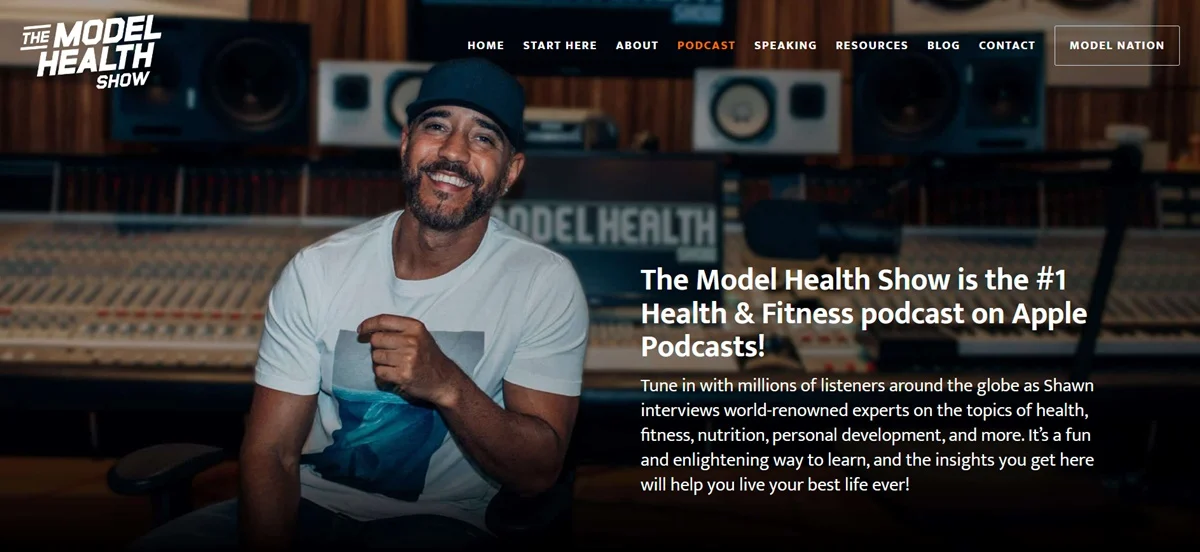
In the modern gig economy, the lines between personal wellness and professional productivity are blurring. For millions, the gym is no longer just a place to burn off steam—it is becoming a place to earn it. Whether you are a certified trainer, an avid runner, or someone who simply enjoys an active lifestyle, the "fitness side hustle" has emerged as a robust way to supplement income, improve physical health, and build long-term career capital.

This guide explores the most viable pathways to monetizing your commitment to health, drawing on success stories that range from local coaching to international digital empires.

The Landscape of Fitness Monetization
The fitness industry has undergone a seismic shift over the last decade. Historically, fitness income was tied strictly to hourly rates at local gyms. Today, digital platforms, content creation, and the "gamification" of health have created a diverse ecosystem where individuals can monetize their knowledge, their presence, or even their daily step counts.

1. Professional Coaching and Instruction
For those with formal qualifications, the traditional route remains a bedrock of the industry.

- Personal Training: While many gyms require official certifications (such as NASM), the barrier to entry for private training is often lower. By leveraging platforms like NextDoor or FindYourTrainer, professionals can bypass agency fees. The shift to online coaching has also allowed trainers like April Whitney to build niche programs for specific demographics, with some scaling to $1,000+ per month in passive and semi-passive revenue.
- Sports Coaching and Officiating: Youth sports leagues are in a perpetual state of need for qualified coaches and officials. With average pay rates hovering around $25 to $45 per hour, this remains a reliable way to turn athletic experience into steady income.
- Group Fitness: Yoga, Zumba, and spin instructors are the lifeblood of local health clubs. If you possess a certification, gyms are often actively looking for part-time instructors to fill morning or evening slots.
2. Digital Authority: Content as a Revenue Stream
If you have a voice, an opinion, and a niche, the internet is your primary marketplace.

- Niche Websites: Tami Smith of MomsDoWellness serves as a case study for the power of long-form content. By combining her expertise as a certified personal trainer with high-quality SEO-driven articles, she scaled her earnings to upwards of $20,000 per month. Fitness sites thrive on affiliate marketing, ad revenue, and the sale of digital products like meal plans or workout guides.
- YouTube and Podcasting: Visual and auditory platforms allow for deep trust-building with an audience. Nisha Vora’s Rainbow Plant Life channel demonstrates the potential of video, amassing over 1.2 million subscribers. Meanwhile, podcasting—as evidenced by The Model Health Show—offers a path to monetization through sponsorships and scale. Unlike in-person training, a digital product or episode requires the same effort to produce for 100 people as it does for 100,000.
Chronology: Building Your Fitness Brand
Starting a fitness side hustle is not an overnight success story. It generally follows a three-stage progression:

- The Foundation (Months 1–3): Identify your niche. Are you helping postpartum mothers return to fitness? Are you training triathletes for their first marathon? During this phase, focus on certifications, basic content creation, and building a local or digital network.
- The Growth (Months 4–12): This is where you begin to see "traction." Whether it’s your first affiliate commission from an Amazon product review or your first recurring client on Zoom, this stage is about refining your offering and gathering social proof.
- The Scale (Year 1+): Transition from trading time for money to selling products. This includes e-books, self-published guides (like those by Sean Sumner on back pain relief), or high-ticket group coaching programs.
Supporting Data: What Does It Pay?
The earning potential in the fitness sector is highly variable, depending on whether you are selling your time or your intellectual property.

| Hustle Type | Potential Monthly Earnings | Barrier to Entry |
|---|---|---|
| Personal Training | $500 – $3,000 | Medium (Certification needed) |
| Freelance Writing | $500 – $2,000 | Low (Portfolio needed) |
| Niche Website | $1,000 – $20,000+ | High (Technical skills needed) |
| Dog Walking | $500 – $1,000 | Low |
| Fitness Apps | $50 – $150 | Low (Passive) |
Data compiled from industry averages and independent creator reports.

The Role of "Gamified" Health
One of the most intriguing developments in the industry is the emergence of apps that pay you to be healthy. Platforms like HealthyWage allow users to place a financial wager on their weight loss goals. If they succeed, the return on investment can be substantial—often $500 or more.

Similarly, apps like CashWalk or StepBet monetize the "quantified self." While these are not meant to be full-time incomes, they provide a tangible incentive to maintain the activity levels you likely already strive for.

Implications: The Ethics of Disclosure and Authenticity
As you enter the fitness space, transparency is your greatest asset. If you are leveraging affiliate links—such as reviewing a new set of resistance bands for the Amazon Influencer Program—you must disclose your relationship with the company.

Beyond compliance, authenticity is what keeps an audience engaged. The market is saturated with generic fitness advice; it is the specific, lived experience of the trainer, the author, or the athlete that cuts through the noise. When choosing a side hustle, prioritize areas where you have genuine curiosity. If you hate waking up early, a 5:00 AM bootcamp coaching gig will eventually lead to burnout, regardless of the pay.

Getting Started: A Step-by-Step Action Plan
- Audit Your Assets: What do you know that others don’t? Do you have a specialized diet that helped you lose 40 pounds? Do you have a degree in kinesiology?
- Select Your Lane: Choose one of the 19 models discussed here. Avoid "shiny object syndrome" by committing to one path for at least six months.
- Establish Your Digital Presence: Whether it is a LinkedIn profile for professional training or a Substack newsletter for your fitness insights, you need a place where potential clients can find you.
- Create Consistent Value: If you are blogging, write one high-quality article a week. If you are on YouTube, commit to a consistent upload schedule.
- Monetize Strategically: Do not rush to monetize before you have an audience. Build trust first, then introduce your services or products.
Conclusion: The Path Forward
The "fitness side hustle" is more than just a way to make extra money; it is a lifestyle integration. By choosing a path that aligns with your personal fitness goals, you turn the hours spent working into hours spent improving your own wellbeing.

Whether you choose the high-tech route of building a digital content empire or the high-touch route of local coaching and litter cleanup services, the opportunities to turn your sweat into equity are vast. The best time to start was yesterday; the second best time is today. Identify your niche, leverage your expertise, and start building your own corner of the fitness economy.
 Asro
Asro  Ali Ikhwan