
 By Laily UPN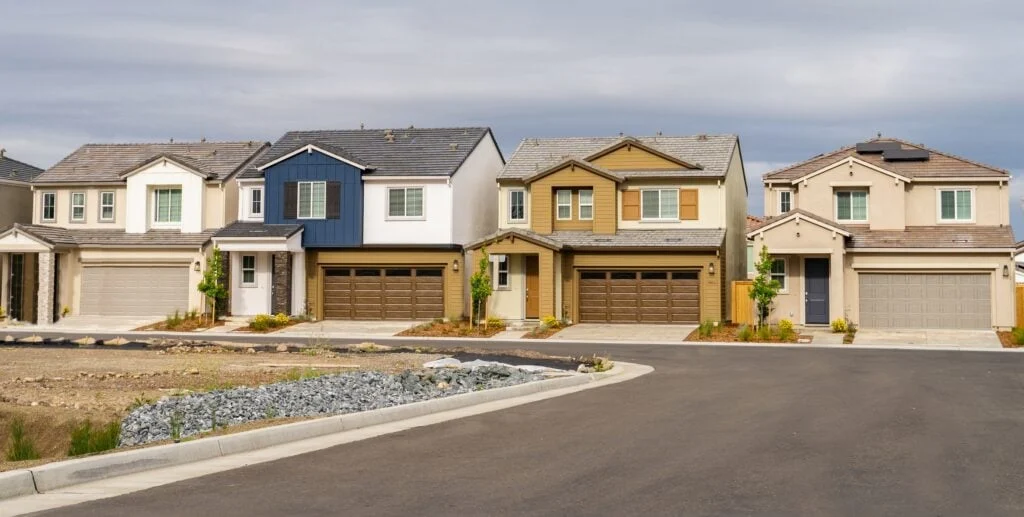
In the current real estate landscape of mid-2026, a peculiar psychological divide has emerged among property investors. On one side of the aisle, the majority of the market remains frozen in a state of paralysis, anchored by the conviction that the Federal Reserve is on the verge of slashing interest rates. They are waiting for the “5% mortgage” to return like a long-lost friend.
On the other side, a smaller, more tactical group of investors has stopped checking rate trackers entirely. They aren’t waiting for the market to move; they are creating their own market conditions. By pivoting toward new construction and utilizing builder concessions, these investors are securing financing in the 3% and 4% range, effectively insulating themselves from the volatility that has sidelined their peers.
The Mirage of the Perfect Rate
The logic of the “wait-and-see” investor is fundamentally sound on paper: Why lock in a 7.5% interest rate when you could potentially wait six months for the environment to soften? However, this strategy fails to account for the competitive nature of the housing market.
Real estate is not a static asset class. When interest rates eventually fall, the pent-up demand currently sitting in high-yield savings accounts will flood back into the market. This surge in buyers will inevitably drive up home prices, triggering bidding wars that negate any potential savings gained from a lower mortgage rate.
Investors who wait for the “perfect” rate are essentially trading a lower monthly payment for a significantly higher purchase price and a much more stressful acquisition process. In contrast, those buying now are acquiring assets at current market valuations—which, while cooled by interest rate pressures, remain stable—and locking in terms that render future rate drops irrelevant.
Chronology of a Market Shift
To understand how we arrived at this juncture, we must look at the trajectory of the post-2023 housing market:
- Late 2023–Early 2024: The market reacted to the initial shock of interest rate hikes. Transaction volumes plummeted, and investors retreated to the sidelines, waiting for a “correction” that was widely predicted but slow to materialize.
- Mid-2024–2025: Inventory shortages persisted. Because homeowners with 3% mortgages refused to sell, the supply of resale homes remained stifled. This forced the industry to lean heavily on new construction to meet housing demand.
- 2026 (The Current Phase): We are in a “builder-incentive window.” Builders, tasked with clearing inventory to meet fiscal targets, have moved away from slashing sticker prices—which would hurt their property appraisals—and toward aggressive closing cost concessions.
Savvy investors have identified this period as a unique arbitrage opportunity. They are treating these builder concessions not as “free money” for cosmetic upgrades, but as capital to fund permanent or temporary interest rate buydowns.
Supporting Data: The Math of the "New Build" Advantage
The financial disparity between a traditional resale and a new construction investment is stark when you factor in more than just the interest rate.
The Cash-on-Cash Comparison
Consider a standard $280,000 investment. A traditional resale property often requires a 20% to 25% down payment ($56,000–$70,000) to secure a favorable rate. When you add the inevitable "capex cliff"—the immediate need for roof repairs, HVAC servicing, or plumbing updates common in older inventory—the cash outlay becomes substantial.
Conversely, new construction inventory often allows for a 5% down payment ($14,000). By deploying the remaining capital into other properties or using it to facilitate a rate buydown, the investor is essentially practicing high-leverage efficiency.
The Capex Equation
Resale investors often underestimate the "hidden cost of charm." A 1980s property might look like a deal on the surface, but the deferred maintenance costs are a ticking time bomb. New construction provides:
- Warranty Coverage: Builders typically provide structural and systems warranties, shifting the risk from the investor back to the developer for the first several years.
- Energy Efficiency: Modern builds are significantly more efficient, reducing utility overhead for tenants and making the property more attractive in a competitive rental market.
- Regulatory Compliance: New builds meet current building codes, reducing the risk of insurance premiums spiking due to outdated electrical or plumbing systems.
Official Perspectives: The Role of Turnkey Partners
Industry experts, including representatives from organizations like Rent to Retirement, suggest that the biggest hurdle for investors isn’t the financing—it’s the geography. Many investors are paralyzed by the prospect of buying in markets where they don’t reside.
"The advantage of the current turnkey model is that it bundles the most difficult parts of the process," says a spokesperson for the firm. "When you utilize a professional partner, the construction, the financing, the interest rate buydown strategy, and the property management are all handled under one roof. You aren’t just buying a house; you are buying a managed income stream."
This shift in the industry toward "hands-off" investing is critical for W2 earners who possess the capital but lack the time to act as general contractors for a renovation. By focusing on markets with high demand and low regulatory friction, these turnkey providers allow investors to execute a sophisticated buy-and-hold strategy without the typical friction of long-distance management.
The DSCR Advantage
Beyond the rate buydown, another financial lever is the Debt Service Coverage Ratio (DSCR) loan. Unlike traditional financing, which is tethered to the investor’s personal W2 income and tax returns, DSCR loans underwrite the property based on its ability to generate rent.
New construction is a favorite for DSCR lenders because the properties are pristine, easy to appraise, and highly desirable to renters. This creates a feedback loop: the investor qualifies for the loan more easily, the property stays occupied due to its modern appeal, and the investor’s personal credit profile remains unencumbered.
Implications for Future Portfolio Growth
What does this mean for the investor of 2026? It means the definition of a "good deal" has changed.
The traditional model—buying distressed, rehabbing, and refinancing—is still a valid strategy for the hands-on operator. But for the investor seeking scale, reliability, and cash flow, the new construction play is arguably superior.
- Immediate Cash Flow: By using builder credits to buy down the rate, investors can achieve positive cash flow on day one, even at current market interest rates.
- Risk Mitigation: By avoiding older properties, investors eliminate the variable of "surprise repairs," which is the single most common reason rental portfolios fail to meet projections.
- Market Timing: By acting now, investors are securing assets before the general public realizes that the expected rate drop will likely coincide with a massive price spike.
Conclusion: The Window is Closing
The market is currently in a rare state of equilibrium where builders are motivated to provide concessions, yet the mass market remains largely inactive. This will not last. Once the Federal Reserve eventually signals a sustained rate-cutting cycle, the "wait-and-see" crowd will rush back into the market, inventories will evaporate, and builder concessions will vanish overnight.
The most successful investors in the next decade will not be those who guessed the interest rate correctly; they will be those who utilized the tools available today to insulate their portfolios from the macro environment. Whether it is through rate buydowns, leveraging new construction, or utilizing DSCR financing, the path to wealth remains the same: stop waiting for the market to give you permission to succeed, and start manufacturing your own competitive advantage.
 Suro Senen
  Siti Muinah
  Neng Nana