
 By Sagoh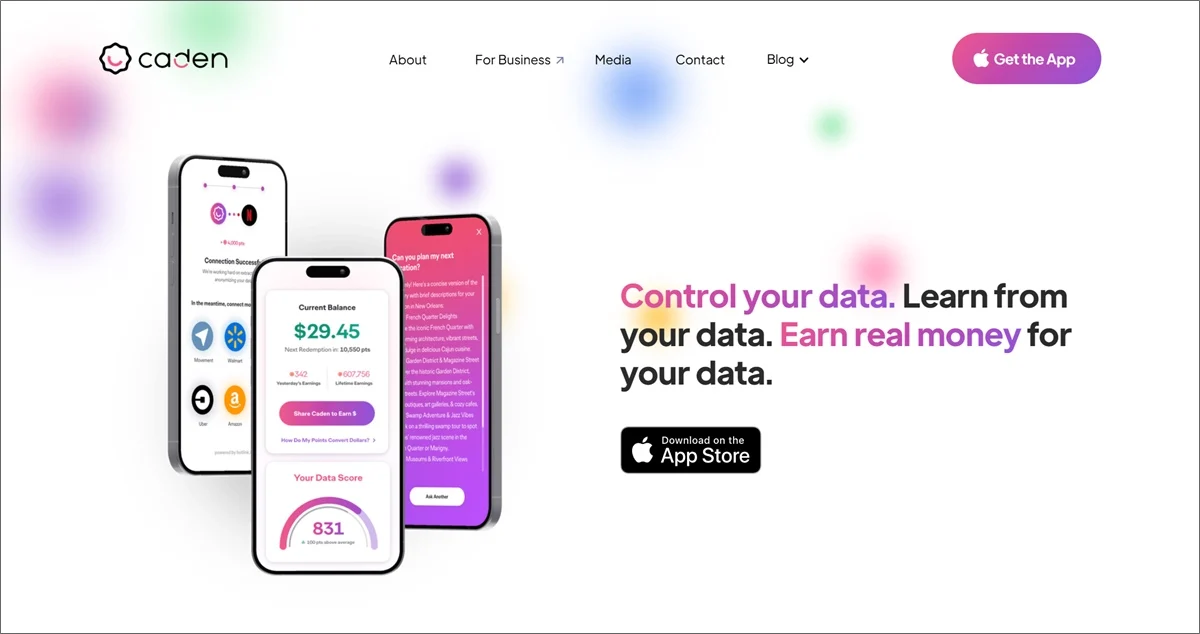
In the digital age, data has become the most valuable commodity on the planet, often described as the "new oil." Every time you perform a Google search, scroll through a social media feed, or navigate via GPS, you are generating bits of information that big tech companies aggregate, analyze, and sell to advertisers. For decades, this exchange has been one-sided: users provided the raw material—their personal data—for free, while corporations reaped billions in profits.

However, a shift is underway. As big data continues to grow into an industry projected to reach a staggering $516 billion by 2031, a new market is emerging that empowers individuals to reclaim a share of that value. By leveraging specialized platforms and apps, you can now monetize the digital footprint you create every day.

The Evolution of Personal Data Monetization
The concept of "selling your data" has evolved from fringe experimentation to a mainstream side hustle. In the past, companies like Nielsen built empires by tracking television viewership to inform advertising rates. Today, that model has migrated to your smartphone, laptop, and even your shopping receipts.

The average person generates approximately 146MB of data daily. Previously, this information was harvested silently by third-party cookies and background app processes. Today, transparent, opt-in services are bridging the gap, offering direct compensation in exchange for permission to track usage patterns, location history, and consumer habits.

Top Platforms for Monetizing Your Data
To maximize your potential earnings, it is essential to understand which platforms offer the most value for the least amount of effort.

1. Nielsen Pulse
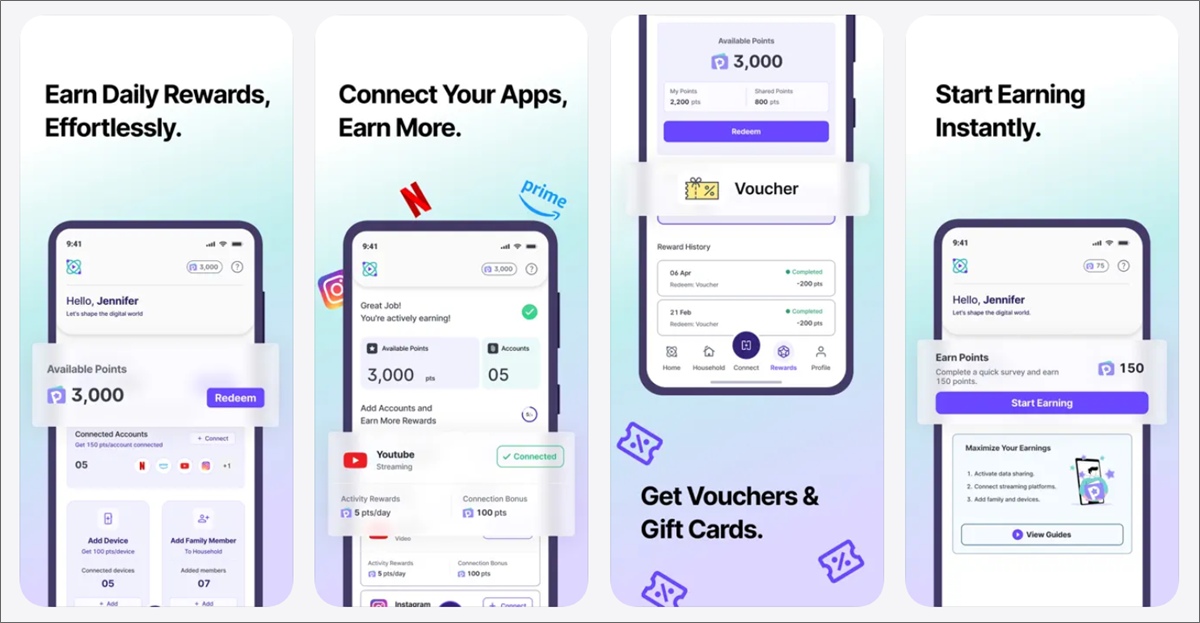
Nielsen, a household name in market research, has modernized its approach. Through Nielsen Pulse, users can earn significant rewards by connecting their devices. The platform pays approximately $3 per month for each connected device, with the potential to earn $18 per month for connecting your television. This results in an annual payout of roughly $250, provided you maintain the connection.
2. Nielsen Computer & Mobile Panel
For those looking for a "set it and forget it" solution, the Nielsen Computer & Mobile Panel is a low-maintenance option. By installing the app on your computer, smartphone, and tablet, you allow the company to track your internet usage. In return, you earn points redeemable for gift cards. While users should be aware that such background applications may slightly impact device performance, the annual earnings of up to $60 represent a passive income stream for minimal effort.

3. Fetch
Fetch has revolutionized the receipt-scanning market. Unlike traditional coupon apps, Fetch rewards you for every grocery receipt you scan, regardless of the store or the specific products purchased. By partnering with brands, Fetch incentivizes the purchase of specific items, but the core value remains in the data provided by your shopping habits. Users typically earn $10–$20 per year, though active shoppers can significantly increase this amount through bonus point offers.

4. Pogo
The Pogo app offers a unique approach by utilizing location and transaction data. By linking your bank account and enabling location services, Pogo tracks your spending and movement to provide personalized rewards. It is an ideal tool for those who already use digital payment methods, with estimated annual earnings of $5–$20.

5. MobileXpression
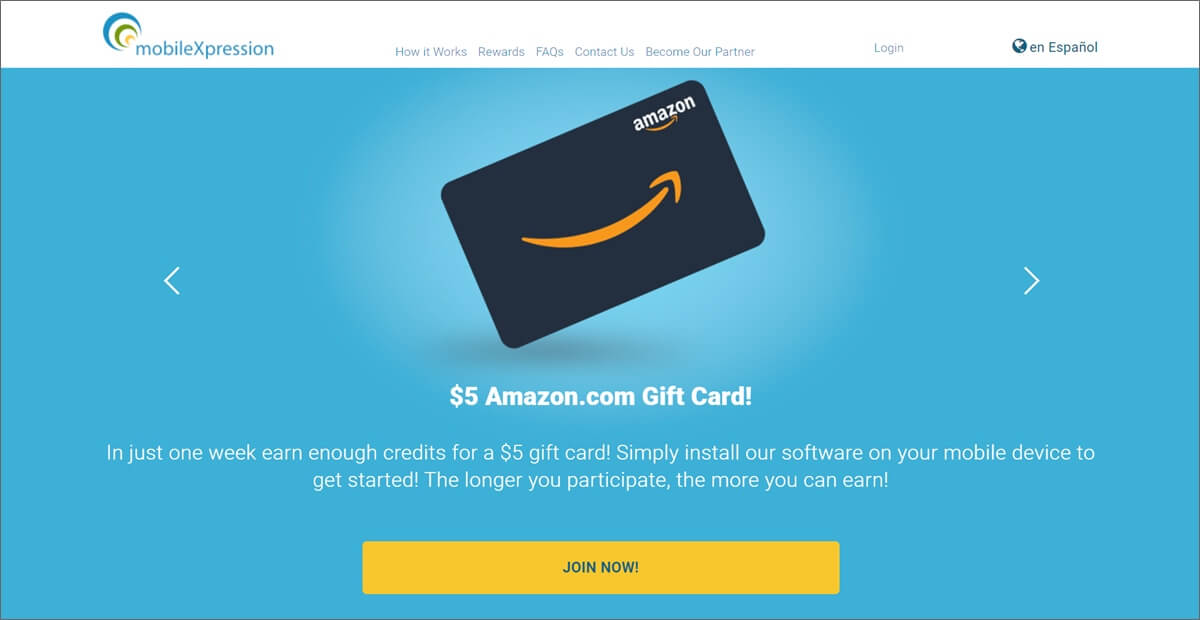
Backed by the publicly traded research firm Comscore, MobileXpression has a proven track record of legitimacy. The app monitors smartphone usage habits and rewards participants with weekly credits. New users often qualify for a $5 Amazon gift card shortly after joining, making it an accessible entry point into data monetization.
6. SavvyConnect
The SavvyConnect VIP program is designed for users who want to monetize their browsing habits. By installing their secure software on your desktop or mobile devices, you can earn up to $5 per month per device. With a multi-device setup, users can realistically secure $180 per year in passive earnings.

7. Honeygain
For those with unlimited internet data plans, Honeygain is a popular, albeit different, model. It allows users to share their "unused net traffic" with data scientists who use the bandwidth for various web-based operations. While earnings can reach $50 per month, it is crucial to ensure you are on an unlimited plan, as the app can consume significant bandwidth.

Supporting Data and Financial Implications
While these platforms offer a legitimate way to earn extra cash, it is vital to manage expectations. The total potential income for a user participating in all the aforementioned programs is roughly $500 per year.

Why Companies Pay for Your Data
The primary motivation for these companies is market research. They are not interested in the identity of "you" as an individual, but rather in the aggregate trends of "people like you." Advertisers and developers use this data to:

- Understand consumer spending cycles.
- Optimize product placement in retail environments.
- Improve user experience for mobile applications.
- Refine digital advertising strategies.
Professional Perspectives and Industry Standards
Privacy advocates and cybersecurity experts often raise concerns about data security. It is important to note that reputable companies like Nielsen and Comscore utilize anonymized data. When choosing a platform, always prioritize those that are transparent about their privacy policies and data usage.

According to financial analysts, the "Data-for-Cash" model is likely to expand as blockchain technology and decentralized identity solutions become more prevalent. Future iterations of these platforms may offer more robust data-ownership rights, potentially increasing the market value of an individual’s digital output.

Strategic Alternatives to Data Monetization
If the privacy trade-offs of data-tracking apps do not align with your preferences, there are higher-paying alternatives that still leverage your consumer behavior:

Consumer Research Studies
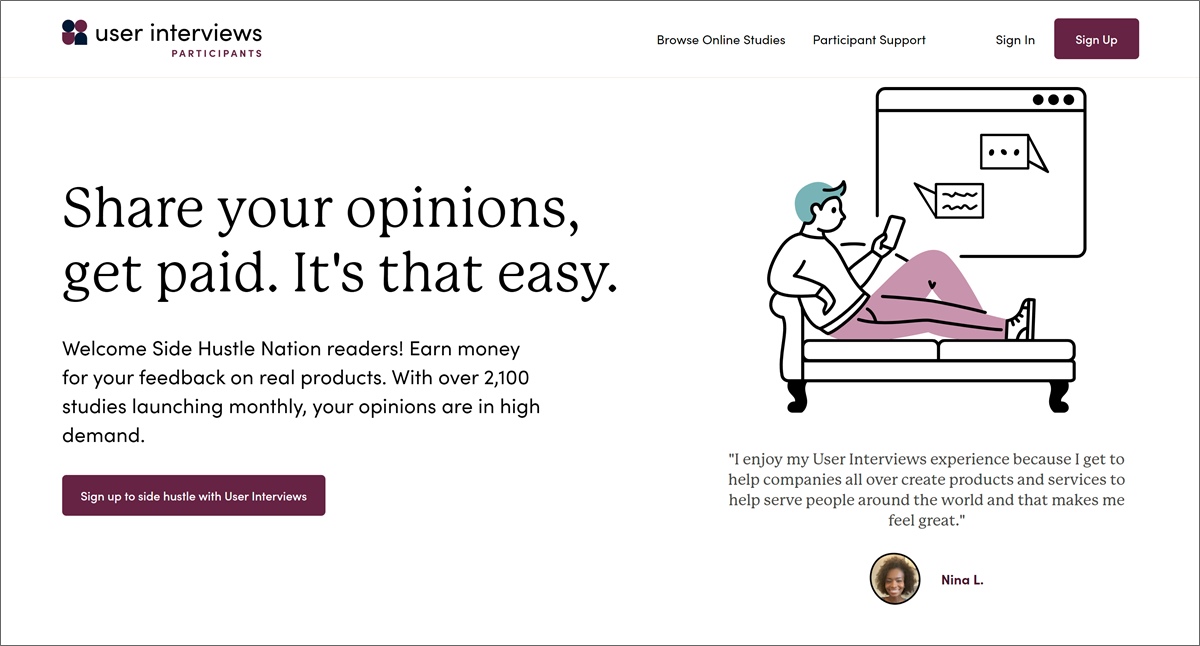
Platforms like UserInterviews.com connect participants with organizations conducting in-depth market research. These focus groups and interviews often pay significantly more than passive data apps, sometimes ranging from $50 to $200 per study, depending on the complexity and industry.
Strategic Credit Card Usage
While technically not "selling" data, optimizing credit card rewards is a form of monetizing your spending habits. By using cards with high cash-back rates or sign-up bonuses, you effectively earn money back on every dollar spent. This requires financial discipline but offers a much higher ROI than most data-collection apps.

Real Estate Investing
For those looking to transition from small-scale side hustles to long-term wealth building, platforms like Arrived allow individuals to purchase shares of rental properties for as little as $100. This removes the barrier to entry for real estate investment and provides potential passive income through dividends.

Reselling Furniture Returns
As a Sharetown representative, you can monetize the logistical challenges of direct-to-consumer furniture brands. By picking up and reselling returned items, representatives can earn $150–$250 per transaction. This is a high-effort, high-reward model that moves beyond the digital realm.

Conclusion: Is Your Data Worth It?
Monetizing your data is a personal decision that hinges on your comfort level with digital tracking. For many, the ability to earn $500 a year by simply running background apps while shopping or browsing is a low-friction way to offset monthly expenses.

If you choose to proceed, prioritize platforms with long-standing reputations and transparent policies. Always review the terms of service to understand exactly what information is being shared. As the digital economy continues to grow, your data will only become more valuable—ensuring that you are compensated for it is not just a side hustle; it is a smart financial strategy for the modern era.

Disclaimer: The information provided in this article is for educational purposes only. Always conduct your own due diligence before signing up for financial services or sharing personal information online. The author is not a financial advisor.
 rifanmuazin
  Asep Darmawan