
 By Ali Ikhwan
Buying low and selling high is the fundamental engine of the global economy. From the massive logistics networks of Amazon and Walmart to the local garage sale enthusiast, the principle remains unchanged: value is created in the movement of goods from a place of low demand to a place of high demand. For the modern side hustler, "flipping" has evolved from a simple hobby into a sophisticated, scalable business model that can generate significant monthly income.

This comprehensive guide explores the mechanics of product flipping, the most profitable items to target, and the strategies required to turn your spare time into a lucrative revenue stream.

The Economics of Reselling: How It Works
At its core, product flipping is an exercise in arbitrage. You are essentially bridging the gap between a seller who wants to offload an item quickly and a buyer who is willing to pay a premium for convenience, rarity, or accessibility.

The Low-Risk Entry Point
Unlike starting a traditional brick-and-mortar business, flipping requires minimal capital. Many successful resellers begin by liquidating items from their own homes—decluttering while earning cash. Once the initial "inventory" is sold, the proceeds can be reinvested into higher-value goods.

Key Factors for Success
- Market Demand: Always focus on items with a proven history of sales. Check "Sold" listings on eBay or search trends on Google to ensure you aren’t buying inventory that will sit on a shelf indefinitely.
- Logistics and Storage: Bulky items like furniture or appliances offer high profit margins but require dedicated space and reliable transportation. Smaller items like jewelry or trading cards are easier to store and ship but often face more competitive pricing.
- Expertise: The most successful flippers stick to niches they understand. Whether it is vintage tech, designer clothing, or rare books, knowing the authentic versus the imitation is your competitive advantage.
Top 10 High-Profit Product Categories
1. Bed-in-a-Box Mattress Returns
The "reverse logistics" market has exploded alongside the popularity of online-only mattress companies. With 100-night trial periods, thousands of nearly-new mattresses are returned annually. Companies like Sharetown act as intermediaries, dispatching local representatives to pick up, clean, and resell these returns. This is a low-risk model because you often don’t pay for the inventory until it is sold. Experienced reps report earning $3,000 to $4,000 per month part-time.

2. Furniture Restoration
The demand for high-quality, solid-wood furniture is constant. While modern "fast furniture" is disposable, vintage pieces are built to last. Many sellers, particularly those moving, are desperate to offload heavy pieces quickly. With a bit of sanding, staining, or new hardware, you can significantly increase the resale value of a piece found for a fraction of its retail price.

3. Sports and Exercise Equipment
Home gyms, treadmills, and high-end exercise bikes are perennial favorites. These items are notoriously difficult for owners to move or store, leading them to list them at bargain prices. Well-maintained golf clubs, hockey gear, and mountain bikes also retain their value exceptionally well for buyers entering a new hobby.

4. Musical Instruments
Instruments are often purchased with high hopes and abandoned after a few months of use. Guitars, drum kits, and keyboards are frequent finds at thrift stores and estate sales. Because these items are highly collectible and have specific brand value, a single guitar flip can net hundreds of dollars in profit.

5. Power Tools
New professional-grade power tools (DeWalt, Milwaukee, Makita) are expensive. Contractors and hobbyists often offload these tools after a project is finished or when upgrading to a newer model. Because buyers search by specific brand and model number, these items move quickly on local marketplaces.

6. Baby and Kid Gear
Children outgrow gear faster than parents can replace it. High-end strollers, car seats (ensure they meet safety regulations), and activity centers are expensive when new. Budget-conscious parents are always looking for gently used, clean, and functional equipment. Pro tip: target grandparents, as items used infrequently at their homes are often in pristine condition.

7. Limited Edition Sneakers
Sneaker culture is a multi-billion dollar industry fueled by artificial scarcity. By purchasing shoes at retail price during a "drop" and reselling them immediately, resellers can capture massive premiums. Successful sneaker flippers can net thousands of dollars monthly by leveraging the pre-existing fan bases of brands like Nike or Jordan.

8. Books and Textbooks
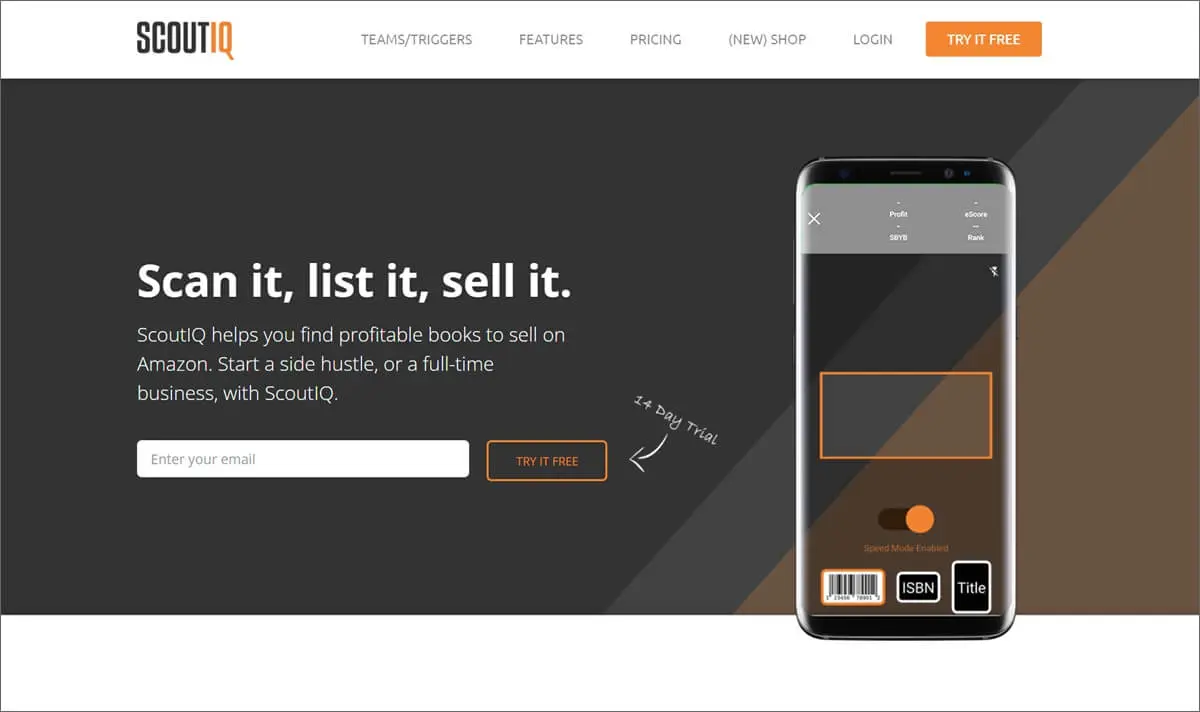
While digital media is dominant, the market for physical books remains robust. Textbooks, hard-cover non-fiction, and first editions are particularly lucrative. Apps like ScoutIQ allow resellers to scan barcodes in real-time at thrift stores to determine the Amazon resale value, making it easier than ever to identify "hidden gems."

9. Vintage Electronics
There is a thriving market for retro tech, including Nintendo consoles, original MacBooks, and even VHS/Betamax tapes. Collectors value these items for their nostalgia, while others seek them out for specific features no longer present in modern devices. Always check platforms like Swappa or eBay to verify current market rates before purchasing.
10. Commercial Equipment
Perhaps the most lucrative, though most difficult, category involves industrial-grade items like scissor lifts, pizza ovens, or commercial lawnmowers. These items are bulky and specialized, meaning sellers are often highly motivated to get rid of them. A single flip in this category can easily net several thousand dollars.

Logistics: Where to Sell
Once you have sourced your inventory, choosing the right platform is critical:

- eBay: The gold standard for collectibles, vintage items, and rare goods with a global reach.
- Facebook Marketplace: Best for local, bulky items like furniture or appliances where shipping is impractical.
- Etsy: Ideal for vintage clothing, jewelry, and unique handmade or retro items.
- Swappa/Gazelle: Specifically designed for electronics and mobile devices.
Implications of the Resale Economy
The growth of the resale market—projected to reach $70 billion by 2027—has significant implications for both consumers and the environment. By extending the lifecycle of products, resellers contribute to a circular economy, reducing the amount of waste sent to landfills.

However, resellers must be aware of the "hidden costs." Shipping, platform fees, storage units, and taxes can quickly eat into profit margins. It is essential to treat your flipping operation as a formal business: maintain meticulous records of your expenses and earnings, and consider using a dedicated business credit card to track your transactions and earn rewards.

Conclusion
Product flipping is not a "get-rich-quick" scheme; it is a business that rewards persistence, research, and a keen eye for value. Whether you are browsing a local flea market on a Saturday morning or managing a digital storefront, the opportunity to scale your income is limited only by your dedication.

Start small, focus on categories that interest you, and prioritize items that move quickly. With every successful flip, you gain the experience needed to take on more complex, higher-value transactions. As you build your inventory and your reputation, you will find that the ability to identify value where others see junk is a skill that pays dividends for a lifetime.

Disclaimer: This article is for informational purposes. Always research current market trends and ensure you are in compliance with local regulations and tax laws regarding reselling in your jurisdiction.
 Nana Muazin
  Sagoh
Sagoh  rifanmuazin