
 By Lina Hope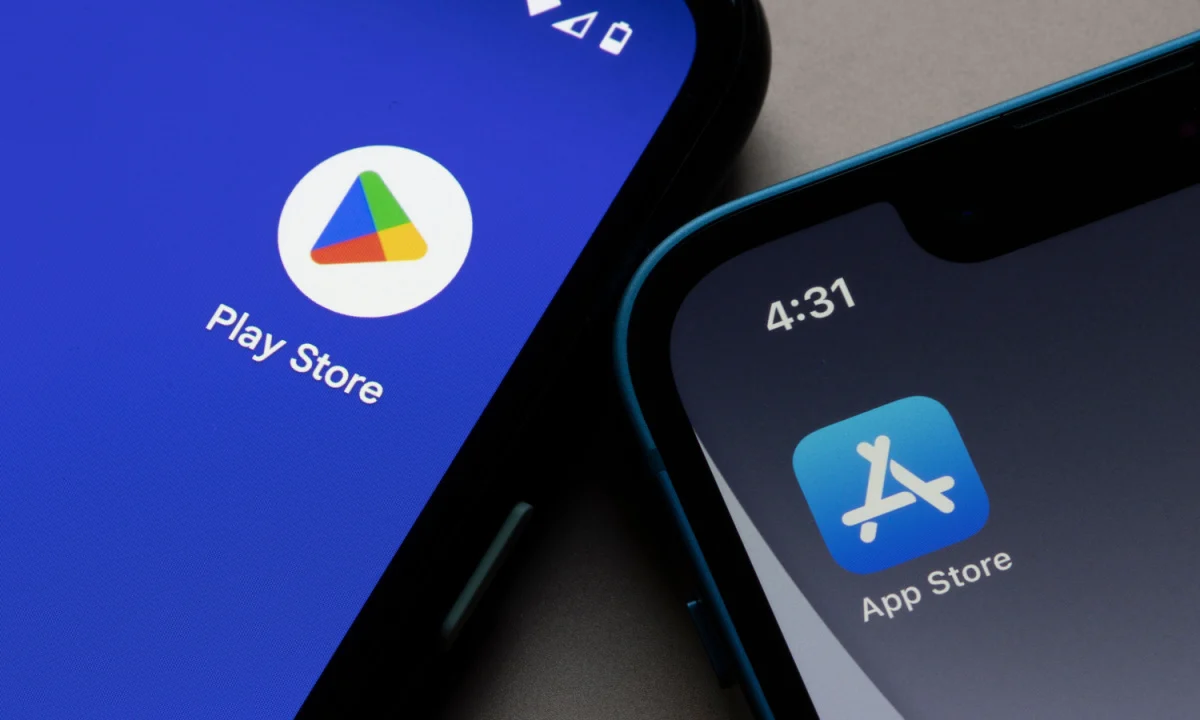
By PYMNTS | June 30, 2026
In a landmark move that could fundamentally reshape the mobile ecosystem, the United Kingdom’s Competition and Markets Authority (CMA) has unveiled a sweeping set of proposals aimed at curbing the dominance of Apple and Google. On Tuesday, June 30, 2026, the watchdog announced new requirements that would force the tech giants to permit app developers to steer users toward third-party payment methods, effectively challenging the "walled garden" approach that has defined the smartphone era for over a decade.
The proposal marks a significant escalation in the global regulatory campaign against the world’s most powerful digital platforms. By targeting the intersection of payment processing and Near Field Communication (NFC) access, the CMA is positioning the U.K. at the vanguard of a movement designed to foster competition, lower costs for developers, and ultimately provide consumers with a more transparent and diverse digital marketplace.
The Core Proposal: Dismantling the "Walled Garden"
At the heart of the CMA’s initiative is the desire to break the ironclad link between app installation and mandatory payment processing. Currently, Apple’s App Store and Google’s Play Store require developers to use their proprietary in-app purchase (IAP) systems, which charge significant commissions—often ranging from 15% to 30%.
The CMA’s proposal seeks to lift restrictions that prevent developers from communicating alternative payment options to their users. According to the regulator, this is not merely a matter of convenience; it is an economic necessity for a healthy digital market.
"We think it is important to give both app developers and users more choice about how they communicate and how they transact," said Will Hayter, Executive Director for Digital Markets at the CMA. "This is not only because choice is inherently valuable, but also because we see this as the best way to introduce some competitive pressure in a vital part of the mobile ecosystem that is otherwise sorely lacking such pressure."
The watchdog expects that by allowing developers to steer users to external payment gateways, the associated fees would naturally drop below current levels. These savings, the CMA suggests, could then be passed on to British consumers in the form of lower prices or reinvested by developers into their own businesses, fueling further innovation.
Expanding Access: The NFC Battleground
Beyond payments, the CMA is taking aim at the hardware restrictions that have long hindered the growth of independent FinTechs. The regulator is currently designing a requirement that would mandate Apple and Google to provide third-party developers access to their devices’ Near Field Communication (NFC) functionality.
For years, developers have complained that Apple’s "high fees and strict terms" have barred them from accessing the NFC chips inside iPhones. By restricting this hardware, Apple has effectively ensured that its own digital wallet, Apple Pay, remains the primary option for contactless payments on its devices.
The CMA’s proposed mandate would allow British FinTech companies and independent developers to support contactless transactions—such as card-based payments via third-party digital wallets—directly from within their iOS and Android apps.
"Doing so would help unlock innovation and competition by supporting future payment methods such as account-to-account, digital currency and stablecoin, as well as other non-financial uses, including digital ID and car keys," the CMA noted in its announcement.
Chronology: A Global Regulatory Tsunami
The CMA’s proposal does not exist in a vacuum. It is the latest chapter in a multi-year, global conflict between regulators and the "Big Tech" duopoly.
- 2023–2024: Mounting pressure in the European Union and the United States sets the stage. Apple begins facing investigations regarding its "tap-and-go" payment technology, leading to minor concessions in specific jurisdictions.
- 2025: Antitrust litigation gains momentum in the U.S. Meanwhile, the European Commission, under the Digital Markets Act (DMA), begins a rigorous enforcement phase, forcing Apple and Google to justify their fee structures to developers.
- Late 2025: Apple releases a report boasting that its App Store facilitated $1.4 trillion in developer sales during 2025, emphasizing that 90% of transactions occur without commission. The report is widely viewed as a preemptive defense against upcoming regulatory actions.
- June 29, 2026: Apple intensifies its legal battle in India, challenging the country’s antitrust investigation into its App Store policies.
- June 30, 2026: The U.K. CMA releases its formal proposal, signaling a new, more aggressive phase of regulation that includes structural changes to hardware access.
Official Responses and Corporate Counter-Narratives
As expected, the tech giants have pushed back, citing security and user experience as their primary concerns.
Apple, in a statement provided to the Financial Times, argued that the CMA’s proposals would "undermine the App Store’s consumer protections." The company claimed that allowing third-party payment steering and open NFC access would "open the door to scams, bait-and-switch tactics and the circumvention of parental controls." Apple’s position remains that its proprietary ecosystem is a curated, safe environment that protects users from malicious software and fraudulent billing.
Google, meanwhile, took a more measured tone, noting that it had already begun reducing its fees in various regions in response to prior regulatory pressure. However, the company has yet to commit to the sweeping changes requested by the U.K. authorities, indicating that the path to implementation will likely involve significant legal and administrative negotiations.
The Broader Implications: What Does This Mean for the Market?
The CMA’s move carries profound implications for the future of the digital economy.
1. The Death of the 30% Commission?
If the CMA succeeds, the "standard" 30% commission rate on digital goods may soon become a relic of the past. If developers can route users to lower-cost, third-party payment processors, Apple and Google will be forced to compete on price, potentially leading to a permanent reduction in the costs of app-based subscriptions and digital goods.
2. The Rise of "Super-Apps" and Independent Wallets
By opening NFC access, the U.K. is effectively inviting banks and independent payment platforms to create their own "mobile wallet" experiences that can compete directly with Apple Pay and Google Pay. This could lead to a surge in specialized apps that handle everything from transit ticketing to secure government-issued digital IDs, all integrated into a single, user-friendly interface.
3. A Precedent for Global Standards
The U.K. has historically acted as a bellwether for global competition policy. If the CMA’s requirements are implemented, other nations may follow suit, creating a "Brussels/London effect" where the regulatory standards set in Europe and the U.K. become the global default for how Apple and Google operate.
4. The Innovation Paradox
Critics of the regulation, including Apple leadership like CEO Tim Cook, argue that by breaking down these walls, the industry risks damaging the "boundless creativity" of the ecosystem. The argument is that the platform’s control is what allows for a seamless, secure, and profitable experience for millions of small developers. Whether the market sees a rise in innovation or a rise in security risks remains the central debate.
Conclusion
As the U.K. enters a period of public consultation on these proposals, the battle lines are clearly drawn. For Apple and Google, the challenge is to preserve the integrity of their platforms while satisfying a growing list of global regulators. For the CMA, the goal is to prove that the mobile economy can remain secure while operating in an open, competitive, and decentralized manner.
The outcome of this intervention will likely dictate the structure of the digital economy for the next decade. As developers, consumers, and tech giants brace for the coming changes, one thing remains clear: the era of unchecked control over mobile payments and hardware is rapidly drawing to a close. Whether this leads to a new golden age of innovation or a fragmentation of the user experience is a question that will only be answered as these new requirements move toward enforcement.
 Azzam Bilal Chamdy
  rifanmuazin
  Asro
Asro 