
 By Layla Zulfa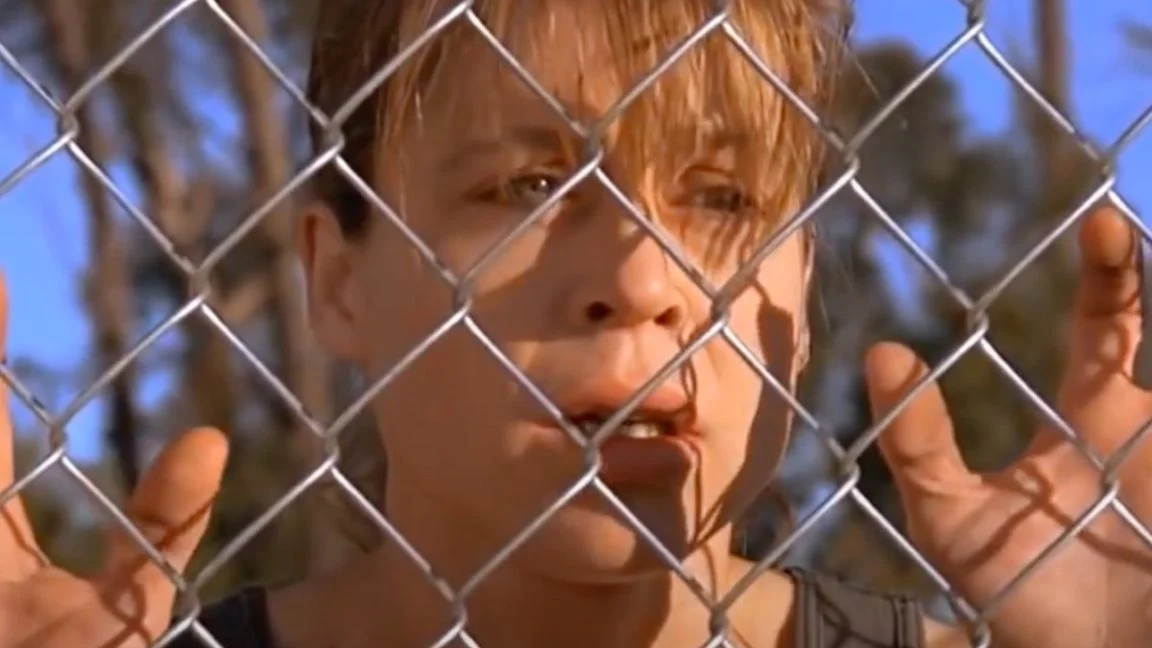
In a move that has reignited the fierce debate surrounding digital ownership, Sony has notified its PlayStation customers in the United Kingdom that they will lose access to hundreds of movies and television shows previously purchased through the PlayStation Store. Due to expiring content licensing agreements with the production and distribution powerhouse StudioCanal, users will no longer be able to stream 551 specific titles as of September 1, 2024.
This development underscores a growing anxiety among digital consumers: the realization that "purchasing" a digital product is often merely a long-term rental subject to the whims of corporate licensing contracts. As Sony moves to purge these titles from user libraries, the gaming community is once again grappling with the fragility of digital media in an era where physical ownership is rapidly declining.
The Scope of the Removal
According to a legal notice published on the official PlayStation website, the removal will impact a diverse range of cinematic works. Among the 551 titles slated for deletion from user libraries are cult classics, family favorites, and high-profile blockbusters.
The list of affected titles includes, but is not limited to:
- Paddington and Paddington 2
- Pan’s Labyrinth
- Terminator 2: Judgment Day
- Rambo 3
- The Boy in the Striped Pajamas
- Outrage: Way of the Yakuza
For many users, these purchases represent a significant financial investment. While Sony has not yet issued a blanket statement regarding refunds, the precedent for such mass removals suggests that affected customers may be left with voided digital licenses and no compensation for the loss of their access.
Chronology: A History of Licensing Instability
The current situation in the United Kingdom is not an isolated incident. It is, rather, the latest chapter in a long-standing tension between digital platforms and content distributors.
2021: The Discovery Shift
The issue first gained mainstream attention when Sony announced it would remove Discovery content from libraries. At that time, thousands of users faced the sudden disappearance of purchased seasons, sparking a public relations crisis for the gaming giant.
2023: The Discovery Reprieve
Following significant backlash from the consumer base and advocacy groups, Sony managed to strike a last-minute deal with Discovery, reversing the decision and allowing users to retain access to their libraries. This established a hope among the community that the current StudioCanal notice is a "negotiating tactic" rather than a final decree.
June 2024: The StudioCanal Announcement
The issue surfaced again in late June 2024, when eagle-eyed users and outlets like PlayStation LifeStyle discovered the updated legal notice on Sony’s regional UK support page. The notice explicitly set a September 1 deadline, marking the start of the current countdown toward content deletion.
Supporting Data: The Fragility of "Ownership"
To understand the implications of this removal, one must examine the legal framework of digital storefronts. When a user clicks "Buy" on the PlayStation Store, they are technically purchasing a "revocable, non-exclusive, non-transferable license" to view content, rather than owning a digital asset in the same way one owns a physical DVD or Blu-ray disc.
Licensing Dependencies
The digital distribution model relies entirely on third-party licensing agreements. Companies like Sony act as the retailer, while production houses like StudioCanal act as the rights holders. When a contract between these two entities expires—and if those terms are not renewed—the retailer is legally obligated to cease distribution and, in some cases, remove the content from existing users’ accounts.
The Scale of Impact
While 551 titles represent a fraction of the total library on the PlayStation Store, the impact on individual users can be profound. For a user who has spent hundreds of pounds building a curated collection of films, the loss of access constitutes a total degradation of value. Unlike a physical store, where a product is yours until you lose or destroy it, digital storefronts function under a "lease-until-further-notice" paradigm.
Official Responses and Corporate Strategy
Sony’s official position remains anchored in the language of its legal notices. The company maintains that these removals are a direct result of expiring content licensing agreements. By citing these agreements, Sony shifts the responsibility to the content creators and distributors, positioning itself as a platform provider bound by the constraints of external legal obligations.
However, industry analysts suggest that these "deadlines" are often used as leverage during contract negotiations. By announcing a removal, a platform can signal to the content provider that the content is no longer viable for the platform, or it can attempt to force the provider’s hand into a more favorable licensing rate.
As of the time of writing, StudioCanal has not issued a public statement regarding the potential renewal of these licenses. The silence from both parties leaves the UK consumer base in a state of limbo, with less than three months to determine whether they will permanently lose access to their media.
Implications: The Future of Digital Media
The decision to pull content from consumer libraries has broad implications for the future of entertainment and digital commerce.
The Erosion of Consumer Trust
Every time a major platform removes purchased content, consumer confidence in digital storefronts erodes. If a user cannot be certain that their digital library will exist five years from now, they are less likely to purchase digital goods. This could lead to a resurgence in physical media or a shift toward subscription-based models (like Netflix or Disney+), where the consumer expects only temporary access.
The Call for Legislation
Consumer advocacy groups are increasingly calling for legislative action to protect digital buyers. Proposed regulations often focus on "Right to Repair" or "Right to Ownership" laws, which would mandate that if a company can no longer provide access to a purchased product, they must provide a full refund or a permanent, offline-capable file to the user. As it stands, there is very little legal recourse for a UK consumer whose digital library is wiped.
The Case for Physical Media
The StudioCanal situation is serving as a catalyst for a "physical media revival." Collectors and casual viewers alike are expressing a renewed appreciation for disc-based media, which remains immune to the expiration of cloud-based licensing agreements. The independence of a physical disc from a centralized server is becoming a primary selling point in a world of volatile digital licenses.
Conclusion: A Waiting Game
As September 1 approaches, the PlayStation user base in the UK remains in a state of uncertainty. There is a strong possibility that Sony will follow the path taken in 2023—negotiating a renewal of the license at the eleventh hour and rescinding the removal notice.
However, even if the content is saved, the incident serves as a stark reminder of the realities of the digital age. The convenience of streaming and digital downloads comes with a hidden, ongoing cost: the surrender of true ownership. For now, users can only monitor the PlayStation support pages for updates and hope that the "Paddington" collection and other favorites remain in their libraries when autumn arrives.
For the broader tech industry, this episode should serve as a warning. As companies continue to push for a digital-only future, the necessity for robust consumer protection and transparent licensing practices has never been more urgent. Until then, the "buy" button remains a fragile promise in an increasingly ephemeral digital landscape.
 Azzam Bilal Chamdy
  Sagoh
Sagoh  Muslim