
 By Pevita Pearce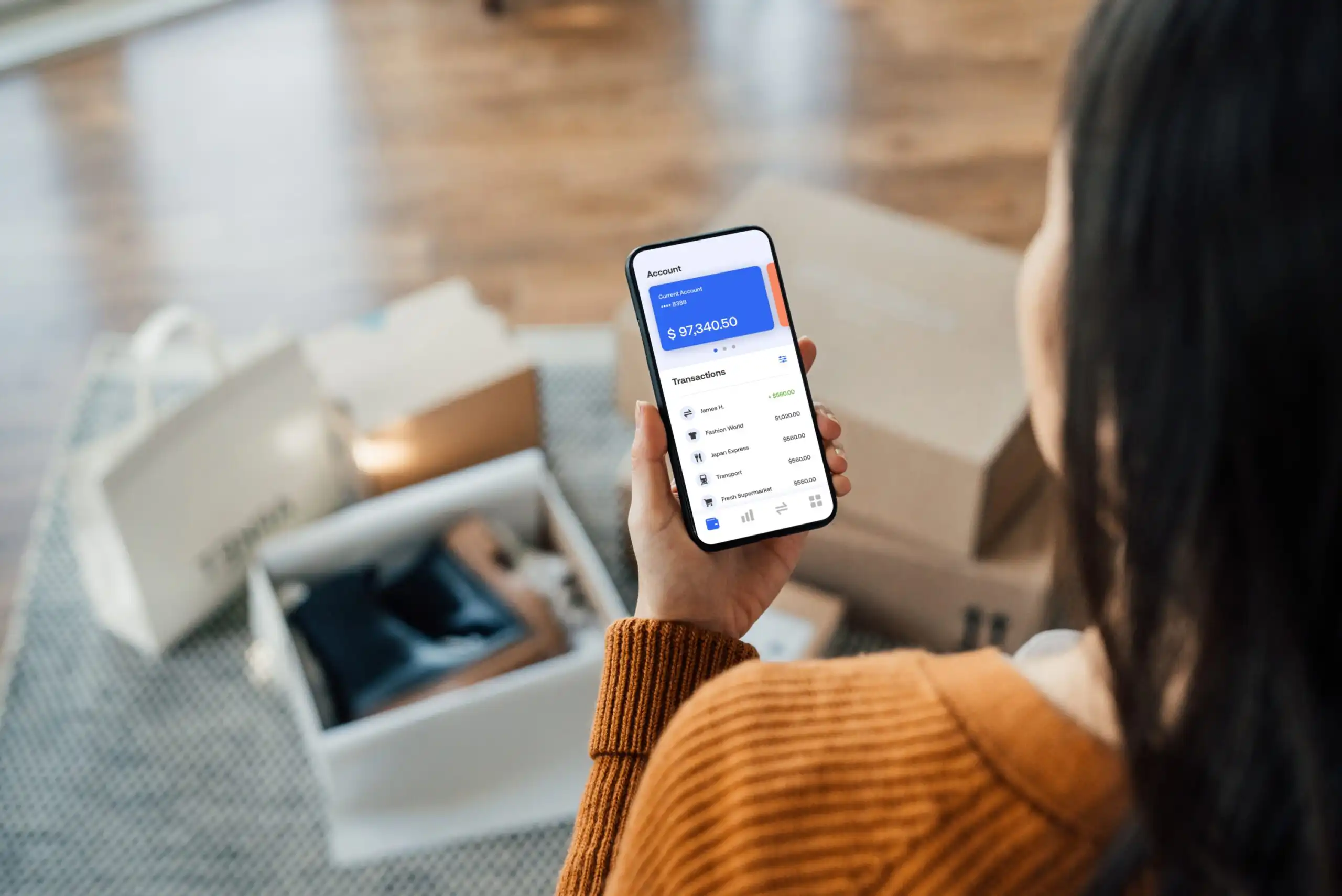
In an era where convenience is king, the traditional "brick-and-mortar" banking experience is undergoing a radical transformation. Consumers are increasingly migrating away from physical branches in favor of digital-first financial institutions. The best online banks today provide a sophisticated balance of high Annual Percentage Yields (APYs), minimal fee structures, and intuitive digital tools that turn routine banking into a proactive wealth-building strategy.
By leveraging lower overhead costs compared to legacy institutions, online banks are passing significant value back to the consumer. This guide examines the leading contenders in the digital banking space, the factors driving their success, and what you need to consider before making the switch.
The Landscape of Digital Banking: Main Facts
Modern online banking is no longer a niche service; it is a full-fledged financial ecosystem. Whether you are seeking a high-yield savings account (HYSA), a rewards-based checking account, or a comprehensive financial management platform, digital banks now offer products that frequently outperform traditional "Big Four" banks in interest rates and fee transparency.
The primary value proposition of an online bank is simple: efficiency. Without the need to maintain expensive physical real estate, pay for large branch staffs, or manage vast paper-based workflows, these institutions offer higher interest rates on deposits and fewer predatory fees.
Chronology of the Online Banking Shift
The evolution of digital banking can be viewed through three distinct phases:
- The Incubation Period (Late 1990s – Early 2000s): Early adopters began experimenting with basic internet banking portals. These were often secondary appendages to traditional banks, designed primarily for viewing balances rather than executing complex transactions.
- The Disruption Phase (2010 – 2020): The rise of fintech startups and the proliferation of smartphones changed consumer expectations. Institutions like Ally and Capital One 360 proved that a branchless model could offer competitive services, prompting a wave of mergers and the emergence of "neobanks."
- The Integration Era (2021 – Present): We have entered a stage where banking is deeply integrated into the "lifestyle" of the consumer. Features like real-time budgeting, early direct deposit, and AI-driven financial advice have become the standard expectation rather than a premium feature.
Top-Tier Digital Institutions: A Comparative Analysis
1. Axos Bank: Best Overall
Axos Bank’s Axos ONE bundle represents the pinnacle of modern integrated banking. By merging checking and savings into one fee-free package, it simplifies cash flow management. Users can earn up to 4.21% APY on savings and 0.51% APY on checking, provided they meet specific monthly direct deposit or balance requirements. With 95,000+ fee-free ATMs, it provides greater physical access than many traditional giants.
2. Alliant Credit Union: Best Credit Union
Alliant differentiates itself by being member-owned. As a credit union, it prioritizes dividends for its members over profits for shareholders. With a massive network of 80,000 ATMs and a comprehensive suite of banking products, it remains the gold standard for those who prefer the credit union philosophy but require modern digital access.
3. CIT Bank: High Yield Specialist
CIT Bank is favored by savers looking for top-tier interest rates. Their Platinum Savings and Savings Connect accounts are consistently among the most competitive in the market. Additionally, their "No Penalty" CD products allow for liquidity—a rarity in the fixed-income banking space—by waiving early withdrawal fees.
4. GO2bank: Best for Rewards
For the consumer focused on daily utility, GO2bank stands out. It offers up to 7% cash back on eGift card purchases and a competitive 4.50% APY on savings balances up to $5,000. It is an ideal choice for those who view their debit card as a tool for incremental savings and rewards.
5. Quontic: Innovation Leader
Quontic Bank has bridged the gap between legacy community banking and cutting-edge tech. They introduced the world’s first wearable debit card (the Quontic Pay Ring) and offer high-yield checking that rewards active users. Their commitment to diversity in lending, including specialized home loans for foreign nationals, sets them apart from the crowd.
Supporting Data: Why Digital Banks Outperform
The economic argument for switching to an online bank is rooted in data. Traditional banks often pay a national average APY that sits well below 0.50%, as they must offset the cost of maintaining thousands of branches. In contrast, top online banks frequently offer rates that are 10 to 20 times higher than the national average.
Furthermore, the "fee-free" model has become a baseline requirement for market competitiveness. While traditional banks often charge monthly maintenance fees, overdraft fees, and low-balance penalties, online banks have largely stripped these away, arguing that their digital infrastructure allows for lower operating costs.
Official Responses and Security Protocols
A common concern among prospective digital banking customers is safety. The primary defense against risk is FDIC insurance. Whether you choose a traditional bank or a digital one, ensure the institution is FDIC-insured. This provides protection for up to $250,000 per depositor, per ownership category, in the event of a bank failure.
Leading online banks have also adopted "bank-level" security measures, including:
- Multi-Factor Authentication (MFA): Requiring secondary verification for logins.
- Biometric Security: Using facial recognition or fingerprint scanning via mobile apps.
- Encrypted Data Transmission: Protecting personal information from interception during online sessions.
Some institutions, such as Axos Bank, have even partnered with the IntraFi Network to provide expanded FDIC insurance coverage, demonstrating an proactive approach to risk management that exceeds federal requirements.
Implications for the Modern Consumer
The shift to online banking has profound implications for financial autonomy.
1. Increased Financial Mobility:
Because these accounts are not tied to a specific geographic location, your money moves with you. This is vital for the growing population of remote workers and digital nomads.
2. Proactive Wealth Management:
The integration of real-time budgeting tools, automated savings "buckets" (as seen with Ally Bank), and early direct deposit access empowers users to manage their cash flow with precision. You are no longer waiting for a monthly statement to understand your financial health; it is available in your pocket, 24/7.
3. The "Hybrid" Compromise:
For those who are not ready to fully abandon physical banking, institutions like Capital One 360 offer a hybrid model. By maintaining a select number of branches and cafes, they provide a safety net for those who occasionally require in-person teller services while delivering the high-yield benefits of an online-only bank.
Conclusion: How to Choose Your Digital Partner
Selecting the best online bank is not a one-size-fits-all process. Before opening an account, perform a self-assessment based on these three criteria:
- Liquidity Needs: Do you need frequent access to cash? If so, prioritize banks with large ATM networks or fee-reimbursement programs.
- Savings Goals: Are you looking to park cash for a high yield, or are you looking for an operational account for daily spending?
- Tech Literacy: Are you comfortable navigating sophisticated mobile apps? Ensure the bank’s digital interface aligns with your personal tech-savviness.
The era of the local branch as a prerequisite for safety and service has ended. Today, the most secure and profitable banking experiences are found in the cloud. By carefully evaluating the institutions listed above, you can align your banking choices with your long-term financial objectives, ensuring that every dollar you deposit is working as hard as you are.
 Evan Lee Salim