
 By Layla Zulfa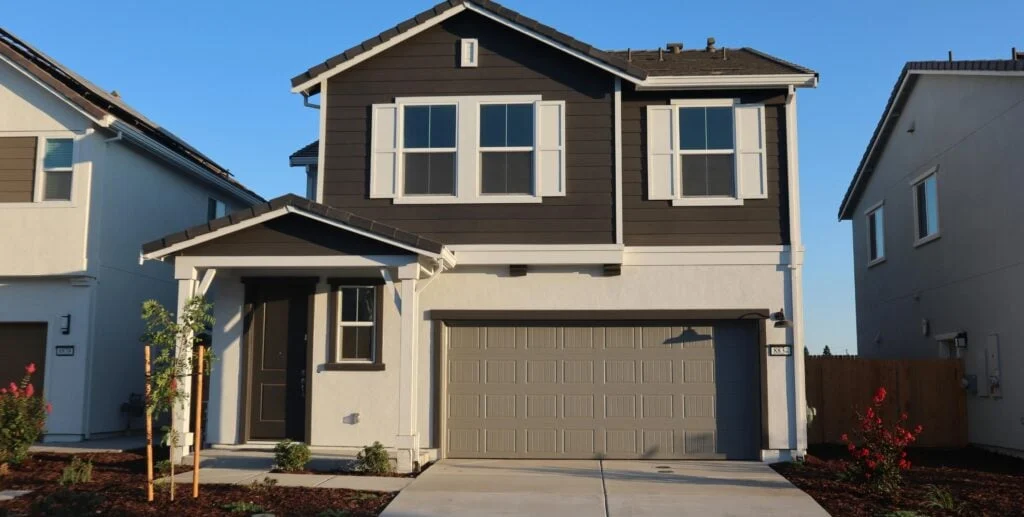
After 23 years in the real estate trenches, the definition of "success" looks vastly different to me today than it did when I was a 22-year-old working for a hard money lender. Back then, I believed that sweating over property renovations, dealing with finicky tenants, and managing city inspectors were the badges of honor required to build wealth. I was wrong.
My journey began with a series of hard-fought, often painful lessons. By my late 30s, I realized that my early investment strategy—which was heavy on active labor and light on systems—had left me with more headaches than equity. I made the difficult decision to wipe the slate clean, selling off my portfolio to start over. This reset was the best professional decision I ever made. Leveraging what I learned from both my failures and my eventual climb to a $1 million net worth in under seven years, I have developed a blueprint for how I would approach the market if I were starting today.
The Chronology of an Investor’s Evolution
To understand where I am now, one must look at the arc of my career. My early years were defined by "active" real estate—the kind where you are the property manager, the project manager, and the debt collector. At 24, I purchased my first rental property, fueled by the energy of youth and the ignorance of a beginner.
For the next decade, I was entrenched in the grind. I learned the hard way that owning rentals is not a passive endeavor; it is a high-stress side hustle. I was sued twice, dealt with countless contractor disputes, and spent far too many weekends navigating the bureaucracy of permit offices. By my late 30s, I hit a turning point. I had spent ten years living overseas, which provided a unique perspective on wealth building and free housing. I returned to the U.S. with a clear vision: the future of real estate is not in the manual labor of landlording, but in the intelligent, passive allocation of capital.
Foundation Strategy: The Power of "Free Housing"
If I were to start over today, my first move would be to eliminate my largest monthly expense: housing. House hacking is not just a trend; it is the most potent wealth-accelerator for the modern investor.
In my early 30s, I rented out spare bedrooms to housemates I found on Craigslist. That strategy allowed me to live for "free," directing 100% of my surplus income into wealth-building vehicles. Today, despite being married with a daughter, I still advocate for a two-unit property purchase. By living in one unit and renting out the other, you effectively neutralize your mortgage, allowing your savings rate to reach levels that would otherwise be impossible. This strategy provides more than just financial relief; it serves as a "first-year" education in the realities of property management, tenant relations, and the inherent stresses of the industry.
The Shift: Why Passive Investing Trumps Active Hustle
The common narrative in real estate is that you must be "active" to succeed. You must source deals, oversee renovations, and manage operations. However, active investing requires a mastery of dozens of micro-skills—from plumbing diagnostics to local tax code compliance—that few people are equipped to handle effectively.
Furthermore, the liability associated with active ownership is rarely discussed by novices. When you sign a personal guarantee on a loan or serve as a landlord, you are exposing yourself to significant legal and financial risk. I learned this the hard way after being sued twice.
Today, my strategy is strictly passive. I identify, vet, and invest in real estate syndications or funds where the heavy lifting is handled by professional operators. The process is simple: I evaluate the deal, wire the funds, and let the professionals execute the business plan. This shift has not only preserved my time but has allowed me to diversify across dozens of cities and property types, mitigating the risk inherent in any single project.
Strategic Collaboration: Real Estate as a Team Sport
Investing is often framed as a solo endeavor, but the most successful investors treat it as a team sport. I am currently part of a co-investing club that has fundamentally changed my approach to risk management.
Every month, our group reviews new deals. We invite the operators to present their projects, grill them on their assumptions, and then hold a private session to dissect the potential pitfalls. By pooling our resources, we can participate in large-scale commercial deals that would be inaccessible to us individually. This community-driven approach provides a level of due diligence that is impossible to achieve in isolation. Before I commit to any new operator, I leverage the collective knowledge found in communities like the BiggerPockets forums to verify their track record.
The Financial Engine: Dollar-Cost Averaging in Real Estate
One of the most dangerous traps for new investors is the "all-in" mentality. Many believe they must deploy $50,000 to $100,000 at once to enter a deal. This often leads to poor timing and unnecessary market exposure.
I have adopted a dollar-cost averaging strategy. Instead of looking for the "perfect" moment to invest a lump sum, I commit smaller amounts—typically $2,500 or more—into a new deal every month. This approach mimics the discipline of stock market index investing. It smooths out the peaks and valleys of market cycles and removes the emotional pressure of trying to time the market. Because I invest in a club, our collective capital allows us to reach institutional-grade projects while I maintain a low, consistent entry point.
Tax Strategy: Navigating the Complexities
Real estate remains one of the most tax-advantaged asset classes in existence. To maximize returns, I have become highly strategic about how I structure my investments:
- Cost Segregation: I favor operators who perform cost segregation studies, which allow for accelerated depreciation. This often results in significant tax write-offs in the first year of the investment.
- The "Lazy" 1031 Exchange: Rather than navigating the rigid, high-pressure timelines of traditional 1031 exchanges, I utilize a simpler strategy: reinvesting capital into new equity deals within the same calendar year to offset gains.
- High-Yield Income: For investments that lack tax benefits, such as secured notes, I prioritize those with high cash-on-cash yields, ensuring the income outweighs the tax burden.
The Path for Aspiring Entrepreneurs
For those who want to turn real estate into a full-time business rather than a passive side-income stream, two paths stand out. First, cosponsoring deals allows you to earn a share of the profits by raising capital for experienced syndicators. It is a lower-risk entry point into the world of large-scale development.
Second, wholesaling remains a viable business model, particularly for those with the time to hunt for off-market deals. By identifying distressed properties and selling them to active investors, you can generate the cash flow necessary to eventually hold properties for your own long-term portfolio (the BRRRR method).
Implications of the Current Market
We are currently witnessing a fascinating market cycle. Following the 2022-2023 correction, where multifamily values plummeted by 25% to 30%, we are seeing a shift toward a buyer-friendly environment. While the recovery is underway, there is still significant upside for those who are prepared to act.
Furthermore, in an inflationary environment, real assets—like well-located real estate—have historically outperformed almost every other asset class. They possess intrinsic value that hedges against the erosion of currency.
After eight years of this new, passive-first strategy, I hold an interest in over 5,000 units across the country. I do not spend my weekends managing them, nor do I deal with leaking pipes. I have built a machine that generates income while I focus on my family and my future. If you are starting today, my advice is simple: stop trying to be the hero of your own renovation project. Become the architect of your own passive income stream.
 Asep Darmawan
  Basiran
  Muslim