
 By rifanmuazin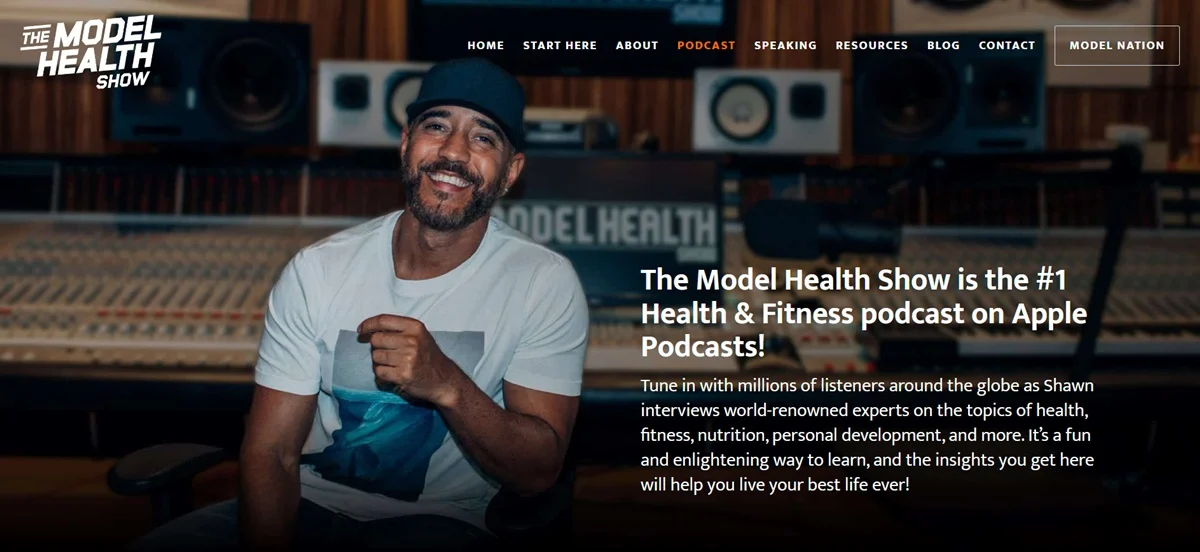
In an era where the “gig economy” has become a cornerstone of modern financial strategy, the intersection of health and wealth has never been more lucrative. Whether you are looking to supplement your primary income, transition into a new career, or simply turn your daily workout routine into a profitable venture, the fitness industry offers a diverse array of opportunities.

"Personal profitability" is no longer just about cutting costs; it is about leveraging your physical activity and expertise to build secondary income streams. From high-touch personal training to the passive scalability of content creation, here is how you can transform your fitness journey into a thriving side hustle.

1. Professional Fitness Instruction: The Gold Standard
The most direct path to monetizing fitness is through direct service. Personal training remains the industry standard, though the barrier to entry varies significantly.

Certification vs. Experience
While some local gyms and boutique studios require official certifications—such as those from NASM or ACE—many private clients prioritize experience and results over credentials. If you are starting from scratch, obtaining a certification provides immediate credibility and helps you secure liability insurance, which is essential for protecting your assets.

Scaling Through Digital Presence
The future of fitness is hybrid. By moving beyond the gym floor, you can reach a global audience. Coaches like April Whitney, who developed a niche strength training program specifically for petite women, demonstrate that specialization is the key to high-margin earnings. By moving her services online, Whitney generated $1,000 in monthly recurring revenue, proving that your unique perspective is a marketable asset.

2. Competitive Sports Coaching and Officiating
If your background lies in organized sports, there is a constant demand for qualified coaches and officials at the youth and recreational levels.

- Coaching: Platforms like CoachUp allow you to set your own rates, with many private coaches earning an average of $45 per hour. Beyond digital platforms, local school districts and community centers are frequently seeking seasonal help.
- Officiating: For those who know the rulebook, officiating is a high-demand, active side hustle. With an average pay rate of $25 per hour, it serves as an excellent way to stay close to the game while earning steady supplemental income.
3. The Digital Fitness Landscape: Content and Influence
The digital age has democratized the ability to influence health and wellness. By building a digital footprint, you can transition from an hourly worker to a business owner.

Building a Niche Website
A website acts as the "home base" for your brand. By creating high-quality, long-form content—such as product comparisons, nutritional advice, or workout plans—you can tap into affiliate marketing, ad revenue, and the sale of digital products. Tami Smith of MomsDoWellness is a prime example of this model; by leveraging her background as a certified personal trainer, she successfully scaled her site to generate upwards of $20,000 per month.

YouTube and Podcasting
Video and audio content allow for deeper audience connection. While blogging requires strong SEO skills, YouTube offers a faster "discovery" mechanism through its recommendation engine. Once you reach specific subscriber and watch-time metrics, you can monetize through the YouTube Partner Program.

Similarly, podcasting allows you to build a loyal community. Because the production cost of an episode is the same whether you have 100 listeners or 100,000, the scalability is virtually limitless. Shows like The Model Health Show illustrate how niche expertise can lead to significant sponsorship opportunities.

4. The "Passive" Hustle: Self-Publishing and Digital Assets
Self-publishing is arguably the most efficient way to turn expertise into a recurring asset.

The Economics of Writing
Physical therapists and nutritionists often write guides to solve specific pain points for their clients. A book like Sciatica: Low Back Pain Relief not only generates royalties but serves as a "business card" that can lead to lucrative speaking engagements or consulting work. With Amazon’s KDP program, authors can collect a 70% royalty on digital sales, providing a passive income stream that continues to pay long after the manuscript is finished.

5. Logistics and Lifestyle: Pet Care and Specialized Services
Not every fitness side hustle requires a certification in kinesiology. Sometimes, the most effective fitness strategy is simply increasing your daily movement.

- Dog Walking: Platforms like Rover have revolutionized the pet care industry. By turning a walk around the neighborhood into a billable service, you can earn upwards of $1,000 per month.
- Parking Lot Cleanup: Entrepreneurs like Brian Winch have turned simple, manual labor into six-figure operations. By equating a litter-picking service to a “paid walk,” he highlights the potential for high-margin, low-overhead physical work.
- Instacart: Grocery delivery apps require physical stamina to navigate aisles and transport goods. This service provides a "daily pay" feature, making it ideal for those who need immediate liquidity.
6. The Gamification of Fitness: Getting Paid to Lose
One of the most innovative trends in the industry is the rise of "fitness wagering." Services like HealthyWage and StepBet tap into behavioral psychology to incentivize weight loss and activity.

How It Works
These platforms function as a "bet on yourself." You define a goal, commit a wager, and if you meet your objective, you split the pot with other winners. This not only encourages personal health but also offers a tangible financial reward. For many, this provides the necessary accountability to stick to a fitness regimen while simultaneously creating a financial incentive to stay the course.

7. Implications: Why This Matters
The rise of the fitness-related side hustle has profound implications for both individual health and the broader economy.

The Health-Wealth Loop
When you monetize your fitness, you create a "feedback loop." You are incentivized to maintain your own health because your livelihood depends on it. This leads to higher energy levels, better mental clarity, and, ultimately, more productivity in your primary career.

Professionalization of the Gig Economy
As these platforms mature, the gig economy is becoming increasingly professionalized. Writers, coaches, and content creators are no longer just hobbyists; they are building brands that can eventually be sold or transitioned into full-time ventures.
Conclusion: Taking the First Step
The barrier to entry for these side hustles has never been lower. Whether you choose to leverage your expertise as a coach, your voice as a podcaster, or your stamina as a delivery driver, the tools are readily available.

The most successful side hustlers are those who take action rather than waiting for the "perfect" plan. Begin by identifying one area where your interest in fitness overlaps with a market need. Whether it’s starting a blog, listing your services on Upwork, or simply signing up for a walking app, the key is to start small and scale as you gather momentum.

Your fitness journey is already a valuable asset—it is time to start collecting the dividends.
 Nana Muazin