
 By Pevita Pearce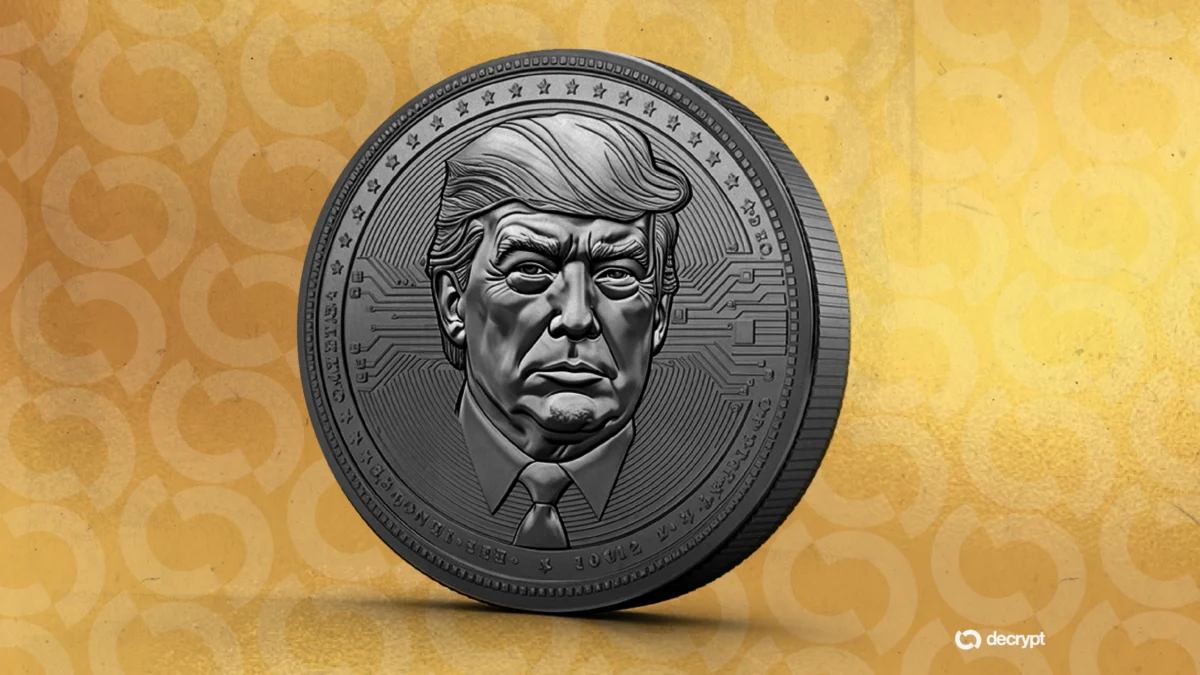
Main Facts: A New Frontier of Political Ethics
The landscape of American political ethics is facing an unprecedented challenge as the worlds of high-stakes decentralized finance and executive-level governance collide. Following a recent financial disclosure revealing that former President Donald Trump earned more than $1.2 billion from various cryptocurrency-related endeavors over the past year, New York Senator Kirsten Gillibrand has launched a high-profile legislative offensive.
The Senator is calling for an immediate and comprehensive ban on the issuance and promotion of digital assets—specifically including "meme coins"—by elected officials and their spouses. The disclosure, which sent shockwaves through both Washington and Wall Street, highlighted a staggering $635 million profit derived from a single Solana-based meme coin associated with the former President.
Gillibrand’s proposal aims to close what she describes as a "self-dealing" loophole that allows public servants to leverage their massive social and political platforms to influence highly volatile, unregulated markets. The crux of the issue lies in the unique nature of meme coins: digital assets that often lack intrinsic utility and derive their value almost entirely from social media hype and community sentiment. When such assets are tied to a figure as influential as a President or a Member of Congress, the potential for market manipulation and conflicts of interest reaches a critical threshold.
Chronology: From Skepticism to a Billion-Dollar Crypto Portfolio
The evolution of the intersection between the Trump brand and the cryptocurrency market has been rapid. To understand the urgency of Senator Gillibrand’s current legislative push, one must look at the timeline of events that led to this billion-dollar disclosure.
2019–2021: The Era of Skepticism
During his presidency, Donald Trump was famously skeptical of digital assets. In 2019, he tweeted that he was "not a fan of Bitcoin and other Cryptocurrencies," citing their volatility and potential for facilitating "unlawful behavior." At the time, the administration’s stance was largely aligned with traditional banking oversight.
2022–2023: The NFT Pivot
The narrative began to shift following Trump’s departure from the White House. In late 2022, he launched his first series of digital trading cards (NFTs) on the Polygon blockchain. Despite initial mockery from critics, the collection sold out within hours, signaling a massive untapped revenue stream. This was followed by subsequent "Series" releases, which further solidified his presence in the Web3 space.
2024: The Meme Coin Explosion and Financial Disclosure
In the early months of 2024, the "Trump" brand became inextricably linked with the Solana ecosystem. While several "community-led" meme coins used his likeness, the recent disclosure indicates a direct financial benefit from specific tokens. This culminated in this week’s filing, which revealed the $1.2 billion total earnings, with more than half of that sum attributed to a single Solana-based asset.
Simultaneously, Senator Gillibrand has been working on the "Clarity Act," a market structure bill intended to provide a regulatory framework for the crypto industry. In May 2024, she signaled that the bill’s progress was contingent on the inclusion of strict ethical guardrails. However, as the bill moved through the Senate Committee later that month, these specific provisions remained a point of intense negotiation.
Supporting Data: Breaking Down the $1.2 Billion Windfall
The scale of the earnings reported in the recent disclosure is virtually unprecedented for a political figure. To put the $1.2 billion figure into perspective, it is necessary to examine the components of this digital wealth.
The Solana Factor
The most significant portion of the earnings—$635 million—came from a Solana-based meme coin. Solana has become the preferred blockchain for meme coin launches due to its high throughput and low transaction fees. Unlike Bitcoin or Ethereum, which are viewed as "digital gold" or "computational layers," meme coins on Solana often experience 1,000% gains followed by total collapses. For a public official to hold or issue such an asset creates a scenario where a single tweet or public statement could result in hundreds of millions of dollars in personal gain.
NFT Royalties and Licensing
Beyond the meme coins, the disclosure highlighted significant income from "licensing fees" related to NFT projects. These royalties provide a continuous stream of passive income every time a digital card is resold on a secondary market like OpenSea or Magic Eden. This creates a perpetual financial interest for the official in the continued hype of the product.
The Comparison to Traditional Assets
Historically, ethics concerns for politicians centered on stock trading. In 2023, the total volume of stock trading by Members of Congress was estimated in the hundreds of millions, but individual profits rarely touched the billion-dollar mark within a single year. The $1.2 billion crypto windfall represents a quantum leap in the potential for wealth accumulation while in or seeking public office, dwarfing traditional dividends or capital gains from the S&P 500.
Official Responses: The Call for "Commonsense" Reform
Senator Gillibrand’s response has been characterized by a blend of pro-innovation rhetoric and a demand for strict ethical boundaries. As one of the most pro-crypto Democrats in the Senate, her criticism carries significant weight, as it cannot be easily dismissed as "anti-tech" sentiment.
Senator Kirsten Gillibrand’s Statement
In a formal press release, Gillibrand emphasized the necessity of public trust. "This is a commonsense requirement that should get broad bipartisan support—public officials and their spouses should not be issuing meme coins," she stated. She further argued that the integrity of the financial system is at stake: "We cannot let self-dealing destroy an opportunity to strengthen consumer protections, crack down on illicit finance, and expand economic opportunity for the millions of Americans our financial system has left behind."
The Bipartisan Ethical Charge
Gillibrand has been building a track record of targeting what she views as insider advantages. Earlier this year, she partnered with Republican colleagues to crack down on prediction markets, where members of the White House and Congress were allegedly profiting from "insider information" regarding policy shifts and election outcomes. Her current push against meme coins is an extension of this "anti-insider" philosophy.
The Opposition and Industry Silence
While the Trump campaign has not yet issued a detailed rebuttal to the $1.2 billion figure, supporters often argue that these earnings are a result of private entrepreneurial success and brand licensing, similar to real estate deals. Within the crypto industry, the reaction is mixed. Some fear that banning politicians from the space will lead to further "de-banking" of the industry, while others believe that removing the "circus" of political meme coins is necessary for the industry to be taken seriously by institutional investors.
Implications: The Future of Crypto Legislation and Political Ethics
The revelation of Trump’s crypto earnings and Gillibrand’s subsequent legislative push have profound implications for the future of American governance and the digital asset market.
1. The Fate of the Clarity Act
The "Clarity Act" is the most significant piece of crypto legislation currently on the table. It aims to define which assets are securities and which are commodities. However, Galaxy researchers recently slashed the odds of the bill passing this year to 50-50. The primary obstacle is no longer the technical content of the bill, but the lack of legislative time and the growing friction over ethics provisions. If Gillibrand insists on the "Trump provision" as a prerequisite for her support, the bill could stall indefinitely, leaving the industry in a state of regulatory limbo.
2. Redefining "Insider Trading"
The volatile nature of meme coins means that "insider information" takes on a new meaning. In the stock market, an official might know about a pending regulation. In the meme coin market, the official is the market. A politician’s endorsement is the fundamental driver of the asset’s value. Gillibrand’s proposal seeks to recognize that for digital assets, social capital is directly convertible into financial capital, necessitating a update to the STOCK Act (Stop Trading on Congressional Knowledge Act).
3. Consumer Protection and "Rug Pulls"
Meme coins are notoriously associated with "rug pulls," where creators exit the market after pumping the price, leaving retail investors with worthless tokens. If a token associated with a high-ranking official were to crash, the resulting public outcry could lead to aggressive, reactionary legislation that might stifle legitimate blockchain innovation. By banning the issuance of these coins by officials, Gillibrand argues she is protecting the average consumer from being used as "exit liquidity" for political elites.
4. The Precedent for Future Candidates
As younger, "crypto-native" generations enter politics, the issue of digital asset holdings will become a standard part of vetting and disclosures. The current controversy sets the precedent for how these assets will be treated. Will they be viewed as blind trusts, or will they be seen as active tools of influence?
Conclusion
The disclosure of President Trump’s $1.2 billion crypto earnings has moved the conversation from the fringes of the internet to the floor of the United States Senate. Senator Gillibrand’s call for a ban on political meme coins represents a pivotal moment in the attempt to modernize ethics laws for the digital age. As the Clarity Act hangs in the balance, the coming months will determine whether Washington can successfully separate the transformative potential of blockchain technology from the perceived "self-dealing" of its most powerful players. For now, the "meme coin" remains a potent symbol of the high-stakes, high-volatility intersection of modern wealth and political power.
 Nila Kartika Wati
  Azzam Bilal Chamdy