
 By Reynand Wu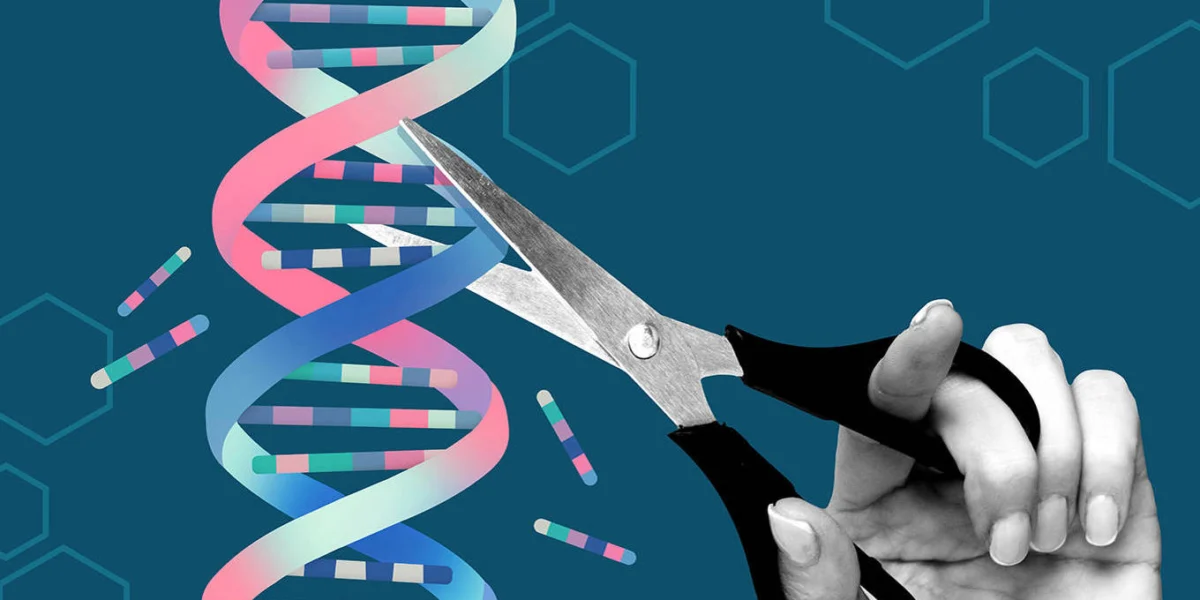
By Daron Acemoglu
July 6, 2026
BOSTON — We stand at a precipice in human history. For millennia, the lottery of birth—the arbitrary distribution of genetic traits—has been the great equalizer, or at least the great randomizer, of the human condition. Today, that randomness is being dismantled. Genetic-engineering tools capable of designing progeny are no longer the domain of science fiction; they are operational, increasingly potent, and accelerating at a pace compounded by the integration of Artificial Intelligence (AI).
As we integrate these technologies, we face an existential policy question: Will genetic enhancement be a tool for universal human flourishing, or will it catalyze a permanent, biological caste system? In the absence of decisive, equitable policy interventions, we are hurtling toward a tiered society in which economic privilege is no longer merely social or financial, but deeply, irrevocably biological.
Main Facts: The Convergence of CRISPR and AI
The current technological landscape is defined by the convergence of two distinct but mutually reinforcing revolutions: gene editing and machine learning. Technologies such as CRISPR-Cas9 have provided the "scissors" to edit the human germline, but the complexity of the human genome has historically acted as a constraint.
AI has shattered that constraint. By mapping the complex interactions between polygenic traits—those influenced by multiple genes—AI models can now predict phenotypic outcomes with unprecedented accuracy. These tools allow for the selection and potential modification of embryos to optimize for health outcomes, physical endurance, and even cognitive capacity. While the current market for "designer babies" is largely focused on pre-implantation genetic testing (PGT) to avoid hereditary diseases, the progression toward elective enhancement is technically inevitable under current market trajectories.
Chronology of a Biological Revolution
- 2012: The debut of CRISPR-Cas9 technology marks the first time gene editing becomes accessible, affordable, and highly precise.
- 2018: The "He Jiankui affair" reveals the first germline-edited babies, sparking global outrage but proving that the technical barrier for human modification had been breached.
- 2023–2024: The integration of large language models (LLMs) and biological simulation software allows researchers to model the impact of genetic edits on complex human traits, moving beyond simple single-gene disorders.
- 2026: The current moment. Commercial entities begin offering "polygenic risk scoring" and embryo selection services that go beyond medical necessity, catering to high-net-worth individuals seeking "optimized" offspring.
Supporting Data: The Cost of Inequality
The danger lies in the high barrier to entry. Currently, advanced genetic screening and reproductive technologies cost tens of thousands of dollars per attempt, placing them well beyond the reach of the global middle class, let alone the impoverished.
According to data on reproductive health economics, the "premium" for elective genetic screening is currently rising by approximately 15% annually. If this trend continues, we anticipate a divergence in human capital development. Children born to families with the means to invest in biological optimization will possess a systemic advantage in health longevity, resistance to disease, and—depending on the pace of neuro-genetic research—cognitive endurance.
If these advantages are not democratized, the "meritocracy" becomes a myth. When success is baked into the DNA of the wealthy, the social contract—the idea that talent and hard work are the primary drivers of success—will effectively dissolve.
Official Responses and Ethical Stances
The global regulatory response has been fractured. While the World Health Organization (WHO) and various national bioethics commissions have issued moratoriums on heritable human genome editing, the enforcement mechanisms remain weak.
- The Regulatory Laissez-Faire Approach: Proponents of the "biotech-first" school argue that regulation stifles innovation and that these technologies will eventually follow the path of cell phones—becoming cheaper and more ubiquitous over time.
- The Ethical Precautionary Stance: Conversely, many bioethicists argue that the "marketization of human life" represents an irreversible moral error. They point to the potential for unforeseen epigenetic consequences that could plague future generations.
- The Public Health Argument: Some policymakers, notably those in Northern Europe, have begun to discuss treating genetic health as a public good. The argument is that if we are to use these tools, they must be subsidized and regulated as public health interventions, ensuring that all citizens—regardless of wealth—can benefit from the eradication of hereditary disease.
Implications: A Tiered Society
The implications of failing to act are profound. We are not merely talking about economic inequality, which can be mitigated through taxation and education; we are talking about biological stratification.
1. The Erosion of Social Mobility
If the "elite" are biologically distinct from the "masses," social mobility will cease to exist. Education and environment, the historical levers of advancement, will be unable to overcome the gap created by baseline biological differences. We risk creating a society where the divide between the "enhanced" and the "natural" becomes a new, insurmountable class barrier.
2. The Devaluation of Human Diversity
A society that optimizes for specific "desirable" traits risks a catastrophic loss of neurodiversity and genetic resilience. By narrowing the range of human experience to fit a specific aesthetic or intellectual mold, we may inadvertently weaken our species’ ability to adapt to unforeseen environmental or social challenges.
3. The Rebirth of Eugenics
Even if done under the banner of "parental choice," the aggregation of these individual choices creates a societal trend toward eugenics. When millions of parents choose the same "optimal" traits, the diversity of the human gene pool shrinks, and the pressure to conform to these norms will become a new form of societal coercion.
The Path Forward: A Call for Equitable Policy
The path forward is not to ban the technology—an effort that will fail as it has in every other instance of technological disruption—but to institutionalize it as a public health imperative.
If genetic engineering is to exist, it must be subject to a "Universal Access" mandate. By treating germline intervention as a medical necessity provided by the state, we can prevent the creation of a tiered society. This requires:
- Strict Global Governance: Establishing an international body to oversee the ethics of germline editing, similar to the International Atomic Energy Agency (IAEA) for nuclear energy.
- Public Funding of Research: Moving away from a purely commercialized model to one where the focus is on the prevention of debilitating genetic conditions, rather than elective enhancement.
- Broad Societal Consensus: We cannot allow a small group of Silicon Valley entrepreneurs and private clinics to decide the biological future of our species. The debate must be brought into the public square, involving ethicists, scientists, and the general public.
The technology for our own evolution is now in our hands. We have the tools to cure diseases that have plagued humanity for ages, but we also possess the tools to destroy the very foundation of human equality. The choice between a future of shared, enhanced health and a future of permanent biological division is not a technical one—it is a political one. We must decide, before the first generation of "optimized" citizens comes of age, what kind of human future we are willing to build.
If we remain passive, we will find that we have not just engineered our children, but we have engineered ourselves out of the possibility of a fair and democratic society. The time for global policy intervention is not tomorrow; it is now.
 Iffa Jayyana
  Layla Zulfa
  Azzam Bilal Chamdy