
 By Basiran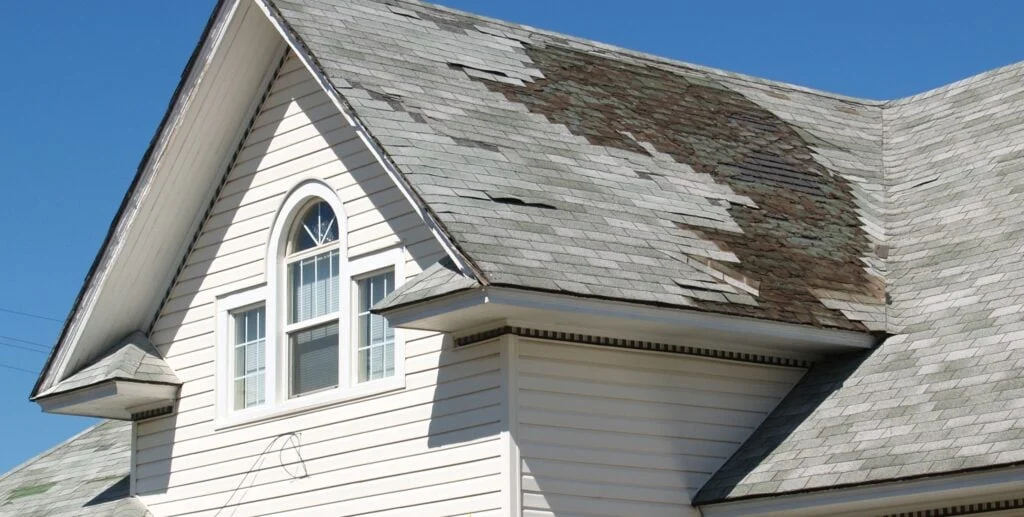
For real estate investors, the roof is more than just a structural necessity—it is the primary line of defense for the asset. However, a significant shift in federal policy has fundamentally altered the economics of property protection. A recent directive from the Federal Housing Finance Agency (FHFA) has effectively signaled to lenders that they no longer need to mandate "replacement cost" coverage for roofs on properties backed by Fannie Mae and Freddie Mac. Instead, these entities will now accept "Actual Cash Value" (ACV) policies.
While framed by policymakers as a tool to lower monthly mortgage payments and improve housing affordability, the change places a potentially devastating financial burden squarely on the shoulders of landlords. For the unprepared investor, this "common-sense" policy update could lead to five-figure repair bills, effectively wiping out years of hard-won cash flow in a single storm season.
The Specifics: From Replacement Cost to Actual Cash Value
To understand the severity of this shift, one must distinguish between the two primary methods of property insurance valuation.
- Replacement Cost Coverage: This is the gold standard for property owners. If a roof is damaged in a storm, the insurer pays the full cost to repair or replace it with materials of like kind and quality, regardless of the roof’s age (within policy limits).
- Actual Cash Value (ACV): This is the depreciated value of the asset. Under an ACV policy, the insurer calculates the cost of a new roof and then subtracts the depreciation based on the roof’s age and current condition.
Previously, Fannie Mae and Freddie Mac required mortgage-backed properties to carry full replacement cost coverage. By allowing lenders to accept ACV policies, the FHFA has provided a loophole for cost-cutting. While the change is not a federal mandate forcing landlords to switch to ACV, it creates an environment where investors—or their lenders—may be tempted to trade long-term security for short-term premium reductions of 10% to 20%.
A Chronology of the Policy Shift
The movement toward this policy change has been rapid, driven by a volatile insurance market and political pressure to curb rising housing costs.
- Early 2024: As climate-related disasters increased in frequency and severity, insurance companies began tightening underwriting standards, specifically targeting older roofs. Many carriers started mandating ACV endorsements for any roof older than 10 or 15 years.
- March 2025: The FHFA announced the official change in policy, allowing Fannie Mae and Freddie Mac to accept insurance policies that do not meet the traditional full-replacement standard.
- Spring/Summer 2025: As hurricane and hail seasons approached, the industry began grappling with the implications. Critics warned that the change was a "Band-Aid on a bullet wound," addressing the symptom of high monthly costs while exacerbating the long-term risk to property owners.
- Present Day: Investors are now entering a "buyer beware" landscape. With the policy now in full effect, the onus of vetting insurance declarations has shifted entirely to the individual property owner.
Supporting Data: The High Cost of "Saving" Money
The allure of an ACV policy is clear: lower premiums. However, the math rarely favors the investor when a claim is actually filed. Consider a 15-year-old roof with an expected lifespan of 25 years. If a windstorm destroys the roof, the cost to replace it might be $20,000.
Under a Replacement Cost policy, the insurer covers the full $20,000 (minus the deductible). Under an ACV policy, the insurer may look at the remaining useful life of the roof—only 40%—and pay out only $8,000. The landlord is left to cover the $12,000 shortfall out of pocket. For many rental properties, this single event represents the entire annual cash flow, or worse, forces the owner into a deficit.
Furthermore, data from the Wall Street Journal indicates that the five largest U.S. home insurers failed to pay out on more than 44% of claims resolved last year. This trend suggests that insurers are increasingly scrutinizing every claim. When a policy is structured on an ACV basis, the insurer has even more room to minimize their liability by disputing the depreciation schedule of the roof.
Official Responses and Political Framing
The administration has positioned this shift as a victory for the "American Dream." FHFA Director William J. Pulte stated in a press release that the policy is a "common-sense" approach to today’s market. "Lower insurance costs and mortgage rates shrink the monthly payment of a new mortgage, giving new homebuyers confidence that they can afford the American dream," Pulte noted.
However, industry experts see it differently. Critics argue that the government is essentially offloading the risk of climate change from the insurance industry—which is already struggling with unprecedented losses—onto the average property owner. By allowing lenders to accept weaker insurance, the FHFA is technically making mortgages more "affordable" on paper while making the properties themselves far more fragile in reality.
The "Secret Playbook": A Warning to Investors
The legal landscape surrounding insurance claims is becoming increasingly hostile. As noted by the Wall Street Journal, hundreds of Oklahoma residents have filed suit against State Farm, alleging that the company uses vague policy definitions to deny legitimate roof claims.
Plaintiffs’ attorney Jeff Marr claims that insurance companies have developed a "secret playbook" to avoid paying out for roof replacements. By using ambiguous language, insurers can classify damage as "wear and tear" or "maintenance issues" rather than "storm damage," effectively denying the claim entirely. When combined with ACV policies, the deck is increasingly stacked against the property owner.
Implications: Navigating the New Reality
For the modern investor, the implications of this policy change are profound. The traditional approach of "set it and forget it" for property insurance is no longer viable.
1. Re-evaluate Your Portfolio’s Risk
Investors must stop looking at insurance as a line item to be minimized and start viewing it as a core component of their risk management strategy. If you hold properties in areas prone to extreme weather—such as the "Tornado Alley" or hurricane-prone coastal regions—switching to an ACV policy is likely a fiscal mistake.
2. Scrutinize the Declarations Page
As Amy Bach of the consumer advocacy group United Policyholders suggests, some insurance agents may be tempted to "brush off the details" to secure a sale. Investors must insist on a full review of their declarations page. Does your policy include a "Guaranteed Replacement Cost" endorsement? Even if your base policy is ACV, many insurers offer endorsements that override depreciation for roof claims.
3. Professional Brokerage is Essential
For those with a portfolio of multiple properties, individual policies are rarely sufficient. Managing renewals and carrier appetite changes across a dispersed portfolio creates operational risk. Partnering with a specialized commercial real estate insurance broker is a necessity. These professionals can negotiate customized structures that protect your specific assets rather than relying on the "cookie-cutter" policies designed for owner-occupied homes.
4. Immediate Maintenance is the Best Defense
As Al Brooks of J.P. Morgan notes, the insurance industry is increasingly utilizing drone technology to monitor properties. If a drone flight reveals a blue tarp on your roof, you are likely to be flagged as a high-risk policyholder or, worse, dropped by your carrier entirely. "If you have a leak, get it fixed immediately," Brooks advises. In this current market, insurers are looking for any excuse to reduce their exposure.
Conclusion: Don’t Sacrifice Long-Term Stability for Short-Term Yield
The temptation to boost immediate cash flow by trimming insurance costs is understandable, especially in a high-interest-rate environment where every dollar counts. However, as billionaire investor Mark Cuban noted regarding climate-related disaster areas, insurance is rapidly becoming the number one housing affordability issue in the United States—surpassing even interest rates.
The new FHFA ruling provides a path to lower monthly costs, but it is a path paved with significant financial peril. Investors who prioritize short-term savings over the structural integrity of their insurance coverage are gambling with the long-term viability of their portfolios. In an era of unpredictable weather and increasingly restrictive insurance claims processes, the only "common-sense" policy is to ensure your assets are fully protected against the worst-case scenario. When the next storm hits, you want your insurer to be footing the bill for a new roof, not sending you a invoice for the difference.
 Muslim
  Lina Irawan
  Dwi Wanna