
 By Lina Hope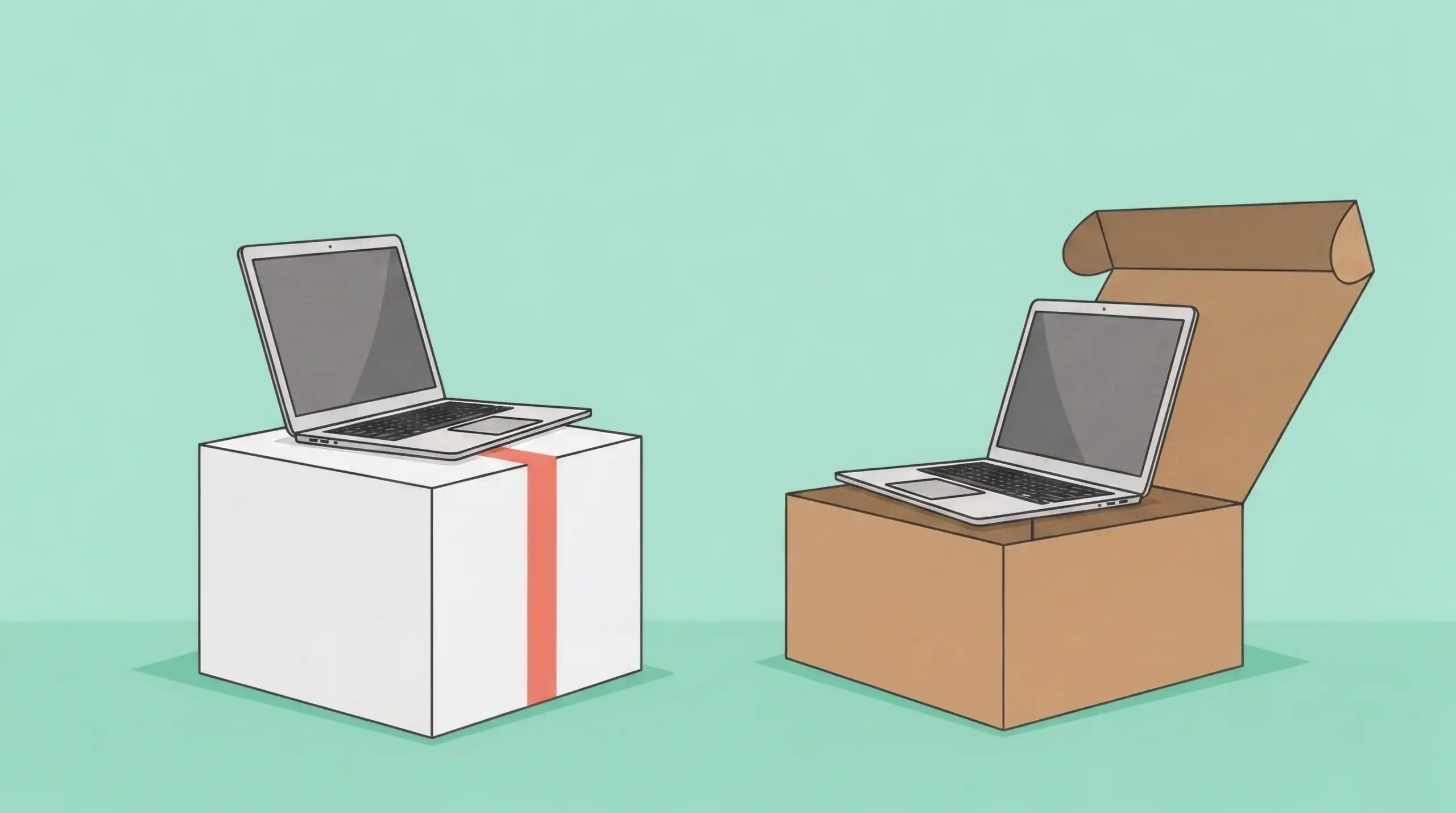
For decades, the word "refurbished" carried a stigma. Consumers often equated the term with defective returns, scratched screens, and unreliable battery life—a gamble that most prudent shoppers avoided by paying the "new-in-box" premium. However, in an era of soaring inflation and rapidly evolving consumer technology, that perception is undergoing a dramatic shift.
Today, manufacturer-certified refurbished electronics represent one of the most effective, yet underutilized, financial strategies for the modern consumer. By bypassing the psychological desire for a pristine, factory-sealed box, savvy shoppers can secure flagship laptops, smartphones, and tablets that function identical to new models at a fraction of the cost.
The Anatomy of a Certified Refurbished Device
At its core, a certified refurbished product is an electronic device that has been returned to the manufacturer or an authorized refurbishing center for reasons often unrelated to hardware failure. In many instances, these units are simply "open-box" items—products purchased, unboxed, and returned by a consumer who simply changed their mind, found the device didn’t fit their needs, or opted for a different color or storage capacity.
Because retail laws prevent these items from being sold as "brand new" once the seal is broken, companies must move this inventory through secondary channels. However, the process is far from a simple repackaging. Before these items are listed for resale, they undergo a rigorous inspection process.
The Certification Standard
A true "certified" refurbishing process involves several key steps:
- Comprehensive Diagnostics: Technicians run exhaustive software and hardware tests to ensure every component functions according to factory specifications.
- Component Replacement: Many companies go a step further. Apple, for example, replaces the outer shell and the battery on all refurbished iPhones, ensuring that the two most wear-prone parts are essentially brand new.
- Cleaning and Sanitization: Devices are professionally cleaned and wiped, often arriving in fresh, new packaging.
- Warranty Assurance: Perhaps most importantly, certified products are backed by a warranty that often mirrors the one provided with a brand-new device.
A Chronology of the Refurbished Market
The rise of the refurbished market is not a recent phenomenon, but rather a response to the maturation of the consumer electronics industry.
The Early Era (Pre-2010): Historically, "refurbished" was synonymous with "used." Third-party liquidators dominated the market, and quality control was notoriously inconsistent. Buyers often received products with missing manuals, outdated software, or hidden physical damage.
The Rise of Corporate Programs (2010–2018): As the cost of premium hardware—such as the MacBook Pro or high-end smartphones—began to climb, companies realized that a secondary market could capture price-sensitive customers who would otherwise turn to competitors or budget brands. Apple pioneered the modern model by creating a dedicated "Certified Refurbished" store, offering the same level of support for refurbished units as for new ones.
The Mainstream Integration (2019–Present): With global supply chain constraints and an increased focus on sustainability, the refurbished market has exploded. Retailers like Amazon (with "Amazon Renewed") and major OEMs like Microsoft, Samsung, and Dell have integrated these programs into their primary digital storefronts. Today, purchasing a refurbished laptop is no longer a fringe decision; it is a standard procurement strategy for small businesses, students, and budget-conscious professionals.
Supporting Data: The Math Behind the Savings
The primary driver for the refurbished market is the price-to-performance ratio. While the specific discount fluctuates based on product life cycles, consumers can typically expect a discount ranging from 15% to 30% off the original MSRP.
For a high-end $2,000 laptop, a 20% discount equates to $400 in savings. Over the course of a three-year upgrade cycle, the cumulative savings from purchasing refurbished can cover the cost of additional hardware upgrades (such as RAM or storage) or even a second device.
Market Trends
- Sustainability Impact: Industry reports indicate that refurbished electronics contribute significantly to the reduction of e-waste. By extending the life of a device by just two years, the carbon footprint of the unit is halved compared to manufacturing a new device.
- Depreciation Curves: Electronics typically lose value the moment they leave the retail store. By buying refurbished, the consumer effectively allows the first owner to take the steepest part of the depreciation curve, while they benefit from a device that is, for all intents and purposes, functionally indistinguishable from new.
Official Perspectives and Industry Standards
Major technology manufacturers view their certified refurbished programs as a key component of their ecosystem. By maintaining control over the refurbishing process, companies protect their brand image and ensure that the "second life" of the device meets the same quality standards as the original release.
What the Experts Say
Industry analysts consistently emphasize the importance of the Certification Guarantee. "The word ‘refurbished’ is not a legal term," notes one market analyst. "Without the word ‘certified’ or a direct affiliation with the original manufacturer, a listing can mean anything from a professional repair to a simple wipe-down by a random seller."
Retailers like Amazon, through their Renewed program, have introduced tiered quality grades. This provides transparency, allowing the consumer to choose between "Excellent" condition (virtually indistinguishable from new) and "Good" condition (showing minor signs of use at a deeper discount).
Strategic Implications: How to Shop Smart
To successfully navigate the refurbished market, consumers must move past the fear of "used" gear and embrace a checklist-driven approach to procurement.
1. Verification of the Warranty
Never purchase a refurbished device without a clear warranty statement. A manufacturer-backed warranty (e.g., one full year) is the gold standard. If a seller offers only a 30-day or 90-day warranty, they are signaling a lack of confidence in their own testing processes.
2. The Return Window
A robust return policy is your primary safety net. You should have at least 14 to 30 days to test the device. Use this time to stress-test the battery, check the screen for dead pixels, and ensure all ports (USB-C, HDMI, etc.) are fully functional.
3. Source Matters
- Direct from Manufacturer: These are the most reliable. Stores like the Apple Certified Refurbished section or the Dell Outlet are the safest bets.
- Authorized Retailers: Major retailers (Best Buy, Amazon Renewed) have established grading systems that are generally reliable.
- Avoid "Wild West" Marketplaces: If a listing on a general auction site simply says "refurbished" without a link to a specific certification program or a clear mention of genuine parts, proceed with extreme caution.
4. Inventory Patience
Because certified refurbished inventory is dependent on returns and trade-ins, it is inherently volatile. If your preferred model is unavailable, do not panic. Stock levels typically rotate weekly. Checking back frequently is a small price to pay for the significant savings involved.
Conclusion: A New Standard for Smart Spending
The transition toward refurbished electronics is more than a cost-saving measure; it is a shift in consumer philosophy. By choosing certified refurbished gear, you are opting for a high-quality product that has been professionally vetted, while simultaneously participating in a more sustainable technological lifecycle.
The next time you are faced with a multi-hundred-dollar electronics purchase, the path forward is clear: check the manufacturer’s refurbished outlet first. If the item you need is available, the savings are significant. If it isn’t, you have lost nothing but a few minutes of research. In the world of personal finance, that is an investment worth making every single time.
 Nana
Nana  Lina Irawan
  Layla Zulfa