
 By Pevita Pearce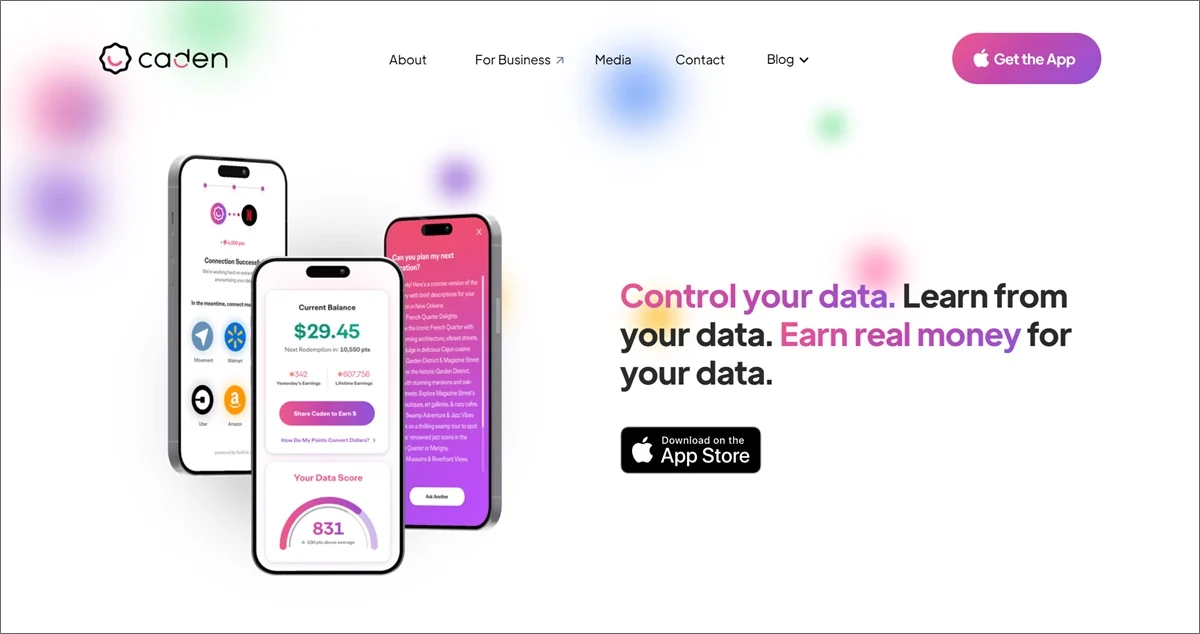
In the modern digital landscape, data has become the most valuable commodity on the planet, often referred to as the "new oil." Every time you perform a Google search, navigate via GPS, scroll through social media, or even speak near a smart device, you are generating data. Individually, these fragments seem inconsequential; collectively, they form a massive, multi-billion-dollar industry. With the big data market projected to generate an estimated $516 billion by 2031, a growing number of consumers are asking a fundamental question: If my data is this valuable to corporations, why am I not getting a cut?

For decades, the standard exchange was simple: users received free services from platforms like Facebook and Google in exchange for their behavioral data. However, a shift is occurring. A new wave of "data-monetization" platforms has emerged, offering to pay individuals directly for the insights they generate. This guide explores the reality of this side hustle, the reputable players in the space, and the broader implications of treating your digital footprint as a source of income.

The Mechanics of Data Monetization: How It Works
At its core, "getting paid for your data" is a form of market research. Companies like Nielsen, Comscore, and various retail analytics firms need to understand consumer trends. They want to know which websites you visit, how long you stay, what products you purchase, and how your household consumes media.

Instead of guessing, these companies create panels—groups of opt-in users who allow tracking software to run in the background of their devices. This software captures anonymized usage data, which is then aggregated to help businesses refine their marketing, product development, and inventory strategies.

Chronology of the Data Market
- The Early 2000s: The rise of digital advertising and search engines turned user behavior into the primary currency of the web.
- 2010s: The emergence of "receipt scanning" apps like Ibotta began to bridge the gap between physical retail behavior and digital rewards.
- 2020s: Privacy-focused, opt-in platforms (like Caden and Pogo) emerged, promising more transparency and direct compensation for users who choose to share their data voluntarily.
Top Platforms for Monetizing Your Data
While no individual app will replace a full-time income, layering these services can create a steady stream of "passive" supplemental income.
1. Nielsen Computer & Mobile Panel
Nielsen is a household name in the media measurement industry. By installing their panel app on your smartphone, tablet, or desktop, you participate in market research that shapes TV and internet programming.

- Earning Potential: Up to $60 per year in gift cards or cash.
- The Benefit: It is truly "set it and forget it." Once installed, the app runs quietly in the background.
2. Nielsen Pulse
For those looking to maximize their Nielsen participation, Pulse adds an extra layer of tracking, specifically focusing on TV and device usage.

- Earning Potential: By connecting multiple devices and your TV, users can earn upwards of $250 annually.
3. Fetch Rewards
Fetch is a leader in the receipt-scanning category. Unlike traditional coupon apps that require pre-selection, Fetch rewards you for every grocery receipt you scan.

- The Strategy: It provides bonus payouts for purchasing specific partner brands. It is one of the easiest apps to stack with others.
4. Pogo
Pogo represents the next generation of data sharing. By linking your bank account and enabling location services, the app provides personalized rewards based on your actual spending and travel habits. It effectively pays you for the "data trail" you leave behind at retailers.
5. MobileXpression
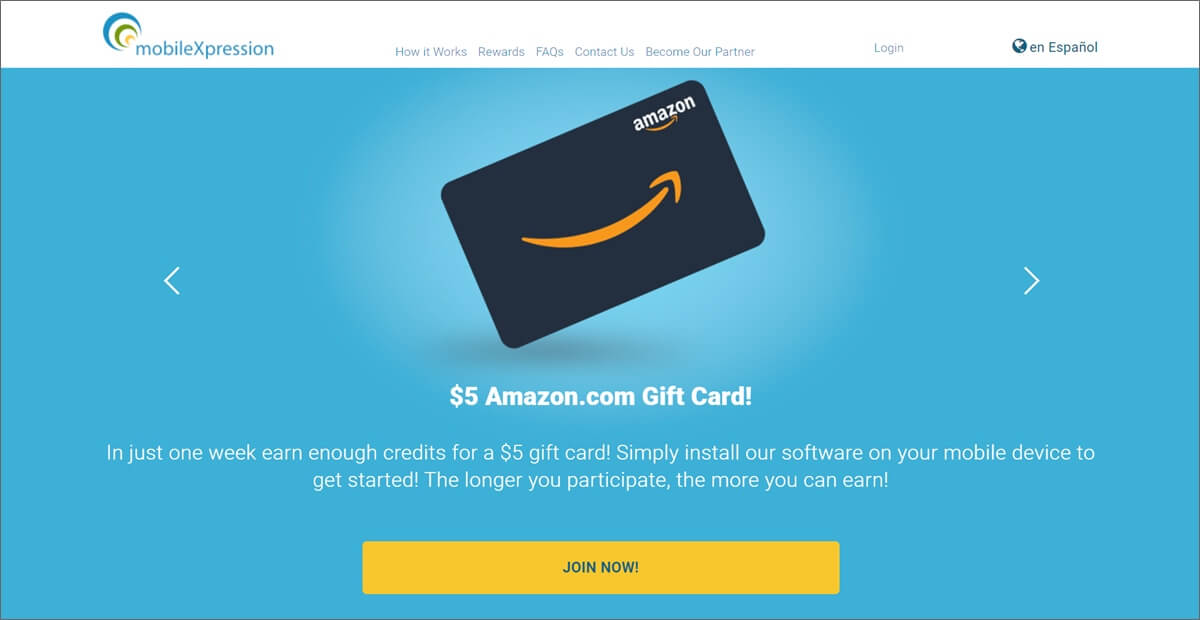
Owned by the publicly traded firm Comscore, this app tracks smartphone usage patterns. It is highly regarded for its longevity and reliability. New users are often eligible for a $5 Amazon gift card after their first week, with ongoing credits accumulating thereafter.

Supporting Data: Is It Worth the Effort?
To determine if this side hustle is right for you, it is essential to look at the math. Most users who commit to a suite of these apps can expect to earn between $200 and $500 per year.

- Low Barrier to Entry: Almost all these platforms are free to join and require no specialized skills.
- Resource Consumption: The most common technical complaint is that tracking software can slightly drain battery life or, in some cases, lead to a marginal decrease in device performance.
- Data Privacy: Most reputable companies utilize "anonymized" data, meaning your personal identity is stripped from the usage statistics before it is sold to third parties.
Official Stance and Privacy Implications
The shift toward user-compensated data has not been without controversy. Privacy advocates often warn that even "anonymized" data can occasionally be de-anonymized through sophisticated data matching.

What the Experts Say
Most security experts advise users to prioritize apps owned by well-established, transparent companies (like Nielsen or Comscore) over obscure startups. Before signing up, users should always read the "Terms of Service" to understand:

- What data is being collected? (e.g., location, browsing history, financial transactions).
- How is it shared? Ensure the company explicitly states they do not sell your personal identifying information (PII) to malicious actors.
- Opt-out policies: A reputable platform must allow you to uninstall the software and stop data collection at any time.
Strategic Alternatives: Higher-Earning Side Hustles
If the $500-a-year ceiling for data sharing feels too low, there are alternative side hustles that utilize your existing assets or time for higher returns.

1. Paid Consumer Research Studies
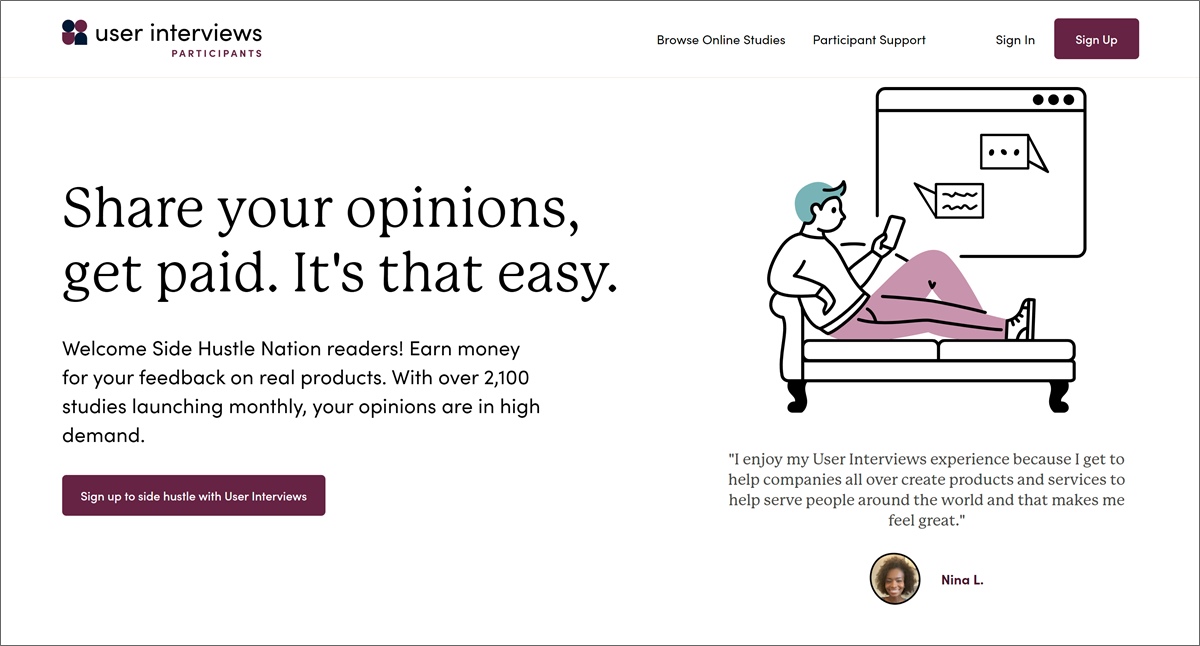
Companies like UserInterviews or Respondent.io pay significantly more than automated data apps. Instead of letting software run in the background, you participate in one-on-one video interviews or focus groups. These can pay $50 to $200 per hour because they require human participation and qualitative feedback.

2. Credit Card Rewards (The "Smart Spending" Hustle)
If you are already spending money on necessities, you should be earning cash back. Strategic use of credit cards—specifically those with sign-up bonuses—can yield thousands of dollars in value annually. For example, a card offering a $200 bonus for $500 in spending is essentially a 40% return on your everyday expenses.

3. Real Estate Micro-Investing
For those interested in building long-term wealth rather than quick cash, platforms like Arrived allow you to purchase fractional shares of rental properties. This moves beyond "selling data" and into the realm of asset ownership, allowing you to collect dividends from rental income.
4. Reselling Furniture Returns
The "Sharetown" model is an excellent example of a physical-world side hustle. By acting as a local representative for direct-to-consumer mattress and furniture brands, you can collect returns that companies don’t want to ship back to warehouses. You then clean, photograph, and sell these items, often pocketing $150–$250 per transaction.

Conclusion: Weighing the Trade-off
The decision to monetize your data is a personal one. It requires a balance between your desire for extra income and your comfort level regarding digital privacy. For many, the "set it and forget it" nature of data-sharing apps is a perfect, low-effort way to pay for a Netflix subscription or a few extra groceries each month.

However, if you are looking to build substantial wealth, the data-sharing route should only be viewed as a foundational "base layer" of income. The real financial gains in the side hustle economy come from combining these passive streams with active, skill-based endeavors like focus groups, smart credit card management, and small-scale reselling.

By treating your time and your data as assets, you are already ahead of the curve. Whether you choose to earn $500 a year for your data or $5,000 a year through active side hustles, the key is to remain informed, stay secure, and keep your goals in focus.

Disclaimer: This content is for informational purposes only and does not constitute financial advice. Always perform your own due diligence before providing access to your personal devices or financial accounts to third-party applications.
 Muslim
  Evan Lee Salim
  Ammar Sabilarrohman