
 By Muslim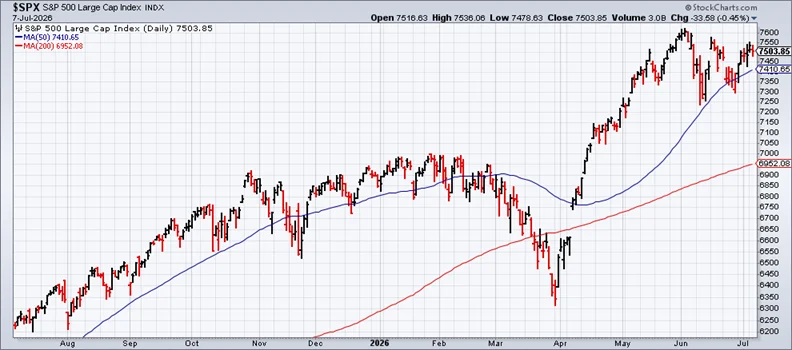
WASHINGTON, D.C. — The fragile geopolitical equilibrium in the Middle East has fractured. Following a series of retaliatory military strikes in the Persian Gulf, the tentative ceasefire between the United States and Iran has collapsed. President Donald Trump announced on Wednesday that he considers both the ceasefire and the interim peace agreement to end the hostiles to be officially "over."
The abrupt termination of diplomatic progress has sent shockwaves through global financial markets. Investors are once again forced to price in geopolitical risk premiums across energy, fixed income, and equity markets. With the Federal Reserve locked in a delicate battle against inflation, the renewed threat of energy supply disruptions and rising commodity prices has complicated the outlook for monetary policy. This development threatens to disrupt the highly anticipated "disinflationary pivot" and leaves the global economy exposed to prolonged instability.
Main Facts: The Collapse of the Gulf Peace Initiative
The breakdown of the U.S.–Iran diplomatic framework marks a significant escalation in a conflict that has simmered since early spring. The core developments surrounding this crisis include:
- The Diplomatic Rupture: On Wednesday, President Trump declared the interim agreement defunct, characterizing ongoing diplomatic engagement by U.S. envoys as "a waste of time." While he indicated that negotiators could technically continue dialogue, his public comments signal an official abandonment of executive support for the peace process.
- Military Escalation: The diplomatic collapse was precipitated by a rapid sequence of military strikes exchanged by both sides in the Gulf region. These strikes effectively shattered the quiet that had characterized the preceding weeks.
- Energy Market Reversal: West Texas Intermediate (WTI) crude oil, which had briefly slipped below $70 a barrel as the "war premium" unwound, surged back above $74 on Tuesday, signaling immediate anxiety over supply security in the Strait of Hormuz.
- Bond Market Volatility: The yield on the benchmark U.S. 10-year Treasury note jumped to 4.56% on Tuesday. This movement reflects renewed investor concerns over an energy-driven inflation pulse and a potentially more hawkish Federal Reserve.
- The Fed’s Dilemma: While market participants still anticipate that the Federal Reserve will hold interest rates steady at its upcoming Federal Open Market Committee (FOMC) meeting on July 29, Fed funds futures have priced in a roughly 66% probability of a rate hike at the September meeting.
Chronology of the Crisis
To understand the current volatility, it is necessary to trace the trajectory of the U.S.–Iran conflict from its initial outbreak to the recent diplomatic breakdown.
[Feb 28] First Attacks & Outbreak of Conflict
       │
       ▼
[Spring] Escalation & Disruption of Gulf Shipping Lanes
       │
       ▼
[Early Summer] Fragile Ceasefire & Interim Agreement Negotiated
       │
       ▼
[Late June/Early July] Weeks-long slide in Oil; War Premium Unwinds (WTI < $70)
       │
       ▼
[Early July] Mutual Military Strikes in the Gulf
       │
       ▼
[Tuesday] WTI rebounds to $74+; US 10-Year Treasury Yield jumps to 4.56%
       │
       ▼
[Wednesday] President Trump declares Ceasefire "Over" & talks "a waste of time"
The Outbreak (February 28)
The current crisis began in earnest on February 28, following a series of kinetic attacks targeting energy infrastructure and commercial maritime shipping in the Gulf. These initial hostiles pushed global crude benchmarks to multi-month highs, forcing international shipping conglomerates to reroute vessels and prompting a coordinated security response from the U.S. and its allies.
The Diplomatic Interlude
Following weeks of high-intensity military posturing, international mediators successfully brokered an interim agreement. The ceasefire aimed to halt active hostilities, establish a de-escalation corridor in the Gulf, and provide a framework for long-term stabilization talks. During this period, market anxieties eased, leading to a steady decline in crude oil prices and a stabilization of global bond yields.
The Breakdown (Yesterday)
The peace proved short-lived. Accusations of localized ceasefire violations culminated yesterday in a series of direct, high-profile military strikes exchanged by U.S. forces and Iranian-backed groups. By Wednesday morning, the diplomatic path had completely unraveled. President Trump’s public statements solidified the end of the peace initiative, returning the region to an active state of conflict.
Supporting Data: Market Proxies and Economic Sentiment
As the conflict enters a highly volatile phase, financial markets are serving as real-time barometers of geopolitical risk. Four primary indicators illustrate the direct economic impact of the breakdown.

1. Crude Oil (WTI) Rebounds
Prior to this week’s escalation, the geopolitical risk premium built into energy assets had almost completely dissipated. West Texas Intermediate (WTI) crude oil had experienced a multi-week slide, briefly trading below the psychologically critical threshold of $70 per barrel.
However, following the military strikes, WTI quickly rebounded, climbing back above $74 per barrel on Tuesday. While this pricing remains at the lower end of the broader trading range established since the initial February 28 attacks, the sharp upward reversal threatens the prevailing market consensus that energy-driven inflation has been successfully tamed.
| Date / Period | WTI Crude Price (per barrel) | Market Context |
|---|---|---|
| Post-Feb 28 Peak | $85.00 – $90.00 (Range) | Active hostilities, high war premium |
| Early July (Low) | Under $70.00 | Ceasefire holding, premium unwinds |
| Current (Tuesday) | $74.00+ | Ceasefire breaks, military strikes resume |
2. U.S. 10-Year Treasury Yield Spikes
The bond market reacted swiftly to the renewed threat of inflation. The yield on the 10-year U.S. Treasury note jumped to 4.56% on Tuesday, reversing its recent downward trend.
Yield (%)
  4.60% ─────────────────────────────────── (Peak near 4.56% on Tuesday)
  4.50% ───────────╱╲──────────────────────
  4.40% ──────────╱──╲─────────────────────
  4.30% ─╱╲──────╱────╲────────────────────
  4.20% ╱──╲────╱──────╲───────────────────
  4.10% ─────╲─╱────────╲──────────────────
        ─────────────────────────────────── Time
This sudden upward move reflects two distinct market anxieties:
- The Term Premium: Investors are demanding higher yields to compensate for the long-term risks associated with geopolitical instability and potential supply chain bottlenecks.
- Inflation Expectations: Rising energy costs historically feed directly into headline consumer price indices, prompting bond traders to price in a "higher-for-longer" interest rate environment.
3. S&P 500 Range-Bound But Vulnerable
In contrast to the sharp movements in energy and fixed income, the equity market has maintained a state of relative calm. The S&P 500 Index continues to trade within a consolidated horizontal range. However, analysts warn that this stoicism is likely to be tested. If crude oil continues its upward trajectory and bonds remain under pressure, equity valuations—particularly in high-multiple growth sectors—could face a significant correction.
4. Shift in Monetary Policy Expectations
The Federal Reserve’s path toward interest rate normalization has been thrown into disarray. While interest rate futures suggest a high probability that the central bank will keep rates unchanged at its July 29 meeting, the outlook for autumn has turned decidedly hawkish. According to the CME FedWatch Tool and Fed funds futures:
- July 29 FOMC Meeting: High probability of a pause (no change in rates).
- September FOMC Meeting: Implied probability of a 25-basis-point rate hike has risen to approximately 66%.
Official Responses
The collapse of the interim agreement has elicited starkly contrasting statements from Washington, Tehran, and the international community.
United States
President Donald Trump did not mince words when addressing reporters on Wednesday, signaling a return to a maximum-pressure campaign:

"The ceasefire and the interim agreement to end this conflict are officially over. While our negotiators can technically remain at the table if they choose, I personally consider any further discussions with Tehran to be an absolute waste of time."
Senior State Department officials later clarified that while formal diplomatic channels remain open through Swiss intermediaries, the administration has instructed regional commanders to take all necessary measures to protect commercial shipping and allied assets in the Gulf.
Islamic Republic of Iran
In Tehran, government spokespersons blamed the collapse of the agreement entirely on "American bad faith" and unilateral aggression. Iranian military officials asserted their sovereign right to secure the Persian Gulf, warning that any foreign intervention in their territorial waters would be met with "proportional and decisive counter-measures."
Diplomatic observers note that Tehran’s rhetoric appears designed to project strength and resilience to its domestic audience while keeping regional proxy networks on high alert.
International Reaction
Allies in Europe and East Asia have expressed deep concern over the resumption of hostilities. In a joint statement, European diplomats urged both Washington and Tehran to exercise maximum restraint:
"The preservation of maritime stability in the Gulf is a matter of global security. A return to open conflict risks disrupting fragile global supply chains and compounding inflationary pressures that drag down the international economy."
Implications: The Geopolitical and Economic Outlook
The collapse of the ceasefire carries profound structural implications for both global geopolitics and international financial markets.
Iran’s Strategic Calculus: The Midterm Election Leverage
Geopolitical analysts suggest that Iran’s decision to abandon the ceasefire is part of a calculated, long-term strategy tied to the upcoming U.S. midterm elections in November. Rather than striking a deal with an unpredictable Trump administration now, Tehran appears to be playing for time.

By keeping the regional conflict active, Iran can manipulate key economic pain points:
- Gasoline Prices: Driving up crude oil prices translates directly to higher prices at the pump for American consumers.
- Federal Reserve Pressure: Forcing the Fed into a hawkish stance via energy-driven inflation could cool domestic economic growth.
By applying economic pressure, Tehran hopes to weaken the administration’s political standing ahead of the November elections, potentially forcing Washington to offer more favorable terms in future negotiations.
                  ┌────────────────────────┐
                  │  Geopolitical Conflict │
                  └───────────┬────────────┘
                              │ (Drives Up)
                              ▼
                  ┌────────────────────────┐
                  │   Higher Crude Prices  │
                  └───────────┬────────────┘
                              │ (Increases)
                              ▼
                  ┌────────────────────────┐
                  │  Inflationary Pressures│
                  └───────────┬────────────┘
                              │ (Forces)
                              ▼
                  ┌────────────────────────┐
                  │  Hawkish Fed Policy    │
                  └───────────┬────────────┘
                              │ (Triggers)
                              ▼
                  ┌────────────────────────┐
                  │ Economic Slowdown /    │
                  │ Political Pressures    │
                  └────────────────────────┘
The Threat of Stagflation
For the broader economy, the primary danger is the return of stagflationary pressures. If the Federal Reserve is forced to raise interest rates in September to combat energy-driven cost-push inflation, it will do so at a time when industrial production and consumer sentiment are already showing signs of cooling. Raising borrowing costs under these conditions increases the risk of a hard landing for the U.S. economy.
Looking Ahead
The outlook for the Middle East crisis remains highly fluid, dictated by mercurial decision-making on both sides. For corporate treasurers, portfolio managers, and policymakers, the primary focus must remain on the real-time repricing of risk. As long as oil prices continue to drift upward and Treasury yields remain elevated, the assumptions underpinning the global economic recovery will remain under intense scrutiny.
As the legendary baseball manager Yogi Berra famously observed, "It ain’t over till it’s over." In the case of the conflict in the Gulf, it is clear that the crisis is far from finished.
 Iffa Jayyana
  Nila Kartika Wati