
 By Pevita Pearce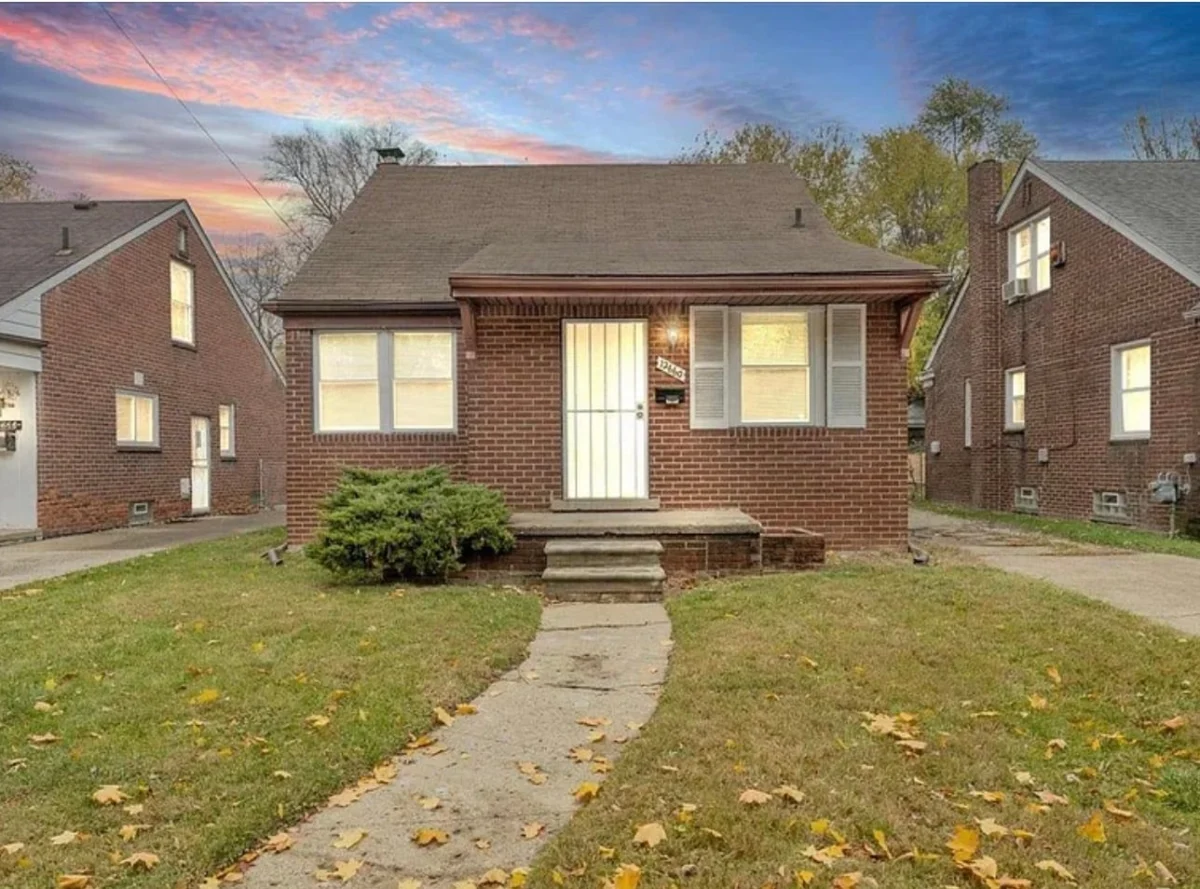
"My goal is not to buy one property. My goal is to build a machine that continuously funds future acquisitions."
For many aspiring real estate investors, the journey begins and ends in the same place: the "analysis paralysis" phase. It is a familiar cycle of consuming endless podcasts, attending webinars, and scrolling through listings while waiting for the perfect deal to appear. Osama, a Detroit-based investor who scaled from zero to nearly 30 units in just over 12 months, spent years in that exact position. Today, he represents a new breed of investor—one who prioritizes velocity of capital over vanity metrics like After-Repair Value (ARV).
In this deep dive, we examine how Osama transitioned from a passive observer to a prolific operator, and why his decision to pass on two "mathematically superior" properties in favor of a seemingly weaker bungalow changed the trajectory of his portfolio.
The Origin Story: Escaping the Spectator’s Trap
Osama’s entry into real estate wasn’t sparked by a sudden inheritance or a stroke of luck; it was a realization of capability. "There was no amount of podcasts, books, YouTube videos, or courses that could replace taking action," he recalls.
Coming from a professional background with strong academic credentials, Osama found himself frustrated by the gap between his understanding of the BRRRR (Buy, Rehab, Rent, Refinance, Repeat) method and his lack of a portfolio. "The difference between me and the people I admired wasn’t the resume or the capital," he notes. "The difference was they started, and I didn’t."
By setting a strict mandate to avoid "paralysis by analysis," Osama partnered with Julia of the FIRE Realty Team in Detroit. Together, they established a narrow "buy box": single-family homes priced under $120,000 in emerging, stable Detroit neighborhoods. The criteria were rigid: the property had to allow for forced appreciation, command a quality tenant, and, most importantly, facilitate a refinance that would return his initial capital for the next project.
Chronology of a Deal: The Three-Way Decision
The true test of an investor’s philosophy often arrives when they are presented with multiple options that look good on paper but feel different in practice. During a recent search, Osama narrowed his focus to three specific properties.

Option 1: The Morningside Colonial (East Side)
- Price: $90,000
- Projected ARV: $200,000
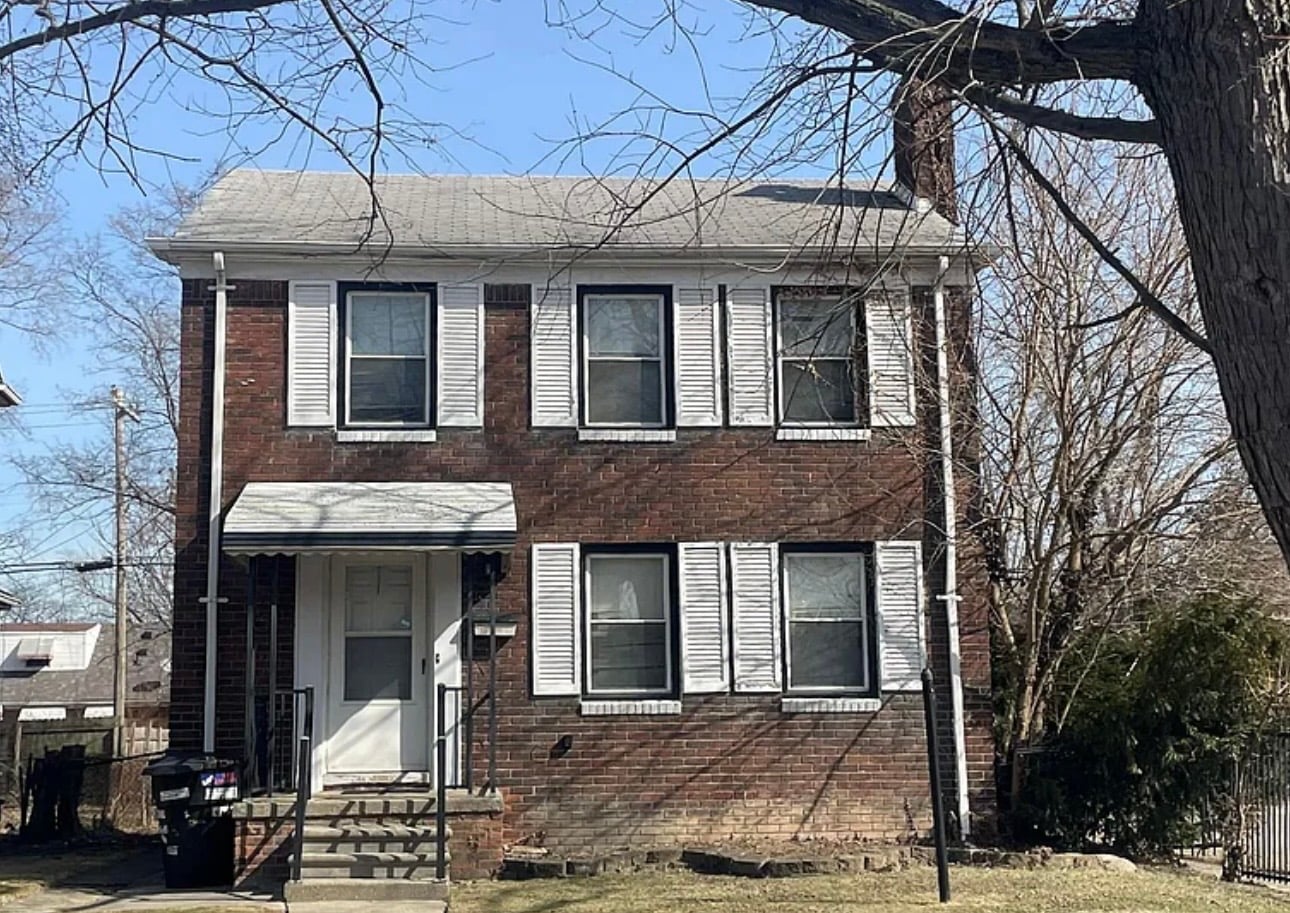
- The Vibe: On paper, this 1,600-square-foot colonial was a home run. It featured the high equity spread that drives most investors into bidding wars.
- The Reality: The numbers were softer when viewed through the lens of long-term cash flow. Furthermore, Osama had previously experienced the volatility of the east side—specifically regarding property maintenance and theft (such as furnace stripping). The "equity" promised by the ARV was enticing, but the operating expenses threatened to erode the cash flow necessary to fuel his "machine."
Option 2: The Morningside Twin
- Price: $80,000
- Projected ARV: $200,000
- The Vibe: A near-mirror image of the first option. It offered a lower entry price and similar equity potential.
- The Reality: Despite the lower price point, the refinance projections were stagnant. It was a "good deal" for a passive investor, but for someone looking to recycle capital every few months, it failed the "machine" test. The capital would be trapped in the equity, inaccessible for future acquisitions.
Option 3: The West-Side Bungalow
- Price: $105,000 (Listed)
- Projected ARV: $145,000
- The Vibe: At first glance, this 1,300-square-foot bungalow was the "weakest" of the trio. Its ARV ceiling was significantly lower than the colonials, making it look underwhelming in a comparative market analysis.
- The Reality: This property boasted the strongest rental market performance in the area.
Supporting Data: Why "Cash Flow" Trumps "Equity"
Most investors fall in love with the $200,000 ARV headline. It is an ego-boosting number that makes for great conversation. However, as Osama explains, "Equity you cannot pull back out is just a number you quote at parties."
To understand the decision, one must look at the math behind the BRRRR method. A property with a high ARV but low cash flow results in a refinance where the bank’s Loan-to-Value (LTV) ratio is constrained by the property’s ability to cover its own debt service. If the rents are low, the bank will not value the property highly enough to pull out the initial investment.
Osama’s strategy focused on debt-service coverage ratio (DSCR). By choosing the west-side bungalow, he prioritized:
- Lower Vacancy Risk: Higher rental demand in the west-side pocket.
- Higher Yield: The rent-to-price ratio favored the bungalow, allowing for a more aggressive refinance.
- Capital Velocity: By maximizing the cash-out refinance, he recovered nearly all his initial investment, effectively making the property "free" in terms of out-of-pocket capital.
The Pivot: Negotiating for Success
The story took a dramatic turn when Osama entered negotiations for the west-side bungalow. While the listing price was $105,000, he saw the potential to sharpen his margins. Through skilled negotiation, he secured the property for $80,000—a $25,000 reduction before a single hammer was swung.
This price correction transformed the deal from "solid" to "exceptional." By lowering his basis, he drastically improved his cash-on-cash return and ensured that the refinance would be a "home run," allowing him to exit the deal with virtually zero of his own money left in the project.
Expert Insight: The Strategic Risk-Taker
Julia, Osama’s agent, views his success as a direct result of his psychological approach to the market. "I would call Osama a strategic risk-taker," she says. "A lot of investors never get skin in the game because they are too paralyzed by the risk and work involved. The most successful real estate investors are the ones in the arena, rolling with the punches."
Julia emphasizes that many buyers get caught up in the "perfect deal" fallacy. By contrast, Osama’s willingness to walk away from the "pretty" colonials in favor of the "functional" bungalow highlights the difference between a real estate hobbyist and a professional portfolio manager.
Implications: Building a Scalable Machine
What can other investors learn from Osama’s journey to 30 units? The implications are three-fold:
1. Distrust the Paper
Numbers on a listing sheet are estimates; they are not income. Investors should prioritize local market data—specifically rental demand and debt serviceability—over generic ARV estimates.
2. Velocity is King
In a BRRRR-focused portfolio, speed matters. If you tie up $50,000 in a property for three years, that is $50,000 that could have funded three additional projects. Osama’s success is predicated on the ability to cycle capital quickly. If the property doesn’t allow for a full cash-out refinance, it slows the entire machine down.
3. Focus on the Exit
Before writing an offer, know your exit. How will the bank value this property in 12 months? Will the rental income support the loan amount needed to recoup your capital? If the answer is "maybe," the deal is likely a liability, not an asset.
Conclusion: The New Definition of Success
Osama’s shift from wanting "a property" to wanting "a machine" is the defining characteristic of his rapid growth. By ignoring the vanity metrics of the east-side colonials, he secured a cash-flowing asset that funded his next move.
"I do not buy properties to say I own them," Osama concludes. "I buy properties to create profit, generate cash flow, and build momentum. Every successful BRRRR is not just another rental. It is the down payment on the next opportunity."
For those still watching from the sidelines, the lesson is clear: Stop chasing the equity headline. Start building the machine. The market rewards those who act with strategy, negotiate with precision, and prioritize the cold, hard reality of cash flow over the comforting illusion of paper equity.
 Nana Wu
  Asro
Asro  rifanmuazin