
 By Asep Darmawan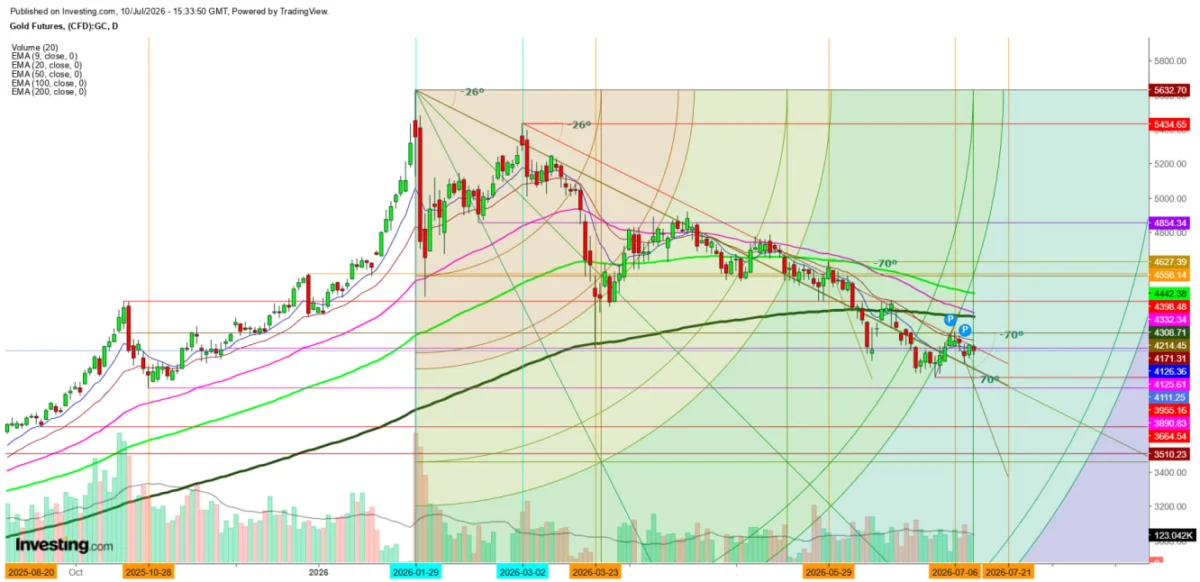
As the U.S.-Iran conflict enters its 133rd day, the geopolitical landscape remains tethered to a tenuous and deteriorating "memorandum of understanding." What began as a strategic bid by the Trump administration to secure regional dominance and control critical energy corridors has devolved into a cycle of managed instability, threatening the global economy and testing the limits of presidential power.
The Chronology of Escalation: From Trade Wars to Kinetic Conflict
The current crisis did not emerge in a vacuum; it is the culmination of a broader, aggressive "America First" foreign policy initiative that began shortly after Donald Trump’s inauguration on June 20, 2025.
Driven by a desire to reshape the 21st-century global order, the administration initiated a series of radical economic and military maneuvers. The initial phase was defined by the imposition of uneven trade tariffs, which sent shockwaves through global markets and sparked widespread fears of stagflation. As economic uncertainty mounted, investors flocked to safe-haven assets, fueling a historic rally in gold and silver prices that culminated in a peak on January 29, 2026.
Buoyed by what the White House perceived as a successful—albeit controversial—operation in Venezuela on January 2, 2026, where the administration moved to secure oil and rare earth reserves, President Trump turned his attention toward the Middle East. With the backing of Israeli Prime Minister Benjamin Netanyahu, the U.S. launched an intensive air campaign against Iranian military and economic infrastructure on February 28, 2026.
Iran’s immediate, calculated response was to choke the Strait of Hormuz—the world’s most vital oil-shipping channel. This move effectively held one-fifth of the global energy supply hostage, precipitating an energy-driven inflation crisis that continues to plague the global economy today.
The June Memorandum: A False Dawn?
Hopes for a permanent resolution were briefly ignited on June 17, 2026, with the signing of a memorandum of understanding between Washington and Tehran. The agreement, intended to serve as a bridge to a final peace deal, established a 60-day window for negotiations. However, recent weeks have seen the collapse of these optimistic projections.
The most contentious issues—most notably the management of the Strait of Hormuz and the fate of Iran’s nuclear program—have been deferred to intermittent, unproductive discussions. Analysts are increasingly skeptical that a comprehensive settlement is achievable within the remaining timeframe. The situation is further complicated by the U.S. decision to revoke waivers allowing Tehran to trade oil internationally, a move that effectively neutralized one of the primary incentives for Iran to adhere to the truce.
Technical Analysis and Market Volatility
For market participants, the conflict has become a barometer of political instability. The technical outlook for gold futures remains bearish, reflecting the "Catch-22" position of the current ceasefire. As of July 10, 2026, gold futures are struggling to hold support levels established in November 2025.

The gold market has been in a sustained 26-degree slide since March 2, 2026, when prices tested a peak of $5,434.65. The failure to hold above the March 23 low of $4,117.65 signals a potential breakdown. This volatility is exacerbated by the Federal Reserve’s precarious position. While minutes from the June policy meeting suggest a potential easing of borrowing costs, which typically benefits non-yielding bullion, the central bank remains hamstrung by persistent, energy-driven inflation that remains well above the 2% target.
Official Responses and Diplomatic Friction
The diplomatic theater is no less chaotic. While the U.S. continues to engage in "stop-and-start" military strikes intended to calibrate pressure without triggering total war, internal fractures are appearing. Israeli Defense Minister Israel Katz has publicly stated that his country is prepared to resume the military campaign with "even greater force," signaling a potential divergence from the U.S. administration’s current push for a negotiated exit.
Furthermore, there is a noted friction between the U.S. and its Gulf allies. While the Trump administration seeks to maintain a hardline stance to ensure "free and safe passage" through the Strait of Hormuz, Gulf Arab states—desperate for economic normalcy—are reportedly pushing for an immediate halt to the hostilities. The Iranian leadership, meanwhile, has signaled an intent to maintain a future role in managing the waterway, potentially including the imposition of tolls, a non-starter for the White House.
Implications: The Political and Economic Calculus
The Midterm Pressure Cooker
President Trump’s pursuit of an exit plan is being heavily influenced by the impending U.S. midterm elections. With gasoline prices soaring and the specter of a recession looming, the administration is acutely aware that the war has become a political liability. Analysts, including Aaron David Miller, a former Middle East negotiator, suggest that Trump has "put himself in a box." Whether through military escalation or diplomatic concessions, the President’s path to a "win" is narrow, and the window for a face-saving exit is closing.
The Era of "Managed Instability"
Jonathan Panikoff, of the Atlantic Council, suggests that the world must brace for a new normal. "The situation is not going to revert to full-scale war," Panikoff noted. "But the default setting is now managed instability—recurring violence with no permanent off-ramp." This suggests that the current conflict is not a temporary aberration, but a structural feature of the current geopolitical environment.
Economic Consequences
The economic impact is profound. The "tariff war" initiated by the Trump administration has already derailed global growth, and the ongoing energy conflict ensures that inflationary pressures remain entrenched. The Federal Reserve’s dilemma—balancing the need to support a weakening economy against the necessity of curbing inflation—has created a volatile environment for global stock markets and precious metals alike.
Conclusion: The Weekend Uncertainty
Technically and politically, the situation remains highly unpredictable. President Trump’s well-documented tendency to shift his rhetoric on weekends, often contradicting statements made earlier in the week, has become a primary driver of market jitters.
As the 60-day negotiation window narrows, the "peace deal" remains a fragile illusion. The combination of Iranian defiance, Israeli pressure, and the U.S. administration’s domestic political requirements creates a volatile mix. With net speculative positions being squared off at the end of each trading week, investors remain wary. Unless there is a significant breakthrough in the behind-the-scenes negotiations, the world should prepare for a continuation of the current, high-cost, high-risk status quo, where the Strait of Hormuz remains a flashpoint for the foreseeable future.
 Evan Lee Salim
  Laily UPN
  Nana Wu