
 By Neng Nana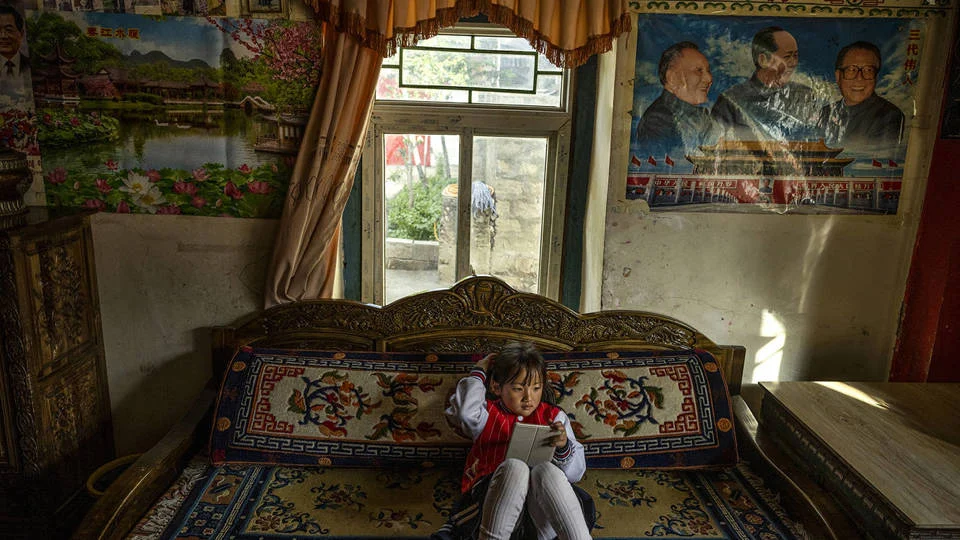
By Brahma Chellaney
July 10, 2026
The self-immolation of exiled Tibetan activist Lobga Rangzen outside the United Nations headquarters in New York on July 2, 2026, serves as a searing indictment of the international community’s prolonged passivity. Rangzen’s final act was not a manifestation of personal despair, but a calculated, desperate plea to break the deafening silence surrounding the systematic eradication of Tibetan culture, religion, and identity. As Beijing accelerates its assimilationist agenda, the world stands at a precarious crossroads: either confront the geopolitical and humanitarian consequences of a disappearing civilization or accept a future defined by a significantly more emboldened and unconstrained China.
The Human Cost: A Chronology of Suppression
The erosion of Tibetan autonomy did not occur overnight. It is the result of a decades-long, methodical strategy designed to integrate the Tibetan plateau—the "Third Pole" of the world—into the Chinese state’s monolithic cultural and political framework.
- The Early Assimilation Phase (2010–2015): Following the widespread unrest of 2008, Chinese authorities intensified the "patriotic education" campaigns in monasteries. This period saw the first wave of large-scale relocation of nomadic herders into permanent housing projects, effectively severing their ancestral connection to the land.
- The Sinicization Mandate (2016–2020): Under the current administration’s directives, the state moved from controlling behavior to reshaping identity. This included the widespread promotion of Mandarin as the primary medium of instruction in schools, the removal of Tibetan language signage, and the introduction of "ethnic unity" policies that criminalized expressions of distinct Tibetan heritage.
- The Digital Surveillance Era (2021–2024): With the integration of advanced facial recognition, AI-driven surveillance, and the "Grid Management" system, the Tibetan plateau was transformed into a digital panopticon. Every movement, religious practice, and private conversation became subject to state scrutiny.
- The Current Crisis (2025–Present): Recent reports from human rights observers indicate that the state has intensified the "boarding school" system for Tibetan children, where they are reportedly isolated from their families and cultural roots. The self-immolation of Lobga Rangzen stands as the most recent and tragic highlight of this escalating atmosphere of repression.
Supporting Data: The Anatomy of Erasure
The systematic nature of the erasure is supported by a growing body of evidence. According to data compiled by international human rights watchdogs and satellite analysis, the scale of cultural dismantling is unprecedented.
Demographic Engineering and Religious Suppression
Beijing’s policies have focused heavily on diluting the Tibetan demographic. Through state-sponsored migration incentives, the proportion of ethnic Han Chinese in the Tibet Autonomous Region (TAR) and surrounding Tibetan-inhabited areas has risen sharply. Furthermore, the "Sinicization of Religion" policy—a formal state initiative—mandates that Buddhism be interpreted through the lens of socialist core values. This includes the state’s involvement in the selection of high-ranking lamas, effectively stripping the religion of its independent spiritual hierarchy.
The Environmental Dimension
Beyond the cultural, there is the environmental degradation of the Tibetan plateau. As the source of Asia’s major river systems, including the Indus, Ganges, Brahmaputra, and Mekong, Tibet is the "water tower" for over 1.5 billion people. The state’s aggressive damming projects and resource extraction initiatives—conducted with little regard for indigenous ecological knowledge—threaten the water security of South and Southeast Asia. The environmental silencing of Tibet is not just a regional issue; it is a global climate imperative.
Official Responses: A Diplomatic Vacuum
The international reaction to the intensifying crisis in Tibet has been characterized by a tepid, bureaucratic hesitation. While several Western legislatures have passed resolutions condemning the human rights abuses, the executive branches of major world powers have largely avoided direct confrontation with Beijing.
The United Nations, in particular, has faced criticism for its lack of substantive action. Despite numerous reports from UN Special Rapporteurs documenting the forced assimilation of children and the suppression of religious freedom, the UN Human Rights Council has struggled to pass a resolution that directly addresses the situation in Tibet, often paralyzed by the influence of Beijing’s diplomatic allies and the fear of economic retaliation.
In a brief statement following the New York incident, a spokesperson for the UN Secretary-General expressed "concern" over the loss of life, but failed to address the systemic causes cited by the activist. This response highlights the widening gap between humanitarian rhetoric and the realities of geopolitical power.
The Geopolitical Implications: A Bolder China
The implications of Tibet’s erasure extend far beyond the borders of the plateau. By successfully neutralizing dissent in Tibet, Beijing has tested and refined a template of total social control that it now exports to other regions.
1. The Strategic Buffer
Historically, Tibet served as a buffer zone between the two most populous nations on earth: China and India. The total integration of Tibet into the Chinese military-industrial complex has fundamentally altered the security architecture of Asia. The militarization of the border, combined with the construction of dual-use infrastructure, has forced India into a costly and permanent state of high-alert defense.
2. The Normalization of Coercion
If the international community continues to ignore the plight of Tibet, it essentially signals that the sovereignty of small or annexed cultures is negotiable in the face of economic power. This normalization of coercion encourages the state to pursue similar policies in other contested territories, further destabilizing the rules-based international order.
3. The Loss of Cultural Heritage
Tibet is the repository of a unique philosophical, linguistic, and medicinal tradition. The rapid eradication of this culture is not merely a regional loss; it is an irreparable blow to human civilization. When a culture is erased, the world loses a distinct perspective on the human condition, environmental ethics, and spiritual inquiry.
Conclusion: The Cost of Silence
The tragedy of Lobga Rangzen is a mirror held up to the international community. For years, the world has operated under the delusion that economic engagement with China would eventually lead to political liberalization. The reality has proven to be the exact opposite.
As China becomes more powerful, it is also becoming more insular, more aggressive in its internal policies, and more intolerant of diversity. The erasure of Tibet is not a localized incident; it is a preview of a world order where power dictates truth, and where the voices of the vulnerable are silenced by the machinery of the state.
If the global community continues to prioritize trade over fundamental human rights, the erasure of Tibet will be complete. And when that happens, the world will find itself facing a superpower that has successfully unlearned the value of restraint. The lesson of the last decade is clear: silence is not a neutral position; it is a complicit one. As the Tibetan plateau fades into the background of a modern, digitized, and Sinicized state, the international community risks losing not only a culture but the very principles of human rights it claims to uphold. The time for empty statements has passed; the time for a unified, principled, and strategic response to the tragedy in Tibet is long overdue.
 Iffa Jayyana
  Pevita Pearce
  rifanmuazin